Weight Loss Tips Explained: Your Biggest Questions Answered
Science-backed answers to the biggest weight loss questions — from sleep and HIIT to plate size and mindful eating. Practical, no-fluff guidance.

Losing weight sounds simple in theory — eat less, move more — but most people find the reality far messier and more confusing. Why does cutting calories sometimes feel pointless? Does it actually matter when you eat? Should you ditch carbs entirely? These are the questions that trip up even motivated people. This guide cuts through the noise, answering the biggest weight loss questions with science-backed, practical answers so you can stop second-guessing and start making real progress.
Quick Navigation
- Does sleep really affect weight loss?
- Is short, intense exercise better than long cardio for fat loss?
- Does what you keep on your kitchen counter affect how much you eat?
- Should you drink smoothies and juices to lose weight?
- Are carbs bad for weight loss?
- Does eating late at night cause weight gain?
- Does plate size really influence how much you eat?
- How does mindful eating support weight loss?
Does sleep really affect weight loss?
Yes — sleep deprivation directly undermines weight loss by making you hungrier, craving higher-calorie foods, and too fatigued to exercise consistently. Research consistently links insufficient sleep to increased portion sizes, stronger cravings for high-carb and fatty snacks, and overall weight gain. When you cut sleep short, your body's hunger-regulating hormones shift in the wrong direction, amplifying appetite signals.
The practical implication is significant. Skimping on sleep creates a double obstacle: you eat more and exercise less, compounding the caloric imbalance.
Aim for 7 to 8 hours of sleep per night as a non-negotiable part of your weight loss plan — treat it with the same priority as your workout schedule. If you struggle to hit that target, focus on sleep hygiene basics: a consistent bedtime, a cool dark room, and limiting screen exposure in the hour before bed.
Is short, intense exercise better than long cardio for fat loss?
High-intensity interval training (HIIT) burns more fat than steady-state cardio in a fraction of the time, according to research on sprint-interval protocols. Sprinting for 30 seconds, resting for 4–6 minutes, and repeating that cycle at least four times produces greater fat loss than jogging or walking at a steady pace for a full hour. That is a dramatic time-saving with a superior metabolic result.
Intervals are also highly adaptable. You can apply the same principle on a bike, elliptical, in a pool, or on a rowing machine — any activity where you can vary intensity works.
Here's a simple HIIT structure to try:
- Sprint or push hard for 30 seconds
- Rest or go very easy for 4–6 minutes
- Repeat at least 4 times
- Aim for 2–3 sessions per week
Combining HIIT with two to three strength training sessions weekly is even more effective, since lifting builds lean muscle that raises your resting metabolism and helps your body burn more fat around the clock.

Does what you keep on your kitchen counter affect how much you eat?
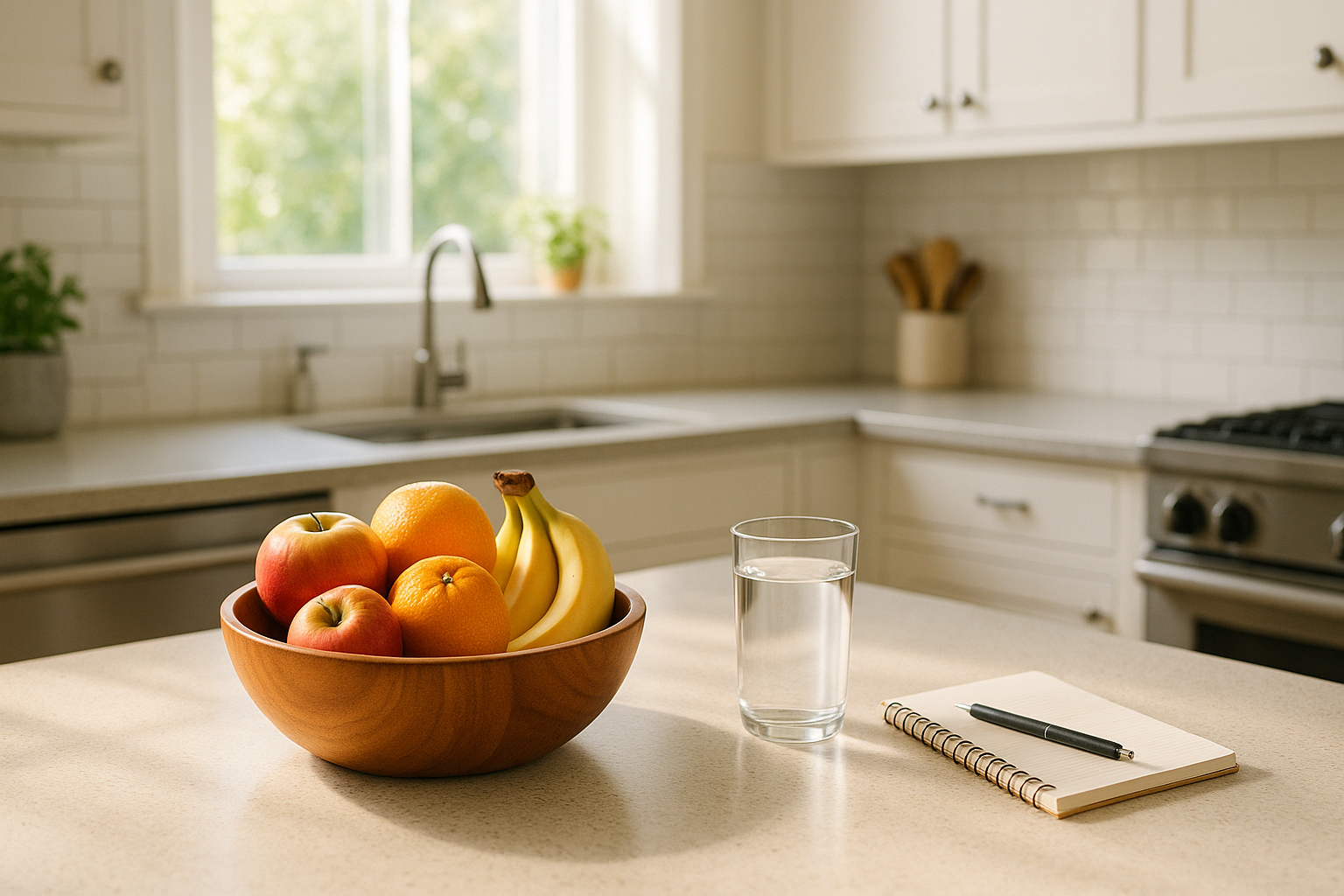
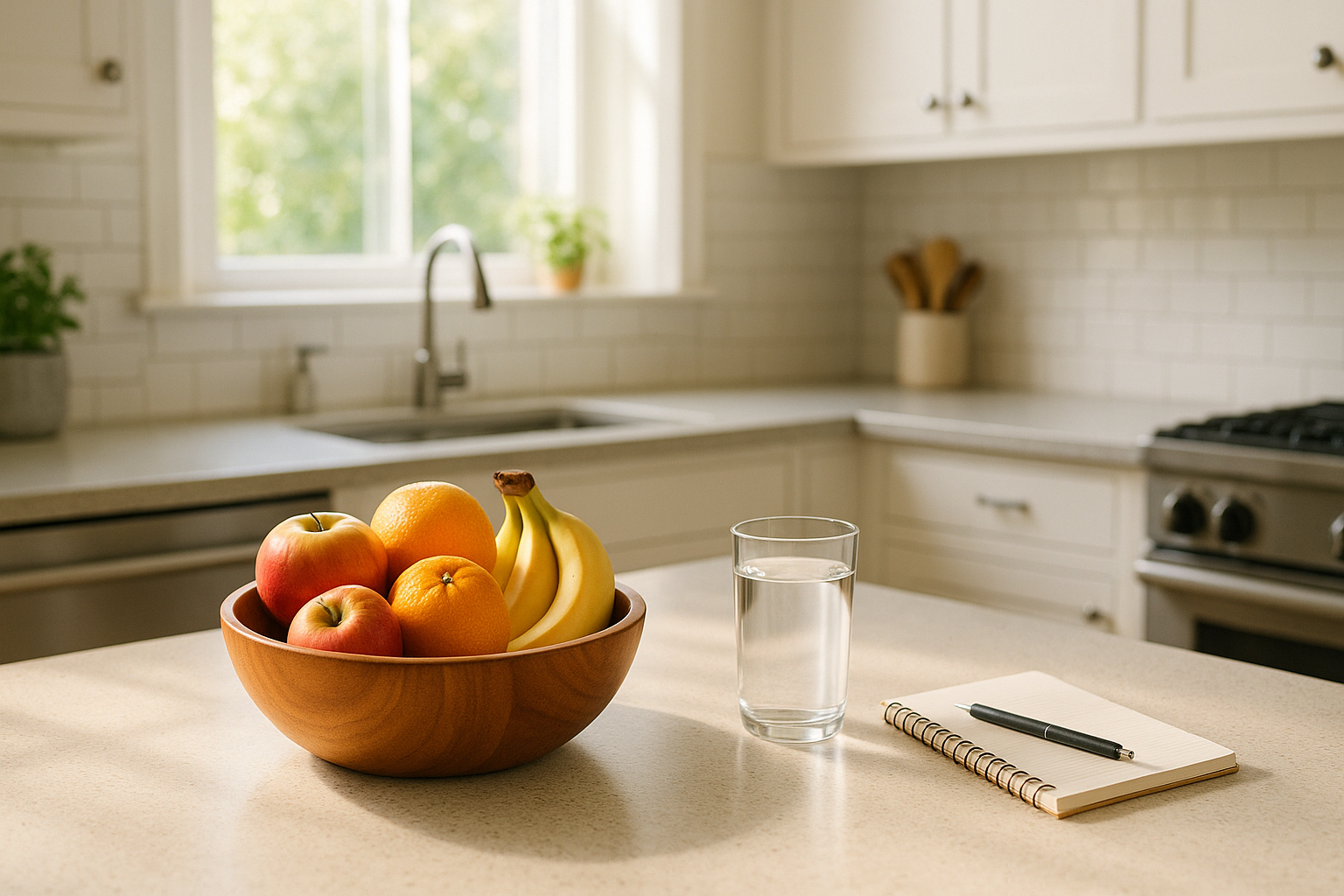
The foods visible on your kitchen counter strongly predict what you will eat and how much you weigh. Research from Cornell University found that women who kept a fresh fruit bowl on their counter weighed an average of 13 pounds less than those who did not. Visibility is a quiet but powerful driver of food choices — whatever is within easy sight and reach is what you will reach for.
The reverse is equally true. Women who kept cereal boxes or soft drinks visible on their counters tended to weigh more, regardless of other habits.
A simple environment reset can shift your eating patterns without willpower:
- Place a bowl of fresh fruit or cut vegetables on the counter at eye level
- Move sweet treats, biscuits, and crisps to high shelves or opaque containers
- Keep healthy grab-and-go snacks at the front of the fridge
Your kitchen environment is a silent diet partner — make it work for you rather than against you.
Should you drink smoothies and juices to lose weight?
Smoothies and juices are not the weight loss shortcut they are often marketed as, and relying on them as meal replacements can actually hinder fat loss. Research shows that the human body registers liquid calories far less effectively than solid food calories, meaning you can consume a large number of calories through a drink without feeling full or even noticing the intake.
The problem is compounded when calorie-dense ingredients — coconut milk, nut butters, protein powders, and fruit in large quantities — are blended together. A smoothie that looks healthy can easily exceed 600 calories in a single serving.
Whole foods that require chewing — and a fork or spoon — are consistently better choices for satiety and calorie awareness. Chewing slows consumption, triggers fullness signals more effectively, and keeps you more engaged with how much you are eating. If you enjoy smoothies, treat them as an occasional supplement rather than a dietary cornerstone, and keep portions small.
Are carbs bad for weight loss?
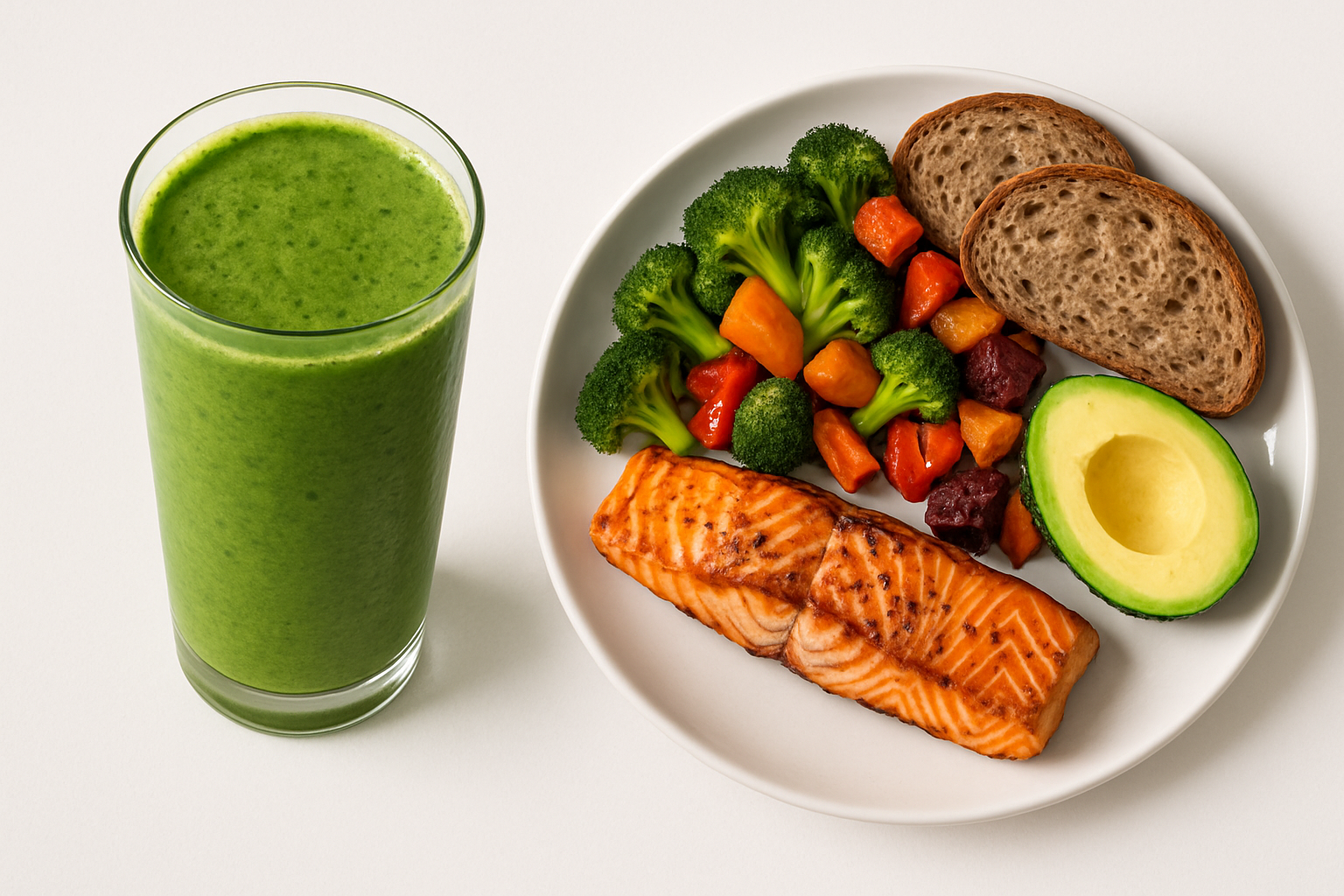
Carbohydrates are not the enemy of weight loss — the type and quality of carbs you choose matters far more than how many you eat. Refined carbohydrates, such as white bread, white pasta, and most breakfast cereals, are rapidly digested, causing blood sugar and insulin spikes that promote fat storage and trigger hunger shortly after eating. Cutting those is genuinely helpful.
Whole grain carbohydrates behave completely differently. Foods like whole-wheat bread, oats, and barley are lower on the glycemic index, meaning they digest more slowly, keep blood sugar stable, and help you feel fuller for longer.
Refined vs. Whole Grain Carbs at a Glance
| Feature | Refined Carbs | Whole Grain Carbs |
|---|---|---|
| Glycemic index | High | Low to moderate |
| Digestion speed | Fast | Slow |
| Effect on hunger | Increases hunger quickly | Suppresses hunger longer |
| Effect on weight | Associated with weight gain | Associated with weight management |
| Examples | White bread, white pasta, cereals | Oats, barley, whole-wheat bread |
Research confirms that whole grains help prevent weight gain in both men and women. The message is not to eliminate carbs — it is to trade refined grains for complex ones.
Does eating late at night cause weight gain?
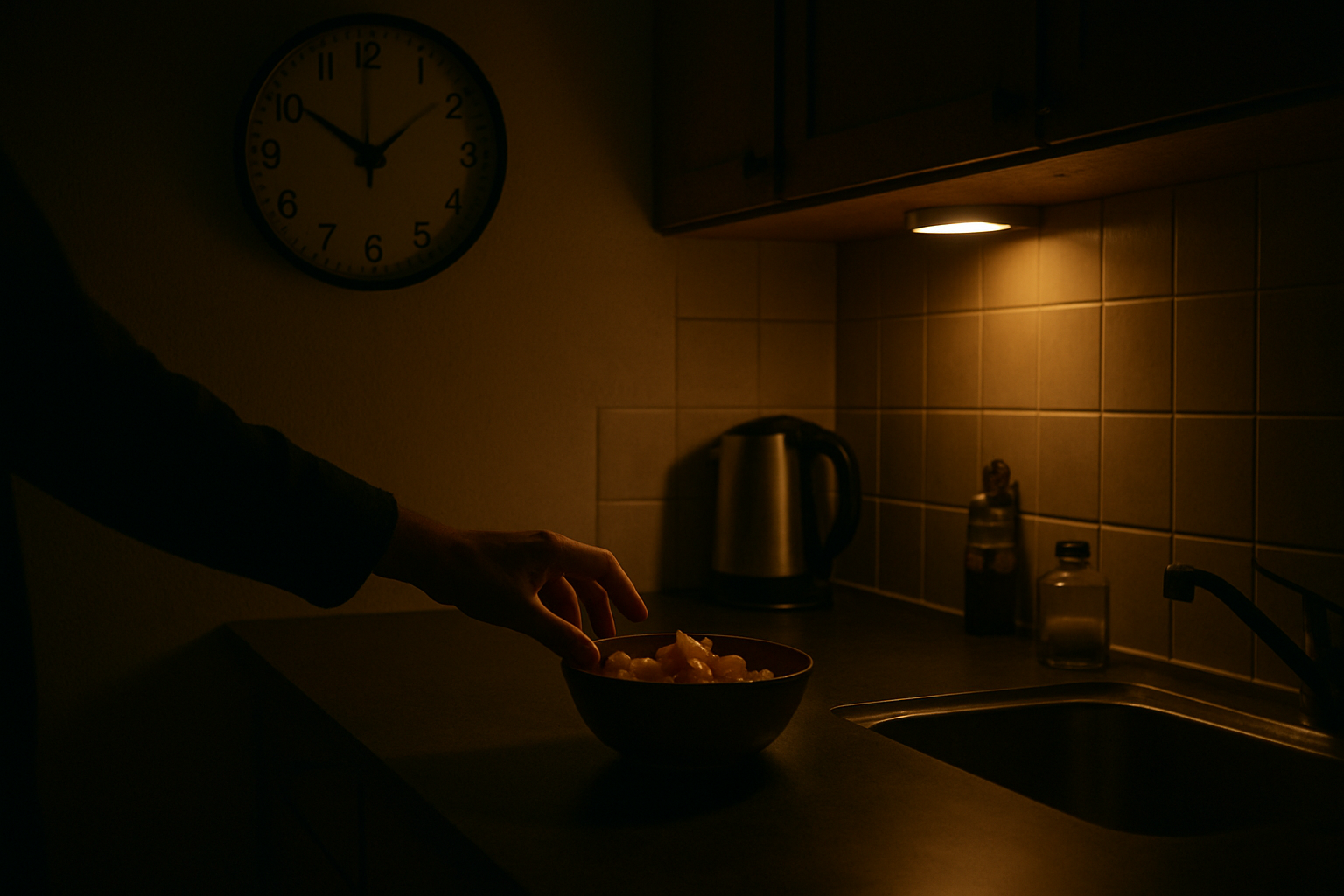
Eating late at night is directly linked to consuming more calories and gaining more weight, and the effect is measurable. A study from Northwestern University found that people who stopped eating earlier in the evening consumed nearly 250 fewer calories per day on average than late-night eaters. Over a month, that caloric difference can translate to gaining up to 2 pounds.
The issue is not just timing — it is also food quality. Late-night eaters are more likely to reach for high-calorie options like soda and snack foods, while eating fewer fruits and vegetables. Hunger and poor decision-making both tend to intensify in the evening after a day of restraint.
Practical strategies to stop late-night eating:
- Set a firm kitchen close time (e.g., 8 pm)
- Brush your teeth after dinner as a psychological cue to stop eating
- If you must snack before bed, choose options under 100 calories — a small handful of nuts or a piece of fruit
- Front-load your calories earlier in the day to reduce evening hunger
Does plate size really influence how much you eat?
Eating from larger plates and bowls causes people to serve themselves and consume significantly more food, and crucially, they do not realise they have done it. Research from Cornell University's Food and Brand Lab found that people who ate from larger cereal bowls consumed 16% more cereal than those using smaller bowls — yet they believed they had eaten 7% less. The distortion works in both directions: bigger dishes inflate portions, and people underestimate how much they have eaten.
This matters because calorie estimation is already unreliable. When the visual cues from your plate are misleading you on top of that, managing portions becomes even harder.
Swapping your large dinner plates (often 11–12 inches) for smaller versions around 9 inches wide is one of the simplest, most friction-free weight loss tips available. You do not need willpower — you just need smaller crockery. Apply the same logic to bowls, serving spoons, and glasses.
How does mindful eating support weight loss?
Mindful eating reduces overeating and unhealthy food choices by bringing conscious attention back to the act of eating, which most people do almost entirely on autopilot. Research supports mindful eating as an effective strategy for weight management — not because it changes what you are allowed to eat, but because it changes how aware you are of what and how much you consume.
The core practice is straightforward and does not require any special training:
- Notice the smell, colour, texture, and flavour of your food before and during eating
- Eliminate distractions — no TV, phone, or laptop at mealtimes
- Take at least 20 minutes per meal — your brain needs time to register fullness
- Eat with your non-dominant hand or chopsticks to naturally slow down your pace
- Put your fork down between bites to create natural pauses
Slowing down is not just a mindfulness exercise — it is a physiological strategy. It takes approximately 20 minutes for satiety hormones to signal fullness to the brain, so eating quickly almost guarantees you will overshoot before you register that you are full.
Bottom Line
Key takeaways from the science of weight loss:Sleep 7–8 hours per night — it regulates hunger hormones and supports every other weight loss effortHIIT beats long cardio for fat loss, and adding strength training boosts your resting metabolismYour environment shapes your eating — visible healthy food leads to healthier choices; make your kitchen work for youLiquid calories are easy to underestimate — choose whole foods over smoothies and juices as dietary staplesPlate size, eating timing, carb quality, and mindful eating are all evidence-backed levers you can pull without overhauling your entire life
Small, consistent changes to your sleep, environment, and eating habits can produce significant results over time. You do not need to be perfect — you need to be persistent.