Weight Management Strategies That Actually Work
Evidence-based weight management strategies require combining physical activity, diet, and behavioural change. Learn what research shows actually works long-ter

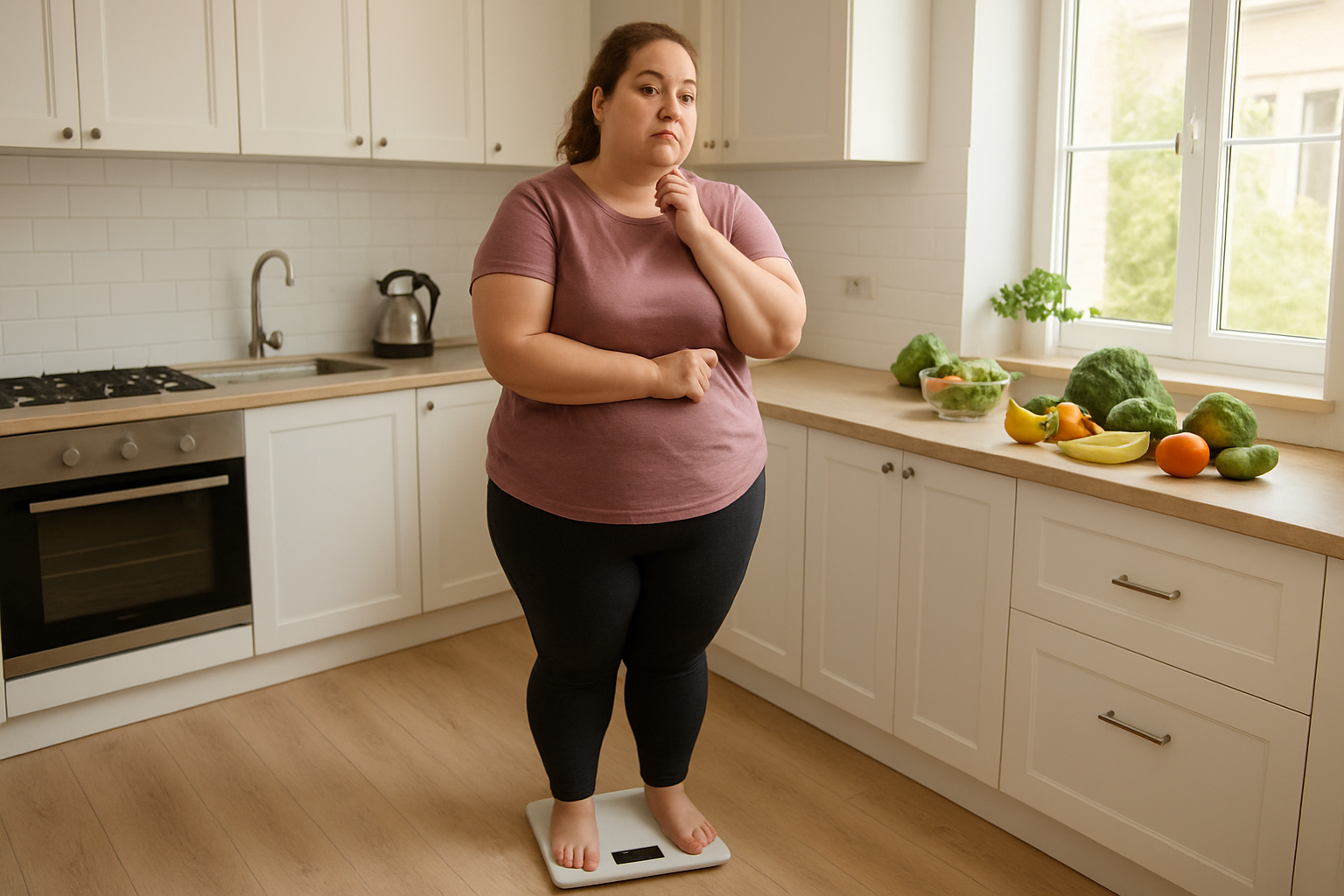
Most people who lose weight gain it back. Research estimates that only 1 to 3 percent of individuals successfully lose weight and keep it off long-term. If you've been through cycles of dieting and regain, you are not failing — the strategy is. Understanding the real mechanics behind effective weight management strategies changes everything.
This article breaks down what the evidence actually says: the role of physical activity, dietary intervention, behavioral change, and why combining these elements outperforms any single approach.
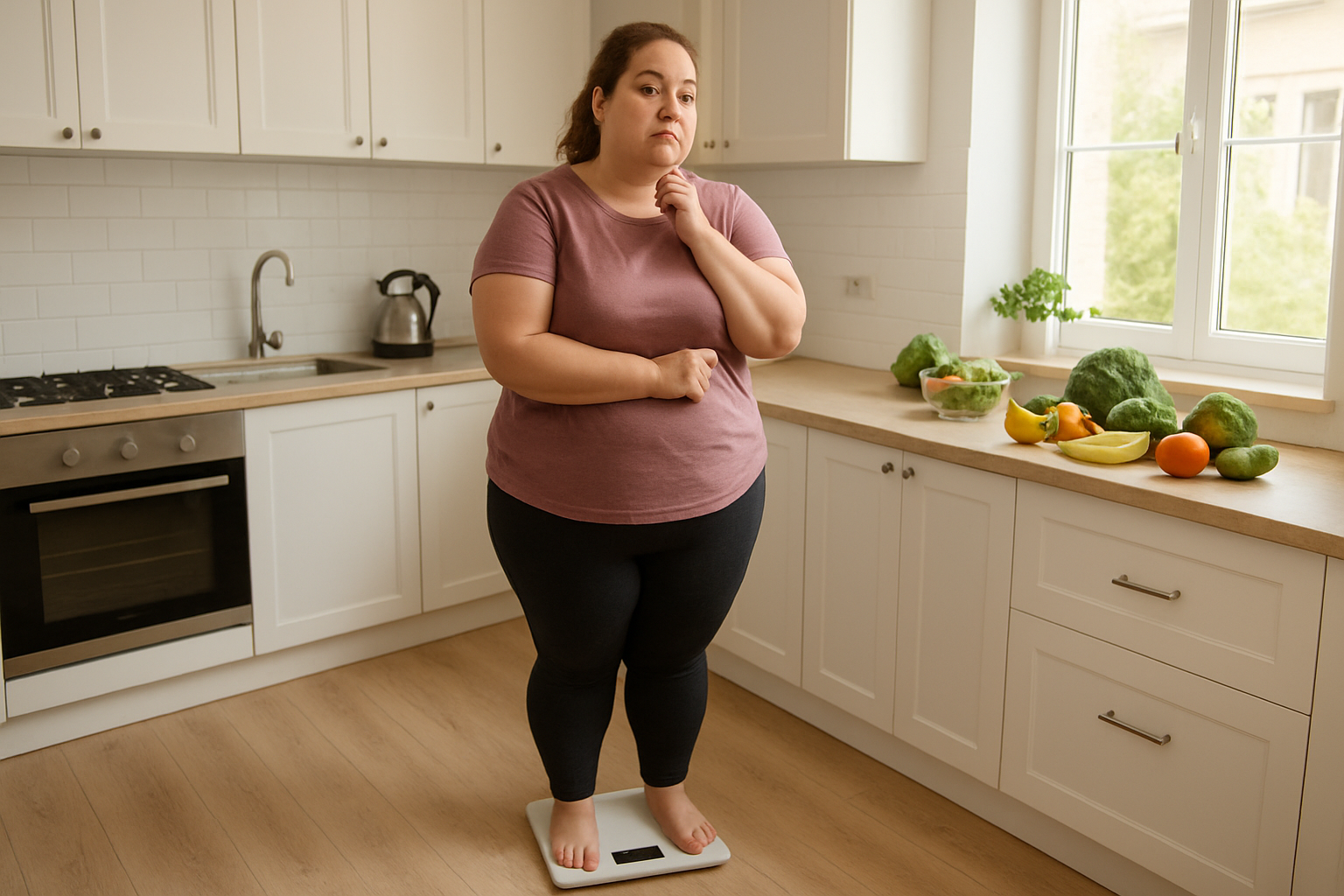
Why Simple Willpower Isn't a Weight Management Strategy
Weight gain follows one core principle — energy intake exceeds energy expenditure. But obesity and overweight are the product of a complex web of genetic, behavioral, and environmental factors. No single cause means no single fix.
Genetics does play a role in who gains weight and how. However, genetics alone cannot explain the dramatic rise in overweight seen across the U.S. population over the past two decades. The real culprits are behavioral and environmental — too little physical activity combined with energy intake that consistently outpaces expenditure.
This matters because it shifts the focus away from blame and toward systems. Effective weight management strategies target the environment and behavior, not just the individual's resolve.
Physical Activity: Essential, But Not Sufficient Alone
Increased physical activity is a non-negotiable component of any comprehensive weight-reduction plan for otherwise healthy adults. One of the strongest predictors of long-term success is the ability to develop and sustain an exercise program over time — not just for weeks, but for years.
The benefits of regular physical activity are significant and occur even in the absence of weight loss. These include improved cardiovascular markers, increased high-density lipoprotein (HDL) cholesterol, better metabolic function, and reduced chronic disease risk. A threshold of approximately 10 to 11 hours of aerobic exercise per month has been shown to raise HDL levels meaningfully.
For previously sedentary individuals, the recommended approach is a slow, progressive build-up — working toward 30 minutes of daily exercise over several weeks. The energy expenditure target is roughly 1,000 kcal per week at minimum, but research suggests 2,000 to 3,000 kcal of added weekly activity may be required to prevent weight regain long-term.

Breaking Exercise Into Shorter Bouts
Many people find changing activity levels more difficult than changing what they eat. One practical solution: breaking a 30-minute daily session into three 10-minute bouts improves compliance in the short term. This approach reduces the psychological barrier of a single long session.
However, it's worth noting that over an 18-month period, short-bout exercisers did not show the same improvements in cardiorespiratory fitness or long-term weight loss as those performing longer continuous sessions. Short bouts are a useful entry point, not a permanent solution.
Home exercise equipment, such as a treadmill, has been associated with greater likelihood of regular exercise and better long-term weight loss outcomes. Access and convenience are powerful determinants of adherence.
Strength Training Amplifies Results
When resistance training is combined with aerobic activity, outcomes tend to be better than aerobic exercise alone. Strength training builds lean muscle mass, which reduces the loss of lean body tissue during a calorie deficit. This matters because lean mass is metabolically active — preserving it helps attenuate the drop in resting metabolic rate that typically accompanies weight loss.
This is one of the most underutilised weight management strategies: treating muscle preservation as a priority, not an afterthought.
Diet and Physical Activity: The Combination That Works
Exercise programs alone do not produce significant weight loss in most studied populations. The neurochemical systems that regulate appetite can cause individuals to compensate for calories burned through exercise by increasing food intake — sometimes unconsciously. This is also where cravings can undermine an otherwise solid activity plan, driving caloric compensation that erases the deficit created by exercise.
The numbers make the case clearly. Exercise alone produces an average weight loss of 2 to 3 kg in the short term. But when physical activity is combined with a reduced-calorie diet and lifestyle modification, average weight loss reached 7.2 kg over 6 months to 3 years of follow-up in studied groups.
Physical activity plus dietary change outperforms either intervention on its own — in weight lost, in weight kept off, and in overall metabolic health. This isn't a marginal improvement; it's a category difference.

What a Reduced-Calorie Diet Actually Means
A reduced-calorie diet does not require extreme restriction. The goal is creating a consistent, moderate energy deficit that is sustainable over time. Crash diets produce rapid short-term loss but dramatically increase the risk of rebound and metabolic adaptation.
Dietary intervention works best when it is individualised — accounting for energy needs, food preferences, cultural habits, and any existing health conditions. A diet that cannot be maintained is not a strategy; it is a temporary state.
Monitoring dietary intake, even loosely, improves outcomes. Self-awareness of energy consumption is one of the behavioral elements most consistently associated with successful weight management.
Behavioral and Environmental Factors in Long-Term Weight Management
The difficulty of maintaining weight loss is one of the most underappreciated challenges in the field. Regaining lost weight is the norm, not the exception — which is why effective weight management strategies must include a maintenance phase from the outset, not as an afterthought.
Continued follow-up after weight loss is associated with meaningfully better outcomes when the activity and dietary plan is actively monitored and adjusted. This is not a passive process. Successful maintainers tend to actively track behavior, respond early to small regain, and treat maintenance as an ongoing practice rather than an achieved state.
Environmental design matters at the individual level too. Access to exercise facilities, the quality of available food options, and the presence of social support structures all influence whether healthy behaviors are maintained. Addressing these factors — not just individual motivation — is what separates short-term success from lasting change.

Mental Preparation Is Part of the Strategy
Weight loss and weight maintenance require different psychological frameworks. While losing weight, individuals must simultaneously prepare for the sustained level of activity required to prevent regain. This means building the mindset, habits, and environment for maintenance before the weight is fully lost.
Cravings, stress responses, and social eating pressures don't disappear once a target weight is reached. Strategies for navigating these ongoing behavioral challenges need to be developed alongside the physical components of any program.
Sustained behavioral change is the mechanism through which physical activity and dietary habits become permanent. Without it, even well-designed programs produce temporary results.
Prevention: The Most Effective Weight Management Strategy
The most important element of any weight management program is preventing excess weight gain in the first place. Losing fat is genuinely difficult; the biological and behavioral pressures that drive regain are powerful and persistent. Prevention, by comparison, requires far less physiological effort.
This is particularly true for populations entering structured environments — such as military service — where healthy weight and body composition are established entry criteria. The opportunity to build weight-sustaining habits from day one is far more efficient than attempting to reverse established overweight.
From a public health perspective, the same logic applies broadly. Environments that make physical activity accessible, that reduce the availability of hyperpalatable foods, and that build nutritional literacy from an early age are more effective at the population level than treatment alone.
Effective weight management strategies are not a single diet or a specific exercise routine. They are a combination of sustained physical activity, moderate dietary adjustment, behavioral monitoring, and environmental design — applied consistently over time.
Bottom Line
No single weight management strategy is sufficient on its own. Exercise without dietary change produces modest results. Diet without activity increases the risk of lean mass loss and metabolic slowdown. Either approach without behavioral and environmental support rarely sticks.
The evidence points clearly toward combination approaches: aerobic and resistance exercise, moderate caloric reduction, behavioral monitoring, and proactive maintenance planning. The goal is not a temporary intervention — it is a sustainable way of living that keeps energy balance in check over the long term.
If there is one principle to anchor everything else: start before there is a problem. Prevention is easier than reversal, and the habits built early are the ones most likely to last.