Weight Management Strategies That Actually Work
Discover evidence-based weight management strategies combining physical activity and diet for lasting fat loss and successful long-term weight maintenance.


Most people who lose weight gain it back. Research estimates that only 1 to 3 percent of individuals successfully lose weight and keep it off long-term. Understanding why that number is so low — and what separates those who succeed from those who don't — is the foundation of any honest conversation about weight management strategies.
This article breaks down the evidence on what works, what doesn't, and why combining approaches consistently outperforms any single tactic.

Why Weight Gain Happens (It's Not Just Willpower)
The basic principle is straightforward: when energy intake exceeds energy expenditure, body fat accumulates. But that simplicity is misleading. Overweight and obesity result from a complex web of genetic, behavioral, and environmental interactions — not a simple failure of discipline.
Genetics does play a role in the development of overweight. However, genetics alone cannot explain the dramatic rise in obesity rates seen over recent decades. The primary drivers are behavioral and environmental — specifically, the conditions that push people toward physical inactivity and excess calorie consumption relative to their needs.
Effective weight management strategies must target those behavioral and environmental factors directly. Anything less addresses the symptom rather than the cause.
Physical Activity: Essential, But Not Sufficient Alone
Increased physical activity is a non-negotiable component of any serious weight-reduction program for otherwise healthy adults. Among all the predictors of long-term success, the ability to develop and sustain an exercise habit ranks at the top.
The benefits of regular physical activity are significant and occur even when the scale doesn't move. One well-documented benefit — an increase in high-density lipoproteins (the "good" cholesterol) — can be achieved with as little as 10 to 11 hours of aerobic exercise per month. That translates to roughly 2.5 hours per week, a manageable target for most people.
For sedentary individuals starting out, a gradual build-up is recommended until 30 minutes of daily exercise is achievable. The initial activity goal is often framed as burning an additional 1,000 calories per week. However, to prevent weight regain after loss, a higher target of 2,000 to 3,000 additional calories burned per week may be necessary — a number that underscores how much sustained effort long-term maintenance actually demands.

Breaking Up Exercise Increases Compliance
Breaking a 30-minute daily session into three 10-minute bouts has been shown to improve adherence over requiring a single longer session. That said, over an 18-month period, short-bout exercisers did not show the same improvements in cardiorespiratory fitness or long-term weight loss as those who performed longer continuous bouts. Compliance matters, but the quality and volume of activity matters too.
Home exercise equipment — a treadmill being the most studied example — is associated with greater likelihood of regular exercise and better long-term weight loss outcomes. When the barrier to starting a session is low, people are more likely to follow through.
Why Aerobics Alone Often Falls Short
Exercise programs alone typically produce modest weight loss — averaging around 2 to 3 kg in the short term. One likely reason is neurochemical: the mechanisms that regulate appetite cause many people to compensate for calories burned in exercise by eating more. The body works to defend its energy balance, often without the person being consciously aware of it.
Combining strength training with aerobic activity tends to produce better long-term results than aerobics alone. Resistance exercise builds muscle, which reduces the loss of lean body mass during a calorie deficit and helps attenuate the drop in resting metabolic rate that typically accompanies weight loss. Preserving or increasing lean mass keeps the metabolism from slowing as dramatically — a critical factor in keeping lost weight off.
Diet and Calorie Reduction: The Indispensable Partner
Physical activity becomes significantly more effective when paired with dietary change. When exercise was combined with a reduced-calorie diet and lifestyle modifications, one body of research found an average weight loss of 7.2 kg sustained across 6 months to 3 years of follow-up. That outcome far exceeds what diet or physical activity achieves in isolation.
The evidence is consistent: physical activity plus dietary intervention produces better results than either approach alone. More importantly, weight regain is significantly less likely when physical activity is combined with any other weight-reduction approach. The combination creates a compounding effect — activity burns calories and supports metabolic health, while dietary changes reduce intake and shift eating patterns.
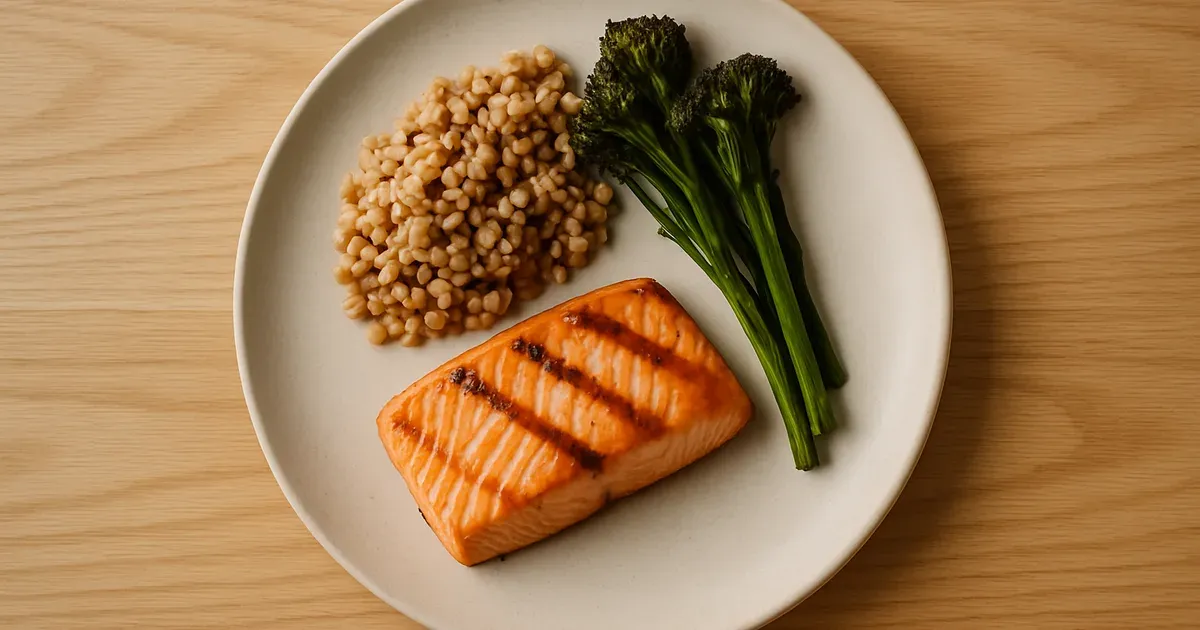
Hundreds of diets, supplements, and devices have been marketed to people seeking to lose weight. The multi-factorial nature of obesity is part of why no single solution dominates. Permanent, effective strategies require addressing behavior and environment — not just cutting calories for a set number of weeks.
The Maintenance Problem: Why Keeping Weight Off Is Harder Than Losing It
Losing weight and keeping it off are two different challenges, and most weight-loss programs focus almost entirely on the first. The risk of regaining lost weight is high — and failure to account for maintenance is one of the main reasons long-term success rates remain so low.
Continued follow-up after weight loss is associated with meaningfully better outcomes when the activity plan is actively monitored and adjusted. One study found that people who maintained weight loss were more likely to have developed sustainable, habitual behaviors rather than relying on periodic interventions. Maintenance requires a permanent lifestyle shift, not a temporary program.
Mental preparation for the level of ongoing activity needed to sustain weight loss should begin during the weight-loss phase itself — not after. Building that expectation early reduces the psychological shock of the effort required once a goal weight is reached.
What Successful Maintainers Have in Common
Research on long-term weight maintenance points to several consistent behaviors:
- High levels of ongoing physical activity — typically well above the minimum recommended for general health
- Consistent dietary monitoring — not necessarily strict dieting, but maintained awareness of intake
- Regular self-weighing — catching small regains early before they compound
- Follow-up contact with health or fitness professionals — accountability and plan adjustment over time
These behaviors are not dramatic. They are consistent. That distinction matters enormously when communicating what weight maintenance actually requires.

Prevention: The Most Undervalued Strategy
The most effective weight management strategy is preventing excess weight gain in the first place. Once significant fat accumulates, the physiological, behavioral, and environmental forces working against loss are substantial. Prevention removes that burden entirely.
From the earliest opportunity — whether entering a fitness program, starting a new job, or making a deliberate lifestyle shift — understanding the fundamental causes of weight gain and establishing habits that prevent it is more powerful than any subsequent intervention. The military context cited in the underlying research makes this point sharply: when individuals meet body composition standards at entry, the primary goal should shift immediately to maintaining that status, not reactively managing creeping weight gain.
Environments that support regular physical activity and accessible healthy food options reduce the behavioral friction that leads to excess intake and sedentary patterns. Policy-level and environmental changes — not just individual willpower — are a legitimate part of a comprehensive prevention approach.
The Bottom Line
Effective weight management strategies share a common structure: they combine sustained physical activity with dietary change, address both weight loss and maintenance as distinct challenges, and account for the behavioral and environmental factors that make long-term success difficult.
Exercise alone is rarely enough. Diet alone is rarely enough. The combination, maintained consistently over time, with ongoing monitoring and adjustment, is where durable results emerge. The odds of long-term success improve dramatically when the effort begins before significant weight is gained — and when the expectation of ongoing effort is built in from the start, not treated as a temporary inconvenience.