What Causes Bloating in the Stomach?
Discover the main causes of bloating in the stomach — from excess gas and digestive build-up to hormones and serious conditions. Know when to seek help.

That tight, distended feeling after a meal — or sometimes for no obvious reason at all — is one of the most common digestive complaints people experience. Bloating can range from mildly uncomfortable to genuinely disruptive, and the causes of bloating in the stomach are more varied than most people realise. Understanding what's actually driving it is the first step toward lasting relief.
This article breaks down every major cause, from excess intestinal gas and digestive back-up to hormonal shifts and rarer medical conditions, so you can connect your symptoms to their most likely source.
Excess Intestinal Gas: The Most Common Culprit
Gas is a normal byproduct of digestion, but when too much builds up in your intestines, something in the digestive process has gone wrong. Swallowed air and carbonated drinks contribute to gas, but most of it is released through belching before it ever reaches the intestines.
The real source of intestinal gas is fermentation — the process by which gut bacteria break down carbohydrates that weren't fully absorbed higher up in the digestive tract. When too many undigested carbohydrates reach those bacteria, fermentation goes into overdrive and gas accumulates.
Several underlying issues can cause this:
- Carbohydrate malabsorption. Many people struggle to digest specific sugars — lactose from dairy, fructose from fruit, and the complex carbs found in wheat and beans are the most common offenders. The undigested carbs travel to the colon, where bacteria ferment them and produce gas. A dietitian or GI specialist can help identify your personal triggers.
- Small intestinal bacterial overgrowth (SIBO). This occurs when bacteria from the colon migrate into the small intestine. The imbalance disrupts the normal ecosystem — some bacteria neutralise the gas produced by others, but SIBO throws that balance off, leading to excessive gas production and bloating.
- Functional digestive disorders. IBS (irritable bowel syndrome) and functional dyspepsia are diagnosed when digestion struggles for no clearly identifiable structural reason. Gas and bloating after eating are hallmark symptoms. Watch for accompanying signs like diarrhoea, constipation, nausea, or unintentional weight loss, which may signal something requiring further investigation.
- Visceral hypersensitivity. Some people experience intense bloating even when their actual gas volume is completely normal. The gut-to-brain neural pathways are hypersensitive, making normal amounts of gas feel unbearable. A related condition — abdominophrenic dyssynergia — causes abdominal muscles to physically relax and protrude outward in response to gas, creating visible bloating even without excess volume.
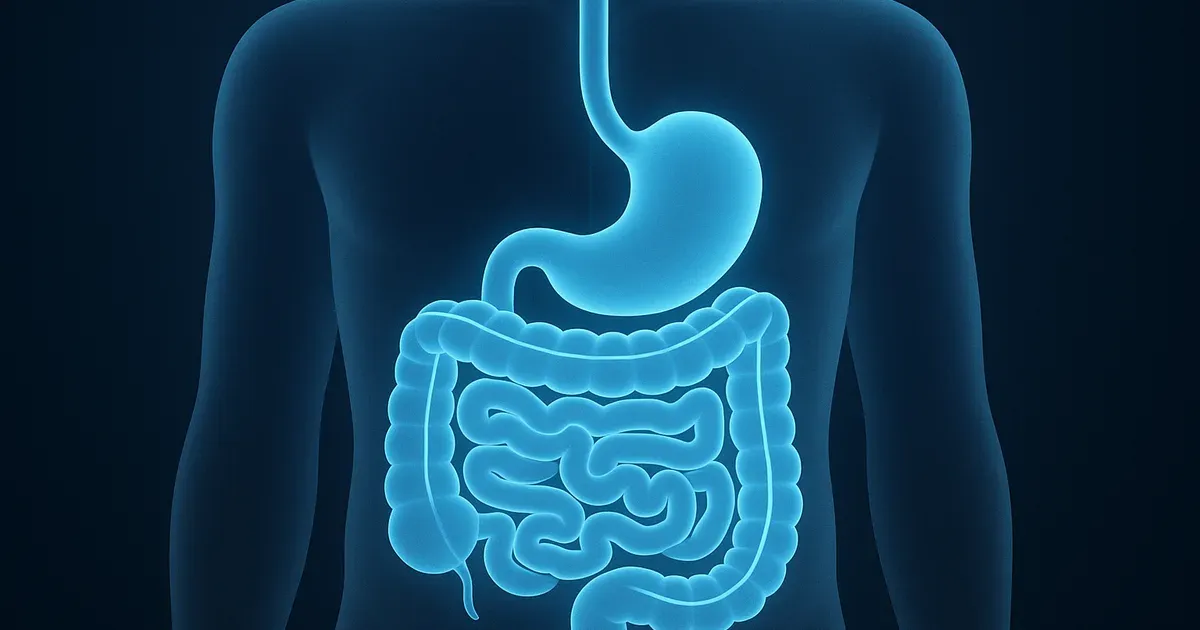
Build-Up of Digestive Contents
Bloating isn't always about gas. Solid and liquid digestive contents can accumulate in your digestive tract when movement slows, stops, or is physically restricted. This build-up leaves less room in the abdominal cavity for normal digestive processes, making everything feel tighter and more distended.
Key causes include:
- Constipation. Backed-up stool in the colon forces food higher up in the digestive tract to wait longer before it can move forward. Everything expands to accommodate the extra volume. Constipation can be occasional — triggered by diet or dehydration — or chronic, stemming from an underlying condition.
- Bowel obstructions. More serious than constipation, physical obstructions can block either the large or small intestine. Tumours, scar tissue, strictures, hernias, and inflammatory diseases like Crohn's disease or diverticulosis can all narrow or block the passage of digestive contents. This type of bloating is often severe and accompanied by other symptoms requiring urgent medical attention.
- Motility disorders. These are conditions affecting the muscles and nerves that move food through the digestive tract. Gastroparesis (partial paralysis of the stomach muscles), intestinal pseudo-obstruction, and pelvic floor dysfunction all slow or disrupt the normal movement of digestive contents, leading to chronic bloating and discomfort.
- Recent weight gain. Weight gained over the past year or so often settles in the abdominal area first, physically reducing the space available for digestion. Even a normal-sized meal can cause significant bloating when there's less room to work with. Water retention associated with weight gain adds another layer of that full, heavy feeling.
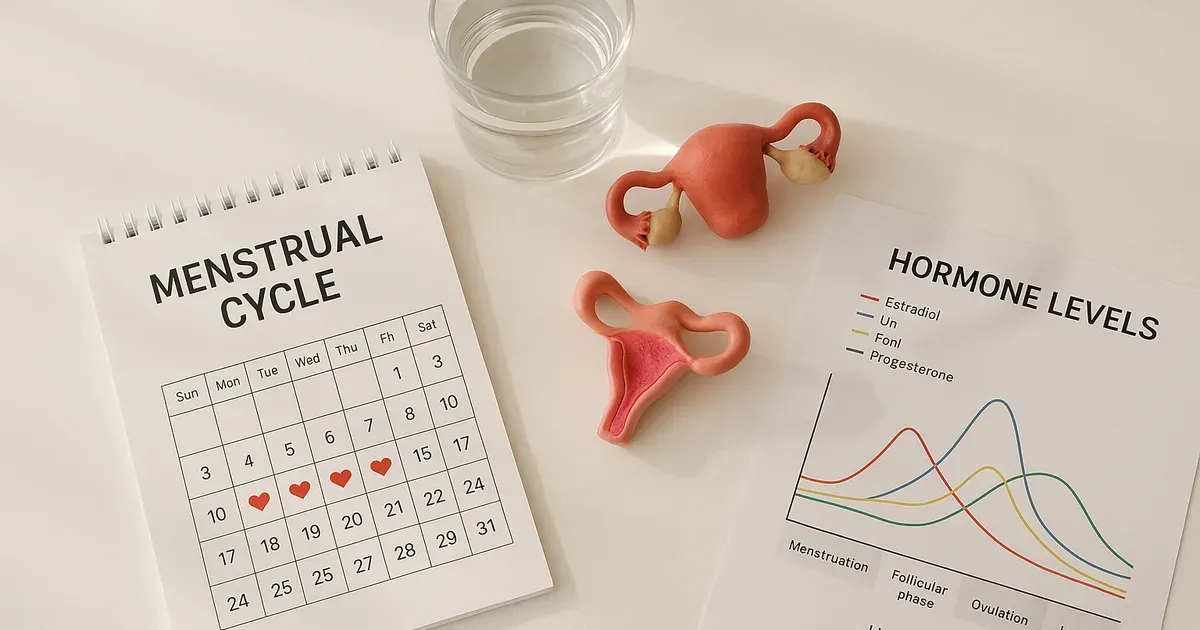
Hormones and the Bloating–Menstrual Cycle Connection
Up to three in four women report abdominal bloating before or during their menstrual period — and it's not just in their heads. Female hormones influence bloating through multiple pathways simultaneously, affecting fluid retention, gas production, and even how sensitive you are to both.
Estrogen causes water retention. When estrogen spikes and progesterone drops — as happens in the days before menstruation — fluid accumulates in the body, contributing directly to that bloated feeling. At the same time, the uterus increases in volume just before a period, physically reducing available abdominal space.
Beyond fluid, estrogen and progesterone both interact with the digestive system. They can speed up or slow down intestinal motility depending on their levels, altering how gas moves through the gut. Estrogen receptors in the GI tract also modulate visceral sensitivity — affecting how intensely you perceive bloating, even at normal gas volumes. Perimenopause, with its irregular hormone fluctuations, is another common trigger for persistent or worsening bloating in women.
Less Common but Serious Causes of Stomach Bloating
Bloating that comes and goes is usually digestive or hormonal. But persistent, worsening bloating — especially alongside symptoms like fever, vomiting, significant unintentional weight loss, or visible abdominal swelling that doesn't resolve — warrants medical evaluation. Several serious conditions can present with stomach bloating as a primary symptom.
- Ascites. A gradual accumulation of fluid inside the abdominal cavity, ascites typically signals liver disease, though kidney failure or heart failure can also be responsible. The abdomen becomes visibly distended and the bloating does not fluctuate with meals or the menstrual cycle.
- Pancreatic insufficiency. When the pancreas can no longer produce sufficient digestive enzymes, food isn't properly broken down. This leads to malabsorption, excess fermentation, and significant bloating, often accompanied by fatty or foul-smelling stools.
- Gastritis or enteritis. Inflammation of the stomach (gastritis) or intestines (enteritis) — commonly caused by H. pylori bacterial infection or heavy alcohol use — can produce chronic bloating, pain, and nausea. Peptic ulcers may also be a contributing factor.
- Cancer. Ovarian, uterine, colon, pancreatic, stomach, and mesenteric cancers can all cause bloating as an early or progressing symptom. This is particularly relevant for persistent bloating with no obvious dietary or hormonal explanation. Annual check-ups with your primary care physician are important for early screening.

When to See a Doctor About Bloating
Most bloating resolves on its own and is linked to diet, digestion, or hormonal changes. However, certain symptoms alongside bloating should prompt a visit to your doctor without delay:
- Bloating that persists for more than a few weeks without improvement
- Severe or rapidly worsening abdominal distension
- Fever, vomiting, or rectal bleeding
- Unexplained weight loss or loss of appetite
- Anaemia or persistent fatigue
- A visible, hard, or tender abdominal mass
These are potential red flags for conditions that go beyond functional digestive issues and require proper diagnosis and treatment.
The Bottom Line
The causes of bloating in the stomach span a wide spectrum — from the everyday (eating too fast, hormonal fluctuations, a sensitivity to certain carbs) to the medically significant (bowel obstructions, ascites, cancer). Most cases are benign and manageable with dietary adjustments, lifestyle changes, or targeted treatment for underlying conditions like IBS or SIBO.
Paying attention to patterns — when your bloating occurs, what you've eaten, where you are in your menstrual cycle, and what other symptoms accompany it — is the most useful first step. If your bloating is persistent, severe, or comes with alarm symptoms, don't dismiss it. Your gut is communicating something worth listening to.