Why Is Junk Food So Addictive? 10 Ways to Stop
Junk food is engineered to be addictive — but 10 science-backed strategies can help you break the cycle and reclaim control of your diet.


It's 3 p.m., your energy is tanking, and something salty or sweet is calling your name. You're not weak — you're wired. Food manufacturers spend millions engineering products to hit what researchers call the "bliss point": the precise combination of salt, sugar, and fat that triggers maximum pleasure in the brain. That neurological response is strikingly similar to what cocaine produces. The good news? Once you understand why junk food is so addictive, you can start dismantling the cycle — one meal at a time.

Why Your Brain Treats Junk Food Like a Drug
The food industry doesn't stumble onto addictive products — it designs them. Product developers deliberately tune flavour profiles until they hit that bliss point, where no single taste overwhelms and every bite invites another. Your brain rewards you with dopamine, reinforcing the behaviour and making cravings feel urgent and automatic.
This is also why willpower alone rarely works. The neurochemical loop that junk food triggers is the same loop behind other compulsive behaviours. The more frequently you eat these foods, the stronger the loop becomes, narrowing your palate and dulling your desire for anything less stimulating.
Understanding the mechanism is the first step to escaping it. The ten strategies below work with your biology, not against it — gradually reshaping your habits, your palate, and your brain's reward system.
1. Plan Your Meals Before Hunger Strikes
Preparation is the single most effective weapon against junk food addiction. When a healthy meal is already packed and waiting, you sidestep what researchers call "food cue reactivity" — your brain's susceptibility to the smell of a bakery, a fast-food ad, or the box of doughnuts someone left in the break room.
Set aside time on Sunday to plan the week's meals. Batch-cook staples like brown rice, roasted vegetables, and beans. Pack serving-sized containers you can grab on your way out the door.
Keep portable fruit — apples, bananas, oranges — on your desk. They require no prep, travel well, and give you a ready answer the next time cravings knock at 3 p.m.
2. Shop the Perimeter of the Grocery Store
The outer aisles of most supermarkets hold the real food. Produce, dairy, meat, and fish live on the perimeter; the centre aisles are where ultra-processed products multiply. A simple rule: if an item has more ingredients than you can pronounce, leave it on the shelf.
Transitioning to whole foods takes a few weeks, but your palate adapts faster than you'd expect. Fresh vegetables, fruits, grains, and quality proteins supply the nutrients your body actually needs — and once those needs are met, the pull of manufactured flavours begins to fade.
Eventually, heavily processed food stops tasting good. That's not a myth — it's what happens when your taste receptors recalibrate to real food.
3. Add Healthy Fats to Every Day
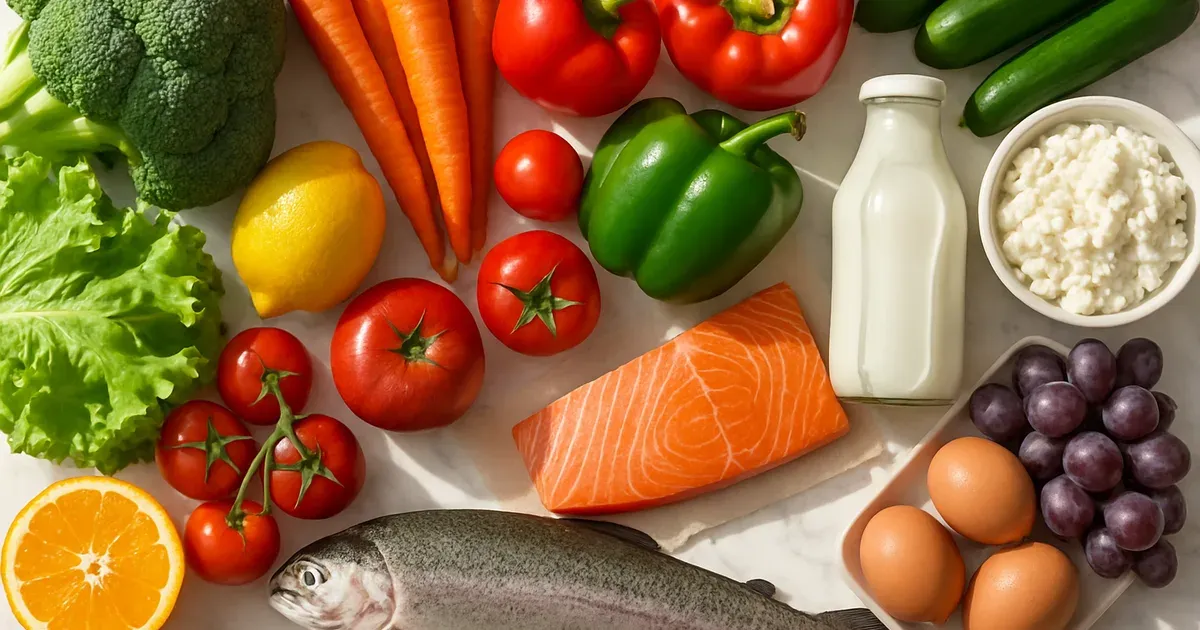
Fat does not make you fat — the type of fat matters enormously. Trans fats and excess saturated fats are worth limiting, but heart-healthy fats from nuts, avocados, olive oil, and fatty fish like salmon are powerful satiety tools. They slow digestion, stabilise blood sugar, and reduce the urgency of cravings.
Try a handful of mixed nuts as an afternoon snack, swap bottled dressing for olive oil and vinegar, or add a scoop of guacamole to lunch. Small additions compound quickly.
Healthy fats also support the gut-brain axis — the communication network between your digestive system and your brain that influences mood, appetite, and impulse control.
4. Prioritise Protein at Every Meal
Protein is the most satiating macronutrient. It keeps you fuller for longer than carbohydrates and suppresses the hunger signals that make junk food hard to resist. Build meals around fish, beans, legumes, nuts, and vegetables, and you create a biochemical environment where the urge to snack impulsively simply has less room to grow.
This isn't about extreme dieting — it's about strategic fullness. A protein-rich breakfast, for example, significantly reduces afternoon appetite compared to a carb-heavy one.
5. Replace Manufactured Sugar with Fruit
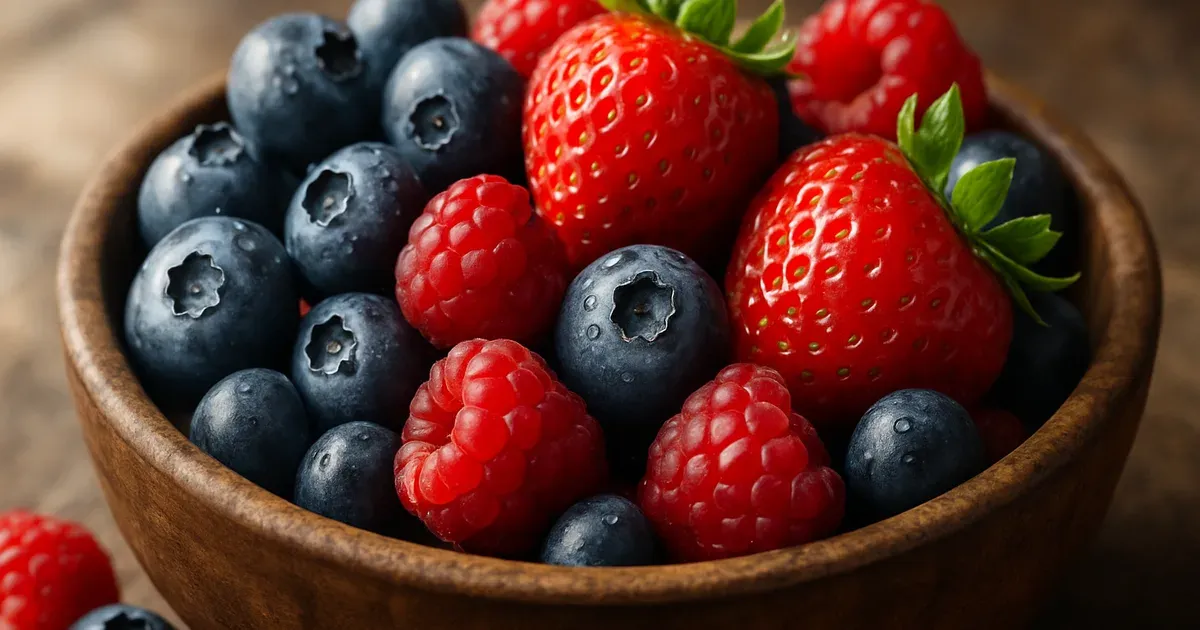
Fruit contains sugar, but it also carries fibre, water, vitamins, and antioxidants. The fibre slows glucose absorption, preventing the blood sugar spike-and-crash that leaves you reaching for more sweet food twenty minutes later.
Once you reduce your intake of refined sugar, your sensitivity to natural sweetness increases noticeably. A bowl of berries or a slice of watermelon starts to taste genuinely indulgent — not like a consolation prize.
This recalibration typically takes two to three weeks of consistently choosing fruit over processed sweets.
6. Diversify Your Diet Intentionally
One underappreciated driver of junk food reliance is boredom. When your meals are repetitive, novelty-seeking behaviour pushes you toward the most stimulating option available — usually something processed. Deliberately introducing new foods breaks that pattern.
Add a new green to your salad this week (mustard greens have a pleasant peppery bite). Try a type of fish you've never cooked. Swap standard potatoes for purple ones. Eating a wide variety of colours isn't just more interesting — research links dietary diversity to better disease prevention and overall metabolic health.
Variety also feeds the gut microbiome, which increasingly shows links to mood regulation and appetite control.
7. Reframe How You Think About Junk Food
Your mind is a powerful ally if you use it deliberately. A 2013 study found that participants who were trained to view a craved food negatively — imagining they were already stuffed, picturing the food being sneezed on, or recalling the stomachache it caused last time — reported measurably less desire for it.
This isn't about shame or restriction. It's a cognitive reframe: choosing to associate the food with its actual aftermath rather than its engineered appeal. Pair this with focusing on the genuine pleasure of healthy eating rather than the loss of junk food, and the mental shift accelerates.
Research in the journal Nutrients confirms that a positive, additive mindset — "what can I add that's good?" — outperforms a deprivation mindset every time.
8. Address the Emotional Component
There is almost always an emotional thread woven through junk food habits. Stress, boredom, procrastination, and unprocessed feelings reliably push people toward Cheetos and leftover cookies. Recognising this pattern is not self-criticism — it's useful data.
When you feel an impulsive urge to eat, pause and ask: am I actually hungry, or am I avoiding something? Common healthy redirects include a short walk, five minutes of deep breathing, journalling, or a quick call to someone you trust.
If stress feels persistent or overwhelming, speaking to a doctor or mental health professional is a practical step, not a last resort. They can suggest evidence-based coping strategies that don't involve food.

9. Protect Your Sleep
Sleep deprivation is a hidden accelerant of junk food addiction. A study published in Sleep found that restricting sleep increased hunger and significantly reduced people's ability to resist "palatable snacks" — a polite term for ultra-processed food. The mechanism involves hormonal disruption: less sleep raises ghrelin (hunger hormone) and lowers leptin (satiety hormone).
Aiming for a consistent bedtime and stopping eating two to three hours before sleep can make a meaningful difference. A full stomach disrupts sleep quality, which then feeds the next day's cravings.
Small, consistent sleep improvements compound rapidly into noticeably better appetite regulation within one to two weeks.
10. Keep Adding Good Food — Not Just Removing Bad
The most sustainable approach to breaking junk food addiction is an additive one. Every healthy food you add makes it slightly harder for processed food to dominate your diet. Over time, the ratio shifts without you having to white-knuckle a restriction.
Focus on crowding out rather than cutting out. More vegetables, more whole grains, more quality protein, more fruit — these additions naturally reduce the space and appetite for junk.
The cycle of junk food addiction is real, but it is not permanent. Your brain adapts to what you consistently feed it. Choose differently, consistently, and the craving landscape genuinely changes.
The Bottom Line
Junk food is engineered to be addictive — and your brain's response to it is a feature of clever food science, not a personal failing. The bliss point is deliberately calibrated to keep you coming back. But the same neuroplasticity that locks you into unhealthy patterns can unlock you from them.
Start with one or two of the strategies above rather than overhauling everything at once. Plan a week of meals. Swap one processed snack for fruit or nuts. Go to bed thirty minutes earlier. Small shifts in behaviour create real changes in brain chemistry — and those changes make the next step easier.
Breaking the cycle doesn't require perfection. It requires consistency, self-compassion, and the understanding that every better choice is, quite literally, rewiring your brain.