Why Your Brain Fights Weight Loss
Your brain actively resists weight loss via the habenula and hunger hormones. Learn why — and how to work with your biology instead of against it.

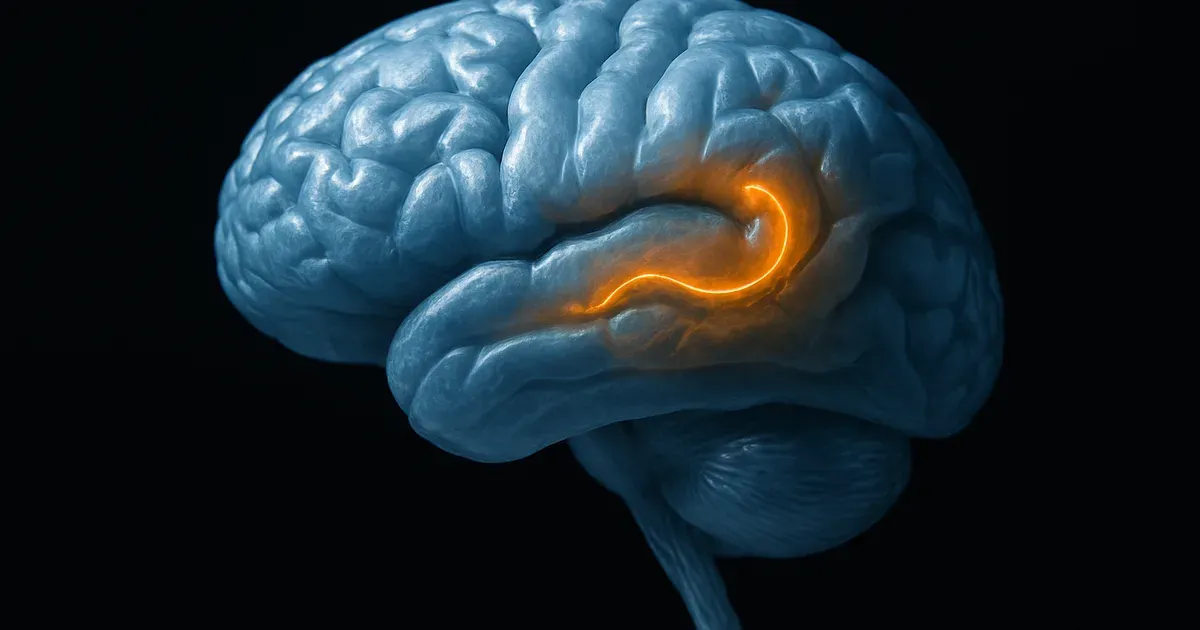
You have been eating clean for a week. No slip-ups, no cheating. Then, almost without warning, you are standing in front of the fridge finishing off last night's dessert. You feel like you failed. But what if your brain was the one that pulled the trigger — not your willpower?
The reason your brain fights weight loss is rooted in neuroscience, not weakness. Understanding the brain circuits and hormones working against your diet is the first step toward outsmarting them.
The Reward and Anti-Reward Pathways Explained
Most people know about the brain's reward pathway — the circuit that gets activated when something feels good and makes you want to repeat that behavior. It is why a square of chocolate or a cold soda can feel so compelling.
What far fewer people know is that an opposing system exists: the anti-reward pathway. This pathway does not push you toward pleasure — it puts a hard stop on behavior based on pain, anxiety, and disappointing past experiences.
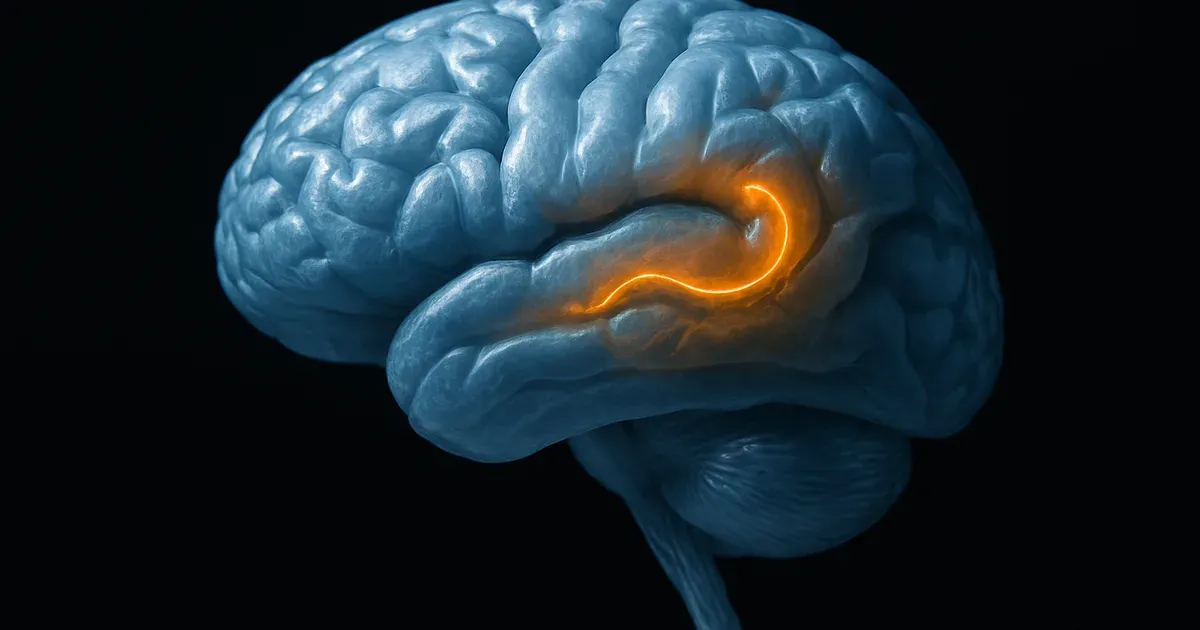
The brain structure responsible for this anti-reward pathway is the habenula. Its Latin name literally means "little rein," which is fitting — it holds the reins on your motivation and your mood. When the habenula activates, it suppresses dopamine, the neurotransmitter most associated with drive, pleasure, and reward.
Think of the habenula as both a rejection center and a kill switch. It is a major regulator of how your brain processes reward, pain, stress, and anxiety — all of which are directly relevant when you are trying to lose weight.
Your Body Has a Set Point — and It Defends It Aggressively
Your brain is not indifferent to your body weight — it is actively managing it. Every body operates around a "set point," a weight range your brain considers optimal for survival. Critically, this set point has nothing to do with how you want to look or what number you have in mind for the scale.
Two hormones are the main enforcers of this set point: ghrelin and leptin.
- Ghrelin is the hunger hormone. It rises when your stomach is empty and signals your brain that it is time to eat.
- Leptin is produced by fat cells and tells your brain that energy stores are sufficient.
When you restrict calories aggressively, leptin levels drop. Your brain reads this as a survival emergency. It then provokes you to eat more, slows your metabolism, and triggers the anti-reward pathway — making dieting feel genuinely painful rather than simply difficult.

How the Habenula Sabotages Your Diet
Dieting is interpreted as a threat by your nervous system, not a healthy choice. Prolonged calorie restriction and the suppression of hunger cues send stress signals to the brain. Those signals activate stress hormones that are paradoxically associated with weight gain, making severe dieting counterproductive at a biological level.
Here is how the cycle typically plays out:
- You start a restrictive diet and suppress hunger cues.
- Stress hormones spike. Leptin drops.
- The habenula registers the experience as unrewarding and painful based on prior patterns.
- Your brain triggers a behavior change — often a binge — to restore balance.
- Guilt follows, which adds more stress, further activating the habenula.
The lateral habenula becomes especially active when expected rewards do not arrive. If you have been dieting for weeks and the scale has not moved, the lateral habenula ramps up its activity — shutting down positive feelings and motivation even further. Your brain is not being cruel. It genuinely believes it is protecting you.
Why Restrictive Diets Backfire Neurologically
Setting an extreme weight-loss goal creates a double trigger for the habenula. First, the brain senses the caloric restriction as a threat to survival. Second, when the dramatic results you expected do not materialize, the brain registers the absence of reward — and the lateral habenula fires in response.
This is why crash diets have such a high failure rate — not because people lack discipline, but because the brain has been neurologically programmed to shut the attempt down. The more unrealistic the goal and the more severe the restriction, the stronger the habenula's response.
A prolonged absence of weight change is particularly damaging to motivation. Research into habenula function suggests that repeated reward failures cause the lateral habenula to become chronically overactive, leading to states that closely resemble depression and learned helplessness.

How to Work With Your Brain, Not Against It
The brain is a strict ruler, but it can be approached with strategy. The goal is not to overpower the habenula — it is to avoid activating it in the first place. That means making changes small enough that the brain does not register them as a threat, and rewarding enough that dopamine keeps flowing.
Here are evidence-aligned approaches that support sustainable weight loss without triggering the anti-reward pathway:
Start Smaller Than You Think You Need To
Tiny, consistent behavioral changes signal safety to the brain. Rather than overhauling your entire diet overnight, introduce one manageable habit at a time — a short walk after dinner, swapping one processed snack for a whole food option. These micro-wins generate dopamine without signaling deprivation.
Prioritise Sleep and Stress Management
Poor sleep directly disrupts leptin and ghrelin, pushing hunger levels up and making your set point harder to lower. Chronic stress keeps cortisol elevated, which promotes fat storage and amplifies the habenula's activity. Addressing sleep and stress is not peripheral to weight loss — it is central to it.
Move Your Body in Ways That Feel Good
Exercise is one of the most reliable ways to stimulate the reward pathway while simultaneously supporting fat metabolism. It does not need to be intense to be effective. Consistent, enjoyable physical activity sends positive cues to the brain and gradually helps shift the body's set point downward over time.
Focus on a Mind Plan, Not Just a Meal Plan
The source of most diet failure is neurological, not nutritional. Building psychological safety around food — removing guilt, reducing all-or-nothing thinking, and reframing setbacks as data rather than failures — reduces habenula activation. A calm, self-compassionate mindset keeps dopamine steadier and motivation more durable.

Let Go of the Number
Fixating on a specific target weight sets up the lateral habenula for repeated triggering. When that number is not reached on schedule, the brain experiences a reward failure. Shifting focus to health behaviors — how you feel, how you sleep, how your energy holds up — keeps the reward pathway engaged without the constant risk of perceived failure.
The Bottom Line
Your brain fights weight loss because it is doing exactly what it was designed to do — protect your body from what it perceives as famine and stress. The habenula, hunger hormones, and your body's set point are not your enemies. They are ancient survival systems that have not caught up with modern goals.
Understanding why the brain resists dieting changes the entire strategy. Severe restriction, unrealistic targets, and guilt-laden cycles are not just emotionally exhausting — they are neurologically counterproductive. They hand the habenula exactly the ammunition it needs to shut motivation down.
Work with your biology instead. Small, sustainable habits. Genuine stress reduction. Quality sleep. Joyful movement. A mind plan that supports your meal plan. These are not soft compromises — they are the approaches most likely to lower your set point over time, keep dopamine flowing, and give your brain a reason to stop pulling against you.