7 Worst Foods Destroying Your Gut Health
Discover 7 gut health foods to avoid — from fried fats to fizzy drinks — and simple swaps to ease IBS, heartburn, and constipation.


Bloating after every meal. Heartburn that keeps you up at night. Bathroom trips you cannot predict. If any of this sounds familiar, your diet could be the culprit. The gut is one of the most sensitive systems in your body, and the wrong foods can throw it into chaos fast. What you put on your plate today directly shapes how your digestive system performs tomorrow.
According to NHS dietary guidelines, most people in the UK fall well short of the recommended 30g of daily fiber intake — and that gap alone is responsible for a significant share of constipation, bloating, and IBS flare-ups across the population.

1. Greasy Fried Foods That Overload Your Digestive System
Fatty, fried foods are among the biggest offenders for gut health foods gone wrong. Chips, burgers, and deep-fried anything take far longer to digest than lean proteins or vegetables, placing an outsized burden on your stomach. The high fat content slows gastric emptying, which creates the perfect conditions for heartburn and stomach pain. Swap fried options for grilled lean meat or fish, and choose skimmed or semi-skimmed milk to lighten your gut's daily workload.
2. Caffeine-Loaded Drinks That Spike Stomach Acid
Coffee, cola, and strong tea do more damage to your gut than most people realise. Caffeine directly boosts acid production in the stomach, and even moderate intake can trigger heartburn in sensitive individuals. The effect is compounded when these drinks are consumed on an empty stomach or late in the day. If you cannot cut caffeine entirely, cap your intake at one or two cups daily and replace additional drinks with herbal teas, plain water, or milk.
3. Fizzy Drinks That Bloat and Burn
Carbonated drinks are a double threat to your digestive comfort. The bubbles introduce excess gas into the gut, leading to uncomfortable bloating that can escalate into heartburn. Many fizzy drinks also contain caffeine and high levels of acid — citric or phosphoric — making them one of the worst choices for anyone already managing reflux or IBS. Still water and non-caffeinated herbal teas are the simplest and most effective replacements for your digestive system.
4. Spicy and Acidic Foods That Ignite Heartburn
You do not need a chilli-laden curry to upset your gut — even everyday flavourings can be the trigger. Garlic, onions, tomatoes, citrus fruits, and salad dressings all carry enough acidity or pungency to provoke heartburn and stomach pain in susceptible people. If you already live with heartburn or irritable bowel syndrome, these foods are best avoided altogether rather than simply reduced. Keep a food diary for two weeks to identify exactly which acidic or spicy items correlate with your worst symptom days.

Gut Check: Research consistently shows that identifying and eliminating personal dietary triggers — tracked through a simple food diary — can reduce IBS symptom frequency by up to 50% in some patients.
5. Dairy Products When You Are Lactose Intolerant
Lactose intolerance is far more common than most people acknowledge, and dairy is quietly wrecking many people's gut health. When the body cannot digest lactose — the natural sugar found in milk — the result is wind, bloating, and diarrhoea that can occur within hours of eating cream, cheese, yoghurt, chocolate, or drinking milk. The key is not to assume you are intolerant without testing the theory methodically. Eliminate dairy for two to three weeks, monitor your symptoms carefully, and reintroduce it slowly to confirm whether it is genuinely a trigger for you.
6. Wheat and Grain Products That Trigger IBS Symptoms
For a notable subset of people, wheat and certain cereal grains are a hidden driver of bloating and irritable bowel syndrome. While whole grains are widely recommended as good gut health foods because of their fiber content, they can provoke significant discomfort in those with grain sensitivities or IBS. This does not mean abandoning fiber altogether — fruit and vegetables can deliver the same digestive benefits without the grain-related side effects. If cereals consistently leave you bloated or cramping, shifting your fiber sources to plant-based whole foods is a practical, evidence-aligned adjustment.
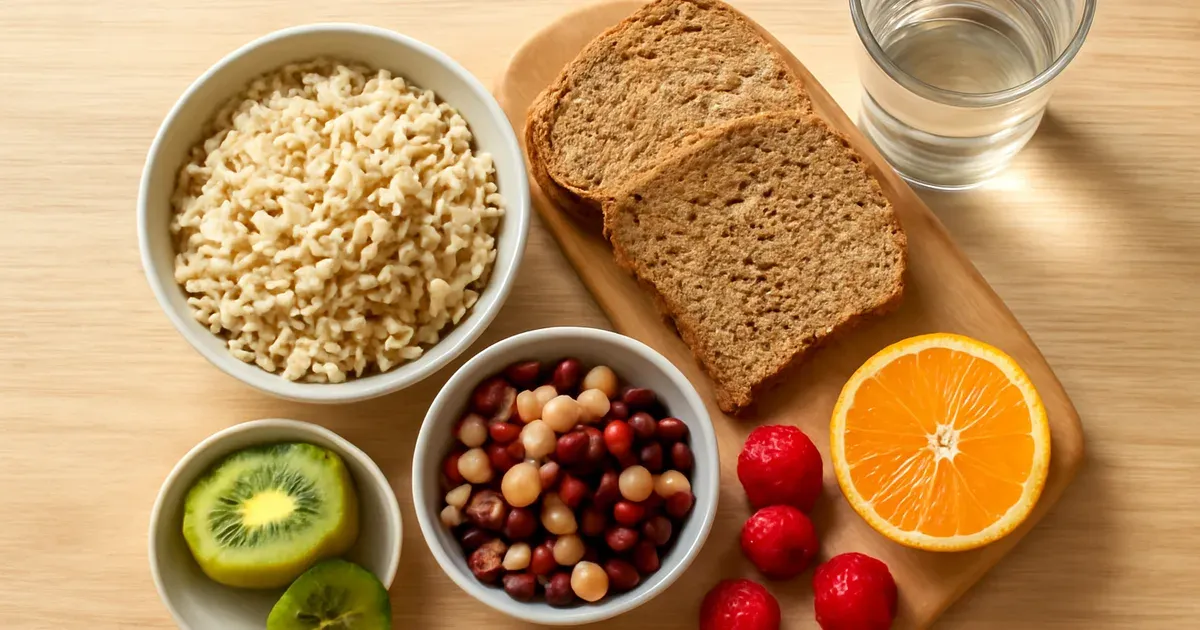
7. Low-Fibre, Processed Foods That Starve Your Gut
A diet built on ultra-processed, low-fibre foods is one of the most reliable ways to develop chronic constipation and a sluggish gut. Fibre acts like a sponge in the digestive tract, absorbing water and keeping waste moving efficiently through the bowel. Without adequate fibre from sources like wholemeal bread, brown rice, oats, beans, and fresh produce, that process stalls — and no amount of water can fully compensate. Aim for the NHS-recommended 30g of fibre daily, drawing from a wide variety of sources to support a healthy, balanced gut microbiome. Adding a daily live yoghurt can also introduce beneficial probiotics — the "friendly bacteria" that evidence suggests may ease IBS symptoms over time.
Your gut sends signals every single day. Persistent heartburn, unpredictable bowel habits, and chronic bloating are not inconveniences to push through — they are your digestive system asking for a change. Cut back on the seven food and drink categories above, build your plate around high-fibre whole foods, stay well hydrated with water and herbal teas, and track your personal triggers in a food diary. Small, consistent dietary shifts produce lasting gut relief.
Frequently Asked Questions
What are the best foods to eat for good gut health?
The most gut-friendly foods are high in fibre and low in saturated fat. Wholemeal bread, brown rice, oats, beans, lentils, and a wide variety of fruit and vegetables all support healthy digestion. Probiotic-rich foods like live yoghurt can also help maintain a balanced gut microbiome. Aim for 30g of fibre daily and drink plenty of water alongside it.
How much water should I drink to help my digestion?
Hydration is essential for fibre to work properly in the digestive tract. Without enough fluid, fibre cannot soften waste or encourage its passage through the bowel — leading to constipation. A practical baseline is to drink a glass of water with every meal, and to prioritise still water and herbal teas over caffeinated or fizzy alternatives throughout the day.
Can probiotics really help with IBS and gut problems?
There is credible evidence that probiotics can ease IBS symptoms for some people, though the research is not conclusive across all gut conditions. Probiotics are available in live yoghurt and as supplements from health food shops. If you decide to try them, take them consistently every day for at least four weeks before judging their effect. Always consult a doctor first if you have an existing health condition or a compromised immune system.
How do I identify my personal food triggers for heartburn or IBS?
A food diary is the most reliable self-diagnostic tool available. Record everything you eat and drink alongside any digestive symptoms and their timing over a minimum of two weeks. Patterns around acidic foods, dairy, wheat, caffeine, or spicy ingredients will typically emerge clearly. Once identified, eliminate the suspected trigger for a defined period and monitor whether your symptoms improve.
Is it safe to cut out entire food groups to help my gut?
Eliminating a food group should always be approached carefully and, where possible, with professional guidance. Short-term elimination diets can be a useful diagnostic tool, but long-term avoidance of entire categories — such as dairy or grains — may affect your nutritional intake. If you suspect lactose intolerance, a wheat sensitivity, or a more complex condition like coeliac disease, speak to your GP or a registered dietitian before making permanent dietary changes.