9 Worst Habits Destroying Your Digestion Daily
Nine common habits — from low fiber intake to unmanaged stress — are silently wrecking your digestion. Here's what to fix for smoother digestion starting today.

Bloating after every meal. Heartburn that won't quit. Gas that ambushes you at the worst moments. If your gut feels like it's working against you, you're far from alone. Millions of people silently struggle with digestive discomfort they assume is just normal — it isn't. The good news is that smoother digestion is within reach, and most of the fixes start with habits you can change today. Don't wait for symptoms to become something more serious.
Research consistently shows that gut health is directly tied to overall wellbeing — one large review found that over 40% of people worldwide live with a functional gastrointestinal disorder, yet most never seek help or adjust their lifestyle.
1. Ignoring Plant Power on Your Plate
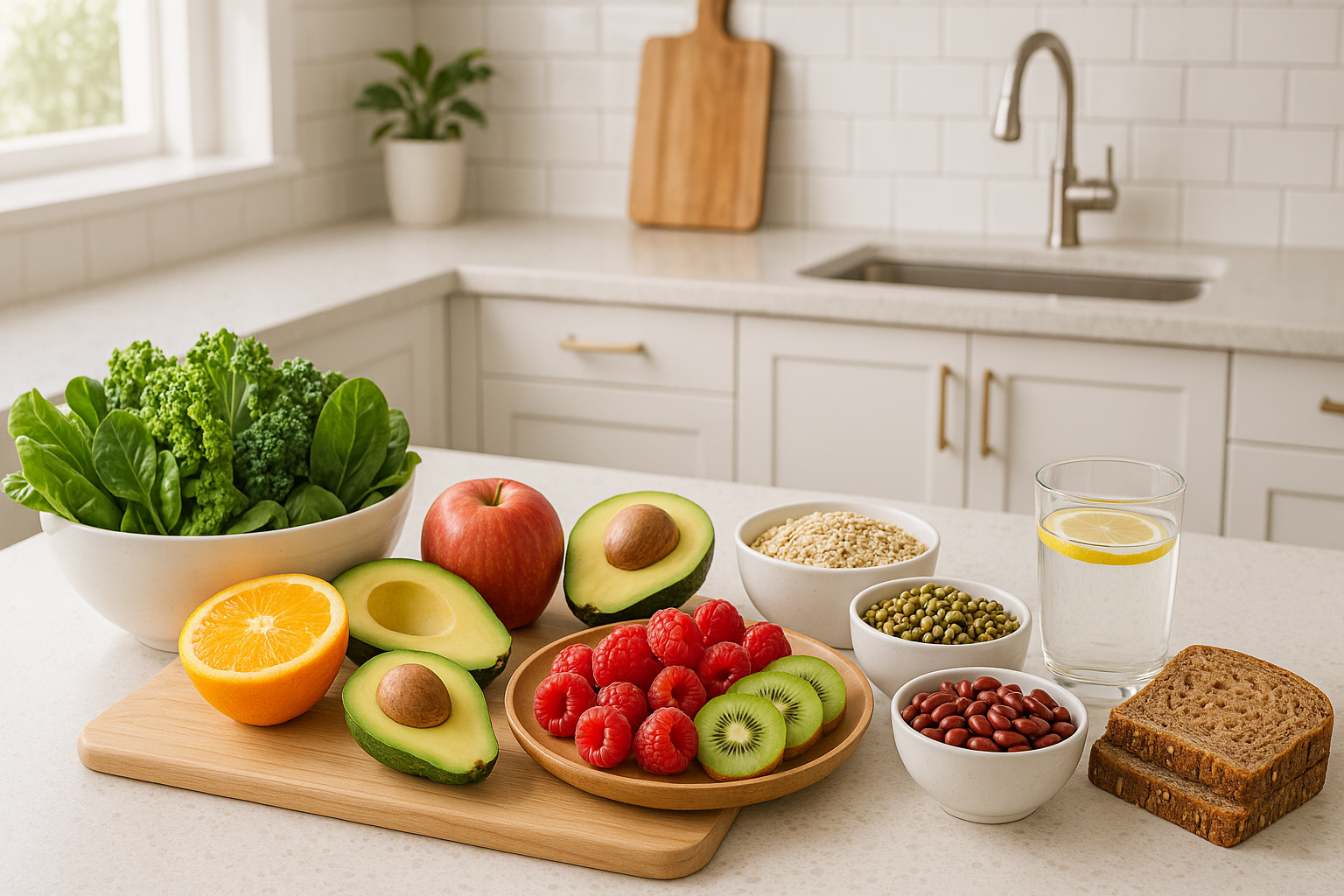
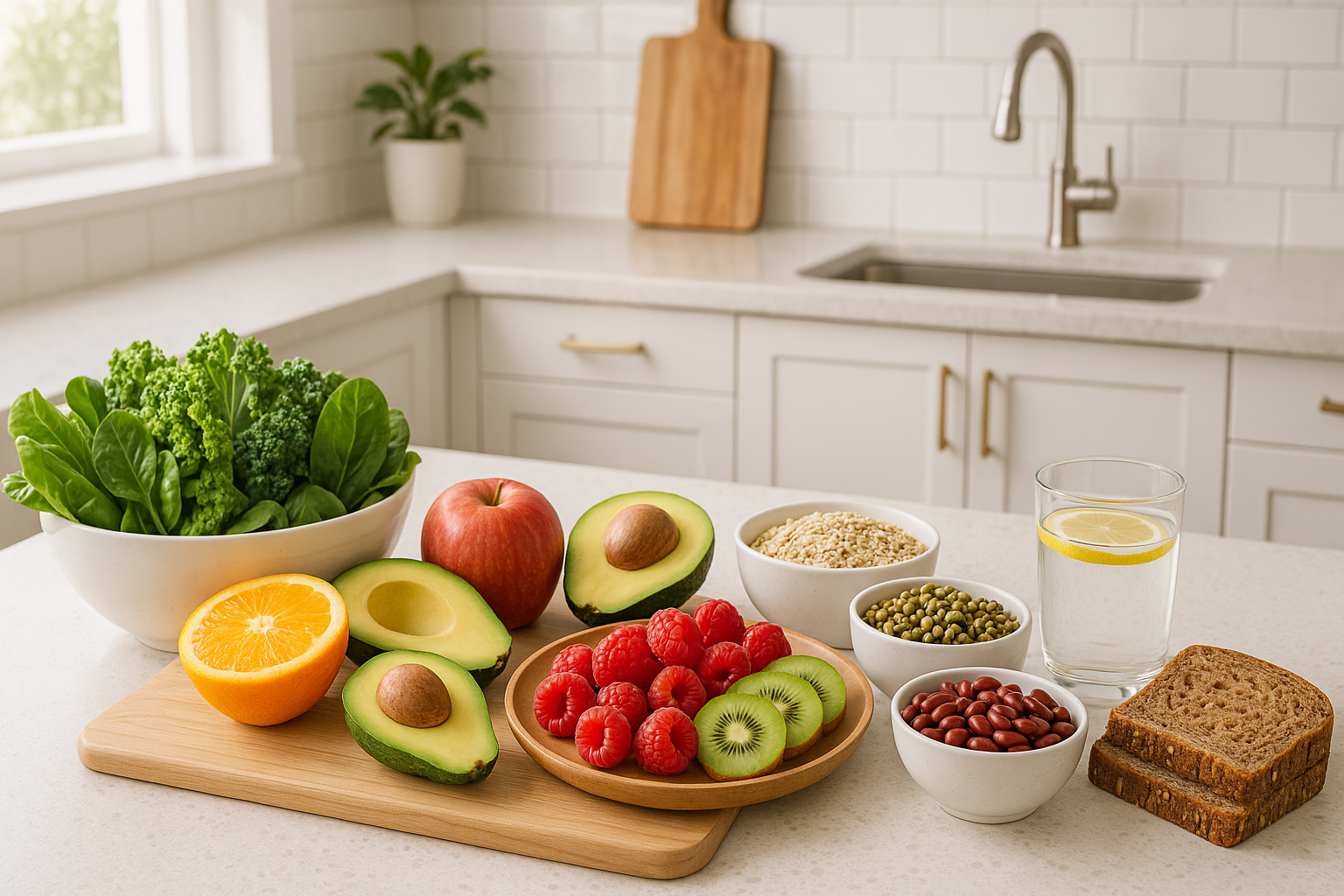
Skipping fiber-rich plant foods is one of the fastest ways to derail smoother digestion. Vegetables, fruits, whole grains, beans, lentils, and nuts all contain fiber that keeps you regular and feeds the beneficial bacteria in your gut. Without enough fiber, transit slows, stool hardens, and bloating sets in. Add one extra serving of vegetables or legumes per day this week, and increase your water intake alongside it — fiber absorbs water and needs it to do its job properly.
2. Eating Too Fast and Too Much
Wolfing down large meals overwhelms your digestive system before it even gets started. When you eat quickly, you swallow excess air, which leads directly to bloating and belching. Your stomach also needs time to signal fullness to your brain — rushing the process means you routinely overeat. Slow down, chew each bite thoroughly, and aim for smaller portions spread across the day rather than two or three enormous meals.
3. Staying Sedentary After Meals
A sedentary lifestyle slows the entire digestive process, and parking yourself on the sofa after eating makes it worse. Physical movement stimulates the muscles in your gastrointestinal tract, helping food move through more efficiently. Think of it like a Toyota on an open highway versus city gridlock — your gut needs momentum to keep things flowing. A brisk 15–20 minute walk after eating is one of the simplest, most evidence-backed strategies for smoother digestion.
4. Drinking the Wrong Fluids
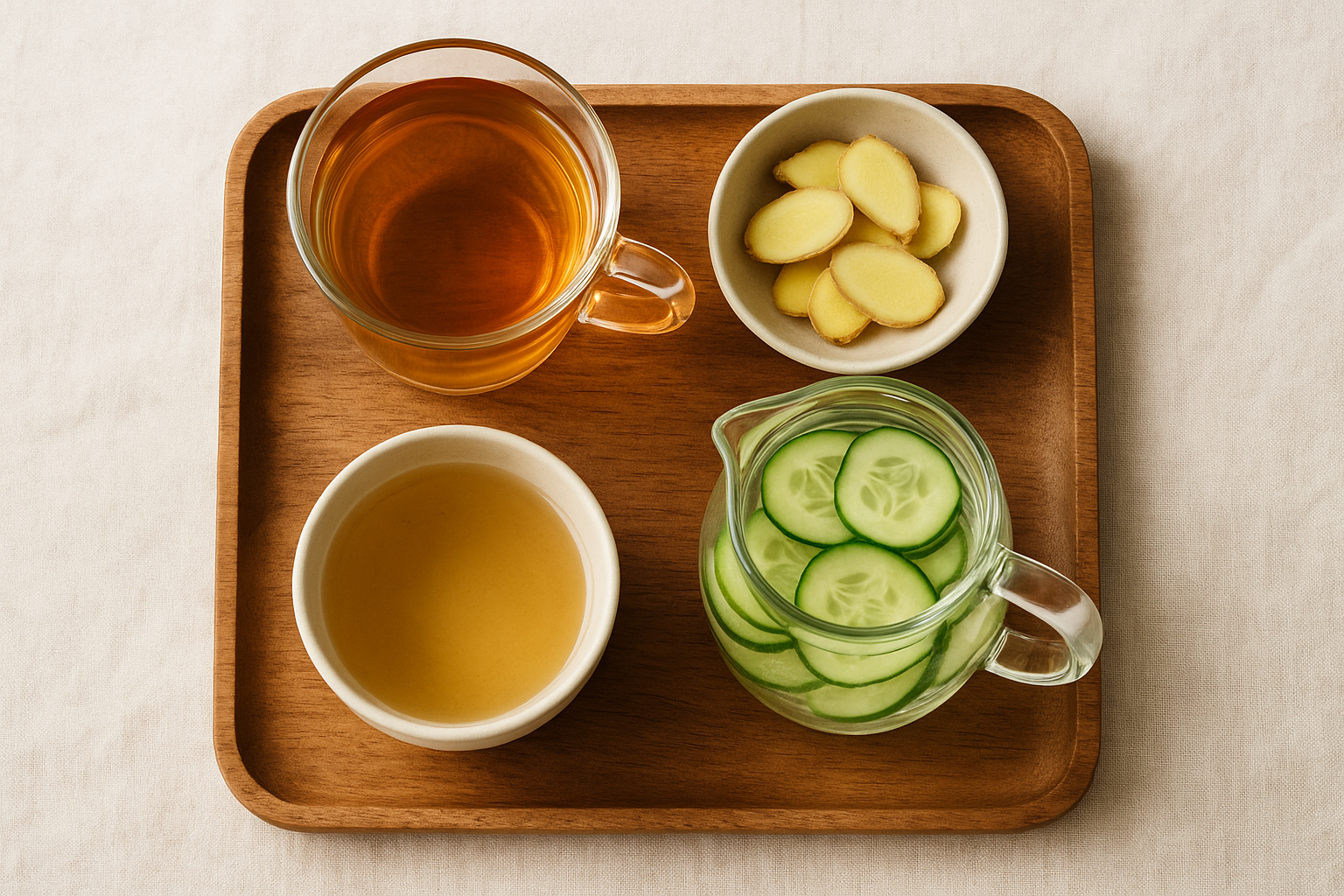
What you drink matters as much as what you eat when it comes to digestion. Alcohol dehydrates the gut lining and disrupts the balance of gut bacteria, while excessive caffeine can overstimulate the intestines and trigger cramping or diarrhea. Fizzy drinks increase stomach acid, which is a leading driver of heartburn. Swap one sugary or carbonated drink per day for water, herbal tea, or a light broth-based soup — your gut will notice the difference within days.
Quick Gut Fact: Studies suggest that psychological stress can alter gut motility and microbiome composition within hours — your brain and gut are in constant two-way communication via the gut-brain axis.
5. Skipping Probiotics and Fermented Foods
Your gut is home to trillions of bacteria, and neglecting the "good" ones is a silent digestion mistake. Probiotics — found naturally in yogurt, kefir, kimchi, sauerkraut, and kombucha — help maintain the microbial balance that keeps digestion smooth and immune defences strong. When that balance tips, bloating, irregularity, and inflammation follow. If fermented foods aren't a regular part of your diet, a high-quality probiotic supplement can help bridge the gap — look for strains like Lactobacillus acidophilus and Bifidobacterium longum.
6. Overloading on Fatty and Fried Foods
Fats linger in the digestive system longer than any other macronutrient, making fatty meals a guaranteed route to sluggish digestion. Chips, greasy burgers, and deep-fried anything force your gut to work overtime, often resulting in that heavy, burning sensation hours after eating. The fix isn't to eliminate fat entirely — your body needs healthy fats — but to choose lean proteins like fish or chicken and opt for grilling over frying whenever possible. Small swaps, consistent over time, create real change.
7. Ignoring Your Trigger Foods
Every gut is different, and failing to track what sets yours off is like driving without a map. Common culprits include acidic foods like tomatoes and citrus, dairy products, wheat, onions, and spicy dishes — but your personal triggers may be completely different. Keeping a simple food diary, even just for two weeks, can reveal patterns you'd never notice otherwise. Write down what you ate, portion sizes, and how you felt within two hours — that data becomes your personal roadmap to smoother digestion.

8. Letting Stress Run Unchecked
Chronic stress doesn't stay in your head — it travels straight to your gut. The gut-brain axis means your digestive system responds to anxiety and tension in real time, altering motility, increasing acid production, and disrupting the microbiome. This is why stress commonly triggers flare-ups of IBS, heartburn, or nausea. Prioritise even small stress-reduction habits: a ten-minute breathing exercise, a short walk, or a few sessions with a counsellor can meaningfully reduce digestive symptoms over time.
9. Overlooking Medications and Medical Causes
Some medications — including common painkillers, antibiotics, and antidepressants — can significantly interfere with smoother digestion. If you've cleaned up your diet, increased movement, managed stress, and still can't find relief, the answer may lie in your medicine cabinet or an underlying condition your doctor hasn't yet investigated. Bring a full list of medications to your next appointment and describe your symptoms in detail — including timing, severity, and any patterns you've noticed. Persistent symptoms always deserve professional attention.
Smoother digestion isn't one dramatic change — it's the result of several small, consistent habits working together. Address your fiber intake, hydration, movement, stress levels, and food triggers one step at a time. Your gut is remarkably adaptable when given the right conditions. Start with the habit that feels most achievable today, build from there, and pay attention to how your body responds — it's always giving you feedback.