XOS Prebiotics Cut Liver Disease via Gut Microbiome
A new study finds XOS prebiotics reduce liver disease severity by modulating gut microbiota and metabolites via the gut-liver axis.

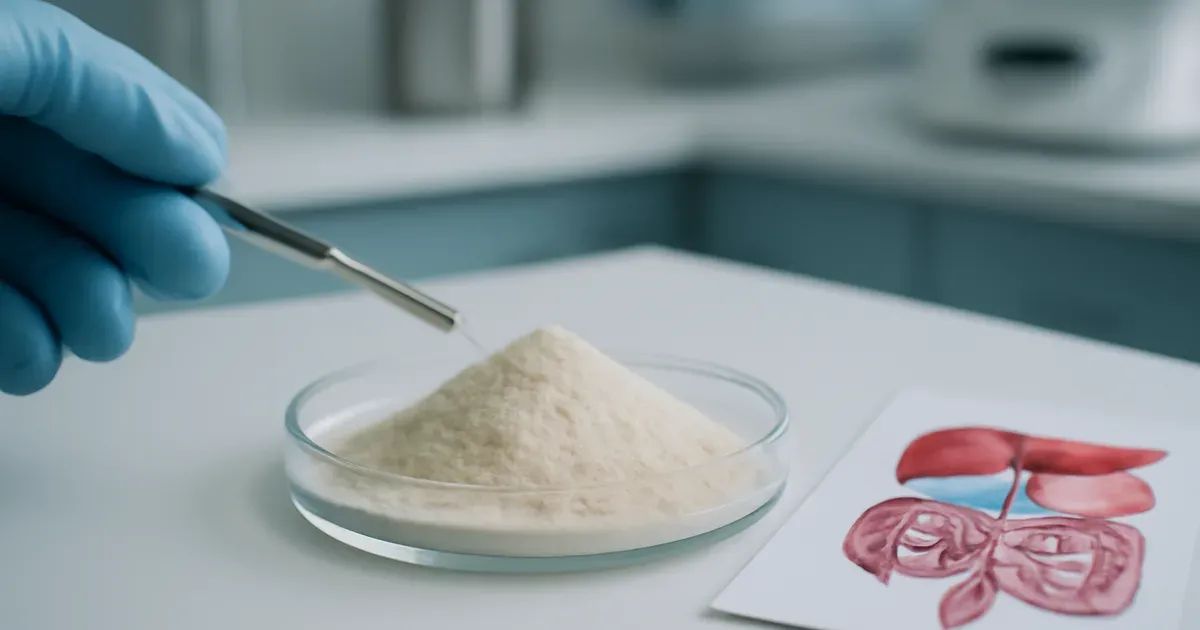
A new study published in Scientific Reports on 12 April 2026 found that prebiotic xylooligosaccharides (XOS) can significantly reduce the severity of metabolic dysfunction-associated steatotic liver disease (MASLD) by reshaping gut microbiota composition and altering key metabolic byproducts. According to the research, led by Li Chen and Ti-Dong Shan, the findings point to the gut-liver axis as a viable therapeutic target for a condition affecting hundreds of millions globally.
Why This Matters
MASLD — formerly known as non-alcoholic fatty liver disease (NAFLD) — is one of the fastest-growing liver conditions worldwide, closely linked to obesity, insulin resistance, and poor metabolic health. Per the study's authors, the global burden of the disease continues to expand with limited drug-based treatment options currently available. At the same time, scientific interest in the gut microbiome's role in metabolic and liver health has intensified, with researchers increasingly identifying gut bacteria and their metabolites as central drivers of systemic inflammation and fat accumulation in the liver.
Prebiotics Reshape the Gut, and the Liver Responds
The study found that XOS supplementation modulated the gut microbiota in ways that directly influenced liver metabolism. The prebiotic intervention altered microbial populations and their associated metabolites, reducing steatosis-related markers in the liver. According to the researchers, these changes suggest that XOS acts through the gut-liver axis — a communication pathway between intestinal microbes and liver function that has become a leading focus in microbiome science. The findings align with a growing body of evidence linking specific prebiotic fibres to measurable shifts in microbial diversity and metabolic output.
What This Means for Gut Health Research
For scientists, clinicians, and people managing metabolic conditions, the research adds weight to the idea that dietary prebiotics may offer a non-pharmacological route to liver protection through gut microbiome modulation. According to the study, XOS — a fibre derived from plant materials — is already available as a food supplement, making translation from research to practice relatively accessible. The findings may also inform future dietary guidelines for individuals at risk of MASLD, particularly those with disrupted gut microbiota profiles.
The research by Chen and Shan underscores a broader shift in how metabolic liver disease is understood — not purely as a liver problem, but as one deeply connected to gut microbial health. As the science of the gut-liver axis matures, dietary interventions targeting the microbiome, such as XOS supplementation, are emerging as credible candidates for disease management strategies, according to Scientific Reports.