Anti-Inflammatory Diet May Ease Anxiety via Gut-Brain Link
A narrative review finds chronic inflammation from food chemicals may drive anxiety, with anti-inflammatory diets and gut-brain health offering potential relief


Some cases of anxiety may be triggered by food chemicals and chronic low-grade inflammation rather than purely psychological causes, according to a narrative review published in the journal focused on mental disorders and neurodegenerative diseases. The review, cited by NaturalNews on April 14, 2026, suggests that adopting an anti-inflammatory diet could reduce anxiety symptoms by targeting the gut-brain axis — the bidirectional communication system linking digestive health to mental function.
Why This Matters
Chronic low-grade inflammation is increasingly recognised as a shared driver of conditions including Alzheimer's disease, depression, and anxiety, per the review's findings. This matters because the gut microbiome plays a central role in regulating inflammatory responses throughout the body, including in the brain. Research into the gut-brain axis has grown substantially in recent years, with scientists identifying how imbalances in gut bacteria — known as dysbiosis — can elevate inflammatory markers that directly influence mood and cognitive function. The connection reframes anxiety not only as a mental health issue but as a potential metabolic one.
Diet, Inflammation, and the Gut-Brain Axis
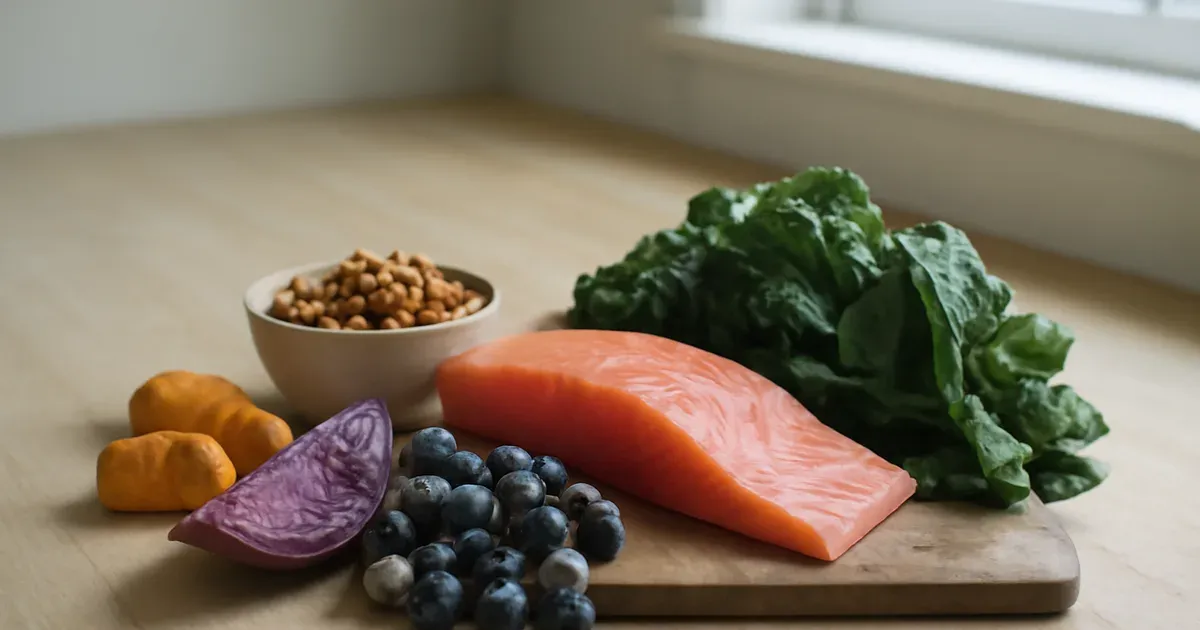
The narrative review highlights that food chemicals found in ultra-processed products may contribute to systemic inflammation, which in turn disrupts gut microbiome balance and impairs the gut-brain signalling pathway. Chronic low-grade inflammation is identified as a key mechanistic link between poor dietary patterns and the onset of anxiety and other mental disorders, according to the researchers. By shifting to an anti-inflammatory dietary pattern — emphasising whole foods, fibre-rich vegetables, and omega-3 fatty acids — individuals may support a healthier microbiome and, consequently, calmer neurological activity.
What This Means for People Managing Anxiety
For individuals experiencing anxiety, the review's findings suggest that dietary change could serve as a meaningful complementary strategy, particularly when conventional approaches offer only partial relief. Supporting gut microbiome diversity through anti-inflammatory eating may help modulate the neuroinflammatory pathways implicated in anxiety disorders. Researchers stop short of prescribing specific diets, but the evidence points toward reducing processed food intake and increasing plant-based, anti-inflammatory foods as a practical starting point.
The review adds to a growing body of science suggesting that mental health cannot be fully separated from gut health. As understanding of the gut-brain axis deepens, dietary interventions targeting inflammation may become a more prominent tool in integrated mental health care, according to the researchers behind the analysis.