April 21, 2026 News Roundup: Gut Health & Brain Links
Today's gut health news links the microbiome to Parkinson's risk, fibre tolerance, libido, and daily wellness habits. Here's the full roundup.

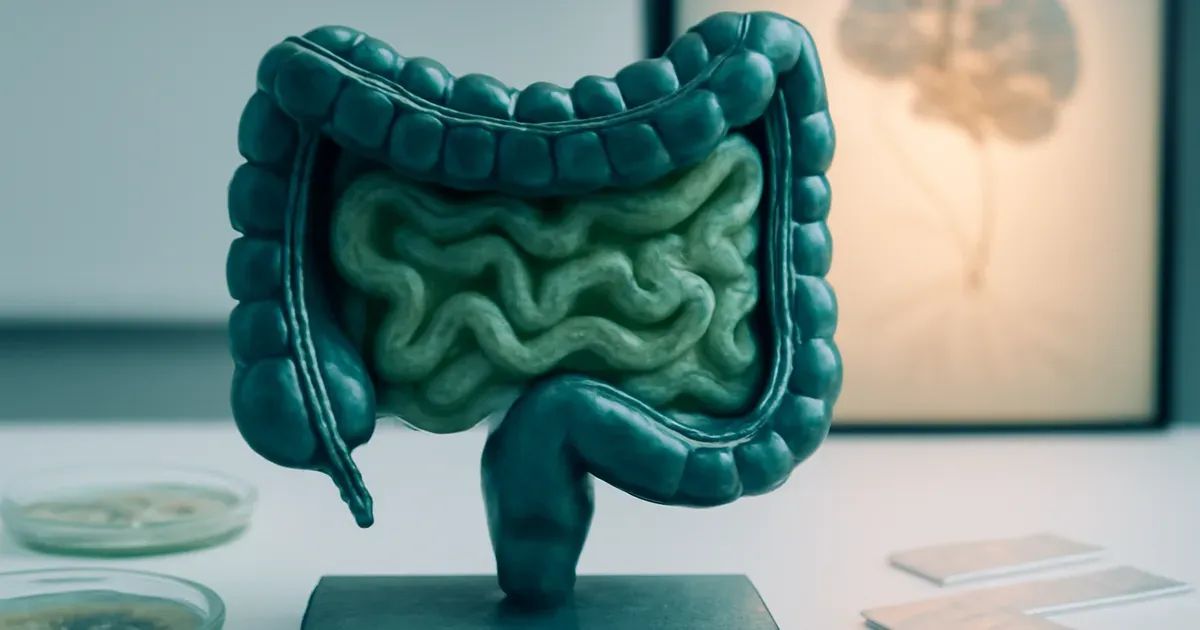
On Tuesday, April 21, 2026, the world of gut health research delivered a striking set of stories that all point in one direction: what lives in your gut may shape far more of your health than previously understood. From predicting Parkinson's disease years before symptoms emerge, to explaining why fibre sometimes backfires, to the surprising connection between gut bacteria and women's libido, today's headlines reveal a microbiome science that is rapidly moving from laboratory curiosity to clinical reality. Here's what caught our attention.
Gut Microbiome Can Reveal Risk of Parkinson's, Scientists Say
Scientists have identified distinctive changes in the gut microbiome that could flag a person's risk of developing Parkinson's disease years before any neurological symptoms appear. Researchers combined data from 271 Parkinson's patients, 43 carriers of the GBA1 genetic risk variant, and 150 healthy controls, finding that the microbial signature grew progressively more pronounced from healthy individuals through to those diagnosed with the disease — a finding published in a 2026 study in Nature Medicine. The proposed mechanism is alarming in its specificity: certain gut bacteria may trigger inflammation that elevates the protein alpha-synuclein, which then travels up the vagus nerve into the brain. For readers, this raises a tangible possibility — that dietary changes or microbiome-targeted therapies could one day be used as early prevention strategies.
Source: theguardian.com
Microbiome May Predict Fiber-Induced Bloating
Not everyone thrives on a high-fibre diet, and new research suggests your gut microbiome may be the reason why. Scientists are finding that the specific bacterial communities living in the gut can determine whether dietary fibre ferments smoothly or produces uncomfortable bloating and gas. This matters because fibre is universally recommended for gut health, yet a significant portion of people abandon high-fibre eating plans due to digestive discomfort. The practical implication is promising: microbiome testing could eventually allow clinicians to personalise fibre recommendations, helping people get the benefits of dietary fibre without the side effects that drive so many away from plant-rich diets.
Source: medscape.com
Focus on These Five Behaviors for Gut Health
A timely piece from public health media outlines five evidence-backed behaviours that support a thriving gut microbiome. While the full list spans diet, sleep, stress management, exercise, and limiting ultra-processed foods, the overarching message is that gut health is not a single supplement away — it is built through consistent daily habits. This framing is important at a moment when the wellness industry is aggressively marketing probiotic products as silver bullets. For everyday readers, the takeaway is refreshingly low-cost: prioritising sleep and whole foods consistently may do more for microbiome diversity than any expensive supplement regimen.
Source: wvik.org
How Celebrities Are Prioritizing Gut Health in Their Daily Wellness Routines
Gut health has firmly crossed over into mainstream celebrity culture, with high-profile figures publicly crediting microbiome-focused routines — fermented foods, prebiotic supplements, and structured eating windows — for their energy and skin clarity. While celebrity wellness trends deserve healthy scepticism, this cultural moment does reflect genuine scientific momentum in the field. The risk, as dietitians consistently warn, is that aspirational routines designed around celebrity lifestyles and budgets can set unrealistic expectations for ordinary people. Still, if the trend nudges more people toward eating more vegetables and fewer processed foods, the net effect on public gut health could be positive.
Source: amourvert.com
What Is Dietary Fibre and How Much Do You Really Need Each Day?
As fibre continues to dominate health headlines, a clear explainer reminds readers of the basics: dietary fibre is the indigestible portion of plant foods that feeds beneficial gut bacteria and supports bowel regularity, heart health, and blood sugar control. Most adults need between 25 and 38 grams per day depending on age and sex, yet the majority of people in Western countries consume less than half that amount. The article breaks down soluble versus insoluble fibre and lists practical food sources, making this a useful primer for anyone confused by conflicting advice. Closing the fibre gap in your diet remains one of the most impactful single changes you can make for long-term gut health.
Source: onlymyhealth.com
Low Libido in Women: The Gut-Brain Axis, Probiotics and Herbal Support for Sexual Well-being
A nuanced piece explores the emerging science linking the gut-brain axis to women's sexual health, arguing that a disrupted microbiome can affect hormone metabolism, mood, and ultimately libido. Certain gut bacteria play a role in metabolising oestrogen, and an imbalanced microbiome may contribute to hormonal fluctuations that dampen sexual desire. Specific probiotic strains and adaptogenic herbs are discussed as potential supportive tools, though the article is careful to frame these as complements to — not replacements for — medical care. For readers, this story underscores how the gut's influence extends well beyond digestion, touching aspects of wellbeing that are rarely discussed in connection with microbiome health.
Source: nutrunity.com
Today's Takeaway
Today's stories collectively make one thing unmistakably clear: the gut microbiome is no longer a niche topic for gastroenterologists — it sits at the intersection of neurology, sexual health, personalised nutrition, and preventive medicine. Whether it is detecting Parkinson's risk decades early or explaining why your high-fibre smoothie leaves you bloated, the science insists that the trillions of microbes in your gut are active participants in your broader health story. The most accessible response to all of this? Eat more diverse plants, prioritise sleep, and treat your gut with the same seriousness you would any other vital organ.