Anti-Inflammatory Foods & Gut Health: FAQs Answered
Discover how anti-inflammatory foods reduce chronic inflammation, support your gut microbiome, and influence the gut-brain axis — with practical meal ideas.

Inflammation, gut health, and the foods on your plate are more connected than most people realise. If you have ever wondered whether what you eat can genuinely calm inflammation — or how your gut microbiome fits into the picture — you are not alone. This guide answers the most-searched questions plainly and practically, so you can make confident choices starting today.
Jump to Your Question
What is inflammation and why does it matter?
What are the best anti-inflammatory foods to eat?
How does gut health affect inflammation in the body?
What is the gut-brain axis and how does diet influence it?
Which foods make inflammation worse?
Can an anti-inflammatory diet improve your microbiome?
What does a simple anti-inflammatory meal look like?
How long does it take for anti-inflammatory foods to work?
What is inflammation and why does it matter?
Inflammation is the body's built-in defence response to injury, infection, or harmful invaders. When a threat is detected, the body increases blood flow to the affected area, causing the familiar signs of redness, heat, and swelling.
Acute inflammation is helpful — it is the reason a cut heals. The problem arises when inflammation becomes chronic, smouldering at a low level for months or years without a clear trigger.
Chronic inflammation has been linked to a wide range of serious conditions, including:
- Heart disease
- Type 2 diabetes
- Depression and anxiety
- Alzheimer's disease
Research increasingly shows that the state of your gut microbiome — the trillions of bacteria living in your digestive tract — plays a direct role in whether inflammation stays acute and resolves, or tips into a chronic state. A disrupted microbiome can send pro-inflammatory signals throughout the body, contributing to systemic disease.
What are the best anti-inflammatory foods to eat?
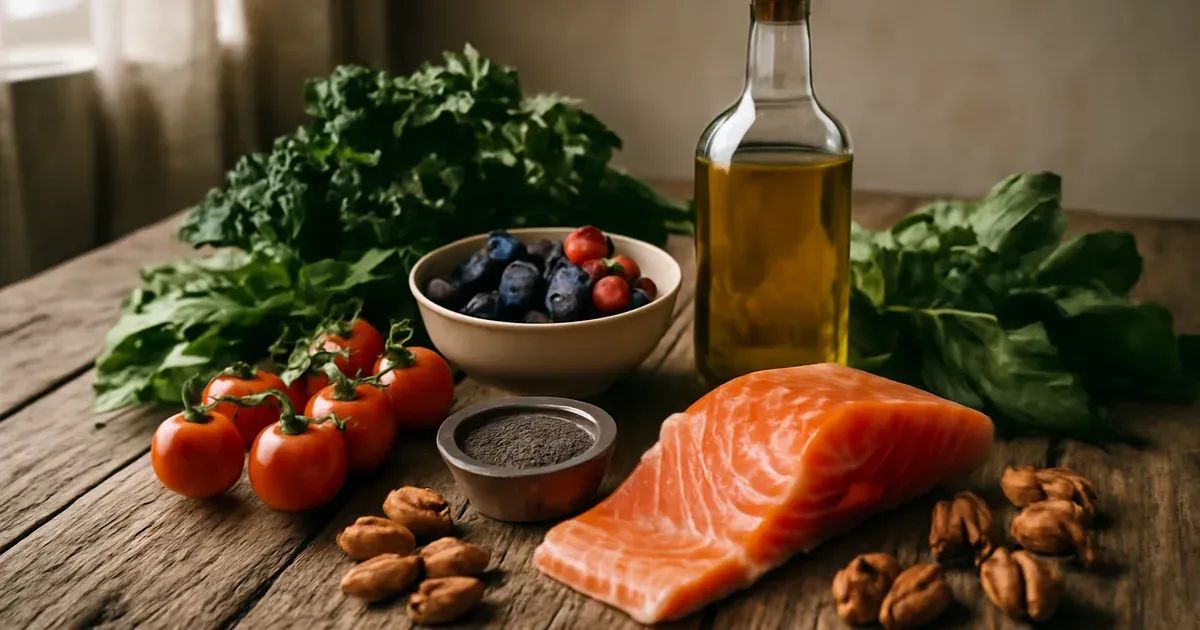
The most effective anti-inflammatory foods are whole, minimally processed, and rich in phytonutrients, healthy fats, and fibre. Decades of nutritional research consistently point to a similar list of dietary heroes.
Top anti-inflammatory foods include:
- Tomatoes — rich in lycopene, a potent antioxidant
- Olive oil — high in oleocanthal, which mimics the action of ibuprofen
- Green leafy vegetables (spinach, kale, Swiss chard) — packed with vitamins K and E
- Nuts (walnuts, almonds) — provide healthy fats and polyphenols
- Fatty fish (salmon, sardines, mackerel) — excellent sources of omega-3 fatty acids
- Fruits (berries, cherries, oranges) — loaded with antioxidants and flavonoids
- Chia seeds — a plant-based source of omega-3s that also supports gut motility
These foods do double duty: they reduce inflammatory markers while simultaneously feeding beneficial gut bacteria, supporting a healthier microbiome from the inside out.
How does gut health affect inflammation in the body?
The gut is home to approximately 70% of the body's immune system, making it a central command centre for managing inflammation. When your gut microbiome is diverse and balanced, beneficial bacteria produce short-chain fatty acids (SCFAs) that actively suppress inflammatory pathways.
When the microbiome is disrupted — a state known as dysbiosis — the gut lining can become permeable. This is sometimes called "leaky gut." Bacterial by-products then enter the bloodstream, triggering a systemic immune response and chronic low-grade inflammation.
Key ways gut health influences inflammation:
- Balanced microbiomes produce anti-inflammatory SCFAs like butyrate
- Dysbiosis increases intestinal permeability and systemic immune activation
- Gut bacteria regulate cytokine production — the chemical messengers of inflammation
- A diverse microbiome reduces the risk of inflammatory diseases over the long term
Eating anti-inflammatory foods, particularly those high in fibre and polyphenols, directly nurtures the beneficial bacteria that keep these inflammatory signals in check.
What is the gut-brain axis and how does diet influence it?
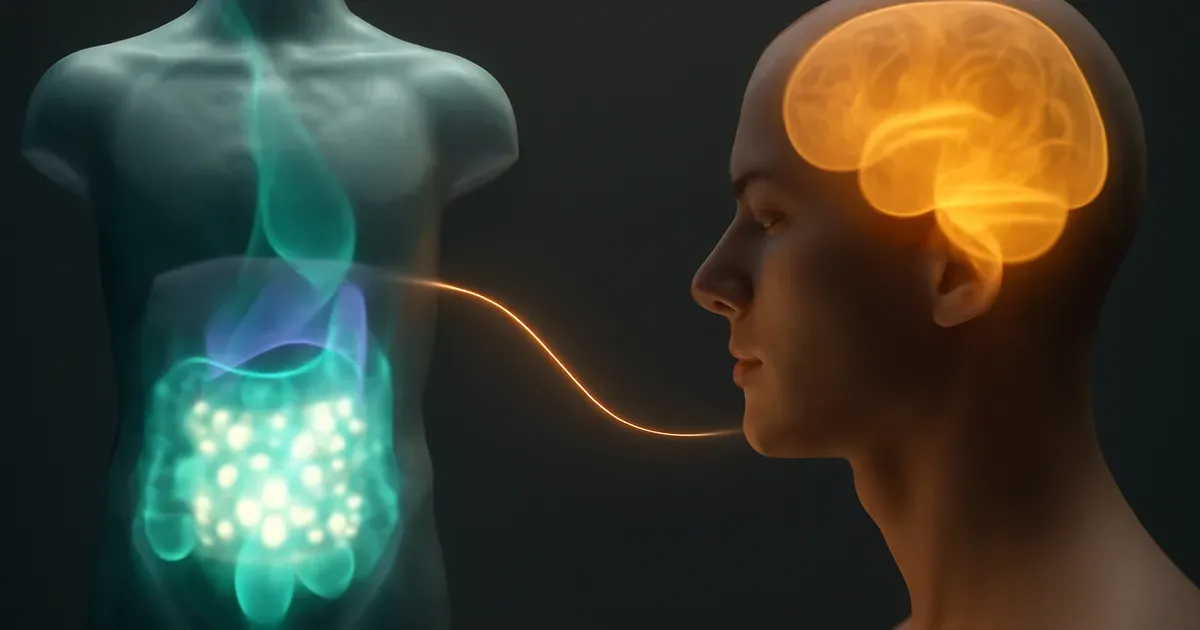
The gut-brain axis is the two-way communication network linking your digestive system and your brain, operating through the vagus nerve, the immune system, and chemical messengers including neurotransmitters and hormones.
Your gut microbiome produces around 90% of the body's serotonin — a neurotransmitter central to mood regulation. When inflammation disrupts the microbiome, serotonin production falters, which may partly explain why chronic inflammation is strongly associated with depression and cognitive decline.
Diet is one of the most powerful tools for influencing the gut-brain axis:
- Omega-3-rich foods (fatty fish, chia seeds) reduce neuro-inflammation
- Fermented foods support microbial diversity, improving gut-to-brain signalling
- Polyphenols in berries and olive oil cross the blood-brain barrier and reduce oxidative stress
- High-fibre diets feed bacteria that produce butyrate, which protects the gut lining and supports brain health
Every meal is effectively a message sent along the gut-brain axis — choosing anti-inflammatory foods sends a signal that promotes calm, clarity, and resilience.
Which foods make inflammation worse?
Pro-inflammatory foods are typically ultra-processed, high in refined sugars, and low in fibre — the opposite of what a healthy microbiome needs. Regularly consuming these foods disrupts microbial balance and amplifies inflammatory signals.
Foods most strongly associated with increased inflammation include:
- Refined carbohydrates — white bread, pastries, sugary cereals
- Sugar-sweetened beverages — sodas, energy drinks, sweetened juices
- Trans fats and partially hydrogenated oils — found in many packaged snacks
- Processed red meats — hot dogs, sausages, deli meats
- Excessive alcohol — disrupts gut barrier integrity and microbial diversity
- Artificial additives and emulsifiers — some evidence suggests they harm gut bacteria
The contrast matters as much as the addition: replacing even one or two of these foods with anti-inflammatory alternatives can meaningfully shift inflammatory biomarkers over time. Think of it as crowding out rather than cutting out.
Can an anti-inflammatory diet improve your microbiome?
Yes — the microbiome responds to dietary changes relatively quickly, with measurable shifts in bacterial populations occurring within days of changing eating patterns. An anti-inflammatory diet is one of the most well-evidenced approaches for improving microbial diversity.
The Mediterranean diet — broadly aligned with anti-inflammatory principles — has been shown in multiple clinical studies to increase beneficial bacteria such as Lactobacillus and Bifidobacterium, while reducing populations of pro-inflammatory species.
How anti-inflammatory foods support the microbiome:
- Dietary fibre acts as a prebiotic, feeding beneficial bacteria
- Polyphenols in fruits, vegetables, and olive oil selectively nourish protective microbial strains
- Omega-3 fatty acids from fatty fish and chia seeds reduce gut inflammation directly
- Fermented additions (yoghurt, kefir, kimchi) introduce live beneficial bacteria
A diverse, plant-rich diet is consistently the strongest predictor of a healthy, resilient microbiome — and a calmer inflammatory baseline throughout the body.
What does a simple anti-inflammatory meal look like?
Anti-inflammatory eating does not require complicated recipes or expensive superfoods — simple, whole-food combinations can deliver powerful benefits with minimal preparation.
Here are three practical examples:
1. Vegetable Hummus Wrap Microwave a whole-grain tortilla, spread generously with hummus, and layer with whatever fresh vegetables you have — cucumber, spinach, roasted peppers, shredded carrot. Roll it up like a burrito. Whole grains feed gut bacteria; the olive oil in hummus delivers anti-inflammatory fats; the vegetables provide fibre and phytonutrients.
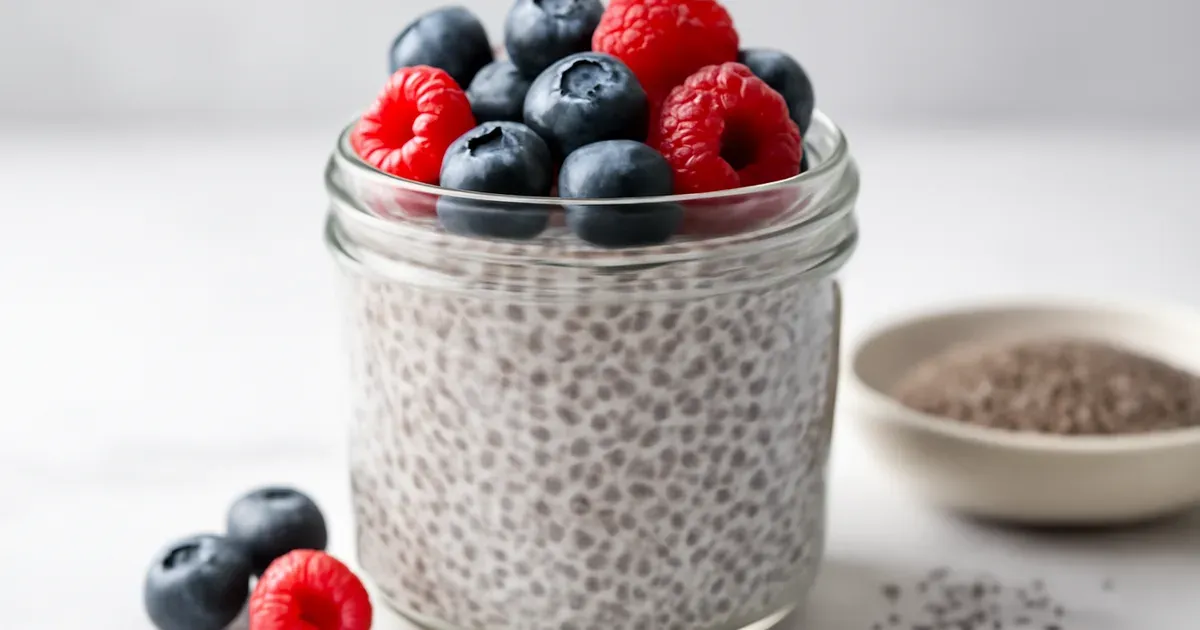
2. Chia Pudding Mix chia seeds with plant milk and refrigerate overnight. Chia seeds are rich in omega-3 fatty acids, which reduce inflammation and support the gut-brain axis. Top with berries for an extra antioxidant boost. This works as a breakfast, snack, or dessert.
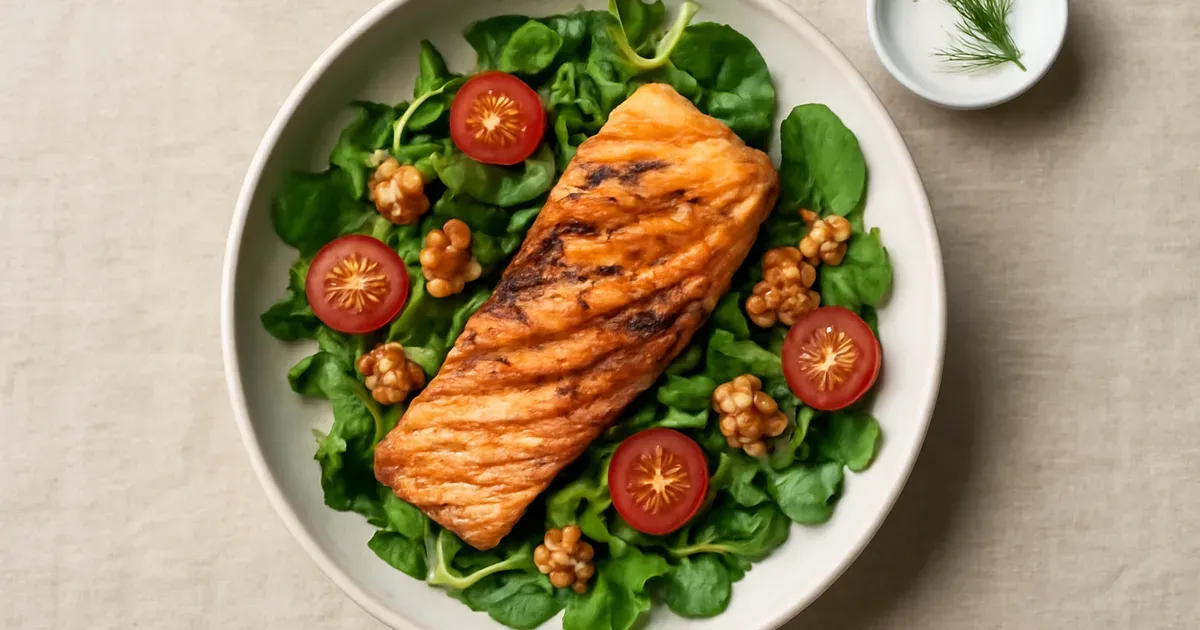
3. Simple Salmon Bowl Grilled salmon over a bed of leafy greens, drizzled with olive oil and lemon, with a handful of walnuts on top. This single bowl delivers omega-3s, polyphenols, vitamin E, and prebiotic fibre — hitting multiple anti-inflammatory targets at once.
How long does it take for anti-inflammatory foods to work?
The timeline for experiencing the benefits of anti-inflammatory foods varies, but research suggests that measurable changes in inflammatory markers and gut microbiome composition can begin within two to four weeks of consistent dietary change.
Some benefits arrive faster than others. Digestive improvements — less bloating, more regularity — are often noticed within days as fibre intake increases and gut bacteria begin to shift. Reductions in joint stiffness, skin clarity, and energy levels are commonly reported within one to three months.
Longer-term outcomes — such as reduced cardiovascular risk, improved mood stability, and cognitive protection — require sustained dietary habits over months and years. This is not a quick fix; it is a lifestyle framework.
The most important variable is consistency. Eating anti-inflammatory foods occasionally produces modest results. Building them as daily anchors of your diet — the way Mediterranean cultures traditionally have — is where the profound, lasting benefits accumulate.

The Bottom Line
- Chronic inflammation underlies many serious diseases, including heart disease, diabetes, depression, and Alzheimer's.
- Anti-inflammatory foods — tomatoes, olive oil, leafy greens, nuts, fatty fish, fruits, and chia seeds — actively reduce inflammatory markers and support gut health.
- The gut microbiome is a central player in inflammation: a diverse, healthy microbiome produces compounds that suppress inflammatory pathways throughout the body.
- The gut-brain axis means that what you eat directly influences mood, cognition, and mental resilience — not just physical health.
- Consistency matters most: simple daily habits like a vegetable hummus wrap or chia pudding can compound into meaningful health change over weeks and months.
Frequently Asked Questions
Are anti-inflammatory foods the same as probiotic foods?
Anti-inflammatory foods and probiotic foods overlap but are not identical. Anti-inflammatory foods reduce inflammatory markers through antioxidants, healthy fats, and fibre. Probiotic foods — like yoghurt, kefir, and kimchi — introduce live beneficial bacteria directly into the gut. Both strategies support gut health and reduce inflammation, and they work best when combined as part of a varied whole-food diet.
Can improving gut health reduce symptoms of depression?
Emerging research strongly suggests that a healthier gut microbiome is associated with better mental health outcomes, including reduced symptoms of depression and anxiety. Because the gut produces approximately 90% of the body's serotonin and communicates directly with the brain via the gut-brain axis, dietary interventions that improve microbial diversity may support mood regulation alongside conventional treatments. Always consult a healthcare professional regarding mental health concerns.
Is the Mediterranean diet the best anti-inflammatory diet?
The Mediterranean diet is among the most evidence-backed dietary patterns for reducing systemic inflammation. It emphasises olive oil, fatty fish, vegetables, fruits, legumes, and whole grains — closely mirroring the list of top anti-inflammatory foods. Multiple large-scale studies have linked it to lower rates of heart disease, cognitive decline, and inflammatory conditions, as well as improved gut microbiome diversity.
Do I need supplements to follow an anti-inflammatory diet?
Most people can obtain the key anti-inflammatory nutrients from whole foods without needing supplements. Omega-3s come from fatty fish and chia seeds; polyphenols from fruits and vegetables; vitamin E from nuts and leafy greens. Supplements may be appropriate in cases of documented deficiency or restricted diets — a registered dietitian can provide personalised guidance based on your specific needs and health status.
Can children benefit from anti-inflammatory foods?
Yes — the principles of anti-inflammatory eating are beneficial across all age groups, including children. Introducing a diverse, plant-rich diet early in life supports healthy microbiome development, which research links to stronger immune function, better mood regulation, and lower risk of chronic disease in adulthood. Simple options like fruit smoothies, vegetable wraps, and chia pudding are child-friendly and nutritionally powerful.