Boost Natural GLP-1 Through Gut Health
Your gut microbiome drives natural GLP-1 production. Discover the science-backed diet, exercise, and lifestyle habits to boost it — UK-focused.

Your Body Already Makes a GLP-1 Hormone — Your Gut Holds the Key
GLP-1 medications have dominated health headlines, but here is something most articles overlook: your body produces this hormone naturally, every single day, and your gut microbiome plays a central role in how much of it you make. For health-conscious adults in the UK, this opens up a genuinely exciting — and evidence-backed — avenue for improving appetite control, metabolic health, and overall wellbeing without a prescription.
This article explores the science of natural GLP-1 production, why the gut-brain connection is central to the story, and what practical, evidence-based steps you can take to support your body's own hormonal systems. Think of it as gut health UK meets cutting-edge metabolic science.
What Is GLP-1 and Why Does Your Gut Produce It?
GLP-1, or glucagon-like peptide-1, is a hormone released by specialised L-cells lining your small intestine and colon. When you eat, these cells detect incoming nutrients and release GLP-1 into your bloodstream, triggering a cascade of effects: your pancreas releases insulin, your brain receives a fullness signal, and stomach emptying slows — keeping you satisfied for longer after meals.
The gut-brain connection is at the heart of all of this. GLP-1 acts as a direct chemical messenger between your digestive system and your brain's appetite-regulating centres, particularly the hypothalamus. Research from King's College London and the University of Cambridge has highlighted how gut-derived hormones like GLP-1 are fundamental to the way the brain governs hunger, energy balance, and even mood.
The catch is that natural GLP-1 is broken down extremely quickly — within one to two minutes — by an enzyme called DPP-4. Prescription GLP-1 medications are engineered to resist this breakdown, which is why their effects are so much more powerful. But that does not mean your lifestyle choices are irrelevant. Far from it.
How Your Gut Microbiome Influences GLP-1 Production
UK microbiome research has transformed our understanding of how the trillions of bacteria living in your digestive tract influence your hormones, your metabolism, and your brain. Landmark work from the British Gut Project — a citizen science initiative led by researchers at King's College London — has shown that the diversity and composition of your microbiome varies enormously across the UK population, and that diet is the single most powerful factor shaping it.
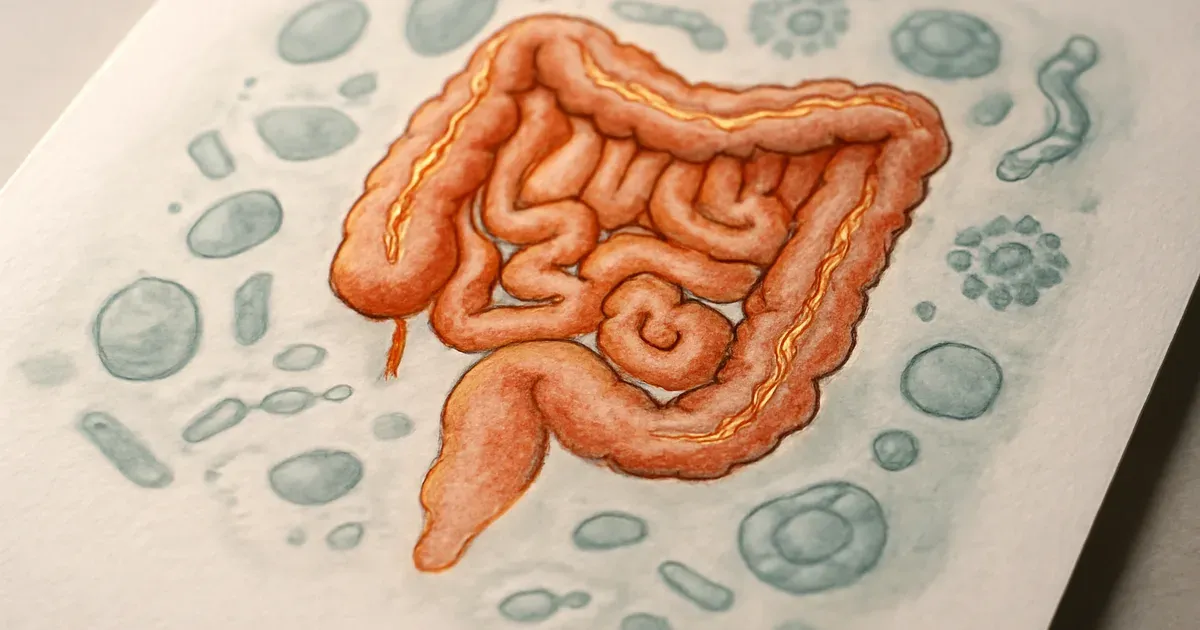
Here is the direct link to GLP-1: when you eat soluble fibre, your gut bacteria ferment it into short-chain fatty acids (SCFAs), particularly butyrate, propionate, and acetate. These SCFAs directly stimulate the L-cells in your colon to release GLP-1. A richer, more diverse microbiome — fed by a wide variety of plant foods — produces more SCFAs, which in turn drives greater natural GLP-1 output.
Research from the University of Reading and Imperial College London has consistently shown that diets higher in diverse plant fibres are associated with higher SCFA production and improved gut hormone profiles. The gut-brain connection, in this context, is not metaphorical — it is biochemical and measurable.
The 4 Key Nutrients That Support Natural GLP-1 Release
What you eat has a direct and documented effect on how much GLP-1 your L-cells produce. The UK Eatwell Guide already points towards many of the right foods — but here is the science behind why they matter for your hormonal health specifically.
Soluble Fibre: The Most Powerful GLP-1 Trigger
Soluble fibre is the single most well-evidenced nutrient for stimulating natural GLP-1 production via the microbiome. The NHS recommends 30g of fibre per day for adults in the UK — yet surveys consistently show the average British adult consumes only around 18g. Closing that gap matters enormously for gut health UK.
Top fibre sources to prioritise:
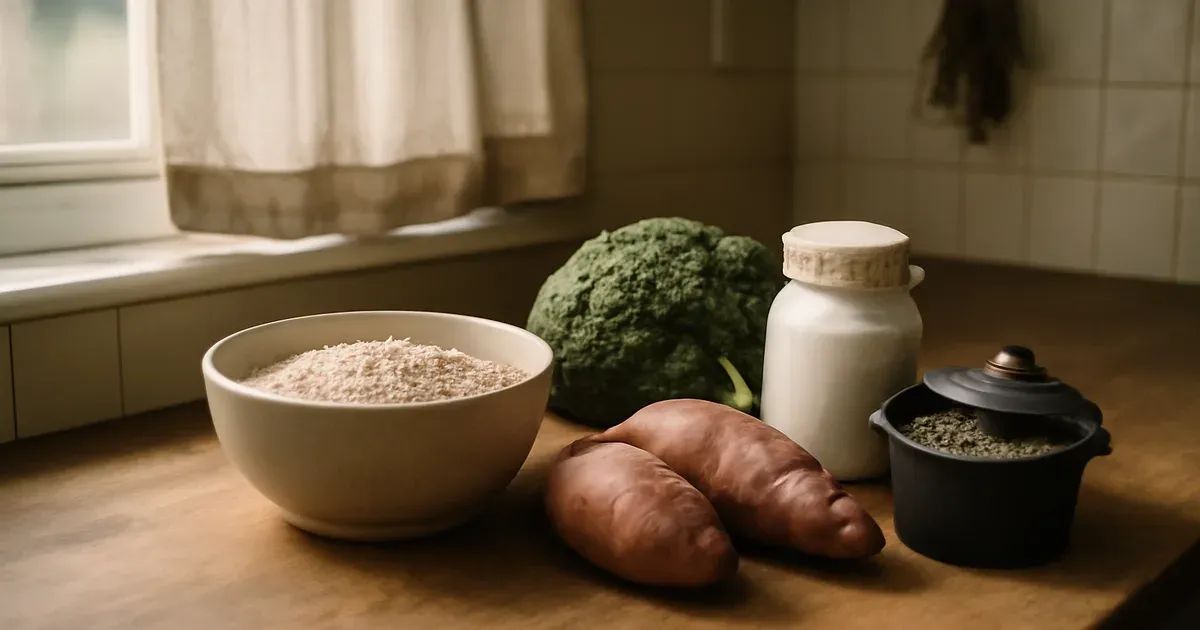
- Oats — a staple of the British diet and an excellent source of beta-glucan, a soluble fibre with strong SCFA-producing credentials
- Chia seeds and flaxseeds — easy to add to porridge or yoghurt
- Beans and lentils — affordable, widely available, and fibre-dense
- Broccoli, Brussels sprouts, and sweet potatoes — all feature in seasonal British produce
Aim for at least 25–30g of fibre daily, working towards 35–40g for optimal microbiome and GLP-1 benefits.
Lean Protein
Protein from lean sources promotes GLP-1 release while also supporting muscle mass — a consideration that matters for anyone managing their weight. Chicken, fish (particularly oily fish like mackerel and salmon, which are abundant in UK waters), eggs, and legumes are all excellent choices that align with British dietary patterns.
Healthy Fats
Monounsaturated fats and omega-3 fatty acids can increase GLP-1 levels and slow gastric emptying, helping you feel fuller for longer. Olive oil, avocados, nuts, and oily fish are the priority sources. Oily fish in particular serves double duty — supporting both GLP-1 production and the gut-brain axis through its anti-inflammatory omega-3 profile.
Fermented Foods and Probiotics
The role of fermented foods in microbiome UK health is increasingly well-supported by research. Studies indicate that beneficial gut bacteria — including strains found in live yoghurt, kefir, kimchi, and sauerkraut — can influence GLP-1 production by improving the overall environment in which L-cells operate. The British Dietetic Association (BDA) supports the inclusion of fermented foods as part of a varied, balanced diet.

Exercise, the Gut-Brain Connection, and GLP-1
Moving your body is one of the most direct ways to boost natural GLP-1 levels, and the gut-brain connection explains part of why. Both steady-state cardio — brisk walking, swimming, cycling — and high-intensity interval training (HIIT) have been shown to raise GLP-1 output. The NHS recommends at least 150 minutes of moderate activity per week, and this target aligns well with the exercise thresholds studied in GLP-1 research.
Strength training matters too. Resistance exercise at least twice a week helps preserve metabolically active muscle tissue, which supports long-term hormonal and metabolic health. Research published by MRC-funded teams at the University of Cambridge and UCL has pointed to the interplay between physical activity, gut microbiome diversity, and improved gut hormone response — a three-way relationship that underscores how integrated these systems truly are.
Consistency, rather than intensity, is the key message. A 30-minute walk five days a week is more beneficial than one exhausting session followed by a week of inactivity.
5 Daily Lifestyle Habits That Protect Your GLP-1 Response
Beyond food and exercise, your daily habits shape your hormonal environment in ways that are easy to overlook. GLP-1 follows a circadian rhythm — levels are naturally higher during the day — which means when and how you eat is almost as important as what you eat.
- Eat during daylight hours where possible. Maintaining consistent mealtimes aligned with your natural body clock supports optimal GLP-1 patterns. This is a key principle in chrono-nutrition research being explored at UK institutions including the University of Surrey.
- Eat slowly and mindfully. Chewing thoroughly and taking smaller bites leads to more pronounced GLP-1 release and greater satiety. Distraction-free mealtimes — away from screens — help you tune into hunger and fullness cues.
- Prioritise sleep. Poor sleep disrupts the gut microbiome, impairs GLP-1 signalling, and elevates cortisol — a hormone that actively suppresses GLP-1 release. The NHS recommends 7–9 hours per night for adults.
- Manage chronic stress. Elevated cortisol levels impair GLP-1 release and frequently trigger less healthy eating patterns. Practices such as mindfulness, time in nature, and breathing techniques are evidence-based tools for cortisol management and, by extension, metabolic hormone health.
- Support your microbiome daily. Taking a wide variety of plant foods — aiming for 30 different plant species per week, as suggested by the British Gut Project — is one of the most powerful things you can do to improve gut health naturally and support the microbial ecosystem that drives GLP-1 production.

Natural GLP-1 vs GLP-1 Medications: An Honest Comparison
It would be misleading to suggest that lifestyle changes alone can replicate the effects of GLP-1 medications such as semaglutide (Ozempic, Wegovy) or liraglutide. Clinical trials show these drugs can help people lose 15% or more of body weight; even intensive lifestyle interventions typically achieve 5–10%. The NHS in England has approved Wegovy for use in specific clinical pathways, and demand continues to rise in the UK.
But the gap in weight loss outcomes does not make natural approaches redundant. For people who are not candidates for medication, prefer to begin with lifestyle changes, or are already on GLP-1 therapy and want to maximise their results, supporting natural GLP-1 production matters enormously. The combination of medication with a fibre-rich, diverse diet and regular exercise consistently outperforms medication alone in clinical studies — and the gut microbiome is a central mechanism linking lifestyle to outcomes.
If you are in the UK and considering GLP-1 medication, speak with your GP or a registered dietitian. The British Dietetic Association offers resources on weight management that can help you navigate your options.
The Bottom Line: Your Gut Is Your GLP-1 Factory
The emerging science of gut health UK is converging with metabolic medicine in a way that gives everyone — whether or not they are on medication — genuine agency over their hormonal health. Your gut microbiome is not a passive bystander; it is an active participant in producing the signals that regulate your appetite, your blood sugar, and your brain's sense of satisfaction after meals.
Focus on fibre-rich British staples — oats, beans, seasonal vegetables. Eat fermented foods regularly. Move your body consistently, include strength training, and protect your sleep. Manage stress with the same seriousness you apply to your diet. These are not vague wellness recommendations; they are evidence-based strategies supported by UK microbiome research, NHS guidance, and the growing science of the gut-brain connection.
Improve gut health naturally, and you give your body the best possible foundation — whatever path you choose.
Frequently Asked Questions
What foods naturally increase GLP-1 production in the UK diet?
Soluble fibre-rich foods are the most well-evidenced choice. Oats, beans, lentils, broccoli, and sweet potatoes all support GLP-1 production via short-chain fatty acid pathways in the gut. These foods are affordable, widely available in the UK, and align with NHS dietary guidelines.
How does the gut microbiome affect GLP-1 levels?
Your gut bacteria ferment soluble fibre into short-chain fatty acids, which directly stimulate the GLP-1-producing L-cells in your colon. A more diverse microbiome — fed by a wide variety of plant foods — produces more of these SCFAs and drives greater natural GLP-1 output. UK microbiome research from King's College London and the British Gut Project supports this mechanism.
Can exercise really boost natural GLP-1?
Yes — both aerobic exercise and strength training have been shown to increase GLP-1 levels. The NHS-recommended 150 minutes of moderate activity per week aligns well with the exercise doses studied in GLP-1 research. Consistency matters more than intensity.
Is natural GLP-1 as powerful as GLP-1 medication?
No — and it is important to be honest about this. Natural GLP-1 is broken down within minutes by the enzyme DPP-4, while medications like semaglutide are engineered to remain active for days. Medication-assisted weight loss typically achieves 15%+ body weight reduction; lifestyle changes typically achieve 5–10%. However, lifestyle habits significantly amplify the benefits of both approaches.
Should I speak to my GP about GLP-1 and gut health?
If you are considering GLP-1 medication, yes — speak to your GP or a registered dietitian. In the UK, Wegovy is available on the NHS through specialist weight management services for eligible patients. For those focusing on natural approaches, the British Dietetic Association and NHS Eatwell Guide are reliable starting points.
You might also like
- 7 High-Fibre Foods That Also Boost Your Gut Health
- How to Improve Gut Health Naturally in 6 Steps
- Gut Health UK: Improve Your Microbiome Naturally
96 Bacterial Strains. Two Shots a Day.
GOODIE is an award-winning fermented drink with 96 live bacterial strains — more than any yogurt or kombucha — never pasteurised, clinically tested, and 8 in 10 users felt less bloating within 14 days. Curious?