April 10, 2026: Gut Microbiome & Brain Health News Roundup
Today's gut health news spans dementia detection, market growth, fibre, sleep, pesticides, and landmark diet-microbiome research.

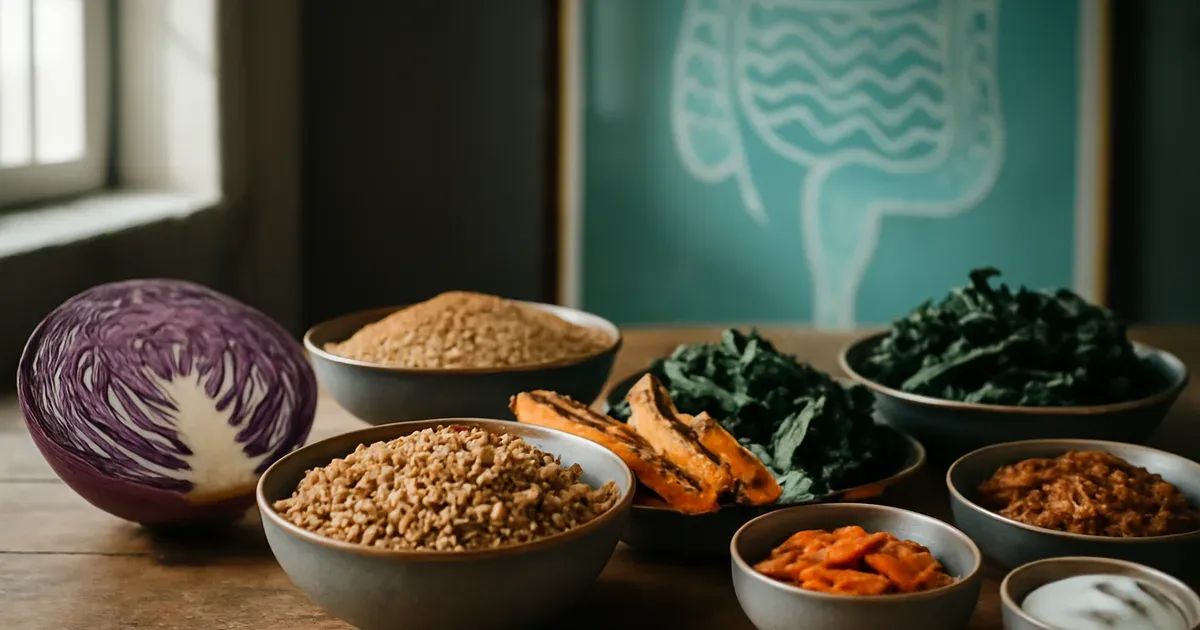
On Friday, April 10, 2026, the gut microbiome continues to dominate headlines across medicine, nutrition, and market research. From blood tests that could detect dementia years early to new findings on how pesticides, poor sleep, and low fibre intake quietly destabilise our inner bacterial world, today's stories share a single urgent message: the trillions of microbes living in our digestive systems are central to our overall health. Scientists, clinicians, and investors alike are paying attention — and the research is accelerating fast. Here's what caught our attention.
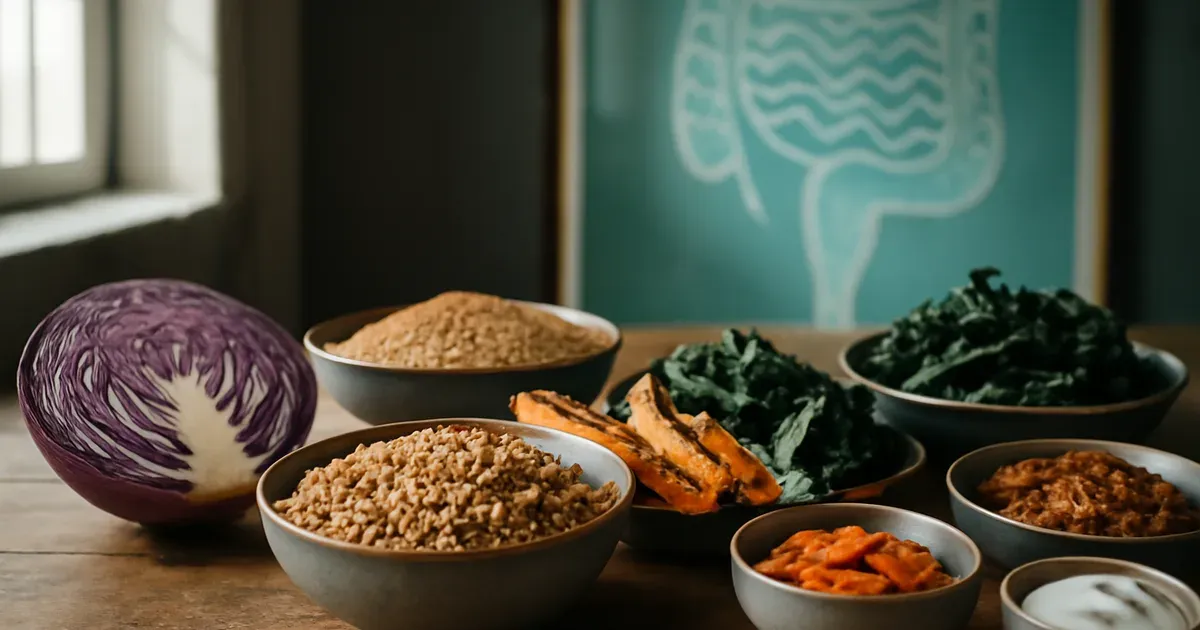
Gut Microbiome Markers in Blood Could Signal Early Dementia
Scientists have identified 33 key molecules linked to gut bacteria and diet in a blood test that may detect dementia years before symptoms appear. Using AI-powered machine learning, researchers analysed microbe-derived metabolites from blood and stool samples to distinguish healthy individuals from those with mild or subjective cognitive impairment. Expert David Vauzour, PhD, notes that if gut bacteria contribute to early cognitive decline, interventions like probiotics, personalised nutrition, or microbiome therapies could one day anchor dementia prevention strategies. This is a landmark step toward non-invasive, early-stage screening.
Sources: Medical News Today, Irishdentist
Women Health Probiotic Supplement Market to Hit US$ 8,300.00 Million by 2033
The global women's health probiotic supplement market, valued at approximately US$2.16 billion in 2025, is projected to reach US$8.3 billion by 2033 at a compound annual growth rate of 18.31%. Recent launches from Garden of Life, Renew Life, Morinaga, and Meiji Holdings signal intense industry activity targeting women's gut, vaginal, skin, and immune health. For consumers, this surge in competition means more targeted, clinically informed products are entering the market — though scrutinising strain-specific evidence remains essential before purchasing.
Gut Health Supplement Market to Reach US$ 29.1 Billion by 2033
The broader gut health supplement market is on track to hit US$29.1 billion by 2033, driven by rising preventive healthcare awareness and rapid nutraceutical innovation. Key players including NOW Foods, Amway, and Koninklijke DSM are investing in microbiome research, personalised nutrition, and clean-label product development. For everyday consumers, this expansion signals growing mainstream acceptance of gut health as a pillar of preventive medicine — but it also underscores the importance of looking for products backed by rigorous clinical evidence rather than marketing claims.
Source: PR Newswire
Sleep & the Gut — Why Your Microbiome Needs Rest Too
Nutritionist Emilie Davis of Whole Essentials Nutrition highlights the often-overlooked connection between sleep quality, stress, and gut health, explaining that stress triggers a "fight or flight" response that actively slows digestion. The gut and brain are in constant two-way communication via the gut-brain axis, meaning poor sleep doesn't just leave you tired — it can measurably alter your microbiome composition over time. Practical takeaways include managing stress proactively, maintaining consistent sleep schedules, and considering how lifestyle factors compound to affect digestive health.
Source: FOX 13
Protecting Gut Bacteria Can Prevent Serious Health Problems
The human gut microbiome contains approximately 4,500 different bacterial species that collectively regulate far more than digestion, according to reporting from KPLC 7 News. Mariana Byndloss, assistant professor at Vanderbilt University Medical Center, warns that disruption to these microbial communities has been linked to obesity, autoimmune disorders, heart disease, cancer, and mental health conditions. A diverse, fibre-rich diet remains the most accessible and evidence-supported tool available for maintaining microbiome diversity — making everyday food choices a genuine form of preventive medicine.
Source: KPLC 7 News
Clinical Trials for Gut Health: The Science Transforming Your Microbiome
North America alone has conducted over 1,350 microbiome-related clinical trials, reflecting how seriously the medical community now treats gut health as a frontier of disease treatment and prevention. Trials increasingly go beyond digestion to explore how microbiome interventions affect immunity, mental health, and metabolic conditions, using placebo-controlled designs to isolate real effects. For readers interested in the science behind probiotic and dietary supplement claims, understanding clinical trial methodology helps separate genuinely evidence-backed products from those built on weaker foundations.
Source: Speedy Sticks
Fibre Explained: Types, Benefits, Sources, and What Happens If You Don't Get Enough
A comprehensive explainer from Onlymyhealth details the distinct roles of soluble and insoluble fibre, with expert Dr Chopra emphasising that both types are essential: soluble fibre supports metabolic control and feeds beneficial gut bacteria, while insoluble fibre promotes bowel regularity and detoxification. Warning signs of low fibre intake include persistent hunger, post-meal fatigue, bloating, and skin changes. Critically, Dr Chopra cautions that increasing fibre too quickly can overwhelm the gut microbiome — gradual progression of 2–3 grams per week is recommended for most adults.
Source: Onlymyhealth
Diet–Microbiome Associations
A landmark study published in Nature Medicine and highlighted by Nature Reviews Gastroenterology & Hepatology analysed diet–microbiome relationships in 10,068 participants from the Human Phenotype Project using app-based dietary logs and advanced shotgun metagenomics. Researchers quantified associations between specific foods, broader dietary patterns, and gut microbiome composition at unprecedented scale. The findings strengthen the scientific case for personalised nutrition, suggesting that individual microbiome profiles — not just general dietary guidelines — may be key to optimising health outcomes through food.
Source: Nature
How Do Pesticides Affect the Gut Microbiome?
Emerging research suggests that pesticide exposure can disrupt the gut microbiome, with disrupted gut ecology identified as a potential pathway linking pesticide exposure to diabetes and other chronic health conditions. Because the microbiome influences how the body processes sugars, manages inflammation, and stores energy, altering microbial balance through environmental chemical exposure may subtly shift disease risk over time. While specific pesticides and exposure thresholds remain under investigation, the findings reinforce the broader case for minimising unnecessary chemical exposure through dietary and lifestyle choices where possible.
Source: AllToc
Today's Takeaway
Today's stories collectively paint a striking picture: the gut microbiome is no longer a niche scientific curiosity — it sits at the intersection of brain health, chronic disease prevention, environmental medicine, and a multi-billion-dollar wellness industry. Whether it's a blood test predicting dementia, pesticides quietly reshaping our inner ecology, or the simple act of eating more fibre, the evidence converges on one practical truth: protecting and nourishing your microbiome through diverse food, quality sleep, managed stress, and reduced chemical exposure is one of the most powerful investments you can make in long-term health.