April 17, 2026 News Roundup: Gut Health Habits & Science
Today's gut health news covers antibiotics recovery, social microbiome transmission, bloating causes, and 7 expert-identified mistakes to avoid.

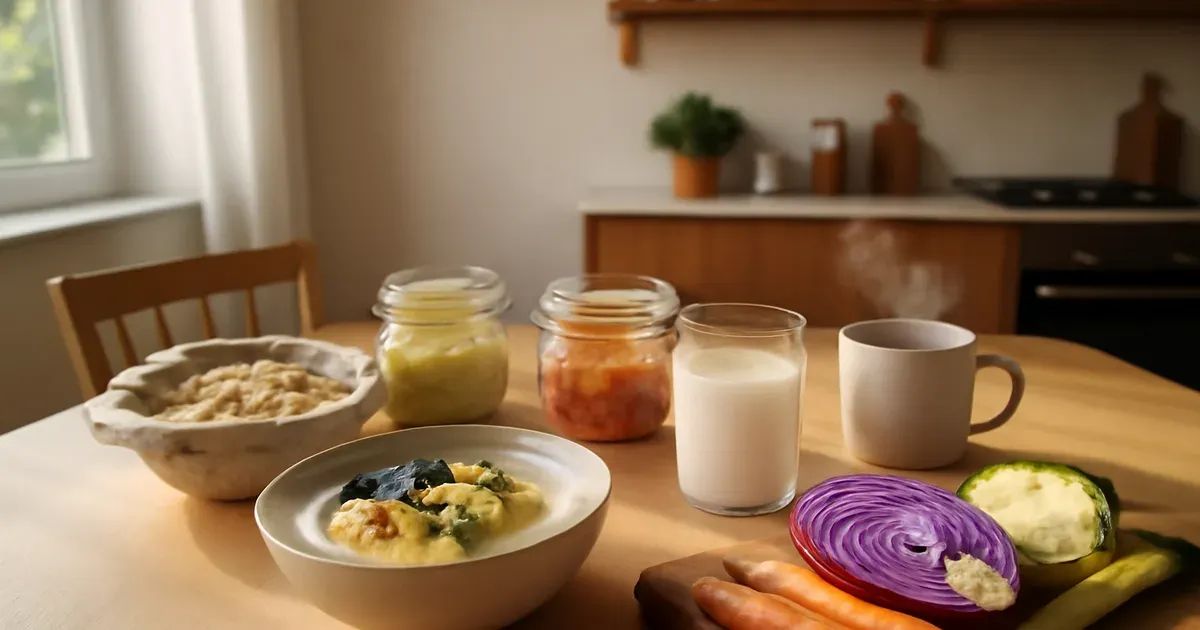
On Friday, April 17, 2026, gut health is dominating the wellness conversation — and for good reason. From the bacteria we inadvertently share with the people around us, to the dietary mistakes that silently erode our microbiome, today's research and expert commentary paint a vivid picture of just how central digestive health is to overall wellbeing. Whether you're recovering from a round of antibiotics, struggling with persistent bloating, or simply curious about what science is saying, the advice converging from dietitians, gastroenterologists, and researchers is remarkably consistent. Here's what caught our attention.
My Gut Health Struggled While Taking a Course of Antibiotics, So I Asked a Dietitian How Best to Support It
A personal account published by Fit&Well highlights how a standard course of antibiotics can significantly disrupt the gut microbiome, prompting one writer to consult a registered dietitian for practical recovery guidance. Antibiotics, while life-saving, are indiscriminate — they eliminate harmful bacteria alongside the beneficial strains that keep digestion, immunity, and even mood in balance. The dietitian's advice centred on prioritising probiotic-rich fermented foods such as yoghurt, kefir, and sauerkraut alongside prebiotic fibre sources like oats and garlic to help repopulate and nourish the gut. For anyone currently on or recently finishing a course of antibiotics, this is a timely reminder that dietary support during and after treatment can meaningfully accelerate microbiome recovery.
Source: Fit&Well
Your Gut Health May Be Influenced by People Around You: Study Shows
A new study reported by Medical Dialogues reveals that the people you live with, work alongside, or spend significant time near can measurably shape the composition of your gut microbiome. Researchers found that microbial strains are transmissible between individuals through close contact, meaning that a household member's poor gut health habits — or conversely, their healthy ones — may have a direct biological influence on your own digestive ecosystem. This finding adds a compelling social dimension to gut health that goes well beyond personal diet choices, suggesting that communal lifestyle factors, shared meals, and even environmental exposure all play a role. For readers, it underscores the value of cultivating gut-friendly habits not just individually but as a household or community.
Source: Medical Dialogues
Gut Health: Why Do Indians Feel Bloated So Often? Doctor Explains the Real Cause, and Simple Diet Changes That Can Fix It
A gastroenterologist writing for the Times of India tackles a question familiar to millions across the subcontinent: why is bloating so prevalent among Indian adults, even those eating what is traditionally considered a wholesome diet? The doctor points to a combination of factors — including a heavy reliance on refined carbohydrates, irregular meal timings, insufficient water intake, and the widespread consumption of gas-producing lentils and legumes without adequate preparation such as soaking or fermenting. Stress and sedentary post-meal behaviour are also flagged as underappreciated contributors. Practical fixes outlined include eating smaller, more frequent meals, chewing food thoroughly, incorporating digestive spices like cumin and ajwain, and taking short walks after eating. The piece is a useful reminder that cultural dietary staples, while nutritious, can require specific preparation to be truly gut-friendly.
Source: Times of India
Leading Gastroenterologist Shares 7 Mistakes That Are Ruining Your Gut Health
Moneycontrol features a leading gastroenterologist outlining seven common but correctable behaviours that are quietly damaging gut health across age groups. The mistakes include eating too quickly, over-relying on ultra-processed foods, chronically under-sleeping, skipping meals, overusing over-the-counter antacids, not drinking enough water, and neglecting stress management. What unites these errors is that none of them are dramatic or unusual — they are the ordinary rhythms of modern life that have gradually become normalised despite their cumulative toll on the digestive system. The specialist emphasises that small, consistent corrections carry far more long-term benefit than occasional cleanses or supplement regimens. For readers, the takeaway is actionable: identify which of these seven habits applies to your own routine and begin addressing it systematically.
Source: Moneycontrol
Today's Takeaway
Today's stories collectively reveal that gut health is not a niche concern — it is shaped by our medications, our social circles, our cultural food traditions, and the mundane habits we barely notice. The science is moving beyond simple advice to eat more fibre or take a probiotic; it now asks us to consider our entire environment and lifestyle as inputs into our microbiome. The most actionable thread running through all four pieces is this: small, deliberate changes made consistently — in what you eat, how you eat, and how you recover from disruption — are the foundation of lasting gut health.