April 12, 2026 News Roundup: Gut Health Warnings
Today's gut health headlines cover age-related warning signs, weight loss injections, hereditary sweetener risks, and the science of fermented foods.

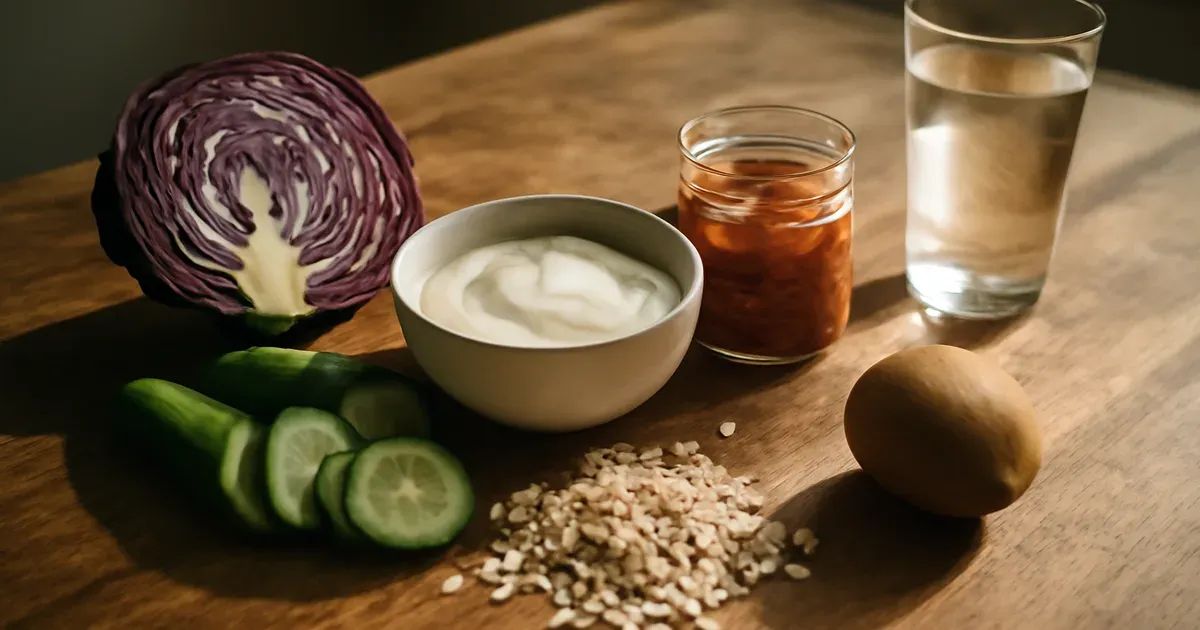
On Sunday, April 12, 2026, a clear theme is running through today's health headlines: your gut microbiome is more central to your overall wellbeing than most people realise — and more vulnerable than ever. From age-related digestive changes to weight loss injections, hereditary sweetener effects, and the science of fermented foods, researchers and clinicians are converging on the same message: what happens in your gut ripples outward in ways that touch your metabolism, immunity, mood, and even the health of future generations. Here's what caught our attention.
5 'Normal' Changes In Your 50s And 60s That Could Actually Be Gut Health Warning Signs
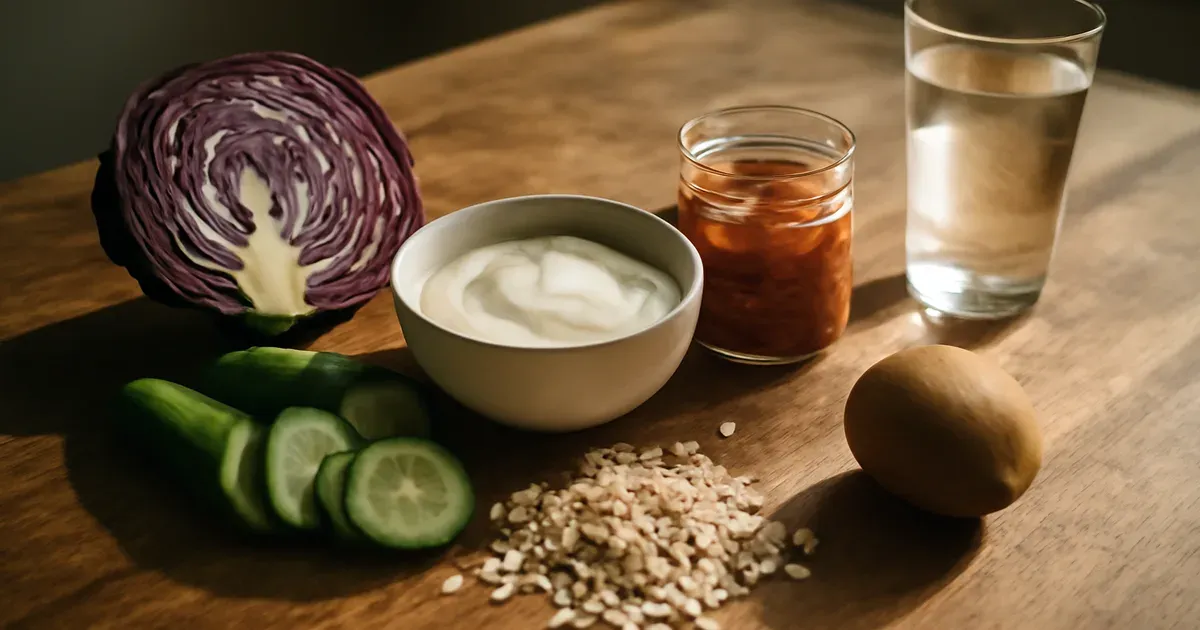
Symptoms commonly dismissed as inevitable signs of ageing in your 50s and 60s — including bloating, constipation, unexpected weight fluctuation, and persistent digestive discomfort — may actually signal an imbalanced gut microbiome. Your gut hosts billions of bacteria, fungi, and viruses that are essential for digestion and immune function, and disruptions to this ecosystem become more common with age. Recognising these signals early matters: an unhealthy gut struggles to absorb nutrients efficiently, which can cascade into broader health problems. If these symptoms are familiar, speaking with a physician rather than attributing them to "just getting older" could make a meaningful difference.
Source: yourtango.com
I've Worked in Health for 26 Years – This Is What I Think of Weight Loss Injections
A veteran nutrition professional with over 25 years of clinical experience is urging caution around GLP-1 weight loss medications such as Ozempic and Wegovy, particularly regarding their impact on gut health. Because these drugs directly affect the digestive system, side effects including nausea, vomiting, diarrhoea, and constipation are common — especially when doses are initiated or increased. Beyond short-term discomfort, experts warn that long-term effects on the gut microbiome remain poorly understood, and that stopping the drugs without addressing underlying lifestyle factors — poor sleep, stress, inactivity, and poor nutrition — may leave users worse off metabolically than before they started.
Source: 1news.co.nz
Artificial Sweeteners Effects: Study Reveals Harmful Effects of Artificial Sweeteners May Be Hereditary
A striking new study conducted in mice suggests that the negative effects of artificial sweeteners — including widely used sucralose and stevia — on gut health and metabolism may not stop with the individual who consumes them, but could be passed down to future generations. Mice fed these sweeteners showed shifts in gut microbiota composition, disrupted short-chain fatty acid concentrations, and altered glucose tolerance — a key marker of insulin resistance. By the second generation, elevated fasting blood sugar was detected even in offspring that had never consumed the sweeteners themselves. While the research is in mice and further human studies are needed, the findings raise important questions about the long-term safety profile of products billions of people consume daily.
Source: health.economictimes.indiatimes.com
Diet & Fitness and Home Remedies Insights: Apr 11, 2026
Nutrition specialists are reinforcing the evidence base for a gut-first approach to everyday eating, highlighting fruits, vegetables, whole grains, lean proteins, and — crucially — prebiotic fibre and fermented foods as the foundation of a healthy microbiome. Dr. Emily Carter, a Nutrition Specialist and Wellness Coach, points to simple, consistent habits — staying well hydrated and incorporating probiotics through foods like yoghurt, kefir, and kimchi — as practical tools for reducing bloating and supporting digestive health. Research cited in this roundup underscores that a diverse, well-nourished microbiome benefits far more than digestion alone, contributing to better nutrient absorption, improved immune function, and even mood regulation through the gut-brain axis.
Sources: ourhealtho.com, ourhealtho.com
Today's Takeaway
Today's stories collectively reveal that gut health is no longer a niche wellness concern — it sits at the intersection of ageing, pharmacology, food science, and now even intergenerational biology. Whether you are navigating your 50s and dismissing digestive discomfort, weighing up a weight loss injection, reaching for a "diet" sweetener, or simply choosing what to eat for dinner, the state of your gut microbiome is quietly shaping the outcome. The practical thread running through all four stories is the same: prioritise fibre, fermented foods, and lifestyle fundamentals before — or alongside — any medical or dietary shortcut.