April 14, 2026 News Roundup: Gut Health & Immunity
Gut microbiome diversity and immune health dominate today's headlines — but the science is more nuanced than most products claim.

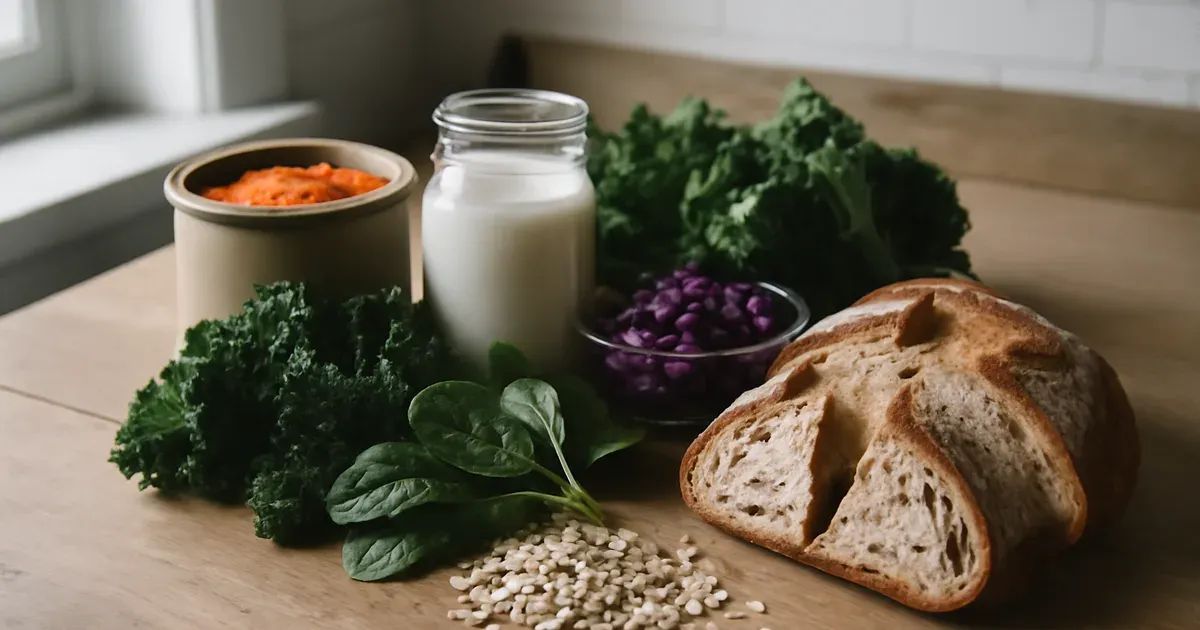
On Tuesday, April 14, 2026, two converging stories remind us that the relationship between our gut and our immune system is one of the most consequential — and most misunderstood — areas of modern health science. From questions about microbiome diversity to practical strategies for year-round immune resilience, researchers and clinicians are pushing back against oversimplified headlines and commercial hype alike. The message is consistent: gut health matters enormously, but the science demands nuance, and the solutions require more than a probiotic capsule. Here's what caught our attention.
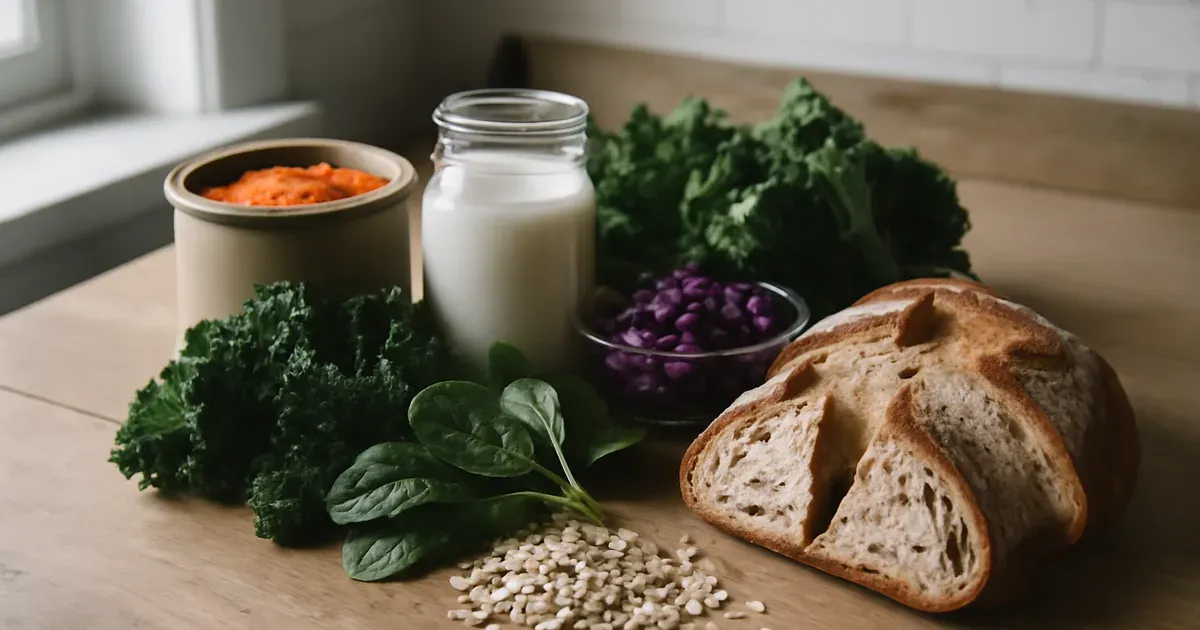
Is It True That Having a Diverse Microbiome Stops You From Getting Sick?
A widely held belief — that a more diverse gut microbiome automatically equals better immunity — is being challenged by emerging research. Prof Daniel M Davis of Imperial College London explains that while hundreds of studies correlate microbiome composition with physical and mental health outcomes, the picture is far more complex than diversity alone. New findings suggest that bacterial competition and synergy within the gut can sometimes accelerate disease rather than prevent it. For readers, the practical takeaway is clear: be highly sceptical of products claiming to transform your microbiome and guarantee better health, as the evidence base simply does not yet support such promises.
Sources: theguardian.com, naturalnews.com, hindustantimes.com, lancs.live, ourhealtho.com
Boost Immune Vitality for Year-Round Protection with Smart Nutrition and Stress Control
Approximately 70% of the immune system resides in the gut, making the gut-immune connection one of medicine's most important frontiers. A report from Medical Daily highlights how specialised immune cells in the intestinal lining interact directly with gut bacteria, which act as "immune educators" — training the body to distinguish friend from foe. When this balance is disrupted by poor diet, antibiotic overuse, or chronic stress, susceptibility to infection rises significantly. Practical support includes fermented foods such as yogurt, kefir, sauerkraut, and kimchi alongside fibre-rich vegetables, and consulting a healthcare provider when symptoms like repeated illness, fatigue, or digestive discomfort persist.
Source: medicaldaily.com
Today's Takeaway
Today's stories collectively reveal a productive tension at the heart of gut-health science: the gut microbiome is genuinely central to immune function, yet our understanding of exactly how to optimise it remains incomplete. The honest conclusion is that whole-food diets rich in fibre and fermented ingredients, combined with stress management and personalised medical guidance, represent the most evidence-grounded path forward — while expensive supplements promising microbiome miracles deserve a healthy dose of scepticism.