Gut Health FAQ: Your Biggest Questions Answered
Clear answers to the most-searched gut health questions covering the microbiome, gut-brain axis, diet tips, and signs of poor gut health.


Gut Health FAQ: Your Biggest Questions Answered
Gut health can feel overwhelming — especially when confusing browser errors, conflicting advice online, or blocked websites stand between you and the answers you need. Whether you've hit a technical wall trying to access gut health content, or you're simply starting your microbiome journey, this guide cuts through the noise. Below you'll find clear, direct answers to the questions people search most about gut health, the gut-brain axis, and the microbiome.
Jump to Your Question
Why can't I access gut health websites sometimes?
What is gut health and why does it matter?
What are the signs of an unhealthy gut?
How does the gut affect mental health?
What foods support a healthy microbiome?
Probiotics vs. prebiotics: what's the difference?
How long does it take to improve gut health?
What simple steps can I take today for my gut?
Why can't I access gut health websites sometimes?
Websites sometimes block access when their systems mistakenly identify a visitor as a bot rather than a real person. This can happen because you're moving through pages quickly, have disabled cookies, or are using a browser extension like Ghostery or NoScript that restricts JavaScript.
To fix this, enable cookies and JavaScript in your browser settings, then reload the page. Disabling privacy plugins temporarily can also resolve the issue.
This is a surprisingly common frustration for people trying to research gut health, microbiome science, and the gut-brain axis online. The good news: once you clear these technical barriers, a wealth of evidence-based information is available to you.
- Enable cookies in browser settings
- Allow JavaScript to run on the site
- Temporarily pause browser extensions like Ghostery or uBlock
- Try a different browser if the problem persists
What is gut health and why does it matter?
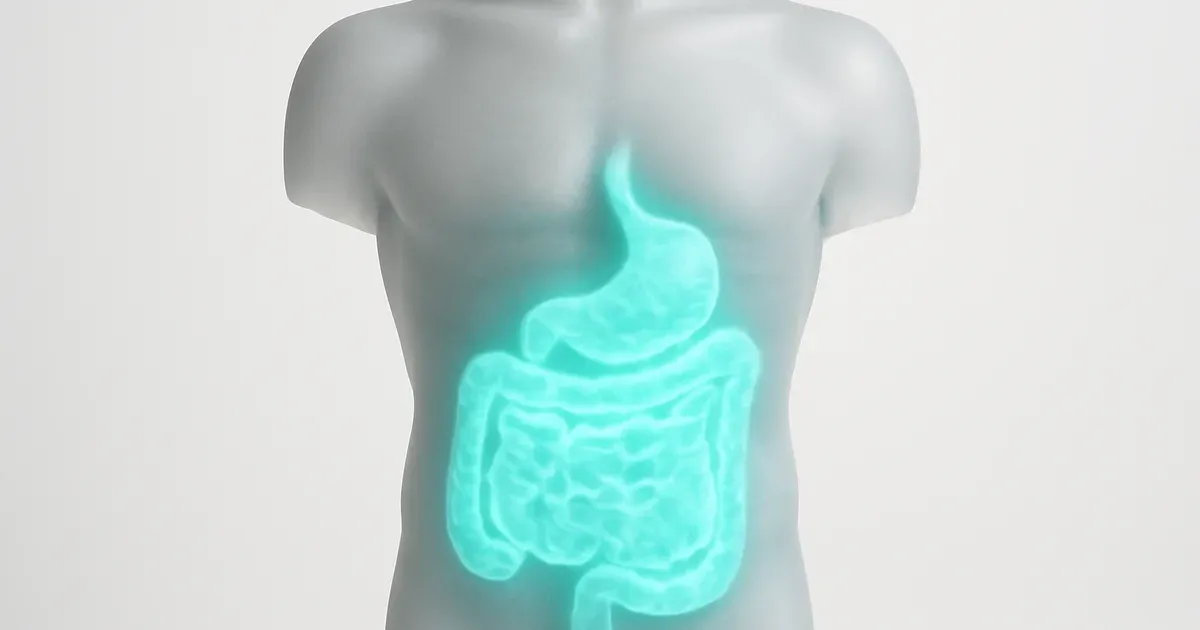
Gut health refers to the balance and function of the entire gastrointestinal tract, including the stomach, small intestine, and large intestine. A healthy gut efficiently digests food, absorbs nutrients, and maintains a protective barrier that keeps harmful substances out of the bloodstream.
Research over the past two decades has revealed that gut health extends far beyond digestion. The gut houses trillions of microorganisms — collectively called the microbiome — that influence immunity, metabolism, inflammation, and even mood.
When gut health is compromised, the effects ripple outward. Poor gut function has been linked to conditions ranging from irritable bowel syndrome (IBS) and autoimmune disorders to anxiety and depression. Prioritising gut health is now recognised as a foundational pillar of overall wellbeing.
What is the gut-brain axis?
The gut-brain axis is the two-way communication network that links the central nervous system (brain and spinal cord) with the enteric nervous system (the gut's own nervous system). These two systems talk to each other constantly via nerves, hormones, and immune signals.
The vagus nerve is the superhighway of this system, carrying signals in both directions. Remarkably, approximately 90% of the signals on the vagus nerve travel from the gut up to the brain — not the other way around — meaning the gut profoundly influences brain function.
The gut-brain axis explains why emotional stress can trigger stomach cramps, and why gut imbalances can contribute to brain fog, anxiety, or low mood. Understanding this axis is central to modern research on mental health, neurological conditions, and chronic disease.
What lives in the microbiome?
The microbiome is the vast community of microorganisms — bacteria, viruses, fungi, and archaea — that live primarily in the large intestine. A single human gut contains an estimated 38 trillion microbial cells, roughly equal to the number of human cells in the entire body.
Each person's microbiome is as unique as a fingerprint, shaped by genetics, diet, birth method, antibiotic use, and environment. Diversity is the hallmark of a healthy microbiome: the more varied the microbial species, the more resilient and functional the gut ecosystem tends to be.
Key microbial roles include:
- Breaking down dietary fibre into short-chain fatty acids (SCFAs)
- Training and regulating the immune system
- Producing neurotransmitters, including serotonin and GABA
- Protecting against colonisation by harmful pathogens
- Supporting the integrity of the gut lining

What are the signs of an unhealthy gut?
An unhealthy gut often signals its distress through a range of physical and mental symptoms that people don't always connect to digestive function. Recognising these signs early can prompt meaningful lifestyle changes before problems escalate.
Common indicators include bloating, gas, constipation, diarrhoea, and frequent heartburn. Beyond digestion, an unhealthy gut can manifest as persistent fatigue, skin conditions like eczema or acne, frequent illness (due to compromised immunity), food intolerances, and unexplained mood changes.
Research increasingly links gut dysbiosis — an imbalance in the microbiome — to anxiety, depression, and even neurodegenerative conditions. If several of these symptoms are present simultaneously, it is worth speaking with a healthcare professional about gut-focused assessment and support.
How does the gut affect mental health?
The gut produces approximately 90–95% of the body's serotonin, the neurotransmitter most associated with mood regulation, well-being, and sleep. This single fact reframes how we think about mental health: the brain does not operate in isolation from the digestive system.
Gut bacteria also produce GABA, dopamine precursors, and short-chain fatty acids that cross into the bloodstream and influence brain chemistry. Disruptions to the microbiome — caused by poor diet, antibiotics, chronic stress, or illness — have been associated in multiple clinical studies with elevated rates of anxiety and depression.
The relationship is bidirectional: psychological stress alters gut microbiome composition, and microbiome imbalances worsen psychological stress. This feedback loop is now a major focus of psychiatric and neuroscience research worldwide.

What foods support a healthy microbiome?
Diet is the single most modifiable factor in shaping microbiome composition, with measurable changes occurring within 24–72 hours of dietary shifts. A microbiome-friendly diet emphasises diversity, plant matter, and fermented foods.
Top microbiome-supporting foods include:
- Fermented foods: yoghurt, kefir, sauerkraut, kimchi, miso, and kombucha introduce beneficial live bacteria
- High-fibre plants: legumes, oats, leeks, garlic, onions, and asparagus feed beneficial bacteria
- Polyphenol-rich foods: berries, dark chocolate, green tea, and extra-virgin olive oil act as prebiotics
- Whole grains: provide fermentable fibre that fuels SCFA production
Ultra-processed foods, artificial sweeteners, and excess alcohol negatively affect microbial diversity and should be minimised. Variety is as important as volume — aiming for 30 different plant foods per week is a practical, evidence-supported target.
Probiotics vs. prebiotics: what's the difference?
Probiotics are live microorganisms that, when consumed in adequate amounts, confer a health benefit on the host. Prebiotics, by contrast, are non-digestible food components — mainly fibres — that selectively feed and stimulate the growth of beneficial bacteria already present in the gut.
| Feature | Probiotics | Prebiotics |
|---|---|---|
| Definition | Live beneficial bacteria/yeasts | Food for beneficial bacteria |
| Found in | Yoghurt, kefir, fermented foods, supplements | Garlic, onions, oats, bananas, chicory root |
| Primary action | Add new microbes to the gut | Feed existing microbes |
| Stability | Heat and acid sensitive | Generally heat stable |
Synbiotics combine both probiotics and prebiotics in one product, and emerging research suggests this combination may be more effective than either component alone. Choosing the right probiotic strain matters — different strains have different effects on gut and brain health.

How long does it take to improve gut health?
Measurable improvements in gut microbiome composition can occur within 3–5 days of consistent dietary change, though meaningful and lasting transformation typically takes 4–8 weeks. The timeline varies based on the starting state of the microbiome, age, stress levels, and medication use.
Short-term interventions — such as adding fermented foods or fibre — produce rapid microbial shifts, but these can reverse quickly if old habits resume. Sustainable improvement requires sustained change. Think of the microbiome as a garden: consistent tending produces lasting results, while neglect allows weeds (harmful bacteria) to return.
For people addressing specific conditions like IBS, dysbiosis, or gut-related mood disorders, working with a registered dietitian or functional medicine practitioner can accelerate progress and ensure the approach is tailored to individual needs.
What simple steps can I take today for my gut?
Small, consistent actions have a compounding positive effect on gut health and the gut-brain axis. You do not need a complete lifestyle overhaul to begin seeing results.
Start with these evidence-backed steps:
- Add one fermented food to your daily diet (e.g. a spoonful of sauerkraut or a glass of kefir)
- Increase fibre intake by swapping refined grains for whole grains at one meal
- Eat the rainbow — aim for at least five different coloured vegetables and fruits today
- Manage stress actively — chronic stress damages gut lining and microbiome diversity; even 10 minutes of mindful breathing helps
- Sleep 7–9 hours — gut microbiome diversity is directly correlated with sleep quality
- Stay hydrated — water supports the mucosal lining of the intestines
- Limit unnecessary antibiotic use — always complete prescribed courses, but avoid self-prescribing
Consistency beats intensity when it comes to gut health. One imperfect good day is less valuable than six months of steady, moderate improvement.
Bottom Line
- Gut health affects far more than digestion — it shapes immunity, mental health, and long-term disease risk.
- The gut-brain axis is a two-way highway: a healthy gut supports a healthier mind, and vice versa.
- Microbiome diversity is the goal — achieve it through varied, plant-rich, fibre-forward eating.
- Probiotics add beneficial bacteria; prebiotics feed them — both matter, and combining them amplifies benefits.
- Improvement is measurable within days, but lasting change requires sustained habits over weeks and months.