April 22, 2026 News Roundup: Gut Microbiome in Focus
Today's gut microbiome news spans Parkinson's detection, coffee science, personalised nutrition in Singapore, stress response, and probiotic guidance.

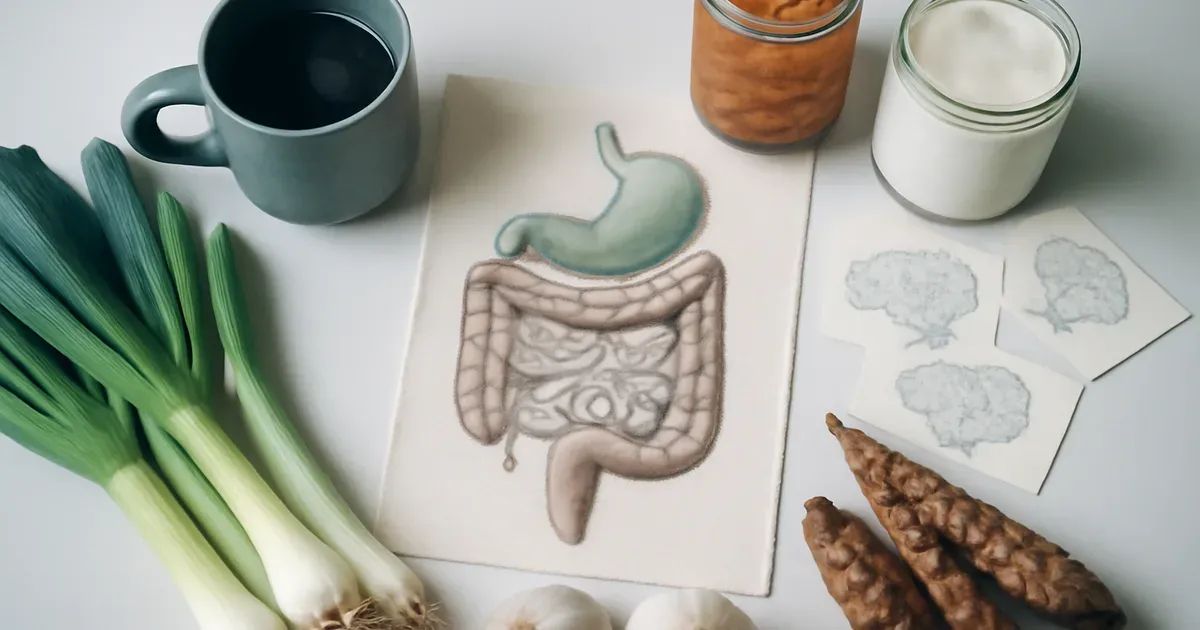
From early disease detection to personalised snacks and daily stress management, the gut microbiome is commanding attention across science, nutrition, and consumer health on Wednesday, April 22, 2026. Researchers are uncovering how the trillions of microbes living in our digestive tracts influence everything from Parkinson's risk to how our brains respond to coffee — and the commercial world is starting to catch up. Whether you are a scientist, a wellness enthusiast, or simply someone who drinks coffee every morning, today's stories paint a compelling picture of why your gut matters more than ever. Here's what caught our attention.
Gut Microbiome Clues May Help Spot Parkinson's Disease in Its Earliest Phase
New research suggests that changes in the gut microbiome could serve as an early warning signal for Parkinson's disease, potentially years before motor symptoms appear. Scientists identified distinct microbial patterns in individuals who later developed the condition, pointing to the gut-brain axis as a promising diagnostic frontier. For readers with a family history of Parkinson's, this research raises the possibility that routine microbiome screening could one day become part of neurological risk assessment, offering a critical window for early intervention.
Sources: euronews.com, news-medical.net
Habitual Coffee Intake Shapes the Gut Microbiome and Modifies Host Physiology and Cognition
A study published in Nature Communications reveals that regular coffee consumption measurably alters the composition of the gut microbiome, with downstream effects on host physiology and cognitive function. Researchers found that coffee drinkers harboured higher levels of beneficial bacteria, suggesting the brew does more than stimulate the nervous system directly. For the millions of people who rely on their morning cup, this finding adds a gut-mediated dimension to coffee's well-documented cognitive benefits — and hints that dietary habits as simple as brewing a pot could meaningfully shape microbial health.
Source: nature.com
Calbee and Gut Microbiome Firm AMILI Bring Personalized Nutrition to Singapore
Japanese snack giant Calbee has partnered with Southeast Asia's leading gut microbiome company AMILI to launch a personalised nutrition initiative in Singapore, marking one of the region's most significant gut-health commercial collaborations to date. The partnership will use microbiome profiling to tailor food recommendations and potentially develop products aligned with individual microbial profiles. This move signals a broader industry shift: consumer food brands are no longer just selling calories but positioning themselves as active participants in personalised health, a trend with major implications for how nutrition products are developed and marketed across Asia.
Source: nutraingredients.com
Gut Microbiome Diversity: New Insights Into Stress Response
Emerging research highlights how the diversity of the gut microbiome directly influences the body's physiological response to stress, adding nuance to the growing field of psychobiotics. Studies indicate that individuals with greater microbial diversity tend to mount more balanced stress responses, potentially reducing the risk of anxiety and stress-related disorders. This insight matters practically: it reinforces the value of dietary diversity — eating a wide range of plant foods, fermented products, and fibre sources — as a genuine mental health strategy, not merely a digestive one.
Source: rediff.com
Get to Know Your Microbiome: It Can Improve Gut Health and More
A consumer-facing feature published this week encourages readers to engage more actively with understanding their own microbiome, outlining how personalised insights can guide dietary choices to improve digestion, immunity, and even mood. The piece walks through accessible steps — from dietary adjustments to microbiome testing — that everyday people can take without specialist guidance. As microbiome science moves from academic journals into wellness culture, articles like this play an important role in translating complex biology into practical habit change for general audiences.
Source: thedailynewsonline.com
Lactobacillus Probiotics for Gut Health and Balance
A detailed explainer from Trio Nutrition breaks down the role of Lactobacillus strains in maintaining gut health and systemic balance, covering how these widely studied probiotics support digestion, immune function, and the gut-brain connection. The piece highlights specific strains — including L. acidophilus and L. rhamnosus — and their evidence-backed benefits, making it a useful primer for consumers navigating an increasingly crowded probiotic market. For anyone considering adding a probiotic supplement to their routine, understanding strain-specific functions is key to making an informed, effective choice.
Source: trionutrition.com
Nutritional Support and the Gut Microbiome
Body By Nature's nutritional support overview underscores the foundational role that targeted nutrition plays in sustaining a healthy gut ecosystem, framing supplements and whole-food strategies as complementary tools rather than alternatives. The resource emphasises that no single product replaces the microbial benefits of a varied, nutrient-dense diet, but that certain supplements can help fill gaps — particularly for individuals with dietary restrictions or absorption challenges. It serves as a grounding reminder that gut health is not a quick fix but a sustained commitment to nourishing the complex ecosystem within.
Source: bodybynature.com
Today's Takeaway
Today's stories collectively reveal that the gut microbiome is no longer a niche subject confined to gastroenterology clinics — it is rapidly becoming a central lens through which scientists, food companies, and consumers understand human health. From predicting Parkinson's disease to explaining why coffee sharpens your mind and how stress unravels your biology, the microbiome sits at the intersection of nearly every major health conversation of our time. The practical message is clear: diversity in your diet, consistency in your habits, and curiosity about your own biology may be among the most powerful health investments you can make.