April 23, 2026 Roundup: Gut Microbiome Health in Focus
Today's gut microbiome news spans Parkinson's detection, IBS treatment, fibermaxxing trends, microplastics, and the best foods for gut health.

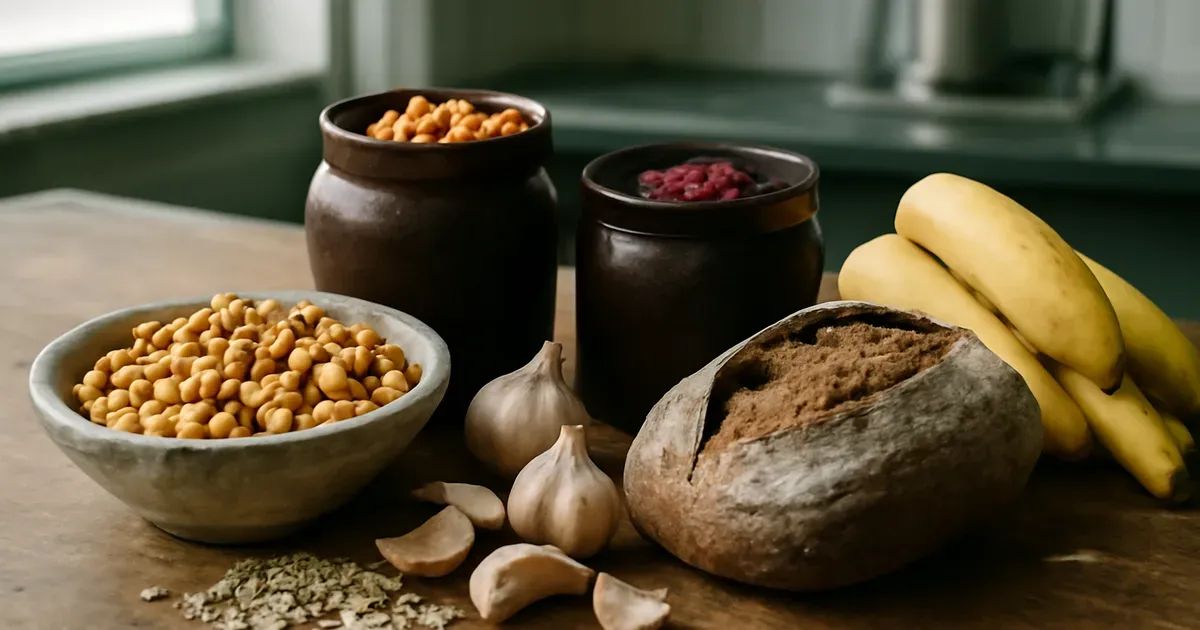
On Thursday, April 23, 2026, a striking convergence of research, trend coverage, and clinical findings across the health world points to one unmistakable conclusion: the gut microbiome is emerging as a central pillar of modern medicine and everyday wellness. From TikTok-fuelled fibre trends and prebiotic guides to discoveries linking gut bacteria to Parkinson's disease and IBS treatment response, today's stories reveal a field moving at remarkable speed. The science is getting more personal, more actionable, and more urgent. Here's what caught our attention.
Get to Know Your Microbiome: It Can Improve Gut Health and More
Understanding your own gut microbiome — the trillions of bacteria, fungi, and other microorganisms living in your digestive tract — may be one of the most practical steps you can take for long-term health. This overview piece highlights how microbiome awareness has grown from niche science into mainstream wellness, noting that personalised approaches to diet and lifestyle can meaningfully shift microbial composition. For everyday readers, the takeaway is simple: small, consistent changes to what you eat and how you live can have measurable effects on your gut environment and, by extension, your overall wellbeing.
Source: thedailynewsonline.com
The Scan by 2 Minute Medicine: TikTok 'Fibermaxxing' Trend Targets Gut Microbiome Diversity
The "fibermaxxing" trend — in which social media users deliberately maximise their dietary fibre intake to boost gut microbiome diversity — has gone mainstream on TikTok, and 2 Minute Medicine's weekly health scan takes a close look at the science behind it. Fibre feeds beneficial gut bacteria, and higher microbial diversity is consistently associated with better metabolic, immune, and mental health outcomes. While the trend is broadly positive, clinicians caution that rapid fibre increases can cause bloating and discomfort, so a gradual ramp-up is the smarter approach for most people.
Source: 2minutemedicine.com
Prebiotics Guide: Gut Health, Foods, and Supplements
A comprehensive new guide to prebiotics explains how these non-digestible food components act as fuel for beneficial gut bacteria, distinguishing them clearly from probiotics and synbiotics. The guide walks readers through the best dietary sources — including garlic, onions, leeks, asparagus, and bananas — as well as when supplements might be warranted. For anyone looking to support their microbiome without overhauling their entire diet, the practical food-first message is reassuring: many everyday ingredients already contain meaningful amounts of prebiotic fibre.
Source: trionutrition.com
Gut Microbiome Characteristics Predict Treatment Response in IBS-D Patients
New research published via News-Medical reveals that specific gut microbiome signatures in patients with diarrhoea-predominant irritable bowel syndrome (IBS-D) can predict whether they will respond to standard treatments. The findings suggest that baseline microbial composition — rather than symptom severity alone — may be a more reliable guide for clinicians selecting therapies. This moves IBS management a step closer to precision medicine, raising the prospect that stool microbiome tests could one day inform treatment decisions before a patient undergoes weeks of ineffective therapy.
Source: news-medical.net
7 Best Foods For Good Gut Health
A practical food-focused feature from Tasting Table identifies seven standout foods for gut health, spotlighting fermented options such as yoghurt, kefir, and kimchi alongside fibre-rich staples like legumes and whole grains. The piece reinforces the growing consensus that dietary diversity is the single most powerful lever most people can pull to improve their microbiome. With ultra-processed food consumption still rising globally, this kind of accessible, evidence-aligned guidance serves as a timely reminder that whole-food choices remain the foundation of gut wellness.
Source: tastingtable.com
7 Signs Your Microbiome Lacks Diversity
Inner Buddies outlines seven warning signs that your gut microbiome may be lacking in diversity, including frequent bloating, unpredictable digestion, persistent fatigue, recurring skin issues, mood instability, frequent illness, and strong sugar cravings. Low microbiome diversity is increasingly linked to a wide spectrum of chronic conditions, from metabolic disease to anxiety. Recognising these signals early gives individuals a meaningful window to intervene through dietary changes, stress management, and, where appropriate, targeted supplementation — before more serious health consequences emerge.
Source: innerbuddies.com
Gut Microbiome Clues May Help Spot Parkinson's Disease in Its Earliest Phase
Researchers have identified distinct gut microbiome patterns that may signal Parkinson's disease years before classic neurological symptoms appear, according to coverage in News-Medical. The gut-brain axis — the bidirectional communication pathway between intestinal bacteria and the central nervous system — is increasingly implicated in Parkinson's pathology, with certain bacterial imbalances appearing to precede motor symptoms by a decade or more. If validated in larger cohorts, microbiome screening could become a transformative early-detection tool, fundamentally shifting how neurologists approach Parkinson's prevention and intervention.
Source: news-medical.net
Microplastics Have Been Found to Interact With the Gut Microbiome
A report in The Conversation summarises emerging evidence that microplastics — now ubiquitous in food, water, and air — interact directly with the gut microbiome in ways that may harm health. Laboratory and early human studies suggest microplastics can disrupt microbial balance, promote inflammation, and potentially facilitate the entry of harmful chemicals into gut tissue. While the full clinical picture is still being established, the findings add a new environmental dimension to gut health conversations, suggesting that reducing plastic exposure is not just an ecological issue but a personal health priority.
Source: theconversation.com
Plexus 18 Year Anniversary Highlights Gut Health Focus
Direct-sales wellness company Plexus marked its 18th anniversary with renewed emphasis on gut health as the cornerstone of its product philosophy, according to a report in Business For Home. The company positions its supplement range around microbiome support, reflecting the broader industry trend of gut-centric product development. The announcement underscores how mainstream the microbiome space has become commercially — a field that was largely confined to academic research less than two decades ago is now a multi-billion-dollar consumer wellness category, with brands racing to translate microbiome science into marketable products.
Source: businessforhome.org
Today's Takeaway
Today's coverage paints a vivid picture of the gut microbiome's expanding role in human health — stretching far beyond digestion into neurology, mental health, chronic disease prevention, and even environmental medicine. Whether it's a TikTok trend, a clinical trial, or an early Parkinson's detection breakthrough, the message is consistent: what lives in your gut matters profoundly. The most actionable step remains the simplest — eat a diverse, fibre-rich, whole-food diet, reduce processed food and plastic exposure where possible, and pay attention to your body's early warning signals.