April 24, 2026 News Roundup: Gut Health Insights
Today's gut health news covers late-night snacking risks, red foods, coffee benefits, and what a healthy microbiome really looks like.

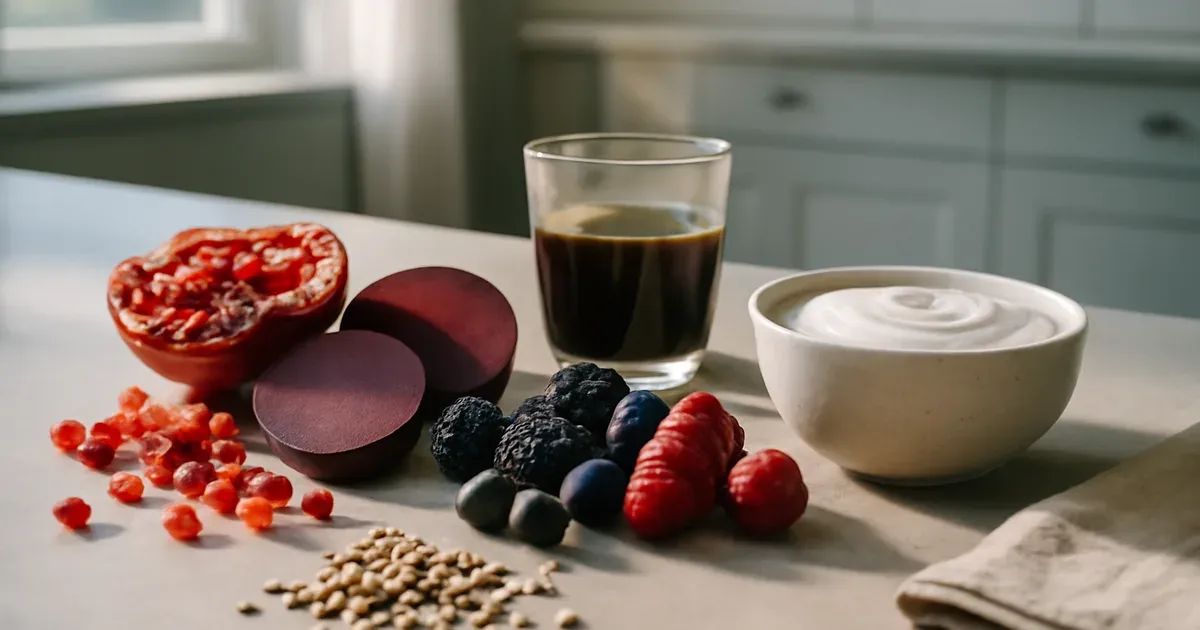
From late-night snacking habits to the surprising benefits of your morning coffee, Friday, April 24, 2026 brings a rich cluster of stories all pointing in the same direction: your gut microbiome is at the centre of modern health science. Researchers, surgeons, and brands alike are zeroing in on how diet, timing, stress, and even the colour of your food can shape the trillions of microorganisms living in your digestive tract — with consequences that ripple out to your brain, skin, immune system, and metabolism. Here's what caught our attention.
Late-Night Snacks Can Mess With Your Gut Health
A new study presented at Digestive Disease Week 2026 found that people who eat late at night while stressed are 2.5 times more likely to experience bowel problems such as constipation or diarrhea. Researchers also used stool samples to assess gut microbiome diversity — a key marker of overall health — and found that the combination of stress and late eating disrupts the delicate balance of intestinal microorganisms. The practical implication is straightforward: if you're already stressed, reaching for a midnight snack could compound the damage to your digestive system, making stress management and eating schedules equally important levers for gut health.
Source: everydayhealth.com
OLLY Expands Gut Health Portfolio with Launch of Precise Probiotics
Wellness brand OLLY has introduced a new probiotic line called Precise Probiotics, designed to go beyond general digestive support by targeting specific health outcomes including skin hydration, immune function, and metabolic wellness. Each product features clinically studied probiotic strains combined with SYNBIO and Bi-07, and one SKU contains SynbÆctive® ProBeautyShield, a strain linked to skin hydration and healthy pH balance. The launch reflects surging consumer demand for multi-benefit, microbiome-focused supplements — a signal that gut health is rapidly moving from niche wellness interest to mainstream priority, with buyers increasingly seeking products tailored to their individual needs.
Source: morningstar.com
Are Red Pigment Foods a Powerful Tool for Your Gut Health?
UK-based surgeon Dr Karan Rajan highlighted on April 23 that red-pigmented foods — including cranberries, beets, red cabbage, pomegranates, and red berries — are among the most potent dietary allies for the gut microbiome. The key compounds are pro-anthocyanidins (PACs), the polyphenols responsible for the deep red and purple colours in these foods; they actively feed beneficial bacteria while blocking harmful pathogens from taking hold. Dr Rajan noted that a single cup of mixed berries delivers 8 grams of fibre alongside those polyphenols, calling the combination "the synergy your gut bacteria need" — a simple, food-first upgrade almost anyone can make at the next grocery run.
Source: hindustantimes.com
Coffee Has Positive Impacts to Your Gut Health — Even When It's Decaf
A two-year study led by University of Cork Professor Cryan found that both caffeinated and decaffeinated coffee drinkers showed significantly higher levels of beneficial gut bacteria compared to non-coffee drinkers — including Firmicutes strains linked to positive emotional wellbeing in women. The research, which analysed stool and urine samples from 62 participants, suggests that coffee's gut benefits stem from its complex chemical makeup rather than caffeine alone. For the millions of people who switch to decaf for sleep or health reasons, this is reassuring news: you may be preserving your microbiome benefits even without the buzz.
Source: the-independent.com
What Are Three Signs of a Healthy Gut?
A practical explainer from InnerBuddies outlines that genuine gut health is easy to overlook because many people feel "fine" even when early imbalances are already developing beneath the surface. The piece highlights that roughly 90% of the body's serotonin is produced in the gut — primarily to regulate motility — illustrating just how tightly digestive biology and neurochemistry are intertwined. Key lifestyle signals of a well-functioning microbiome include predictable, comfortable digestion, stable energy, and resilience to stress; the article recommends consistent sleep, stress reduction, regular movement, and moderating alcohol as foundational habits before reaching for supplements or testing.
Source: innerbuddies.com
Metabolic Health: Do Bacteria Really Eat Your Gut's Lining?
A gastroenterologist-backed explainer addresses the alarming but often misrepresented fact that yes, certain gut bacteria do feed on mucins — the glycoproteins that form the protective mucus lining of the intestine. Under normal conditions, these bacteria actually help recycle mucus and stimulate its production, maintaining a healthy equilibrium; the danger arises when fibre intake is too low, causing mucus-feeding bacteria to proliferate unchecked and potentially compromise the gut barrier. A compromised gut lining — sometimes called "leaky gut" — can allow toxins and pathogens into the bloodstream, which is why experts recommend prioritising a wide range of plant-based fibre sources and fermented foods like yogurt, kefir, sauerkraut, and kimchi as daily habits.
Source: dnpindia.in
Today's Takeaway
Today's stories collectively paint a vivid picture of just how responsive the gut microbiome is to the choices we make every day — when we eat, what colour our food is, whether we drink coffee, and how much stress we carry to bed with us. The consistent message from researchers, clinicians, and brands alike is that the microbiome is not a static feature of your biology but a living system shaped meal by meal and habit by habit. Small, evidence-backed adjustments — a cup of mixed berries, a morning coffee, an earlier dinner — appear to add up to meaningful differences in digestive and whole-body health.