Best Foods for Gut Health and Your Microbiome
Discover the best science-backed gut health foods to nourish your microbiome, support the gut-brain axis, and reduce chronic disease risk.

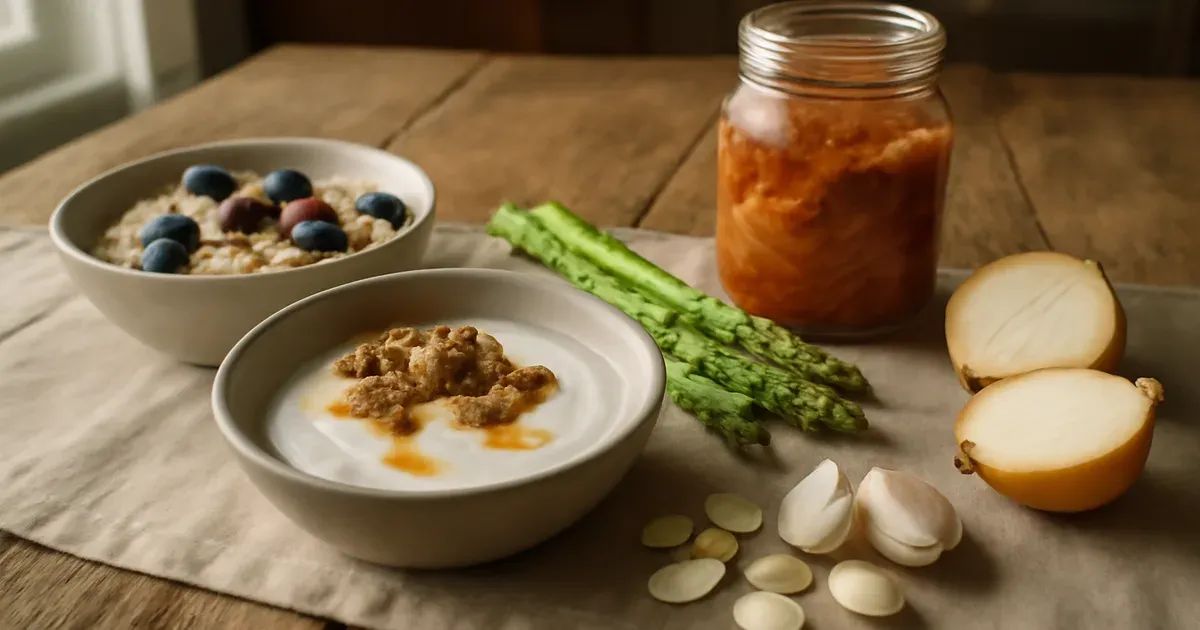
Your gut does far more than digest food. It regulates immunity, influences your mood, and may even determine your long-term cancer risk. Yet most people have no idea what to actually eat to keep it in good shape — and that gap between knowing gut health matters and knowing how to support it is exactly where most people get stuck.
The science is clear: what you eat shapes the trillions of microorganisms living in your gut microbiome. Feed them well, and they work for you. Neglect them, and the consequences ripple outward — from your digestion all the way to your brain. This guide breaks down the best gut health foods, why the gut-brain connection makes your diet choices more urgent than you think, and how to build a microbiome that genuinely supports your whole body.
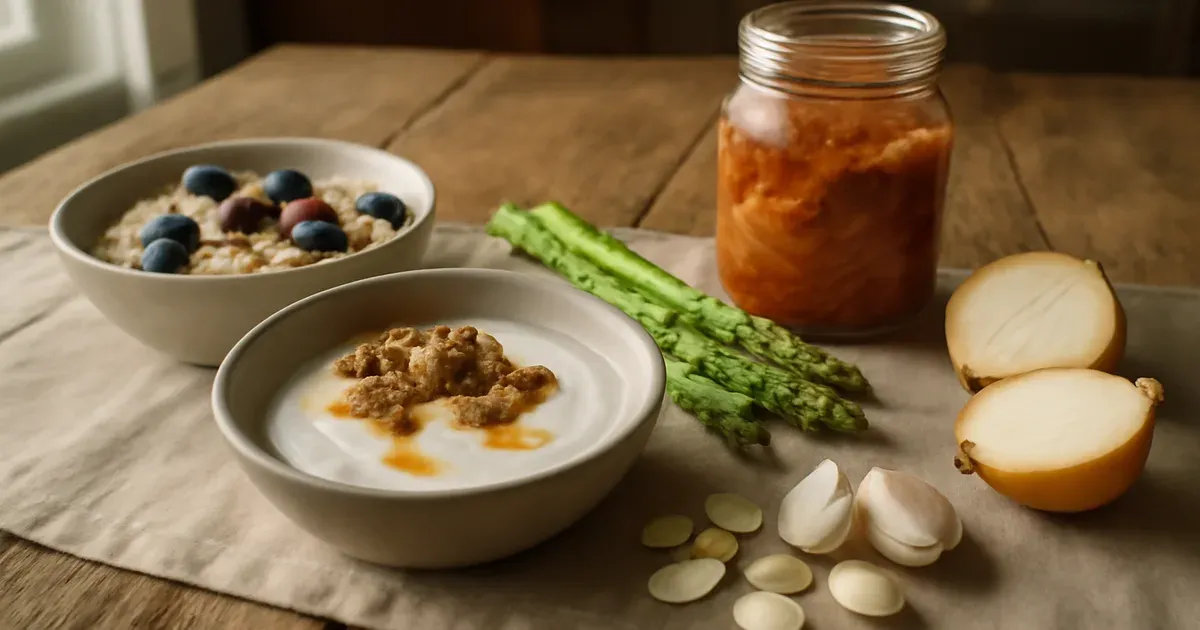
Why Your Gut Microbiome Is the Control Centre of Your Health
The gut microbiome is one of the most complex ecosystems on Earth — and it lives inside you. Made up of trillions of bacteria, viruses, and fungi, it governs far more than digestion. Emerging research links the microbiome to immune function, metabolic health, inflammation, and even mental well-being through what scientists call the gut-brain axis.
The gut-brain axis is a bidirectional communication highway connecting your digestive system and your central nervous system. Signals travel via the vagus nerve, immune molecules, and microbial metabolites. When your microbiome is imbalanced — a state known as dysbiosis — those signals can contribute to anxiety, brain fog, and low mood, not just bloating or discomfort.
Feeding your microbiome correctly is therefore not just a digestive matter. It is a whole-body strategy. And the foundation of that strategy starts with understanding two categories of gut health foods: probiotics and prebiotics.
Probiotics vs. Prebiotics: What Your Gut Actually Needs
Probiotics are live bacteria and yeasts that populate your gut and provide direct health benefits. They are found naturally in fermented foods and help maintain a diverse, resilient microbiome. But introducing live bacteria alone is not enough.
Prebiotics are the fuel those bacteria run on. They are non-digestible fibres found in plant-based foods that pass through your small intestine and feed beneficial bacterial strains in your colon. Without adequate prebiotics, even the best probiotic supplement or fermented food cannot sustain a healthy microbial community.
"They're like the fuel," Amy Bragagnini, RD, national spokesperson for the Academy of Nutrition and Dietetics, explained. "To make a lasting, sustainable microbiome, you need a balance of both [prebiotics and probiotics]." Think of it as planting seeds (probiotics) and then watering and fertilising them (prebiotics). Both steps are non-negotiable.
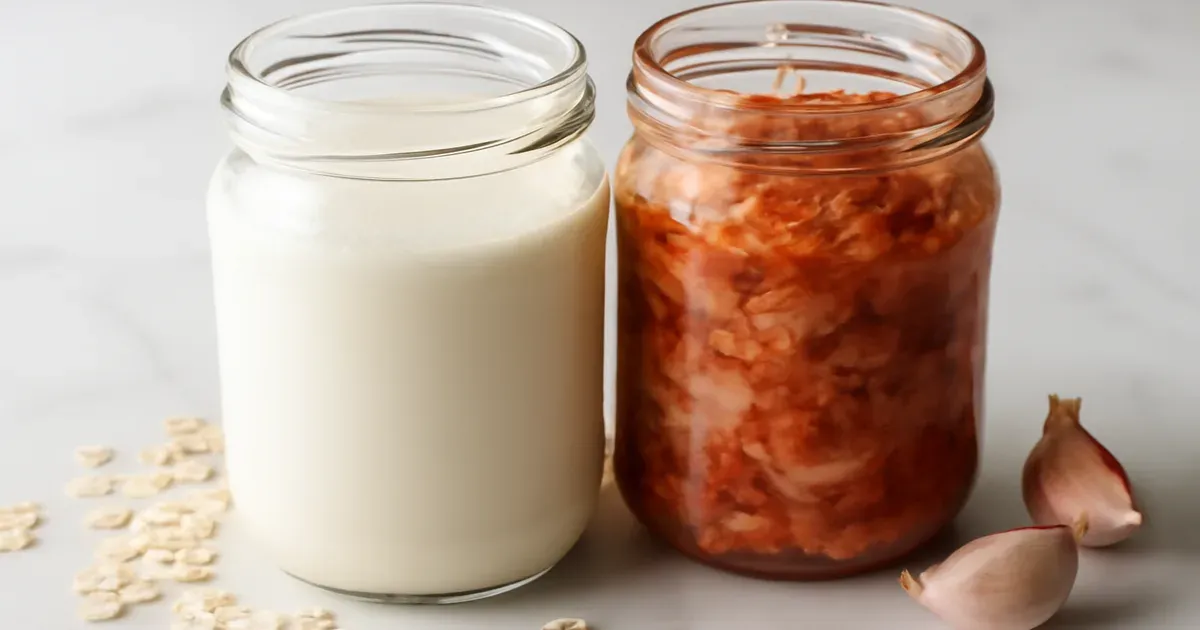
The Top Gut Health Foods Backed by Science
The following five foods are among the most well-researched gut health foods available. Each one offers a distinct mechanism for supporting your microbiome — whether by delivering live cultures, feeding existing bacteria, or reducing inflammation along the gut-brain axis.
1. Kimchi
Kimchi is a fermented Korean staple made primarily from cabbage and a blend of spices. Like sauerkraut, it undergoes lacto-fermentation, which means the natural bacteria on the vegetables proliferate and produce lactic acid — along with a rich supply of probiotics.
Studies have linked regular kimchi consumption to improved blood sugar regulation in prediabetic individuals and better metabolic health markers overall. Its spicy, tangy profile makes it versatile: stir it into grain bowls, fried rice, or eat it as a side. Look for it refrigerated in grocery stores, as shelf-stable versions are typically pasteurised and lack live cultures.
2. Yogurt and Kefir
Both yogurt and kefir are fermented dairy products packed with probiotics and beneficial bacteria produced during fermentation. Look for labels that specify "live and active cultures" — this confirms the product contains the strains your gut microbiome can actually use.
The gut-health benefits of yogurt extend beyond digestion. A study published in the journal Gut Microbes found that long-term yogurt consumption of two or more servings per week was associated with lower rates of proximal colorectal cancer. Kefir, a drinkable fermented yogurt, goes further — research shows it improves immune function, gastrointestinal health, and metabolic markers while reducing systemic inflammation, which also benefits the gut-brain axis.
3. Oatmeal
Whole grains like oatmeal are one of the richest prebiotic sources in a typical diet. Their high fibre content, resistant starch, and naturally occurring prebiotics feed beneficial bacterial strains and support the structural integrity of the gut lining.
A 2005 study found that whole grain consumption reduced colorectal cancer risk in women. Researchers identified several mechanisms: prebiotics improving the microbiome, fibre diluting potential carcinogens in the colon, and reduced transit time limiting colon tissue's exposure to harmful compounds. For the gut-brain axis, a healthier gut lining means fewer inflammatory signals reaching the brain.
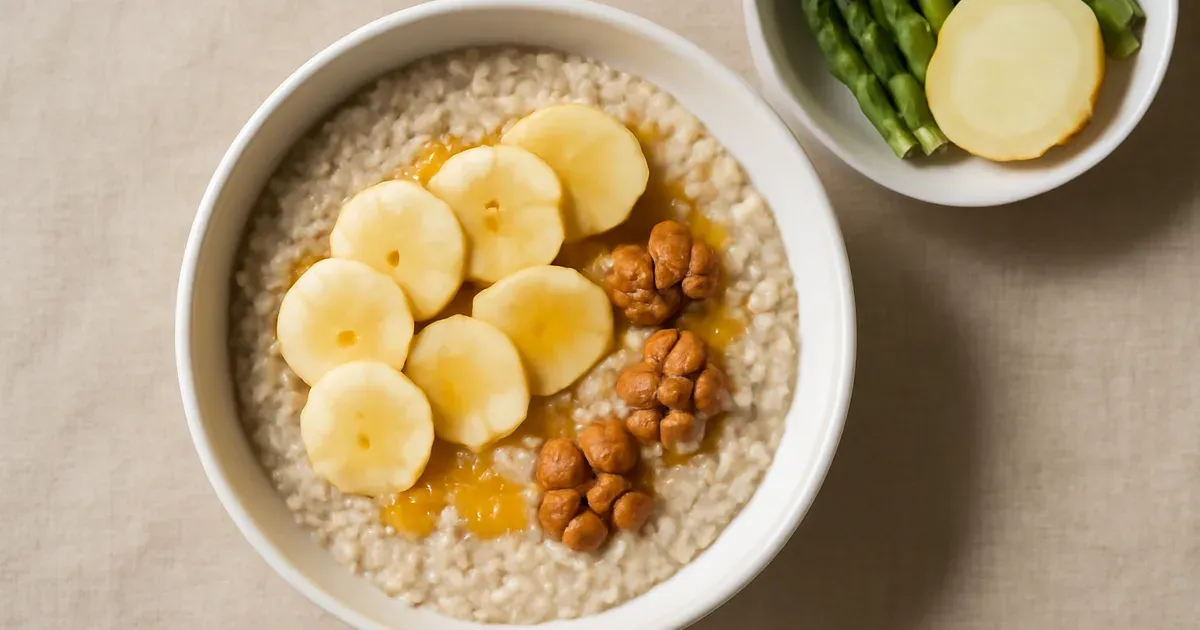
4. Onions and Garlic
Onions and garlic are alliums loaded with fructooligosaccharides and inulin — two of the most well-studied prebiotic fibres known to selectively feed beneficial gut bacteria like Bifidobacterium and Lactobacillus strains.
Studies show these vegetables may improve symptoms linked to gastrointestinal distress, cardiovascular disease, osteoporosis, atherosclerosis, and Type 2 diabetes. Their antimicrobial and anti-inflammatory properties also make them useful for keeping pathogenic bacteria in check. Eaten raw, they deliver the highest prebiotic load — but even cooked, they remain a meaningful contribution to a gut-supportive diet.
5. Asparagus
Asparagus ranks among the most prebiotic-dense vegetables you can eat. It is packed with beneficial phytochemicals including inulin, fructans, flavonoids, xylose, and saponins — a combination that actively promotes the growth of specific probiotic bacterial strains.
Asparagus's high fibre content works synergistically with these phytochemicals to create a gut environment where beneficial microbes can thrive. Because a diverse, well-fed microbiome produces short-chain fatty acids (SCFAs) that cross the blood-brain barrier and influence mood and cognition, eating asparagus regularly is a genuinely meaningful choice for gut-brain health — not just digestion.
The Gut-Brain Connection: Why Your Food Choices Affect Your Mind
The gut-brain axis turns every meal into a neurological event. When you eat gut health foods rich in prebiotics and probiotics, your microbiome produces SCFAs, neurotransmitter precursors like serotonin, and anti-inflammatory compounds. These molecules travel via the vagus nerve and bloodstream to influence brain chemistry, stress response, and emotional regulation.
Approximately 90% of the body's serotonin is produced in the gut — not the brain. This single fact reframes the entire conversation around mood disorders and mental well-being. A microbiome starved of prebiotic fibre and live cultures cannot produce these compounds efficiently, and the downstream effects can include disrupted sleep, heightened anxiety, and impaired cognitive performance.
Supporting your microbiome with the right foods is therefore one of the most direct levers you have over your mental health — alongside sleep, exercise, and stress management. The gut-brain axis is not a theory. It is a well-documented physiological system, and diet is its primary input.

How to Build a Gut-Healthy Diet That Actually Sticks
Diversity is the single most important principle when building a gut-healthy eating pattern. Research consistently shows that people who eat 30 or more different plant-based foods per week have significantly more diverse microbiomes than those eating fewer varieties.
Start by layering prebiotic-rich foods — oats, garlic, onions, asparagus, leeks, bananas, and legumes — as the base of your meals. Then add fermented probiotic foods like kimchi, yogurt, and kefir as regular accompaniments rather than occasional add-ons. Consistency matters more than quantity.
Limit ultra-processed foods, refined sugars, and artificial sweeteners, all of which have been shown to negatively alter gut microbiome composition and reduce microbial diversity. Even small daily choices — swapping a processed snack for a handful of seeds, or adding a spoonful of kimchi to lunch — compound into meaningful microbiome changes over weeks and months.
The Bottom Line on Gut Health Foods
Gut health is not a wellness trend — it is a physiological foundation. The foods you eat every day determine whether your microbiome is diverse and resilient or depleted and imbalanced. A depleted microbiome does not just affect digestion; it impairs immunity, raises chronic disease risk, and disrupts the gut-brain axis in ways that affect how you think and feel.
The five gut health foods covered here — kimchi, yogurt and kefir, oatmeal, onions and garlic, and asparagus — are supported by robust science and are accessible enough to incorporate into any eating pattern. Pair prebiotic-rich plants with probiotic fermented foods, prioritise dietary diversity, and stay consistent. Your microbiome — and your brain — will reflect the investment.
Frequently Asked Questions
What are the best gut health foods to eat daily?
The best daily gut health foods combine prebiotics and probiotics. Prioritise fermented foods like yogurt, kefir, and kimchi for live bacterial cultures, and pair them with prebiotic-rich plants like oats, garlic, onions, and asparagus. Eating a variety of these foods regularly supports a diverse, resilient microbiome more effectively than any single "superfood."
How does gut health affect the brain?
Gut health affects the brain through the gut-brain axis, a bidirectional communication system linking the digestive tract and central nervous system. The gut produces roughly 90% of the body's serotonin, and a well-fed microbiome generates short-chain fatty acids and other compounds that influence mood, cognition, and stress response. Dysbiosis — an imbalanced microbiome — is associated with increased risk of anxiety and depression.
What is the difference between probiotics and prebiotics?
Probiotics are live microorganisms found in fermented foods and supplements that directly add beneficial bacteria to your gut. Prebiotics are non-digestible fibres found in plant-based foods that serve as fuel for those bacteria. Both are essential: probiotics introduce and replenish beneficial strains, while prebiotics sustain and grow them over time.
Can eating gut health foods reduce cancer risk?
Research suggests that certain gut health foods may lower colorectal cancer risk. Long-term yogurt consumption has been linked to lower rates of proximal colorectal cancer, while whole grains like oatmeal have been shown to reduce colorectal cancer risk in women. The mechanisms include improved microbiome composition, reduced carcinogen exposure in the colon, and faster intestinal transit time.
How long does it take to improve your gut microbiome through diet?
Meaningful microbiome changes can occur within two to four weeks of consistent dietary improvement, according to multiple studies. Introducing diverse plant-based prebiotics and fermented probiotic foods regularly is the fastest dietary route to shifting microbiome composition. However, long-term stability requires sustained habits — short-term dietary changes tend to produce short-term microbiome shifts.