Best Foods for Gut Health & Your Microbiome
Discover the best foods for gut health — high-fibre, probiotic, and prebiotic choices that boost microbiome diversity and support the gut-brain axis.

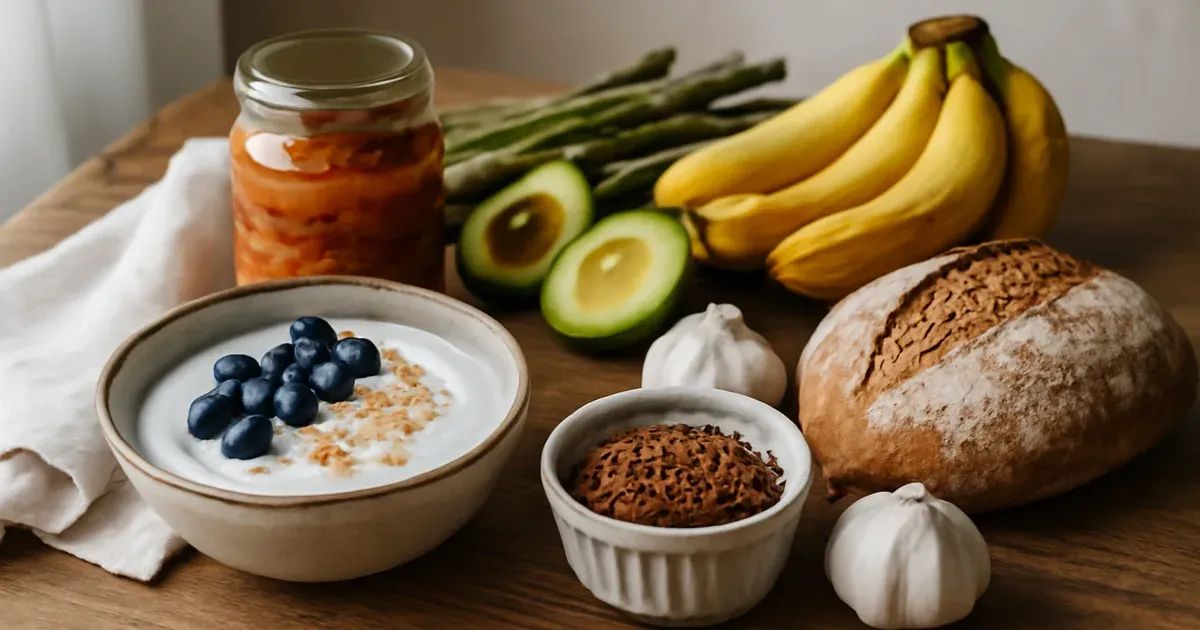
Your digestive system is home to trillions of microorganisms — and what you eat shapes every single one of them. Bloating, brain fog, low mood, sluggish digestion: these are not random inconveniences. They are often signals that your gut microbiome is out of balance. The good news is that choosing the best foods for gut health is one of the most powerful levers you have for changing how you feel — physically and mentally.
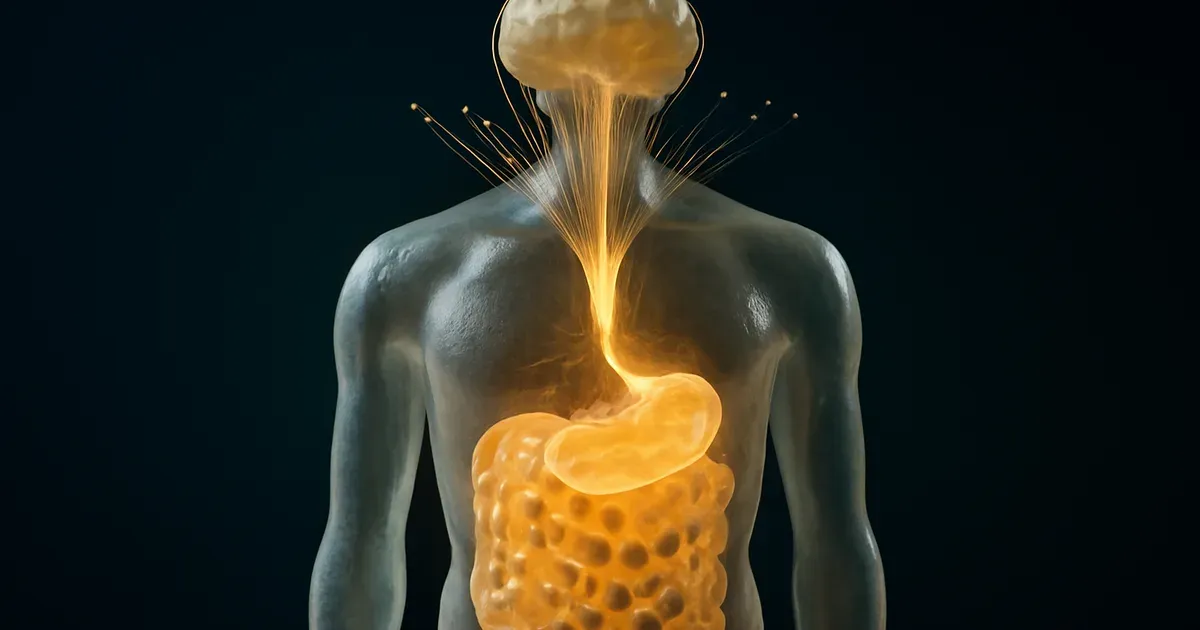
Research into the gut-brain axis has accelerated dramatically in recent years, revealing that the bacteria living in your intestines communicate directly with your brain via the vagus nerve, immune signals, and neurotransmitter production. In other words, feeding your gut well is also feeding your mind.
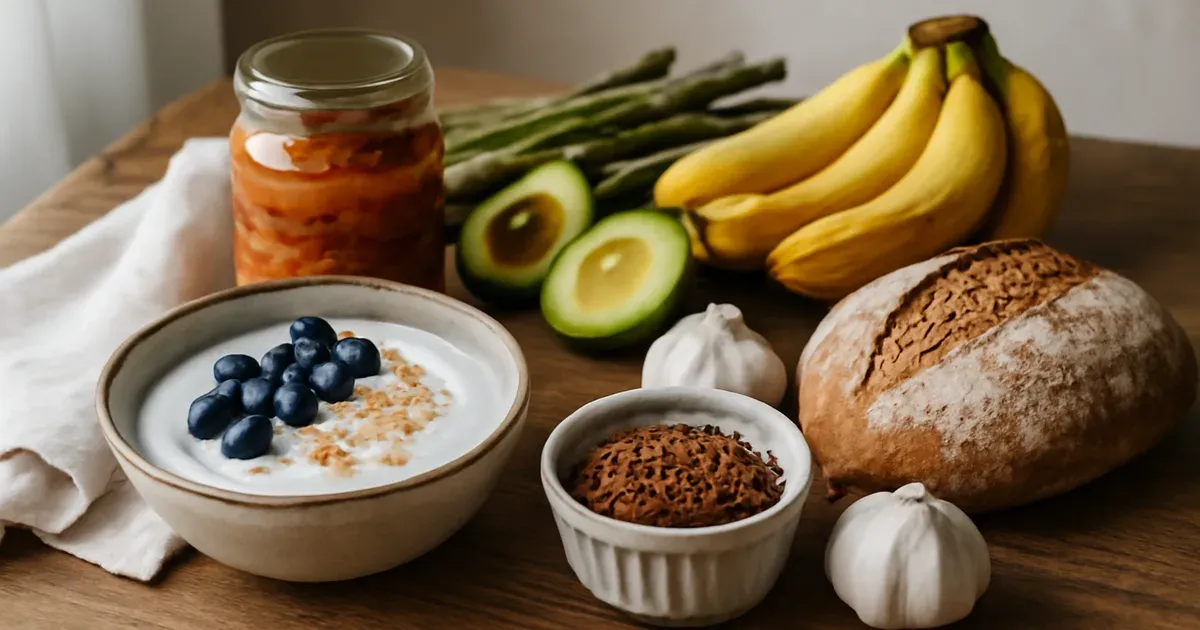
What Is Gut Health — and Why Does Your Microbiome Matter?
Gut health refers to the overall function of your entire digestive system, from your stomach through your colon and intestines. Inside this system lives the gut microbiome: a complex community of bacteria, fungi, viruses, and other microorganisms numbering in the trillions.
"Our gut microbiome is mostly bacteria, but there are also some fungi and viruses and other little critters that live in our gut," explains Bonnie J. Kaplan, Ph.D., a research psychologist and professor emeritus at the University of Calgary's Cumming School of Medicine. These helpful microbes coexist with — and keep in check — potentially harmful microbes.
Microbiome diversity is the key metric to watch. The more varied the species living in your gut, the more resilient and functional the system becomes. A diverse microbiome supports digestion, regulates metabolism, moderates inflammation, and strengthens the immune system. Low diversity, on the other hand, has been linked to inflammatory diseases, metabolic disorders, and even mental health conditions like anxiety and depression.
The gut-brain connection makes this especially significant. The gut produces roughly 90% of the body's serotonin — the neurotransmitter most associated with mood stability. When the microbiome is disrupted, serotonin production can falter, affecting everything from sleep quality to emotional regulation. Eating the best foods for gut health is not just about digestion; it is about whole-body and whole-mind wellbeing.
Signs Your Gut Microbiome Is Out of Balance
Many everyday factors can disrupt the delicate balance of the gut microbiome. Infectious illnesses, highly processed diets, prolonged antibiotic use, chronic stress, and poor sleep can all reduce microbial diversity and allow harmful microbes to proliferate.
According to the Cleveland Clinic, common signs of an unhealthy gut include:
- Constipation
- Diarrhoea
- Bloating
- Gas and gas pain
- Heartburn
Beyond digestive symptoms, microbiome imbalance — sometimes called dysbiosis — can manifest in unexpected ways. Persistent fatigue, frequent illness, skin conditions like eczema, and even heightened anxiety or low mood have all been associated with poor gut health. The gut-brain axis runs in both directions: a stressed brain can disrupt the gut, and a disrupted gut can stress the brain.
Recognising these signs is the first step. The second step is taking deliberate action through diet — which is where the best foods for gut health come in.
High-Fibre Foods: The Foundation of a Healthy Gut
Fibre is the single most important dietary factor for microbiome diversity. Fibre-rich foods contain compounds that increase the number and variety of gut bacteria, creating a richer, more resilient microbial ecosystem.
Good sources of fibre include:
- Whole grains — brown rice, quinoa, oats, whole grain bread
- Vegetables — aim to vary colours and types each week
- Fruits — both fresh and dried
- Nuts and seeds — especially flaxseed, chia, and almonds
- Legumes — beans, lentils, chickpeas, edamame
A practical way to think about your plate: Kaplan recommends filling half your plate with fruits and vegetables, and the other half with lean protein and complex carbohydrates like whole grains. An equally useful strategy is to aim for as many colours as possible — from purple berries to dark leafy greens to brown grains. Each colour represents different phytonutrients that feed distinct microbial species.
Lentils deserve a special mention. They cook quickly, work in soups, salads, and even homemade burgers, and a single cup delivers 16 grams of fibre, 18 grams of protein, and a significant dose of folate. Canned beans are another convenient option — just rinse them thoroughly before use to reduce added sodium.
Switching from refined to whole grains is one of the simplest upgrades you can make. Replace white rice with brown rice or quinoa. Swap white bread for a dense whole grain loaf. Limiting processed foods is equally important — ultra-processed products tend to reduce microbial diversity, even when consumed in moderate amounts.
Probiotic Foods: Introducing Live Bacteria to Your Gut
Probiotic foods deliver live, beneficial bacteria directly to your intestines. Made through fermentation — a process in which yeast and bacteria break down sugars — these foods actively increase the number and diversity of microorganisms in your gut. They also support immune function, which is closely tied to gut health.
The best probiotic foods for gut health include:
- Yogurt — choose plain, unsweetened varieties with "live and active cultures"
- Kefir — a fermented milk drink that is even richer in bacterial strains than yogurt
- Kimchi — a spicy fermented Korean vegetable dish packed with Lactobacillus bacteria
- Sauerkraut — fermented cabbage; choose refrigerated, unpasteurised versions
- Kombucha — a fermented tea drink; watch for added sugars
- Miso and tempeh — fermented soy products used widely in Japanese and Indonesian cuisine
- Sourdough bread — made with a live bacterial starter rather than commercial yeast
- Pickled vegetables — brined in salt water, not vinegar, to preserve live cultures
A simple probiotic-boosting habit: Dr. Drew Ramsey, assistant clinical professor of psychiatry at Columbia University, recommends making smoothies with kefir combined with bananas and blueberries. The kefir provides live bacteria; the fruit supplies fibre and antioxidants that feed those bacteria once they arrive in the gut.
Always check the sugar content. Kaplan advises looking for yogurt, kefir, and other fermented foods without added sugar — excess sugar can undermine the microbiome benefits these foods provide.
Prebiotic Foods: Fuel for the Good Bacteria Already Inside You
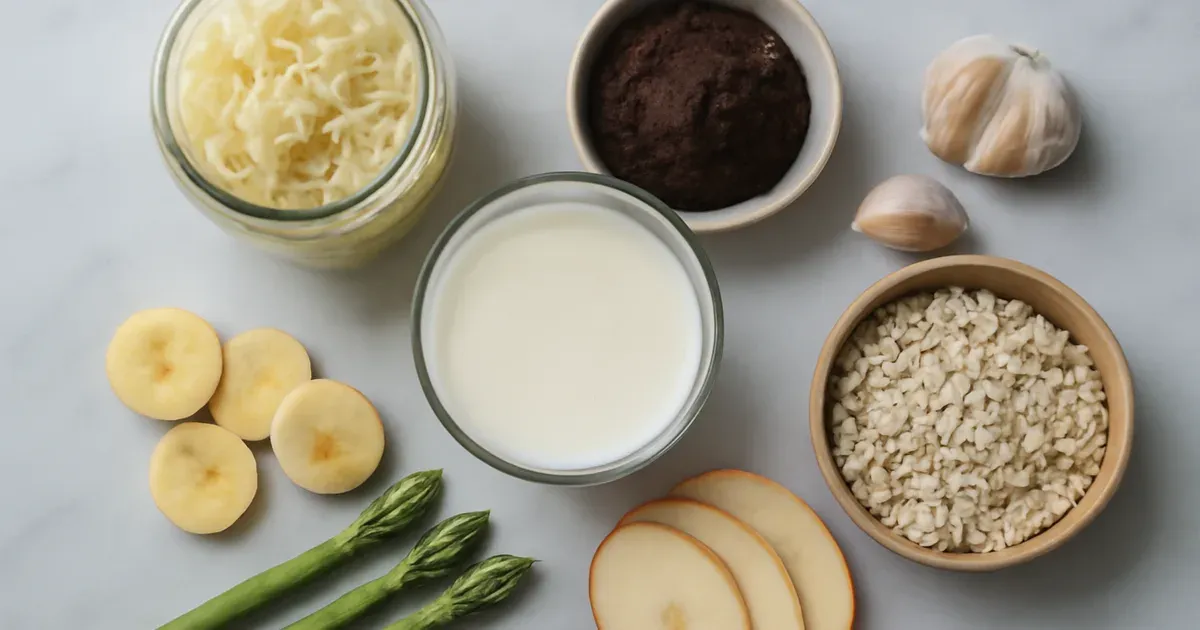
While probiotics introduce new bacteria, prebiotics feed the beneficial bacteria already living in your gut. Prebiotics are a specific type of dietary fibre that the human body cannot digest — but gut bacteria can. When bacteria ferment prebiotics, they produce short-chain fatty acids (SCFAs) like butyrate, which nourish the gut lining, reduce inflammation, and support brain health.
The best prebiotic foods include:
- Garlic and onions — rich in inulin, a powerful prebiotic fibre
- Leeks — similarly high in inulin and fructooligosaccharides
- Asparagus — one of the most concentrated prebiotic vegetables
- Oats — contain beta-glucan, a fibre shown to increase beneficial Bifidobacteria
- Bananas — especially slightly underripe bananas, which are higher in resistant starch
- Apples — contain pectin, a fibre that feeds good bacteria and may reduce pathogenic bacteria
- Avocado — high in fibre and healthy fats that support the gut lining
SCFAs produced from prebiotic fermentation have direct gut-brain effects. Butyrate, in particular, has been shown to cross the blood-brain barrier, reduce neuroinflammation, and support the production of brain-derived neurotrophic factor (BDNF) — a protein essential for learning and mood regulation. Eating prebiotic-rich foods is one of the most direct ways to support the gut-brain axis through diet.
Combining prebiotics and probiotics is even more effective than using either alone. A meal of yogurt topped with sliced banana and oats, or a grain bowl with sauerkraut, garlic-roasted vegetables, and avocado, delivers both live bacteria and the fibre those bacteria need to thrive.
The Gut-Brain Axis: Why Your Microbiome Shapes Your Mind
The gut-brain axis is a bidirectional communication network connecting the central nervous system with the enteric nervous system — the 500 million neurons embedded in the gut wall. Signals travel via the vagus nerve, the immune system, the endocrine system, and through the metabolites produced by gut bacteria themselves.
Microbial imbalance has been linked to a spectrum of neurological and psychiatric conditions, including depression, anxiety, autism spectrum disorder, and even neurodegenerative diseases like Alzheimer's. While the field is still emerging, the evidence consistently points in one direction: a healthier, more diverse microbiome is associated with better mental health outcomes.
This means the best foods for gut health are also, in a meaningful sense, the best foods for brain health. The omega-3 fatty acids in walnuts and flaxseed support the gut lining and reduce neuroinflammation. The polyphenols in blueberries, dark chocolate, and olive oil selectively feed beneficial bacterial strains. The fermented foods that populate your gut with Lactobacillus and Bifidobacterium species may also increase GABA production — the brain's primary calming neurotransmitter.

How to Build a Gut-Healthy Eating Pattern
Small, consistent changes produce more lasting microbiome improvements than dramatic overhauls. Here is a practical framework for incorporating the best foods for gut health into daily life:
- Diversify your plant foods. Aim for 30 or more different plant foods per week — this single habit has been shown in research to significantly increase microbiome diversity. Rotate your grains, vary your vegetables, and try a new legume each week.
- Add a fermented food daily. A serving of yogurt at breakfast, kimchi alongside dinner, or a small glass of kefir in a smoothie — consistency matters more than quantity.
- Eat the rainbow. Different coloured plant foods feed different microbial species. A plate rich in purples, reds, greens, oranges, and browns provides a broader range of polyphenols and fibres.
- Swap refined grains for whole grains. This one substitution increases fibre intake substantially and removes a key driver of microbiome disruption.
- Reduce ultra-processed foods. These products contain emulsifiers, artificial sweeteners, and preservatives that have been shown to reduce microbial diversity and increase gut permeability.
- Stay hydrated. Water supports the mucosal lining of the intestines, which is a critical part of the gut barrier that keeps bacteria where they belong.
Building a gut-healthy plate does not require perfection — it requires consistency and variety. Over time, even modest dietary changes can meaningfully shift the composition and diversity of the gut microbiome.
The Bottom Line
The best foods for gut health fall into three clear categories: high-fibre whole foods that increase microbial diversity, probiotic fermented foods that deliver live bacteria to the intestines, and prebiotic foods that fuel the beneficial bacteria already present. Eating from all three categories, consistently and in variety, is the most evidence-backed dietary strategy for a thriving microbiome.
Beyond digestion, the stakes are high. A diverse, well-fed microbiome supports immune function, reduces systemic inflammation, and — through the gut-brain axis — plays a measurable role in mood, cognition, and mental resilience. What you put on your plate today is, quite literally, shaping the health of your brain tomorrow.
Start simple: add a fermented food to one meal, swap white rice for brown, and aim to eat five different vegetables this week. Diversity, above all else, is what your microbiome is asking for.
Frequently Asked Questions
What are the best foods for gut health?
The best foods for gut health include high-fibre whole grains, legumes, fruits, and vegetables alongside probiotic fermented foods like yogurt, kefir, kimchi, and sauerkraut, and prebiotic foods such as garlic, oats, bananas, and asparagus. Combining all three food types provides the broadest benefit to the gut microbiome.
How does the gut microbiome affect mental health?
The gut microbiome influences mental health through the gut-brain axis — a bidirectional communication network involving the vagus nerve, immune signals, and neurotransmitter production. Gut bacteria produce around 90% of the body's serotonin and significant amounts of GABA. Dysbiosis — microbial imbalance — has been associated with depression, anxiety, and cognitive decline.
How quickly can diet change your gut microbiome?
Research suggests that meaningful changes to the gut microbiome can occur within 3 to 4 days of a significant dietary shift. However, lasting, structural changes to microbial diversity require sustained dietary habits over weeks and months. Consistent consumption of fibre-rich and fermented foods produces the most durable improvements.
Are probiotic supplements as effective as probiotic foods?
Probiotic supplements can be useful in specific clinical contexts, such as during or after antibiotic use, but whole fermented foods generally deliver a broader range of bacterial strains alongside fibre, vitamins, and bioactive compounds that supplements do not replicate. Most gut health researchers recommend prioritising food-based sources first.
What foods should you avoid for better gut health?
Ultra-processed foods are the most significant dietary threat to gut microbiome diversity. Artificial sweeteners (particularly saccharin and sucralose), emulsifiers found in packaged foods, and excess refined sugar have all been shown to reduce beneficial bacterial populations and increase gut permeability. Limiting these while increasing whole, plant-based foods is the most effective combined strategy.