Breathwork & Gut Health: Your Biggest Questions Answered
Discover how breathwork and gut health are connected, which techniques support digestion, and how the gut-brain axis links stress to your microbiome.


Most people know that stress affects the stomach — but fewer understand why, or what they can actually do about it. The connection between breathing, the nervous system, and the gut microbiome is backed by a growing body of science, yet it remains surprisingly misunderstood. Whether you're dealing with bloating, irregular digestion, or simply want to feel calmer after meals, this FAQ breaks down everything you need to know about breathwork and gut health — clearly and practically.
Jump to a question:
What is the connection between breathwork and gut health?
How does stress damage the gut microbiome?
What is the gut-brain axis and why does it matter?
Which breathwork techniques are best for digestion?
Diaphragmatic breathing vs 4-7-8 breathing: which is better for gut health?
What is the vagus nerve and how does humming breath stimulate it?
Can breathwork improve the gut microbiome long-term?
How do I combine breathwork with gut-friendly nutrition for best results?
What is the connection between breathwork and gut health?
Breathwork and gut health are linked through the autonomic nervous system, which governs both breathing patterns and digestive function. When you breathe slowly and deeply, you activate the parasympathetic nervous system — commonly known as the "rest-and-digest" mode — which signals to the body that it is safe to prioritise digestion, nutrient absorption, and gut repair.
Conversely, shallow, rapid breathing — the kind that accompanies stress or anxiety — keeps the body locked in "fight-or-flight" mode. In this state, blood flow and energy are diverted away from the gut, slowing motility and impairing the balance of gut bacteria.
This bidirectional relationship means that the breath is one of the few conscious levers you can pull to directly influence gut function. Practising intentional breathing is not a wellness trend — it is a physiologically grounded intervention with real downstream effects on digestion and the gut microbiome.
How does stress damage the gut microbiome?
Chronic stress disrupts the gut microbiome by altering the balance of beneficial and harmful bacteria, a state known as dysbiosis. When the body is under prolonged stress, it releases cortisol, a hormone that — over time — can degrade the intestinal lining and allow bacteria and toxins to cross into the bloodstream, a condition sometimes called "leaky gut."
The microbiome is remarkably sensitive to stress signals. Research shows that stress-induced changes in gut motility, immune activity, and secretions all create an environment that favours harmful bacterial strains over beneficial ones.
Practical consequences of stress-related microbiome disruption can include:
- Bloating and gas from fermentation imbalances
- Constipation or diarrhoea due to altered motility
- Increased gut inflammation, which may worsen existing digestive conditions
- Mood changes, since gut bacteria produce a significant proportion of the body's serotonin
Addressing the stress response — through tools like breathwork — is therefore not just good for the mind; it is genuinely protective of microbiome diversity.
What is the gut-brain axis and why does it matter?
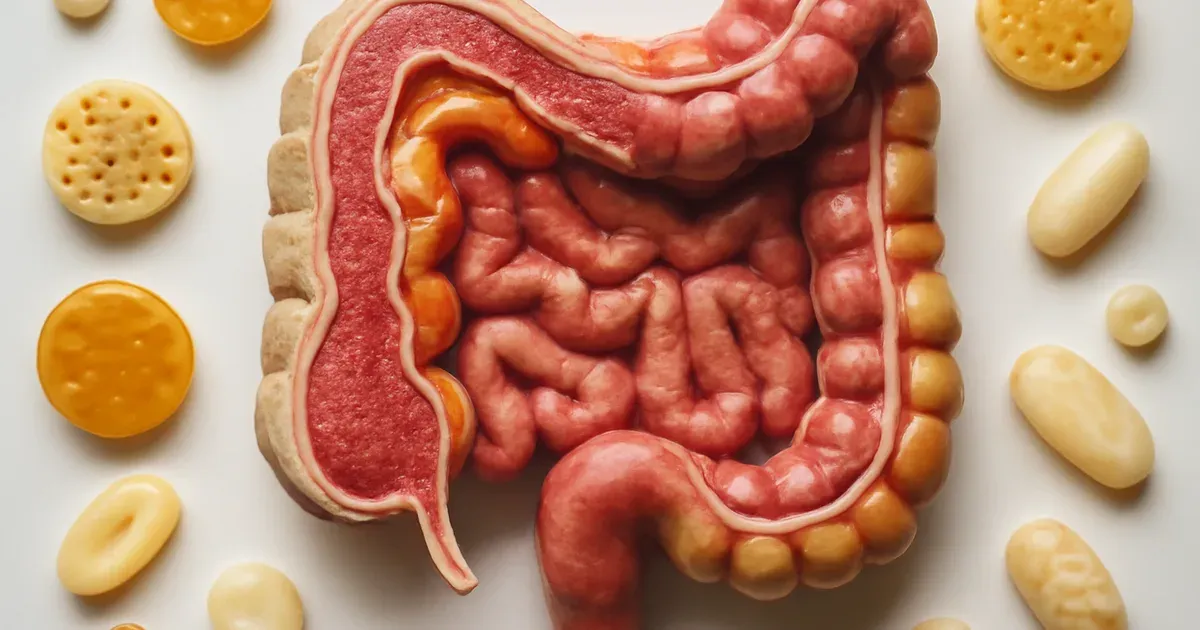
The gut-brain axis is a two-way communication network connecting the central nervous system to the enteric nervous system of the gastrointestinal tract. It operates through neural, hormonal, and immunological pathways, meaning the brain influences gut function and the gut influences brain function — constantly and simultaneously.
The vagus nerve is the primary physical highway of the gut-brain axis. It carries signals in both directions: stress messages from the brain can trigger gut symptoms, while a disrupted microbiome can send distress signals back to the brain, affecting mood, cognition, and anxiety levels.
Understanding the gut-brain axis helps explain why stress feels physical — because it is. It also explains why interventions like breathwork, which calm the nervous system, can have measurable effects on digestive symptoms. Supporting the gut-brain axis is increasingly seen as central to whole-body health, not just digestive wellness.
Which breathwork techniques are best for digestion?
Three breathwork techniques are particularly well-supported for improving digestion: diaphragmatic breathing, 4-7-8 breathing, and humming breath (also called bee breath or Bhramari). Each targets the nervous system in slightly different ways but all share the goal of shifting the body out of fight-or-flight and into rest-and-digest mode.
Here is a quick overview of when to use each:
- Diaphragmatic breathing — best used first thing in the morning or any time you feel digestive tension building throughout the day
- 4-7-8 breathing — ideal practised for 2–3 minutes before meals to prepare the digestive system for optimal absorption
- Humming breath — most effective in the evening to activate the vagus nerve and support gut repair overnight
Consistency matters more than duration. Even five minutes of intentional breathwork daily can begin to shift the nervous system's default state away from chronic stress activation, creating a more hospitable internal environment for gut health.

Diaphragmatic breathing vs 4-7-8 breathing: which is better for gut health?
Both diaphragmatic breathing and 4-7-8 breathing support gut health, but they do so with different strengths and are best used at different times. Neither is universally superior — the right choice depends on your goal and the moment.
The table below compares the two techniques across the factors most relevant to digestion and stress:
| Feature | Diaphragmatic Breathing | 4-7-8 Breathing |
|---|---|---|
| Mechanism | Activates parasympathetic NS via slow, deep breaths | Combines breath retention to extend vagal tone |
| Best timing | Morning, during stress peaks, between meals | 2–3 minutes before eating, before sleep |
| Skill level | Beginner-friendly | Easy to learn, takes 1–2 days to feel natural |
| Gut benefit | Relaxes digestive tract, improves motility | Prepares gut for nutrient absorption, reduces pre-meal anxiety |
| Duration | 5–10 breaths (1–2 minutes) | 3–4 full cycles (2–3 minutes) |
For most people, diaphragmatic breathing is the best starting point because it requires no counting and can be done anywhere. Once established as a habit, adding 4-7-8 breathing before meals creates a meaningful second layer of digestive support.
Both techniques are more effective when practised consistently than when used only in moments of acute discomfort.
What is the vagus nerve and how does humming breath stimulate it?
The vagus nerve is the longest cranial nerve in the body and the primary driver of the parasympathetic nervous system, running from the brainstem down through the throat, lungs, heart, and intestines. It is the anatomical backbone of the gut-brain axis and plays a direct role in regulating digestion, inflammation, and gut motility.
Humming breath — known in yoga as Bhramari pranayama — stimulates the vagus nerve through vibration. When you exhale with a gentle hum, the vibration resonates in the throat and chest, where significant vagal nerve endings are located. This sends a direct calming signal along the vagus nerve to the gut.
To practise humming breath:
- Inhale deeply through the nose
- Exhale while producing a soft, steady hum
- Feel the vibration in your throat and sternum
- Repeat for 1–2 minutes
Regular vagus nerve stimulation through humming breath has been associated with reduced gut inflammation, improved intestinal motility, and a measurable improvement in the diversity of gut microbiome species — all of which support long-term digestive health.

Can breathwork improve the gut microbiome long-term?
Consistent breathwork practice can support a healthier, more diverse gut microbiome over time by lowering the physiological stress load the body carries. The microbiome is not a static ecosystem — it responds to the internal environment, including hormone levels, gut motility, immune activity, and inflammation, all of which are influenced by chronic stress.
By regularly activating the parasympathetic nervous system through breathwork, you create conditions in which beneficial bacterial strains are more likely to thrive. Lower cortisol levels reduce gut permeability. Improved motility prevents stagnation that can encourage the overgrowth of less desirable organisms.
It is important to note that breathwork works best as one component of a broader strategy. The gut microbiome also responds strongly to:
- Dietary fibre and polyphenols, which feed beneficial bacteria
- Fermented and live culture foods, which introduce new strains directly
- Sleep quality, which is itself improved by evening breathwork
- Physical movement, which supports gut transit and microbial diversity
Think of breathwork as a daily signal you send your nervous system — and by extension, your microbiome — that the threat has passed and it is safe to restore balance.
How do I combine breathwork with gut-friendly nutrition for best results?
Combining breathwork with gut-supportive nutrition creates a synergistic effect: the breathwork calms the nervous system to optimise the conditions for digestion, while the nutrition directly nourishes the microbiome. Together, they address both the functional and biological sides of gut health.
A practical daily framework might look like this:
- Morning — 5 minutes of diaphragmatic breathing before breakfast; follow with a fibre-rich meal or live cultures such as those found in gut health shots or complete gut health powders
- Before meals — 2–3 minutes of 4-7-8 breathing to activate rest-and-digest mode and improve nutrient absorption
- Evening — 1–2 minutes of humming breath to stimulate the vagus nerve; pair with an easy-to-digest, anti-inflammatory dinner
Live cultures play a particularly important role in this equation. Probiotics help maintain the balance of gut bacteria that stress tends to disrupt, and their benefits are amplified when the gut is in a parasympathetic, receptive state — exactly the environment that breathwork helps create.
The key insight is sequencing: breathwork prepares the gut, nutrition sustains it. Neither works as well in isolation as they do together.

Bottom Line
- Breathwork directly activates the parasympathetic nervous system, shifting the body from fight-or-flight into rest-and-digest mode and improving gut motility and function.
- Chronic stress disrupts the gut microbiome by elevating cortisol, increasing gut permeability, and altering bacterial balance — breathwork is a practical, evidence-informed tool to counter this.
- The gut-brain axis explains the two-way relationship between emotional states and digestive symptoms; interventions that calm the nervous system benefit both simultaneously.
- Three key techniques — diaphragmatic breathing, 4-7-8 breathing, and humming breath — each target digestion at different times of day and can be used together as a daily protocol.
- Combining breathwork with gut-friendly nutrition and live cultures produces greater benefits than either approach alone, supporting microbiome diversity from multiple angles.
Frequently Asked Questions
How long does it take for breathwork to improve gut health?
Many people notice a reduction in digestive tension and bloating within the first few sessions of breathwork, particularly with diaphragmatic or 4-7-8 breathing practised before meals. Acute effects — like reduced pre-meal anxiety — can occur within minutes. Longer-term changes to the gut microbiome and baseline stress levels typically require consistent daily practice over several weeks, much like any physiological training.
Can breathwork help with IBS or irritable bowel symptoms?
Breathwork is not a clinical treatment for IBS, but it may help manage symptoms by addressing the stress component that frequently exacerbates the condition. IBS is strongly linked to gut-brain axis dysregulation, and techniques that calm the nervous system — particularly vagus nerve stimulation through humming breath — have shown promise in reducing the frequency and severity of IBS flare-ups. Always consult a healthcare professional for a personalised management plan.
Is it safe to practise breathwork every day?
Yes, the breathwork techniques described here — diaphragmatic breathing, 4-7-8, and humming breath — are safe for daily use by most healthy adults. They are gentle, low-intensity practices with no known adverse effects when performed as described. If you have a respiratory condition, cardiovascular issue, or are pregnant, check with a healthcare professional before beginning any new breathing practice.
Does the time of day I practise breathwork matter for gut health?
Timing does influence the type of benefit you receive. Morning diaphragmatic breathing establishes a calm baseline for the day. Pre-meal 4-7-8 breathing prepares the digestive system for food. Evening humming breath supports vagal tone and gut repair during sleep. For maximum gut benefit, incorporating all three at their optimal times creates a comprehensive daily protocol rather than relying on a single session.
Can children or older adults practise breathwork for gut health?
Breathwork techniques like diaphragmatic breathing are broadly accessible and have been used safely across age groups. For children, simplified deep belly breathing — framed as "tummy breathing" — is easy to learn and can help with stress-related stomach aches. Older adults may particularly benefit from vagus nerve stimulation through humming breath. As always, anyone with a pre-existing health condition should seek guidance from a GP before starting a new wellness practice.