Cycle Syncing Workouts & Your Gut Health
Learn how cycle syncing workouts align exercise with your menstrual phases — and why your gut-brain axis is the hidden link to better hormonal balance.


Have you ever noticed that your energy, digestion, and mood all seem to shift together at different points of the month? You're picking up on something real. Your menstrual cycle doesn't just affect your uterus — it ripples through your hormones, your brain chemistry, and even the trillions of microbes living in your gut.
Cycle syncing workouts — the practice of tailoring your exercise routine to each phase of your menstrual cycle — is gaining traction as a way to work with your body rather than against it. And when you layer in what we now know about the gut-brain axis, the case for listening to your body's monthly rhythms becomes even more compelling.
Here's everything you need to know about aligning your fitness routine with your cycle, and why your gut microbiome might be the missing piece of the puzzle.
What Are Cycle Syncing Workouts?
Cycle syncing is the practice of adjusting your exercise habits, diet, and lifestyle choices based on where you are in your menstrual cycle. The goal isn't rigid rule-following — it's building awareness of your body's natural hormonal rhythms so you can make smarter choices about how hard to push yourself on any given day.
Scientific research on cycle syncing is still evolving. A 2021 study in Frontiers in Physiology examining highly trained female team athletes found no significant difference in strength and power performance across menstrual cycle phases — suggesting that elite athletes may not need to restructure their training around their cycle. However, that doesn't mean cycle awareness is useless for the rest of us. Recreational exercisers, fitness enthusiasts, and anyone dealing with symptoms like PMS, fatigue, or bloating may still benefit from paying closer attention to their monthly patterns.
The U.S. Department of Health and Human Services Office on Women's Health notes that some women report dramatically different energy levels at different points of the month — and that this variation is likely tied to hormonal fluctuations. Cycle syncing encourages you to notice these shifts and respond to them intentionally.
The Four Phases and What They Mean for Exercise
Every menstrual cycle moves through four distinct phases, each driven by a different hormonal profile. Understanding these phases is the foundation of cycle syncing workouts.
Menstruation Phase (Days 1–7)
Your period begins. Estrogen and progesterone are both at their lowest, and your body is shedding its uterine lining. Many people experience fatigue, cramping, and low motivation. Opt for gentle movement — walking, restorative yoga, or Pilates. Rest is not a failure; it's a strategy.
From a gut health perspective, this phase is also notable. Prostaglandins — hormone-like compounds that trigger uterine contractions — can spill over and affect smooth muscle in the gut, causing diarrhea, cramping, or nausea in some people. Your gut microbiome is sensitive to stress and inflammation, so supporting it with anti-inflammatory foods and gentle movement during menstruation can help ease these symptoms.
Follicular Phase (Days 8–13)
Estrogen begins to rise, stimulating follicle growth in preparation for ovulation. Energy climbs, mood often lifts, and many people find they feel stronger and more motivated. This is a great window for cardio, strength training, and moderate-to-high-intensity workouts.
Interestingly, estrogen plays a role in gut motility and the diversity of the gut microbiome. Research into the "estrobolome" — the collection of gut bacteria responsible for metabolizing estrogen — shows that a healthier microbiome may support more balanced estrogen levels. In other words, what's happening in your gut directly influences the hormonal environment that shapes this phase.
Ovulation Phase (Mid-Cycle)
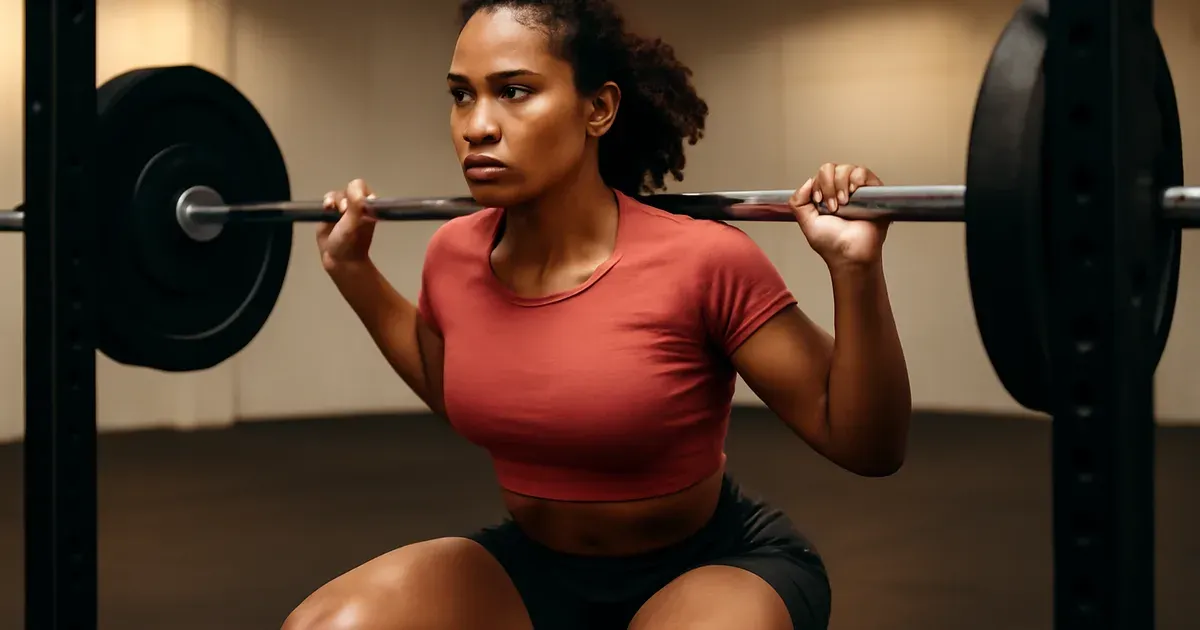
Energy peaks around ovulation as your body releases a mature egg. Testosterone briefly spikes alongside estrogen, which can increase drive, confidence, and physical power. This is the ideal time to attempt personal records, try high-intensity interval training (HIIT), or tackle group fitness classes that demand maximum output.
Your gut-brain axis is also in a relatively stable state during this phase. Serotonin — produced largely in the gut — tends to be better regulated when estrogen is high, which may explain the mood lift many people experience around ovulation. A well-nourished microbiome, rich in fiber and fermented foods, supports serotonin production and keeps this feel-good window as wide as possible.
Luteal Phase (Days After Ovulation)
Progesterone rises after ovulation, and body temperature increases slightly. If fertilization doesn't occur, both estrogen and progesterone begin to fall toward the end of this phase, often triggering PMS symptoms — bloating, mood swings, food cravings, and fatigue. Adjust your workouts based on how you feel: moderate strength training and lower-intensity cardio tend to work well in the early luteal phase, while gentler activities suit the late luteal phase better.
The gut is particularly reactive during the luteal phase. Progesterone slows gut motility, which can cause constipation and bloating. The gut-brain axis amplifies this: stress and anxiety — common PMS companions — alter the gut microbiome composition, and an imbalanced microbiome can worsen mood and inflammation in return. Prioritizing prebiotic-rich foods, staying hydrated, and avoiding high-intensity exercise that spikes cortisol can all help during this phase.
Cycle Syncing and the Gut-Brain Axis: The Hidden Connection
Your gut and brain are in constant two-way communication via the vagus nerve, immune signals, and microbial metabolites. This gut-brain axis doesn't operate independently of your hormones — it's deeply intertwined with them.
Sex hormones like estrogen and progesterone influence gut permeability, microbial diversity, and the production of neurotransmitters like serotonin and GABA. At the same time, the gut microbiome helps regulate how estrogen is processed and recycled in the body. This bidirectional loop means that supporting your gut health throughout your cycle isn't just good for digestion — it's a lever for hormonal balance, mood stability, and exercise recovery.
Here's what that looks like in practice:
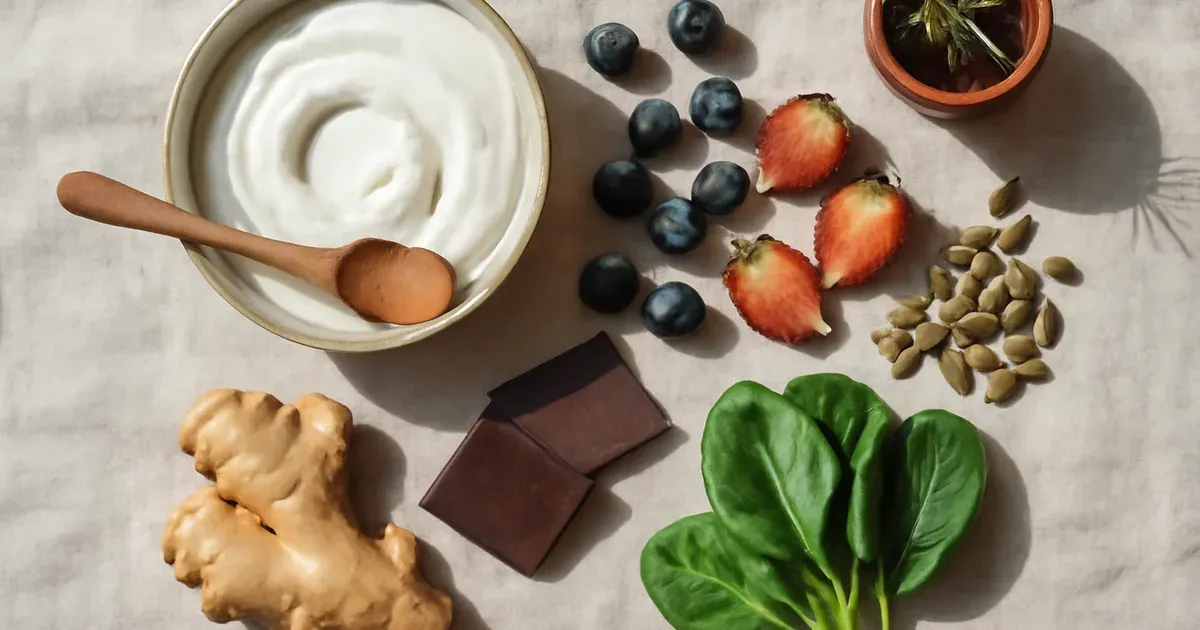
- During menstruation: Anti-inflammatory foods (omega-3s, leafy greens, ginger) and probiotic-rich options (yogurt, kefir) can calm gut inflammation and support the microbiome under hormonal stress.
- During the follicular phase: A diverse, fiber-rich diet feeds the estrobolome and supports rising estrogen levels naturally.
- During ovulation: Fermented foods and polyphenol-rich fruits support serotonin production and keep the gut-brain axis humming.
- During the luteal phase: Magnesium-rich foods (dark chocolate, pumpkin seeds, leafy greens) support progesterone balance and reduce PMS-related gut symptoms.
How to Start Cycle Syncing Your Workouts
Getting started doesn't require expensive apps or rigid protocols. Here's a practical, step-by-step approach:
- Track your cycle. Note the start and end date of your period each month. A simple calendar or a period-tracking app works fine. Record symptoms, energy levels, sleep quality, and digestion notes alongside workout data.
- Learn the four phases. Familiarise yourself with menstruation, follicular, ovulation, and luteal phases. After two or three cycles of tracking, patterns will begin to emerge.
- Match workout intensity to phase energy. Use the general framework — gentle movement during menstruation, building intensity through the follicular and ovulation phases, then tapering back in the late luteal phase. Treat it as a guide, not a rulebook.
- Add gut health as a layer. Notice how your digestion changes across the month. Bloating, irregularity, or gut discomfort often correspond with specific hormonal shifts. Adjust your nutrition to support the microbiome during vulnerable phases.
- Stay flexible. A study published in Springerplus comparing follicular-phase-based versus luteal-phase-based strength training in young women found that training concentrated in the follicular phase produced greater strength gains — but individual variation was significant. Your experience may differ. Let your body's feedback override any chart.
- Communicate with your trainer. If you work with a coach, share what you're learning. More trainers are now integrating cycle awareness into programming for female athletes and recreational exercisers alike.
Benefits of Cycle Syncing Workouts (and a Gut-Health Boost)
When cycle syncing is done thoughtfully, the potential benefits extend well beyond the gym:
- Improved energy management — Working with your hormonal rhythms instead of fighting them reduces the likelihood of burnout and overtraining.
- Better recovery — Scheduling lower-intensity phases intentionally gives your body and gut the rest it needs to repair and rebuild.
- Hormonal balance support — Pairing cycle-aware exercise with microbiome-supportive nutrition may help regulate estrogen metabolism via the estrobolome, smoothing out hormonal fluctuations over time.
- Reduced PMS symptoms — Lower-cortisol exercise during the luteal phase, combined with gut-supportive eating, may reduce bloating, mood swings, and cramping.
- Greater body awareness — Perhaps most importantly, cycle syncing trains you to pay attention. That attentiveness — to energy, digestion, sleep, and mood — is itself a health tool.
The Bottom Line
Cycle syncing workouts are not a rigid prescription — they're an invitation to pay attention. Your menstrual cycle creates a shifting hormonal environment that affects your energy, strength, mood, and digestion. Working with those shifts, rather than ignoring them, is simply smart training.
And when you factor in the gut-brain axis — the intricate connection between your microbiome, your hormones, and your nervous system — the case for a whole-body, cycle-aware approach becomes even stronger. Your gut is not a passive bystander in your menstrual cycle. It's an active participant, influencing everything from estrogen metabolism to serotonin production to how well you recover after a hard workout.
Start by tracking. Notice patterns. Adjust gradually. The goal isn't perfection — it's a deeper, more respectful relationship with your own biology.

Frequently Asked Questions
What exactly are cycle syncing workouts?
Cycle syncing workouts involve adjusting the type and intensity of your exercise based on the four phases of your menstrual cycle — menstruation, follicular, ovulation, and luteal. The idea is to match workout demands to your body's hormonal energy levels rather than following a fixed weekly routine.
Do cycle syncing workouts actually work?
The evidence is mixed for elite athletes — a 2021 study found no significant performance difference across cycle phases in highly trained women. However, many recreational exercisers report real benefits in energy, recovery, and symptom management when they align their training with their cycle. Individual variation is key.
How does gut health relate to my menstrual cycle?
Your gut microbiome and menstrual cycle are connected through the estrobolome (gut bacteria that metabolize estrogen), the gut-brain axis, and hormonal effects on gut motility. Estrogen and progesterone directly influence digestion, while the microbiome helps regulate how hormones are processed — making gut health a meaningful factor in cycle-related symptoms.
Can cycle syncing help with PMS symptoms?
For some people, yes. Reducing high-intensity exercise during the late luteal phase (when progesterone is high and PMS symptoms peak) and supporting the gut with anti-inflammatory, fiber-rich foods may reduce bloating, mood swings, and fatigue. Results vary by individual.
How do I start tracking my cycle for workout planning?
Begin by noting the first day of your period each month and recording how you feel each day — energy, mood, digestion, and workout performance. After two or three cycles, patterns typically emerge. A period-tracking app can help, but a simple notebook works just as well.