Brushing Teeth in Hospital Cuts Pneumonia Risk
Brushing teeth in hospital significantly cuts pneumonia risk, per New Scientist. The finding also highlights oral hygiene's role in protecting the gut microbiom

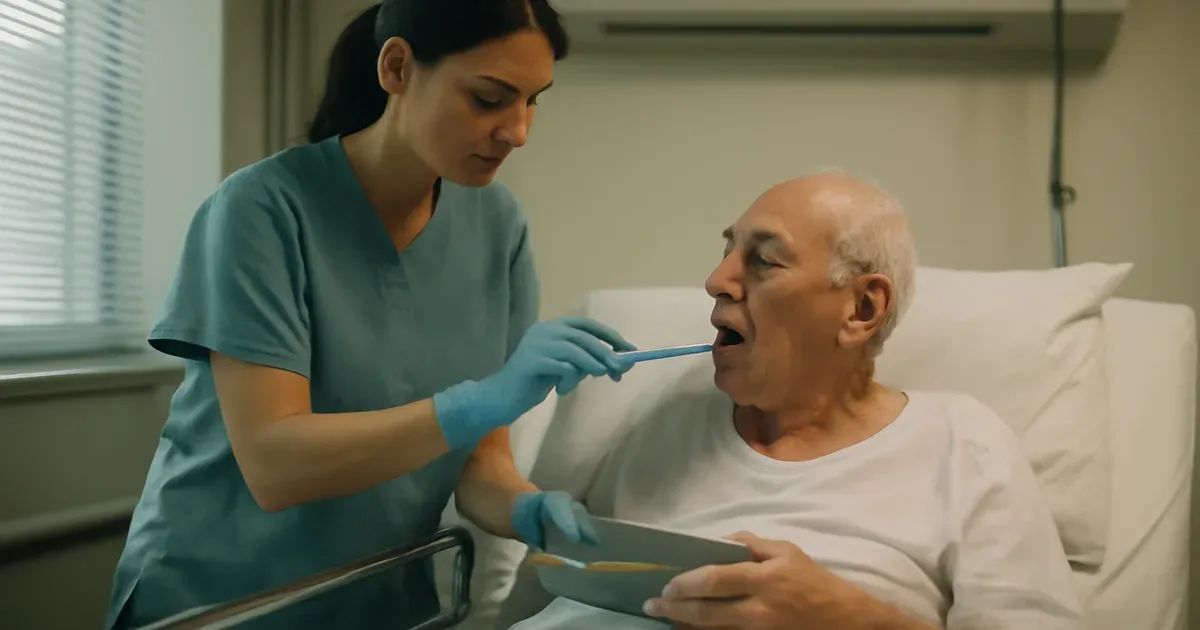
Brushing your teeth while hospitalised can significantly reduce the risk of developing pneumonia during a stay, according to a report by New Scientist published on 19 April 2026. Most hospital patients do not brush their teeth regularly, but the simple hygiene habit may be one of the most overlooked infection-prevention tools available in clinical settings. The finding has implications not just for respiratory health but for the broader relationship between oral bacteria and the body's microbial ecosystems.
Why This Matters
Hospital-acquired pneumonia is a serious and costly complication affecting patients across general wards and intensive care units. Ventilator-associated pneumonia alone affects up to 20% of critically ill patients and accounts for roughly half of all antibiotic use in the ICU, according to a 2024 study in Nature Communications. Beyond the immediate respiratory threat, frequent antibiotic use disrupts the gut microbiome — the vast community of microorganisms that regulate immunity, digestion, and even brain function via the gut-brain axis — making prevention strategies all the more critical.
Oral Bacteria, the Gut, and the Lungs
The mouth is a gateway to both the lungs and the gastrointestinal tract, meaning that oral hygiene directly shapes microbial populations far beyond the teeth and gums. When harmful bacteria accumulate in the mouth — as they readily do in patients who are sedated, immobile, or simply not offered a toothbrush — those microbes can be aspirated into the lungs or swallowed into the gut, per New Scientist. Disruption of the gut microbiome through this bacterial overgrowth and subsequent antibiotic treatment can compromise the gut-brain axis, potentially affecting patient recovery, mood, and immune resilience.
What the Research Indicates
Researchers cited by New Scientist found that regular tooth brushing among hospitalised patients was associated with a meaningful reduction in pneumonia incidence during their stay. Non-ventilated hospital-acquired pneumonia — a category that affects a broad range of ward patients, not just those in intensive care — is a recognised management challenge, and oral hygiene has emerged as a practical, low-cost intervention. Scientists report that the benefits of in-hospital brushing have been widely overlooked by clinical teams despite the strength of the evidence.
What This Means for Patients and the Microbiome
For hospitalised patients, caregivers, and clinical staff, the takeaway is straightforward: maintaining oral hygiene routines during a hospital stay is not a cosmetic concern but a genuine health intervention. Protecting the oral microbiome also helps preserve the diversity of the gut microbiome, supporting immune defences and reducing the cascade of complications — including gut-brain disruption — that follow heavy antibiotic use. Hospitals may need to make toothbrushes and brushing assistance a standard part of patient care protocols.
The evidence linking basic oral hygiene to reduced hospital-acquired infection adds to a growing body of research showing how interconnected the body's microbial ecosystems truly are. Keeping the mouth clean is, in effect, a way of protecting the gut, the lungs, and potentially the brain — a reminder that microbiome health begins at the very first point of entry.