Cycle Syncing: Hormones, Gut Health & Your Cycle
Cycle syncing aligns diet, exercise & gut health habits to each menstrual phase. Learn how hormones and your microbiome interact across your cycle.


Your body follows a rhythm — and if you've ever noticed that some weeks you feel sharp, energised, and ready to take on the world while others leave you bloated, foggy, and drained, your menstrual cycle is likely part of the story. Cycle syncing is the practice of tailoring your diet, exercise, and daily habits to each phase of your menstrual cycle, working with your hormones rather than against them. What's less talked about is how deeply your gut microbiome is tangled up in this rhythm — influencing everything from how you process estrogen to how your mood shifts week to week.
This guide breaks down what cycle syncing actually involves, how each phase affects your body, and why supporting your gut health throughout your cycle may be the missing piece in your wellness routine.

What Is Cycle Syncing and Why Does It Matter?
Cycle syncing starts with understanding your menstrual cycle as a whole — not just your period. A typical cycle runs anywhere from 21 to 38 days, and only around 10–15% of people have the textbook 28-day cycle. Hormones like estrogen and progesterone rise and fall in distinct patterns across two main phases: the follicular phase (which includes your period and the days leading up to ovulation) and the luteal phase (the days after ovulation until your next period).
These hormonal shifts don't just affect your reproductive system. They influence your energy, concentration, appetite, sleep quality, and even your gut function. The gut-brain axis — the two-way communication highway between your digestive system and your brain — responds to hormonal fluctuations in ways that can amplify or soften cycle-related symptoms.
Research into cycle syncing as a formal practice is still emerging, but the foundational idea is sound: your body's needs genuinely change across the month, and adjusting your habits accordingly can help you feel more balanced, energised, and in control.
The Four Phases of Your Cycle — and What's Happening in Your Gut
Understanding each phase gives you a practical map for adjusting your routines. Here's how a typical 28-day cycle breaks down, alongside what's happening in your gut during each window:
Menstruation (Days 1–7)
Estrogen and progesterone are at their lowest during this phase. Many people experience cramping, bloating, fatigue, and changes in bowel habits — constipation or looser stools are both common. This happens partly because prostaglandins (hormone-like compounds that trigger uterine contractions) also stimulate the gut.
Your gut microbiome is sensitive to these hormonal dips. Lower estrogen is associated with reduced microbial diversity in some studies, which can worsen inflammation and digestive discomfort. Prioritising anti-inflammatory foods — think oily fish, leafy greens, flaxseed, and fermented foods like yoghurt or kefir — can support both your gut lining and your body's response to period symptoms.
For movement, low-impact options like yoga, walking, and gentle stretching are ideal. Light activity has been shown to ease menstrual cramps, and there is no evidence that exercise during your period is harmful — but it's equally fine to rest if your body is asking for it.
Follicular Phase (Days 8–13)
Rising estrogen is the headline story here. As your body prepares follicles (fluid-filled sacs that contain eggs), estrogen climbs steadily, bringing with it a noticeable lift in mood, cognitive sharpness, and physical energy for most people.
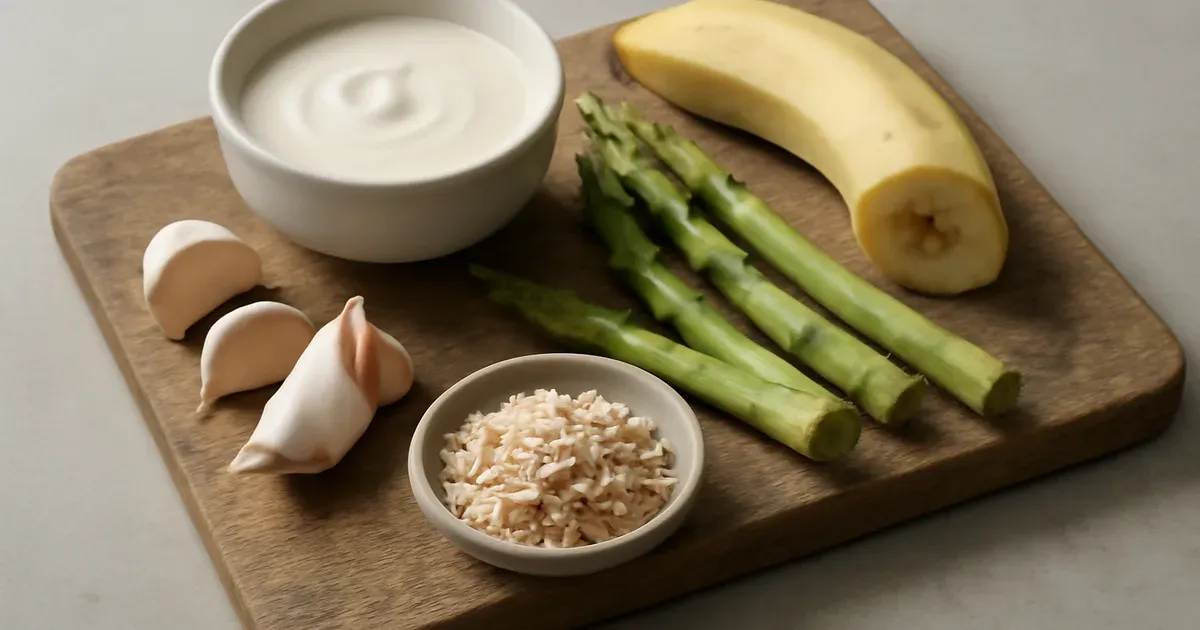
Estrogen plays a direct role in gut health through estrogen receptors found throughout the gastrointestinal tract. Higher estrogen during the follicular phase is linked to improved gut motility and a more diverse microbiome. This is a good phase to load up on prebiotic-rich foods — garlic, onions, asparagus, oats, and bananas — that feed beneficial gut bacteria and keep the estrobolome (the specific gut bacteria that metabolise estrogen) functioning well.
The estrobolome matters more than most people realise. When these bacteria are out of balance, estrogen can be reactivated in the gut and recirculated in the bloodstream rather than excreted, potentially contributing to estrogen dominance and worsening symptoms like PMS and bloating.
For exercise, the follicular phase is widely considered the best window for high-intensity training — running, cycling, HIIT, swimming, and heavy resistance work. One caveat: female athletes show a higher rate of ACL injuries during this phase, likely because estrogen affects ligament laxity. Be mindful with jumping and pivoting movements.
Ovulation (Around Day 14)
Testosterone and estrogen both peak at ovulation, driving a surge in energy, confidence, and in many cases, libido. This is typically the phase where people feel most physically capable and socially engaged.
From a gut perspective, this hormonal peak can temporarily shift the microbiome composition. Some research suggests the gut bacteria involved in estrogen metabolism are most active during peak estrogen windows, making this a smart time to double down on probiotic-rich foods — live-culture yoghurt, kimchi, sauerkraut, and kombucha — to keep the estrobolome balanced.
This is your highest-energy window. Push yourself in workouts — kickboxing, spinning, sprints, or high-intensity interval training all fit well here. The ovulation phase is brief (around 16 to 32 hours for the actual egg release), so this energetic window typically spans a few days around the midpoint of your cycle.

Luteal Phase (Days 15–28)
Progesterone peaks in the second half of your cycle, while estrogen rises more modestly than it did before ovulation. If the egg isn't fertilised, both hormones drop sharply toward the end of this phase — and that drop is largely responsible for PMS symptoms.
The luteal phase is where gut symptoms often become most disruptive. Progesterone slows gut motility, which is why constipation is common during this window. The drop in both hormones near the end of the phase can then swing the other direction, causing looser stools just before or at the start of menstruation.
The gut-brain axis is particularly active during this phase. Serotonin — a neurotransmitter that regulates mood and is produced predominantly in the gut — can drop alongside estrogen, contributing to low mood, anxiety, and the irritability associated with PMS and PMDD. Supporting serotonin production through the gut means eating foods rich in tryptophan (turkey, eggs, seeds, tofu) and ensuring healthy levels of gut bacteria that produce short-chain fatty acids, which support gut barrier integrity and reduce systemic inflammation.
For workouts, your body is conserving energy and using fat as a primary fuel source, so high-intensity sessions can feel harder. Medium-intensity swimming, walking, yoga, Pilates, and cycling tend to feel more sustainable. Some evidence suggests lower-body resistance training — leg days — may be better tolerated during this phase than upper-body work.
How to Start Cycle Syncing: A Practical Approach
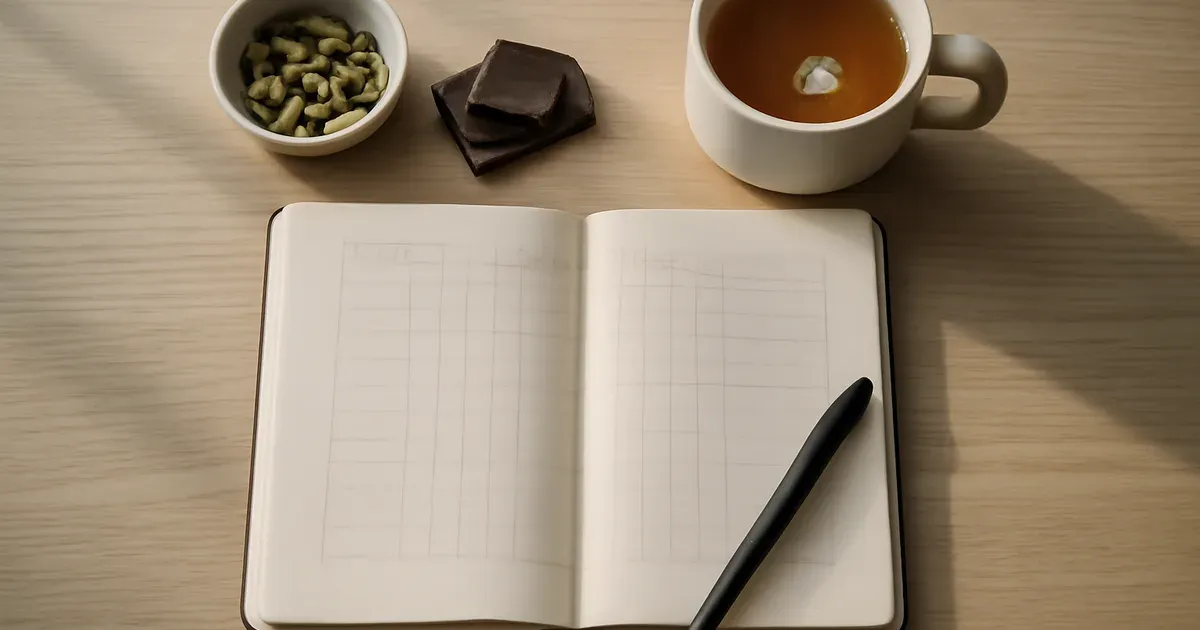
You don't need any specialist tools to start cycle syncing — though a period-tracking app or a simple calendar can make it significantly easier. The first step is to track your cycle for at least two to three months to establish your average cycle length and identify your own hormonal patterns.
Each week, log the following alongside your cycle day:
- Energy levels and ability to concentrate
- Mood and emotional tone
- Appetite, food cravings, and digestive symptoms (bloating, constipation, diarrhoea)
- Motivation for physical activity
- Sleep quality
- Any symptoms like headaches, cramps, or fatigue
Digestive symptoms are worth tracking carefully because they are often the earliest and most consistent signal of hormonal shifts. Many people with conditions like IBS, endometriosis, or PMDD notice that gut symptoms follow a predictable pattern across the cycle — and once you can see that pattern, you can anticipate and manage it rather than being caught off guard.
Nutrition, the Microbiome, and Cycle Syncing
There are no peer-reviewed, phase-specific meal plans backed by robust clinical trials yet — but the broader nutritional evidence points in a clear direction. Limiting ultra-processed foods, added sugars, and excess saturated fat while prioritising whole, nutrient-dense foods supports hormonal balance, gut diversity, and cycle health across the entire month.
The Mediterranean-style diet is one of the most evidence-backed eating patterns for reducing systemic inflammation, supporting a diverse microbiome, and lowering the severity of PMS symptoms. Its emphasis on vegetables, legumes, whole grains, oily fish, olive oil, and fermented foods aligns well with what each phase of the cycle needs nutritionally.
Key nutritional principles to layer onto your cycle:
- Menstruation: Iron-rich foods (lentils, spinach, red meat) to replace iron lost through bleeding; anti-inflammatory omega-3s; magnesium-rich foods (dark chocolate, nuts, seeds) to ease cramps
- Follicular phase: Prebiotic-rich foods to feed gut bacteria; lean protein to support muscle repair from increased training intensity; complex carbohydrates for sustained energy
- Ovulation: Probiotic foods to support the estrobolome; antioxidant-rich fruits and vegetables; zinc (pumpkin seeds, chickpeas) to support egg quality
- Luteal phase: Tryptophan-rich foods for serotonin production; fibre to counter progesterone-related constipation; B6 (bananas, salmon, potatoes) which has modest evidence for reducing PMS mood symptoms
Who Benefits Most from Cycle Syncing?
Anyone who menstruates can benefit from knowing their cycle better. But cycle syncing tends to make a more noticeable difference for people whose hormonal shifts create disruptive symptoms. Conditions that may respond particularly well to a cycle-syncing approach include:
- Endometriosis — where inflammation and gut symptoms are closely tied to the cycle
- Polycystic ovary syndrome (PCOS) — where gut microbiome dysbiosis has been directly implicated in the condition's hormonal dysregulation
- PMS and PMDD — where the gut-serotonin connection means microbiome support may reduce psychological symptoms
- IBS — which frequently worsens at specific cycle phases due to progesterone and prostaglandin effects on gut motility
A note on hormonal birth control: Synthetic hormones from contraceptives alter the natural hormonal rhythm, meaning there are no distinct phases to sync around. However, hormonal contraceptives also influence the gut microbiome directly, so paying attention to gut health and how you feel day-to-day on birth control remains worthwhile.
If you are transgender, non-binary, or gender diverse and find that focusing on your menstrual cycle worsens gender dysphoria, speak with your doctor about options for cycle suppression or management that feels right for you.
The Bottom Line
Cycle syncing is not a rigid protocol — it's a framework for self-awareness. By tuning into the hormonal rhythms that shape your energy, mood, gut function, and physical capacity across the month, you can make smarter choices about when to push hard, when to rest, what to eat, and how to support your mental health.
The gut-brain axis sits at the heart of this practice in ways that are only beginning to be fully understood by researchers. Your microbiome helps metabolise your hormones, produce your mood-regulating neurotransmitters, and regulate the inflammation that determines how severe your symptoms become. Taking care of your gut is, in a very real sense, taking care of your hormonal health.
Start by tracking your cycle and your gut symptoms together. The patterns you find will tell you more about your body than any generic wellness plan ever could.
Frequently Asked Questions
Does cycle syncing actually work?
Formal clinical evidence is still limited, but the underlying science — that hormones affect energy, mood, gut function, and exercise capacity — is well established. Many people report meaningful improvements in symptom management once they begin adjusting their habits to their cycle phases. There is no known harm in the practice.
How does the gut microbiome affect the menstrual cycle?
The estrobolome — a subset of gut bacteria — metabolises and regulates estrogen levels in the body. An imbalanced microbiome can lead to excess estrogen recirculation, worsening symptoms like bloating, PMS, and heavy periods. Supporting gut diversity through diet helps keep this system functioning efficiently.
Can cycle syncing help with PCOS?
PCOS is associated with gut microbiome dysbiosis, and several studies have found that women with PCOS have significantly lower microbial diversity than those without the condition. While cycle syncing is not a treatment for PCOS, supporting gut health through diet and lifestyle changes may help reduce inflammation and improve hormonal balance alongside medical management.
What should I eat during the luteal phase for better mood?
Focus on foods that support serotonin production — tryptophan-rich options like turkey, eggs, pumpkin seeds, and tofu, combined with complex carbohydrates that help tryptophan cross the blood-brain barrier. Reducing sugar and alcohol, which can destabilise blood sugar and gut bacteria, is also particularly beneficial during this phase.
Do I need a period-tracking app to start cycle syncing?
No — a simple notebook or calendar works perfectly well. Log the first day of your period each month, note your energy, mood, digestive symptoms, and appetite each week, and look for patterns over two to three cycles. Apps can automate predictions and provide a convenient log, but the insight comes from your own observations, not the technology.