Dairy and Wheat Proteins Disarm Cholera Bacteria
New research finds casein and wheat gluten can reduce cholera infection 100-fold in mice by blocking bacterial attack on gut microbiome communities.

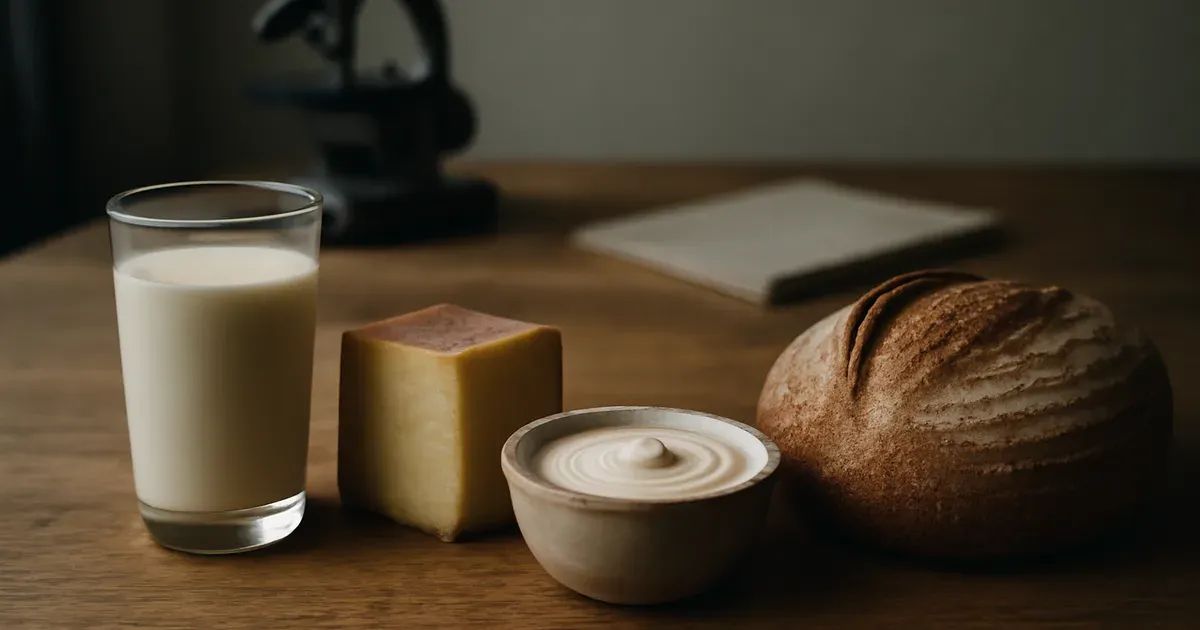
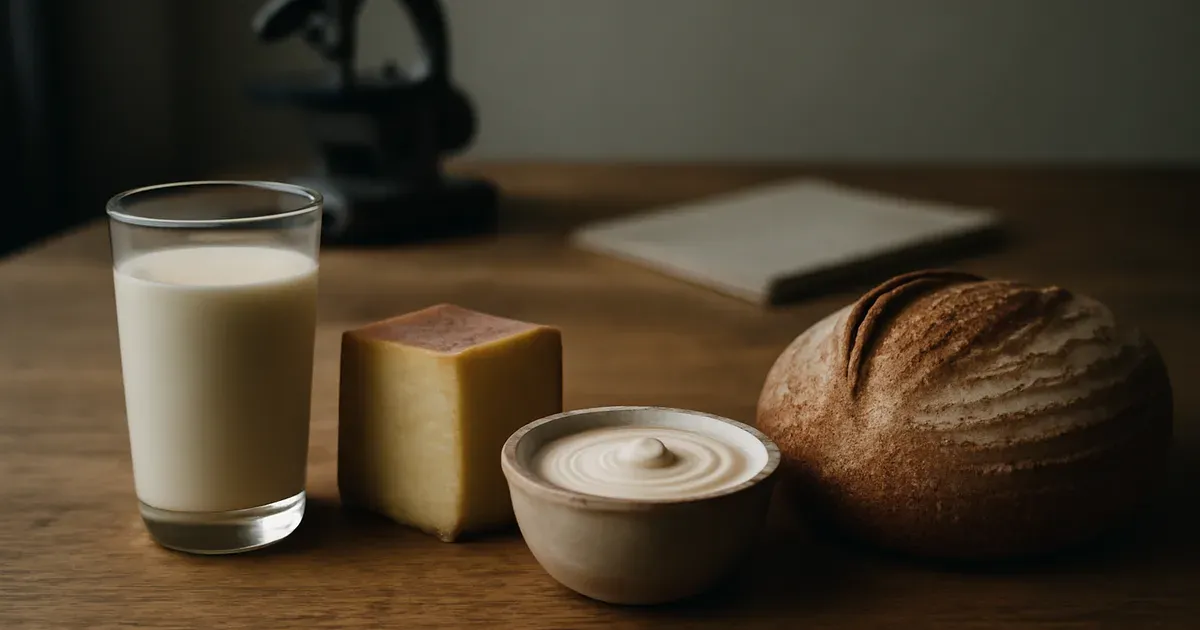
Common dietary proteins found in everyday foods may offer a surprising line of defence against cholera bacteria, according to new research highlighted by NaturalNews.com. Scientists report that casein — the primary protein in dairy — and wheat gluten can effectively disarm Vibrio cholerae, reducing infection levels 100-fold in mice. The findings point to a direct link between what we eat, the integrity of the gut microbiome, and the body's ability to resist dangerous bacterial infection.
Why This Matters for Gut Health
The gut microbiome — the vast community of beneficial bacteria lining the digestive tract — is increasingly recognised as a frontline defence against pathogens. When harmful bacteria like Vibrio cholerae invade, they don't just cause direct damage; they disrupt the delicate microbial balance that keeps the gut environment stable. Per NaturalNews.com, cholera bacteria deploy a syringe-like molecular structure to attack beneficial gut microbes, weakening the microbiome before the infection takes hold. Understanding how diet influences this process is a growing priority in gut health research.
How Food Proteins Jam Bacterial Attack Mechanisms
The study found that casein and wheat gluten interfere with the syringe-like structure — known as a type VI secretion system — that Vibrio cholerae uses to target and destroy beneficial gut bacteria. According to researchers, these dietary proteins appear to physically obstruct this mechanism, preventing the bacteria from disabling the microbiome's protective communities. The result, scientists report, was a dramatic 100-fold reduction in cholera infection levels in mouse models, suggesting that specific proteins consumed through ordinary foods may actively shape how the gut responds to bacterial threats.
What This Means for Microbiome Science and Everyday Diets
For researchers and health professionals focused on gut-brain and microbiome health, these findings raise important questions about the role of diet as a modulator of microbial defence. The study implies that protein-rich foods commonly consumed globally — dairy products and wheat-based foods — may confer previously unrecognised protective effects at the microbiome level. Scientists report the research is still in early stages, with mouse model results yet to be confirmed in human trials, meaning clinical applications remain some way off.
The research, as reported by NaturalNews.com, suggests that the gut microbiome's resilience may be more diet-dependent than previously understood. If the findings translate to human biology, they could reshape thinking around nutritional strategies for gut protection — not just against cholera, but potentially against other pathogens that exploit similar bacterial attack systems. Researchers indicate that further investigation into how specific dietary proteins interact with gut microbial communities is now warranted.