Eat More Fiber to Boost Gut Health, Experts Say
MindBodyGreen outlines 6 easy ways to eat more fiber, supporting gut microbiome health and the gut-brain axis without overhauling your diet.

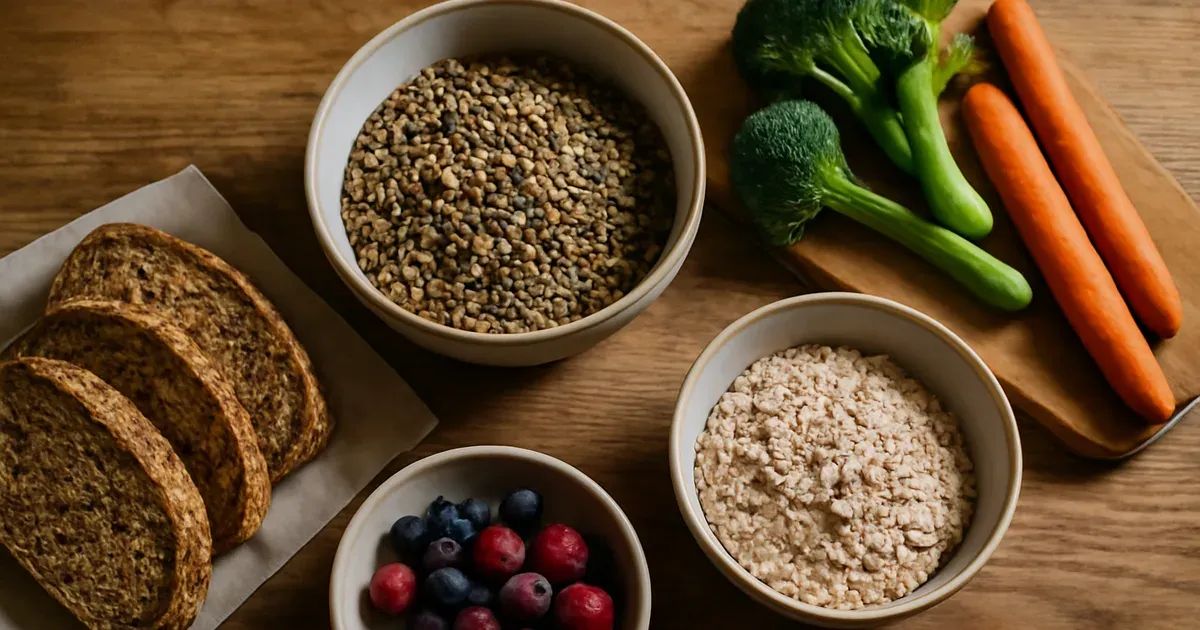
A new article published by MindBodyGreen on April 8, 2026 outlines six straightforward strategies to help people eat more fiber — a nutrient closely tied to digestive health, microbiome diversity, and overall wellbeing. According to the source, fiber-rich carbohydrates are frequently misunderstood and unfairly lumped in with low-quality carbs like pastries and white bread, which have driven negative perceptions of carbohydrates broadly.
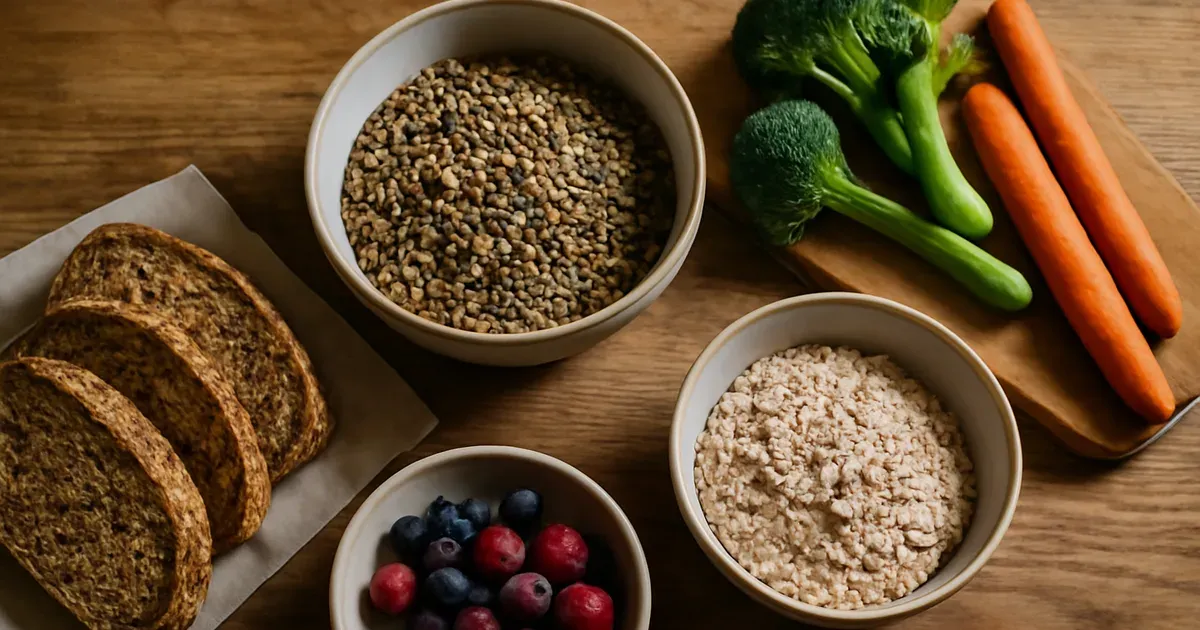
Why Fiber — and Your Gut Microbiome — Both Matter
Despite widespread concern about carbohydrate intake, nutrition experts consistently distinguish between refined carbs and fiber-rich whole foods, per MindBodyGreen. Dietary fiber feeds the beneficial bacteria that populate the gut microbiome, supporting the microbial diversity that researchers increasingly associate with reduced inflammation, stronger immunity, and even improved mood via the gut-brain axis. Yet most adults fall significantly short of recommended daily fiber intake, making practical strategies to close that gap highly relevant for public health.
Simple Dietary Shifts Can Make a Meaningful Difference
According to MindBodyGreen, the six approaches highlighted are deliberately low-effort, designed to remove the stress often associated with dietary change. The article emphasizes incrementally adding fiber-dense foods — such as legumes, whole grains, fruits, and vegetables — rather than overhauling an entire diet at once. Gradual increases in fiber intake are specifically recommended to allow the gut microbiome time to adapt, minimizing digestive discomfort that can accompany sudden dietary shifts. This staged approach also supports the sustained growth of beneficial microbial populations over time.
What This Means for Gut Health and Daily Eating
For anyone looking to support their gut-brain health, these findings from MindBodyGreen reinforce that small, consistent dietary choices carry outsized benefits. Regularly consuming fiber-rich foods provides fuel for gut bacteria, which in turn produce short-chain fatty acids linked to reduced gut permeability and better neurological signaling. Per the source, the key is removing psychological barriers around "carbs" and focusing instead on food quality and fiber content.
The broader picture, per MindBodyGreen, is clear: fiber is among the most evidence-backed dietary tools available for supporting both digestive and systemic health. As research into the gut-brain connection continues to expand, ensuring adequate daily fiber intake represents one of the most accessible steps individuals can take to nurture their microbiome — without requiring a dramatic lifestyle overhaul.