7 Fiber Mistakes Destroying Your Gut Health
95% of Americans under-eat fiber, harming their gut microbiome. Discover 7 common fiber mistakes and how to fix them for better gut-brain health.

You're probably eating too much protein and not nearly enough fiber — and your gut is paying the price. Most people assume they're eating well, yet a nagging digestive system, low energy, and poor mood keep telling a different story. The truth is, a single overlooked nutrient could be quietly undermining your gut microbiome, your metabolism, and even your brain. If fiber and gut health haven't been on your radar, they need to be now.
A landmark study found that nearly 95% of Americans fail to meet the recommended 25–35 grams of fiber per day, with most adults consuming only about 15 grams — less than half the target. Karen R. Studer, MD, MBA, MPH, FACPM, Chair of Preventive Medicine, has never treated a single protein-deficient patient, but fiber deficiency? She sees it constantly.
1. Chasing Protein While Ignoring Fiber and Gut Health
High-protein diets are everywhere, but the science tells a more complicated story. Dr. Studer is direct: most Americans already eat more protein than they need — the average woman requires just 46 grams per day and the average man 56 grams — yet both routinely exceed those numbers. Meanwhile, fiber intake sits at roughly half the recommended level. This imbalance starves the beneficial bacteria in your gut microbiome, which depend on fermentable fiber as their primary fuel source. Actionable takeaway: Before adding another protein shake, check whether you've hit 25 grams of fiber today.
2. Relying on Animal Protein Instead of Plant Sources
The type of protein you choose matters as much as the amount. Dr. Studer warns that most protein Americans consume comes from animal sources high in cholesterol, saturated fat, and calories — none of which feed your gut microbiome. Plant-based proteins like beans, chickpeas, lentils, tofu, and quinoa are naturally rich in fiber, which the gut's beneficial bacteria ferment into short-chain fatty acids that protect the intestinal lining and reduce inflammation. That gut-brain connection is real: a healthier microbiome signals less anxiety and clearer cognition. Actionable takeaway: Swap one animal-protein meal per day for a legume-based alternative.
3. Drinking Your Fruit Instead of Eating It
Choosing juice over whole fruit is one of the quickest ways to cut fiber without realising it. When fruit is juiced, virtually all of the insoluble and soluble fiber is removed — along with the prebiotic compounds that feed Lactobacillus and Bifidobacterium strains in the gut. A whole apple with skin delivers roughly 4–5 grams of fiber; a glass of apple juice delivers almost none. The microbiome thrives on that structural plant material, and without it, diversity drops fast. Actionable takeaway: Replace one daily juice with the whole fruit version — skin included wherever possible.
4. Eating Refined Grains at Every Meal
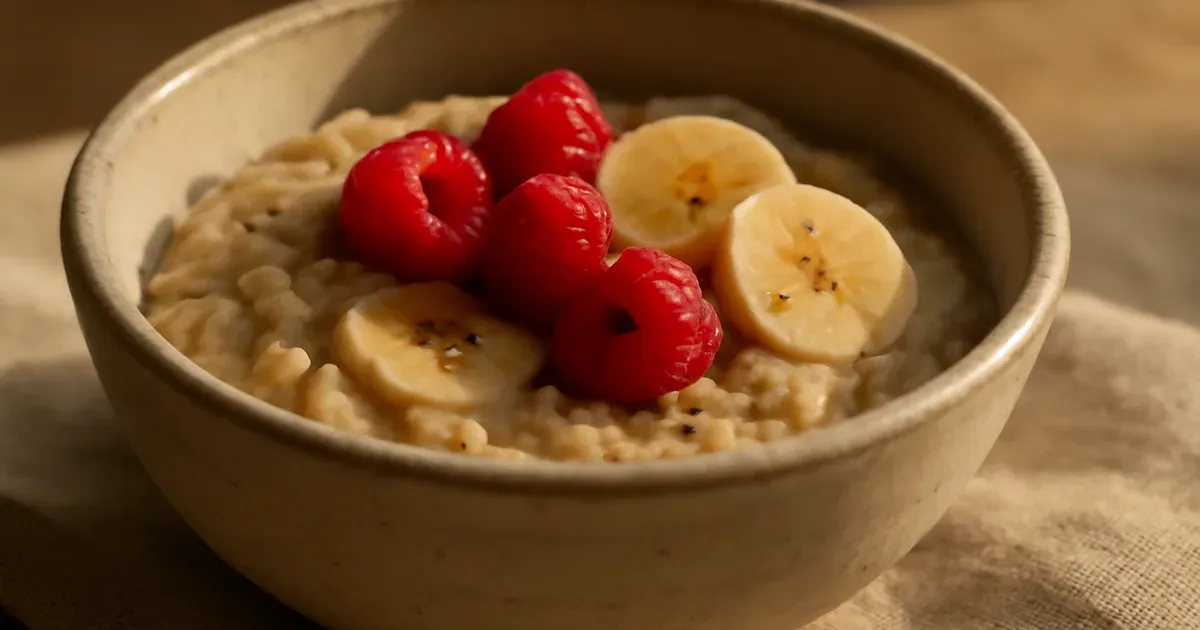
White bread, white rice, and standard pasta have been stripped of the bran and germ — and with them, most of the fiber. This matters for gut health because the colon's microbial community needs the complex carbohydrates found in whole grains like barley, oatmeal, and quinoa to produce butyrate, a short-chain fatty acid that keeps the gut lining intact and communicates anti-inflammatory signals along the gut-brain axis. Low butyrate levels are linked to leaky gut, systemic inflammation, and even depression. Actionable takeaway: Make one simple grain swap today — oatmeal at breakfast or brown rice at dinner is enough to start.
Pull quote: "In all my decades of practicing medicine in the United States, I have never encountered a single person who was protein-deficient. But there are many people who are fiber-deficient." — Karen R. Studer, MD, MBA, MPH, FACPM
5. Ramping Up Fiber Too Fast
Dramatically increasing fiber overnight is one of the most common gut health mistakes — and one of the most uncomfortable. When fiber intake spikes suddenly, gut bacteria produce excess gas during fermentation, leading to bloating, cramps, and abdominal pain that sends many people back to their low-fiber habits. Dr. Studer recommends increasing intake by just 1–2 servings of high-fiber foods per day, giving the microbiome time to shift its bacterial populations and adapt its fermentation capacity. This gradual approach builds a more diverse, resilient microbiome. Actionable takeaway: Add one high-fiber food this week — raspberries, chia seeds, or lentils are ideal starting points.
6. Overlooking Seeds, Legumes, and Nuts as Daily Staples
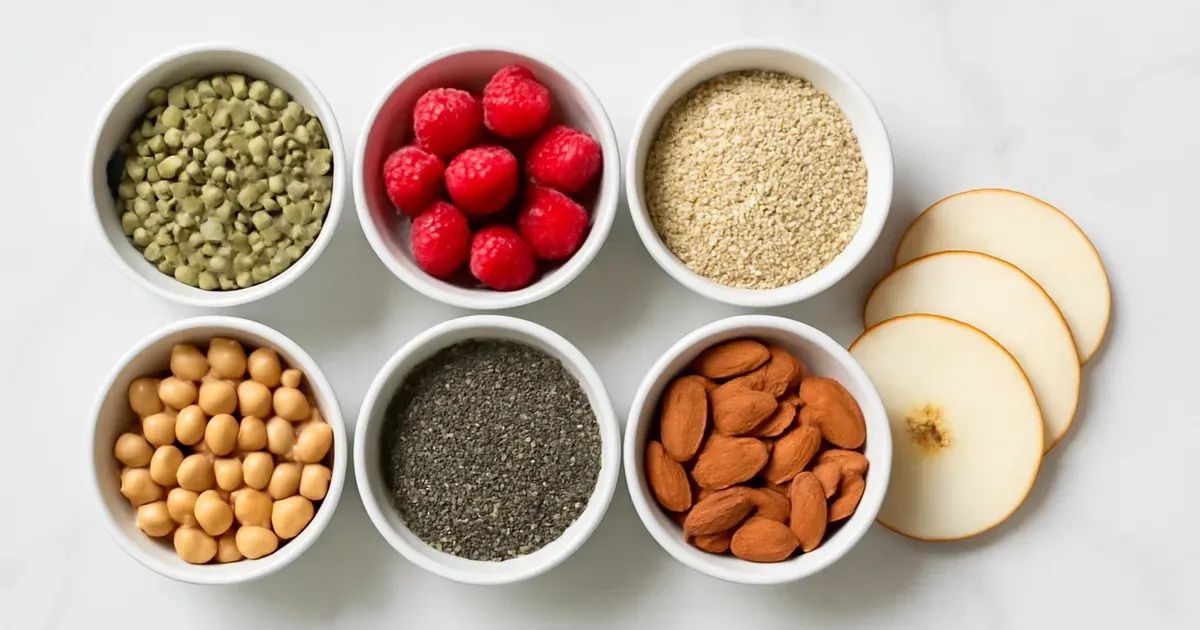
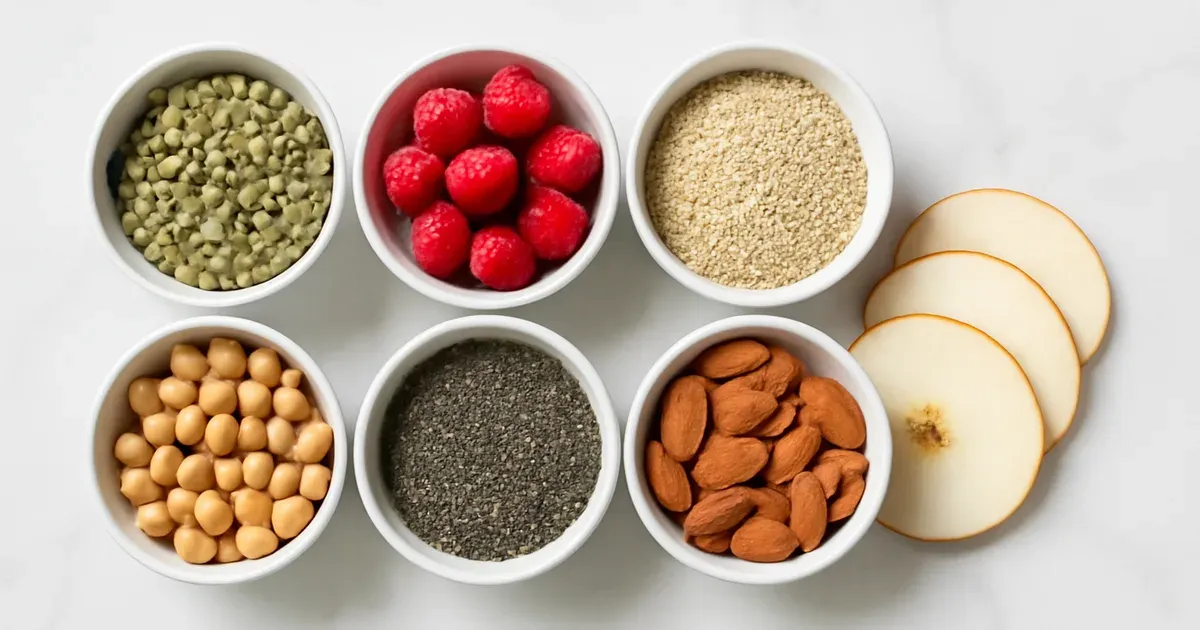
Most people think of fiber as something found only in salads, but some of the most potent sources are tiny. Chia seeds deliver around 10 grams of fiber per ounce, while split peas and lentils offer 15–16 grams per cooked cup — figures that make hitting 35 grams per day genuinely achievable. These foods also carry prebiotic fiber that selectively feeds beneficial gut bacteria, increasing microbial diversity, which research consistently links to better mental health outcomes through the gut-brain axis. Pumpkin seeds, almonds, and sunflower seeds round out an easy, portable snack strategy. Actionable takeaway: Keep a small container of mixed seeds and nuts at your desk for a daily fiber boost that requires zero cooking.
7. Ignoring the Long-Term Consequences of Low Fiber
Low fiber intake is not just a digestion issue — it's a systemic health risk. Research links chronically low fiber consumption to higher rates of cardiovascular disease, type 2 diabetes, certain cancers, elevated cholesterol, raised systolic blood pressure, and even increased risk of premature death. On the gut-brain side, a depleted microbiome from low fiber is increasingly associated with mood disorders, cognitive decline, and heightened stress responses, because up to 90% of serotonin is produced in the gut. Excess animal protein, meanwhile, can damage the digestive tract, kidneys, and blood vessels over time. Actionable takeaway: Think of your daily fiber target as non-negotiable preventive medicine — 25 grams minimum, 35 grams as the goal.
Getting fiber and gut health right doesn't require an overhaul — it requires consistent small swaps: whole fruit over juice, legumes over processed meat, whole grains over refined ones. These seven mistakes are easy to correct once you can see them. Your microbiome responds faster than you think, and so does your mood, your energy, and your long-term risk profile. Start with one change today.
Frequently Asked Questions
How much fiber do I actually need per day for good gut health?
Most adults need between 25 and 35 grams of fiber per day to support gut health and a diverse microbiome. Women typically need the lower end of that range (around 25 grams) and men the higher end (around 35 grams). Currently, most Americans consume only about 15 grams — roughly half the minimum recommended amount.
Can eating more fiber really improve my mood and mental health?
Yes — through the gut-brain axis. Up to 90% of the body's serotonin is produced in the gut, and the beneficial bacteria that fiber feeds play a direct role in that production. A more diverse, fiber-fed microbiome is associated with lower rates of anxiety and depression, while a depleted microbiome is increasingly linked to mood disorders and heightened stress responses.
What are the best high-fiber foods to start with?
Legumes are the most efficient starting point. Lentils and split peas offer 15–16 grams of fiber per cooked cup. Chia seeds deliver around 10 grams per ounce. Raspberries, pears, and apples (with skin) are excellent fruit sources. For grains, oatmeal, barley, and quinoa outperform refined alternatives significantly.
Is it possible to eat too much fiber?
Extremely high fiber intake can cause digestive discomfort, including gas, bloating, and cramping — especially if increased too quickly. Dr. Studer recommends adding just 1–2 servings of high-fiber food per day to give your gut microbiome time to adapt. For most people in Western countries, eating too much fiber is far less common than eating too little.
Do I really need as much protein as fitness culture suggests?
Almost certainly not. The average woman needs just 46 grams of protein per day and the average man 56 grams. People building muscle, losing weight, or older adults may need modestly more — but not the extreme amounts promoted by high-protein diet trends. Dr. Studer notes she has never treated a protein-deficient patient in decades of practice, yet fiber deficiency is widespread.