7 Fiber Mistakes Wrecking Your Gut on High-Protein Diets
High-protein diets can wreck your gut if fiber is neglected. Learn the 7 key mistakes harming your microbiome and digestion — and how to fix them.


You're hitting your protein targets, your muscles feel great — but your gut is staging a revolt. Bloating, constipation, and sluggish digestion are the quiet tax many people pay on a high-protein diet, and the culprit is almost always a lack of fiber. When protein crowds out fiber, your digestive system and your gut microbiome both suffer in ways that go far beyond simple discomfort. If you're serious about your health, this is the imbalance you can't afford to ignore.

According to research and clinical practice, most adults in the United States eat less than half the recommended 25 to 35 grams of fiber per day — a shortfall that becomes significantly worse when a high-protein diet pushes fiber-rich foods further off the plate.
1. Skipping Fiber Entirely and Destroying Your Microbiome
Your gut microbiome — the trillions of bacteria living in your intestines — runs almost entirely on fiber. Without adequate fiber, beneficial bacterial populations shrink, diversity collapses, and opportunistic microbes gain ground. This directly links to higher rates of gastrointestinal issues, metabolic dysfunction, and even mood disturbances through the gut-brain axis.
"People who eat high-fiber diets have a more diverse, rich microbiome, which is associated with a lower risk of gastrointestinal issues," says Olufemi Kassim, MD, a gastroenterologist at Northwestern Medicine.
Actionable takeaway: Add one prebiotic-rich food — such as garlic, onions, or bananas — to at least one meal each day to start rebuilding microbial diversity.
2. Eating Too Much Protein Without Enough Fiber for Digestion
Protein is filling and slow to digest, but without fiber, food can stall in your intestines. Fiber physically moves food through the digestive tract. When it is absent, the result is constipation, irregular bowel movements, and the kind of discomfort that makes high-protein diets unsustainable long-term.
Fiber also slows the digestive process in a beneficial way — regulating blood sugar spikes after meals and extending satiety signals to the brain, which is a direct gut-brain connection many people overlook.
Actionable takeaway: Aim for at least one serving of vegetables or whole grains alongside every high-protein meal to keep digestion moving smoothly.
3. Ignoring the Colon Cancer Risk Hiding in Your Diet
A low-fiber, high-protein diet — especially one heavy in red and processed meats — carries long-term cancer risks that deserve serious attention. Fiber plays a major protective role in colon health by reducing the time waste spends in the large intestine and feeding bacteria that produce cancer-protective short-chain fatty acids.
Smoked meats and highly processed deli meats have been linked to GI cancers, according to Dr. Kassim, while poultry, fish, and plant-based protein sources carry significantly lower risk. The gut microbiome appears to mediate much of this protection by metabolising fiber into compounds that suppress tumour growth.
Actionable takeaway: Swap at least two red-meat protein servings per week for fish, legumes, or tofu, and pair every meal with a fiber-rich plant food.
4. Adding Too Much Fiber Too Fast and Triggering Bloating
One of the most common fiber mistakes is overcorrecting — going from near-zero fiber to a high intake overnight. When fiber floods a microbiome that has adapted to a low-fiber environment, gut bacteria ferment it rapidly, producing gas, bloating, and cramping. This is not a sign that fiber is bad; it is a sign your microbiome needs time to adapt.
High-FODMAP foods — including apples, broccoli, asparagus, pears, and mangoes — are particularly likely to cause bloating because they ferment quickly in the large intestine.
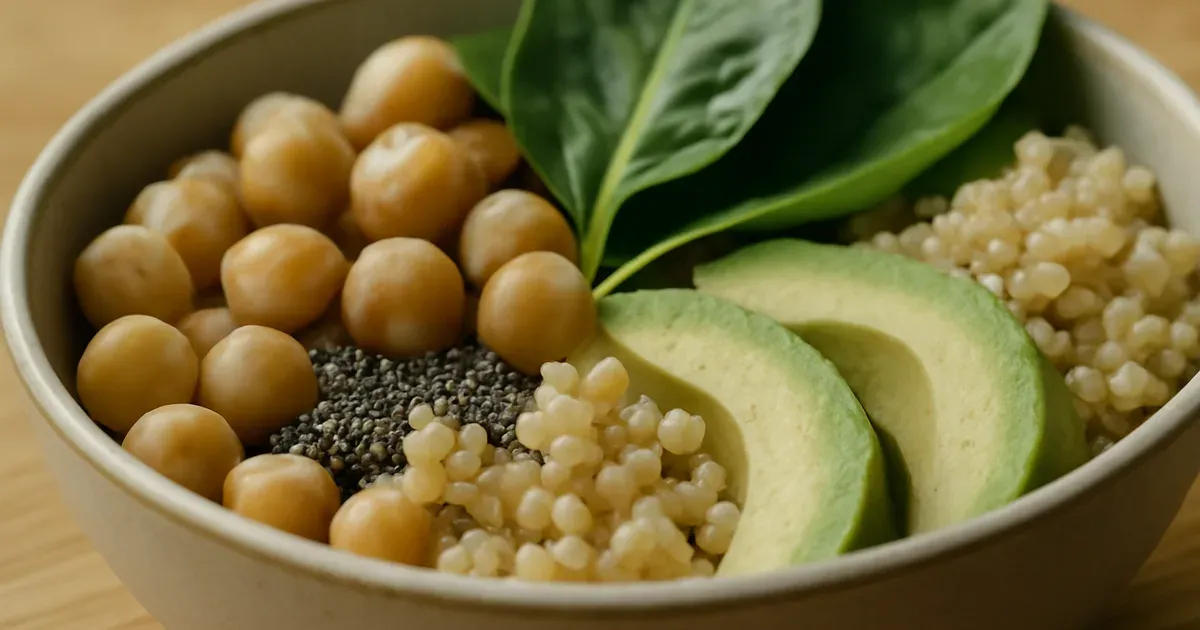
Actionable takeaway: Increase fiber by no more than 3 to 5 grams per week, drink plenty of water throughout the day, and start with low-FODMAP options like spinach, lentils, chickpeas, quinoa, and chia seeds.
Pull Quote: "Slowly making changes, paying attention to how you feel and monitoring your bowel movements are some of the most important things you can do when introducing more fiber into your diet." — Dr. Olufemi Kassim, Gastroenterologist, Northwestern Medicine
5. Forgetting That Soluble and Insoluble Fiber Do Different Jobs
Most people treat fiber as a single nutrient, but soluble and insoluble fiber have distinct and complementary roles in gut health. Soluble fiber dissolves in water, forms a gel in the digestive tract, lowers cholesterol, stabilises blood sugar, and feeds beneficial bacteria. Insoluble fiber adds bulk to stool and stimulates bowel movement.
"Both soluble and insoluble fiber have benefits, and it's important to have both," says Dr. Kassim. Most whole plant foods contain a natural mix of both types — for example, the skin of an apple provides insoluble fiber while the pulp delivers soluble fiber — making whole foods a smarter choice than relying on a single supplement.
Actionable takeaway: Build meals around whole plant foods — fruits with skin, vegetables, legumes, and oats — to naturally consume both fiber types without needing to overthink ratios.
6. Overlooking Fiber When You're an Athlete or Following Keto
Athletes and those following a ketogenic diet face a compounded fiber challenge: carbohydrate restriction often eliminates the very foods richest in fiber. Keto dieters cutting grains and fruit frequently see their fiber intake plummet, which disrupts the gut microbiome, raises inflammation, and can impair recovery through the gut-brain-immune connection.
"Many individuals are mindful of macronutrient intake in terms of carbohydrates, fat and protein, but don't take fiber intake into consideration," notes Dr. Kassim. Even within a keto or performance-based framework, low-carb, high-fiber foods like chia seeds, flaxseeds, avocados, and non-starchy vegetables can protect gut microbiome diversity.
Actionable takeaway: Consult a registered dietitian to map out fiber-rich foods that fit your specific dietary framework without compromising your performance or ketosis goals.

7. Assuming You Don't Need Fiber Because You Feel Fine Right Now
The most dangerous fiber mistake is invisible: the long-term damage accumulating while symptoms remain absent. Chronic low-fiber intake reshapes the gut microbiome over months and years, reducing species diversity in ways that researchers now link to increased risk of depression, anxiety, heart disease, type 2 diabetes, and colon cancer — all conditions with strong gut-brain or gut-systemic connections.
"The main concern is that if someone only focuses on protein, they may not pay attention to their fiber intake. That can lead to bowel irregularity and more significant risks in the future," warns Dr. Kassim. Tracking fiber intake for even one week in a food diary consistently reveals how far most high-protein dieters fall below the 25 to 35-gram daily target.
Actionable takeaway: Use a free food-tracking app or consult the Dietary Guidelines for Americans fiber food list for one week to establish your real fiber baseline — then close the gap gradually.
Balancing fiber and protein is not complicated, but it does require intention. Protein alone cannot support a healthy gut microbiome, regulate digestion, protect against colon cancer, or sustain the gut-brain signals that influence mood and metabolism. Start small: add one fiber-rich food per meal, favour whole plant foods over supplements where possible, and increase intake gradually to let your microbiome adapt. Your gut — and your brain — will respond.
Frequently Asked Questions
How much fiber should I eat on a high-protein diet?
The general recommendation is 25 to 35 grams of fiber per day for most adults. On a high-protein diet, hitting this target becomes more important because protein is highly satiating and can crowd out fiber-rich foods. Tracking your intake for one week using a food diary or app is the fastest way to identify your gap and close it deliberately.
Can fiber supplements replace fiber from food on a high-protein diet?
Whole food fiber sources are always preferable because fruits, vegetables, and legumes deliver micronutrients, antioxidants, and prebiotic compounds alongside fiber. That said, fiber supplements — available as powders, capsules, gummies, or wafers — are a valid option when food-based intake consistently falls short. Soluble fiber supplements are often better tolerated because they are less fermentable and produce less gas. Always consult your doctor before starting a supplement.
Why does a high-protein diet hurt my gut microbiome?
A high-protein diet can reduce microbiome diversity when it displaces fiber-rich plant foods, which are the primary fuel source for beneficial gut bacteria. Without adequate fiber, bacterial populations that produce protective short-chain fatty acids shrink, while less desirable microbes can expand. This microbial shift is linked to increased inflammation, digestive irregularity, and a weakened gut-brain axis.
What are the best low-FODMAP, high-fiber foods for people with sensitive digestion?
For people prone to bloating or with conditions like IBS, low-FODMAP high-fiber foods offer the best of both worlds. Good options include chia seeds, lentils, chickpeas, quinoa, and spinach. These foods deliver meaningful fiber without the rapid fermentation that triggers gas and discomfort in sensitive guts. Introduce them one at a time to monitor your individual tolerance.
Is constipation on a high-protein diet always caused by low fiber?
Low fiber is the most common cause of constipation on a high-protein diet, but inadequate hydration is a close second. Fiber absorbs water to form soft, bulky stool — without sufficient fluid intake, even adequate fiber can fail to prevent constipation. Aim for at least 8 cups of water per day, increasing as you raise your fiber intake.