Fibre vs Protein: Your Gut Health Questions Answered
Most UK adults eat far too little fibre and too much animal protein. Find out what this means for your gut health, microbiome, and gut-brain connection.


High-protein diets are everywhere right now — in gyms, on social media, and in the supermarket aisle. But for all the focus on protein shakes and chicken breasts, a quieter nutritional crisis is unfolding: most of us are not eating nearly enough fibre. For gut health in the UK and beyond, this imbalance matters enormously — not just for digestion, but for the trillions of microbes that shape our immunity, mood, and long-term wellbeing. If you've been wondering whether you're getting the balance right, this guide answers your biggest questions.
Jump to a Question
Do most people in the UK eat too little fibre?
How does fibre actually improve gut health and the microbiome?
How much protein do I actually need each day?
What are the risks of eating too much protein and not enough fibre?
Is plant-based protein better for your gut than animal protein?
What is the gut-brain connection, and does fibre affect it?
Is there a healthy protein-to-fibre ratio to follow?
How can I safely increase my fibre intake without discomfort?
Do most people in the UK eat too little fibre?
Yes — and the shortfall is significant. Research consistently shows that the vast majority of adults fall well short of recommended fibre targets. A 2018 analysis published in the American Journal of Lifestyle Medicine found that only around 5% of the population meets fibre recommendations — an intake gap so large it has been described as a genuine public health concern.
In the UK, NHS guidelines recommend 30 grams of fibre per day for adults, yet the average British adult consumes only around 18 grams — well below the target. This aligns with findings from the National Diet and Nutrition Survey (NDNS), which tracks UK eating habits and repeatedly flags fibre as the most underconsumed nutrient across all age groups.
The UK Eatwell Guide places wholegrains, pulses, vegetables, and fruit at the centre of a healthy diet partly for this reason — yet busy modern lifestyles and the rise of ultra-processed convenience foods make hitting 30 grams a daily challenge for most people.
How does fibre actually improve gut health and the microbiome?
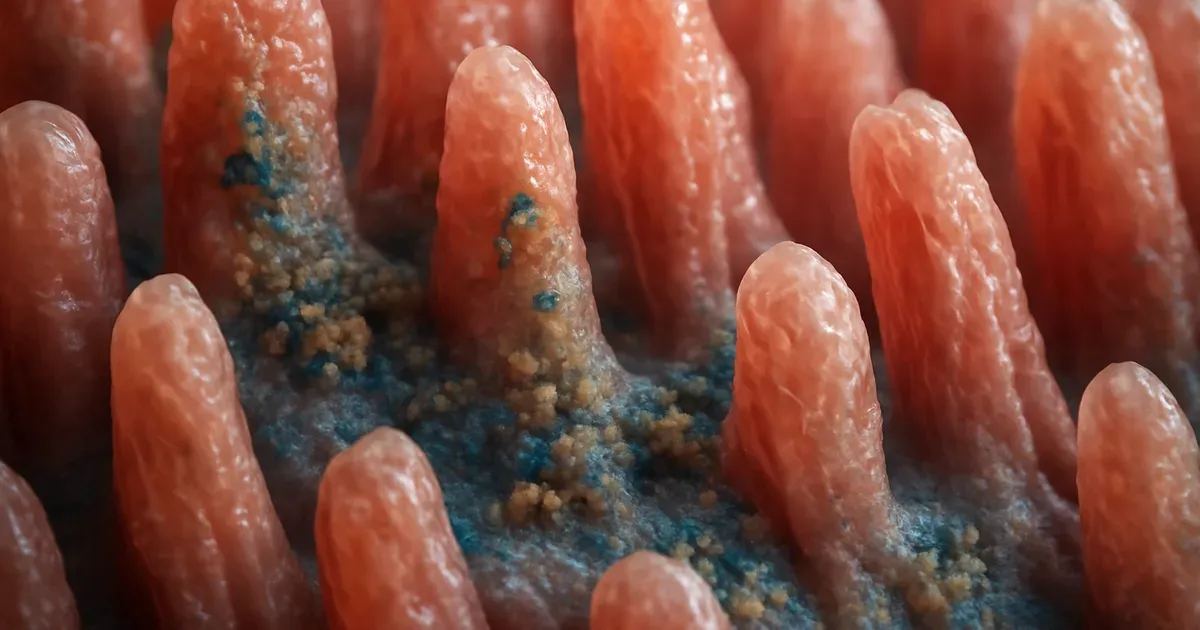
Dietary fibre is the primary fuel source for the beneficial bacteria that live in your gut. When you eat fibre, it travels undigested to your large intestine, where your gut microbiome ferments it — producing short-chain fatty acids (SCFAs) such as butyrate, propionate, and acetate. These compounds nourish the gut lining, reduce inflammation, and support immune function.
UK microbiome research has been at the forefront of this field. The British Gut Project — one of the world's largest citizen science microbiome studies, led by researchers at King's College London — has shown that people who eat more than 30 different plant foods per week have significantly more diverse gut microbiomes than those eating fewer than 10. Diversity is widely considered a marker of a healthy microbiome.
A fibre-rich diet also supports:
- Regular, comfortable bowel movements
- A stronger gut barrier (reducing "leaky gut")
- Lower levels of inflammatory markers in the bloodstream
- Better regulation of blood sugar and cholesterol
Researchers at the University of Reading have published extensively on how specific fibres — particularly prebiotic fibres like inulin and fructooligosaccharides — selectively feed beneficial bacterial strains such as Bifidobacterium and Lactobacillus. The message from microbiome UK research is clear: fibre is not optional; it is the foundation of a thriving gut ecosystem.
How much protein do I actually need each day?
Most healthy adults need far less protein than current diet culture suggests. UK dietary reference values, published by the Scientific Advisory Committee on Nutrition (SACN), recommend approximately 0.75 grams of protein per kilogram of body weight per day for sedentary adults — translating to roughly 45–56 grams per day for most women and men respectively.
Preventive medicine specialists echo this view. Dr Karen Studer, chair of Preventive Medicine at Loma Linda University, notes: "In all my decades of practising medicine, I have never encountered a single person who was protein-deficient. But there are many people who are fibre-deficient."
Approximate daily protein targets for reference:
- Average woman: ~45–46 g per day
- Average man: ~52–56 g per day
- Older adults, those losing weight, or building muscle: modestly more, but not excessively so
The key insight is that most British adults already meet or exceed their protein requirements through everyday eating — without ever touching a protein supplement. The real gap is fibre, not protein.
What are the risks of eating too much protein and not enough fibre?
Chronically high protein intake combined with low fibre is a double nutritional risk. Excess protein, particularly from animal sources, can place strain on the kidneys, increase cardiovascular risk, and — when carbohydrate intake is low — may be converted by the body into glucose or stored as fat.
Low fibre intake is associated with a well-documented cluster of serious health risks:
- Increased risk of colorectal cancer (the second most common cause of cancer death in the UK)
- Higher risk of cardiovascular disease and stroke
- Greater likelihood of type 2 diabetes
- Elevated cholesterol and systolic blood pressure
- Higher overall body weight
- Increased risk of premature death from all causes
For gut health specifically, chronically low fibre starves beneficial bacteria and allows less desirable microbial species to dominate — a state linked to increased intestinal permeability, systemic inflammation, and poorer mental health outcomes via the gut-brain axis.
The British Dietetic Association (BDA) has long highlighted that UK dietary fibre intake is insufficient at a population level, and that closing this gap would likely reduce the burden on NHS services related to bowel disease, diabetes, and heart disease.
Is plant-based protein better for your gut than animal protein?
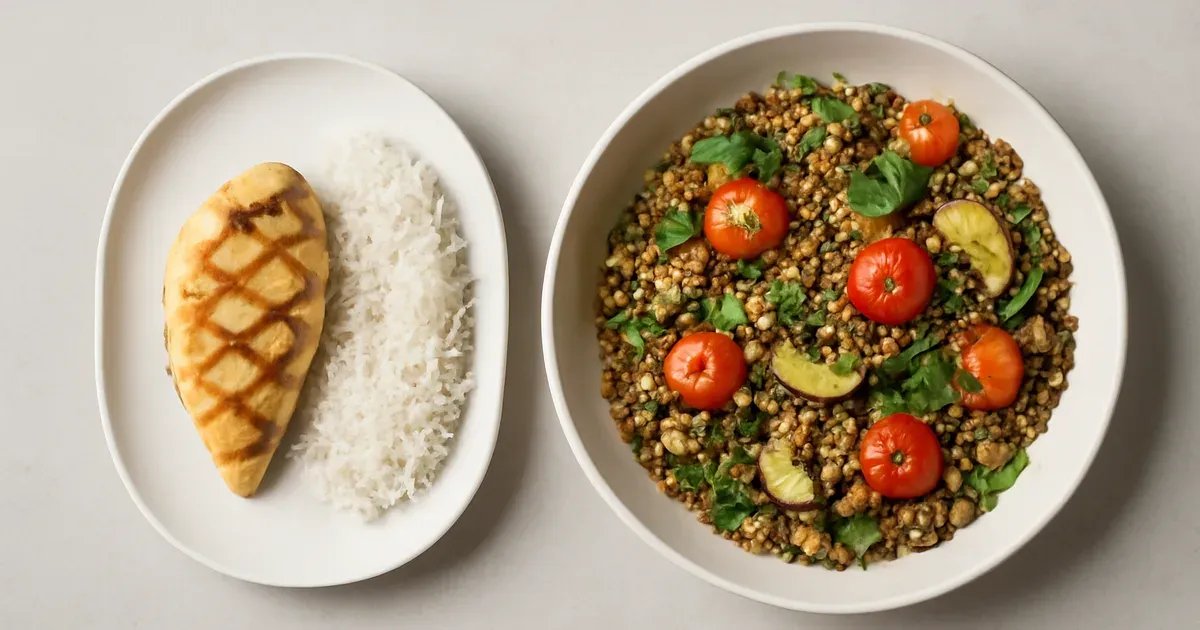
Plant-based protein sources offer a significant gut health advantage: they come packaged with fibre. Animal proteins — meat, fish, eggs, dairy — contain zero dietary fibre. Plant proteins such as lentils, chickpeas, black beans, tofu, quinoa, and edamame deliver both protein and the prebiotic fibre that feeds your microbiome simultaneously.
Dr Studer puts it plainly: "Most of the protein people are eating comes from animals that are high in cholesterol, saturated fat, and calories. In contrast, plant-based protein is naturally high in fibre, has fewer calories, and contains essential vitamins and nutrients."
Plant vs Animal Protein — At a Glance
| Feature | Plant Protein | Animal Protein |
|---|---|---|
| Dietary fibre | ✅ High | ❌ None |
| Saturated fat | Generally low | Often high |
| Cholesterol | None | Present |
| Microbiome benefit | Strong (prebiotic effect) | Neutral to negative |
| Calorie density | Lower | Higher |
| Complete amino acids | Variable (mix sources) | Typically complete |
For gut health in the UK, shifting even a proportion of daily protein intake towards legumes, wholegrains, and vegetables can meaningfully improve microbiome diversity and reduce inflammatory load — without requiring a fully plant-based diet.
What is the gut-brain connection, and does fibre affect it?
The gut-brain connection is the bidirectional communication network linking your digestive system with your central nervous system — and fibre plays a direct role in keeping it functioning well. The gut produces approximately 90% of the body's serotonin, a neurotransmitter central to mood regulation, and the SCFAs produced during fibre fermentation have been shown to influence this process.
Research from institutions including University College London (UCL) and the MRC (Medical Research Council) has explored how gut microbiome composition influences mental health outcomes — including anxiety, depression, and cognitive function. A depleted, low-diversity microbiome — the predictable result of a low-fibre diet — is increasingly associated with poorer mood and higher stress reactivity.
Practically, this means:
- Eating more fibre feeds the bacteria that produce mood-supporting compounds
- A diverse microbiome, driven by plant variety, supports a more resilient gut-brain axis
- Conversely, a diet dominated by animal protein and low in fibre may negatively affect mental wellbeing over time
UK Biobank data, analysed by researchers at King's College London and Imperial College London, is beginning to map associations between dietary patterns, microbiome composition, and long-term mental health in the British population — making this one of the most exciting frontiers in UK microbiome research today.

Is there a healthy protein-to-fibre ratio to follow?
There is no specific protein-to-fibre ratio recommended by nutrition science. Both nutrients serve distinct and essential roles in the body, and the evidence does not support tracking them against each other as a formula.
What research does suggest is that dietary patterns lower in animal protein and higher in fibre are consistently associated with the best long-term health outcomes — including lower rates of heart disease, cancer, type 2 diabetes, and gut disorders. Rather than calculating a ratio, a simpler guiding principle applies: if you are hitting 30 grams of fibre per day (the NHS target for UK adults) and meeting — but not significantly exceeding — your protein needs, you are likely in a healthy range.
A practical rule of thumb is to ensure that at least half of every meal contains plants — vegetables, wholegrains, legumes, or fruit — which naturally tilts the balance towards adequate fibre alongside moderate, varied protein sources.
How can I safely increase my fibre intake without discomfort?
Increasing fibre gradually is essential — jumping from 15 grams to 30 grams overnight is likely to cause bloating, gas, and abdominal discomfort. Dr Studer advises adding approximately one to two servings of high-fibre foods per day and giving your gut microbiome several weeks to adapt.
The reason for this adjustment period is biological: your gut bacteria need time to up-regulate the enzymes involved in fermenting the additional fibre. This process — though temporarily uncomfortable — is a sign of a healthy microbiome doing exactly what it should.
Simple swaps to improve gut health naturally:
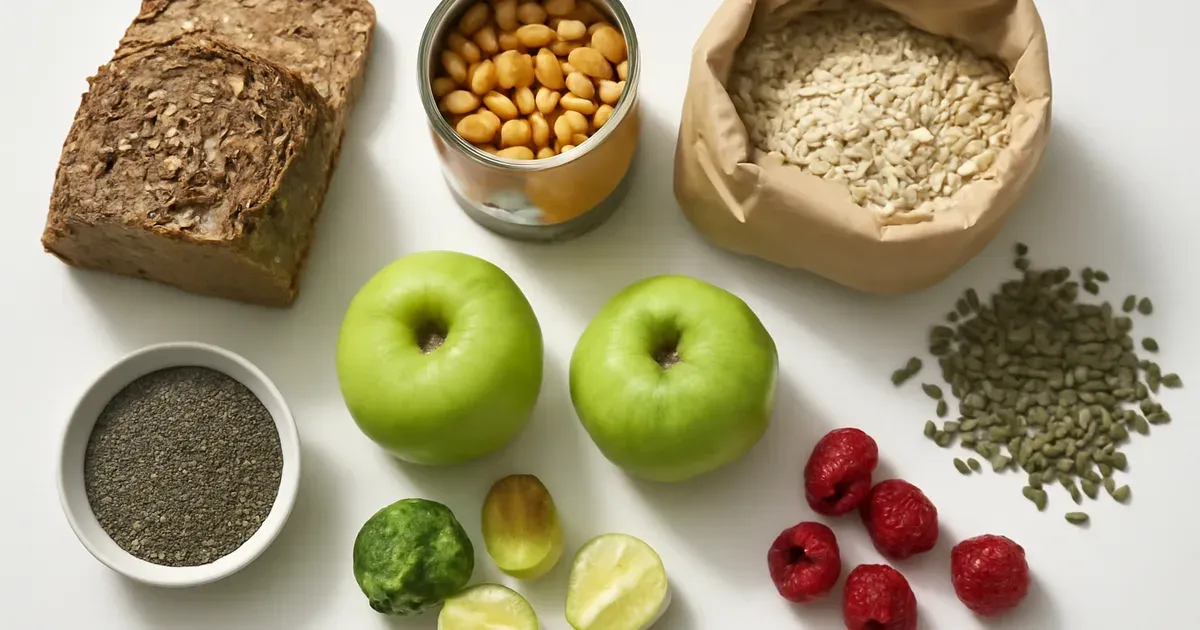
- Swap white bread, pasta, and rice for wholegrain versions
- Choose whole fruit over fruit juice (juice removes almost all fibre)
- Add a tin of lentils or chickpeas to soups, stews, and salads
- Eat potato and apple skins rather than peeling them
- Sprinkle chia seeds or pumpkin seeds over porridge or yoghurt
- Snack on almonds or a banana instead of processed snacks
High-fibre foods well suited to the British diet:
| Category | Examples |
|---|---|
| Fruits | Raspberries, pears, apples (with skin), bananas, oranges |
| Vegetables | Brussels sprouts, carrots, potatoes (with skin) |
| Wholegrains | Oats (porridge), barley, quinoa |
| Legumes | Lentils, split peas, black beans, chickpeas |
| Nuts & Seeds | Almonds, chia seeds, pumpkin seeds, sunflower seeds |
Drink plenty of water as you increase fibre — fibre absorbs water in the digestive tract, and adequate hydration is essential for it to do its job effectively and comfortably.
The Bottom Line
- Most UK adults are eating too little fibre (around 18 g/day vs the NHS-recommended 30 g) and too much animal protein — not too little protein overall.
- Fibre is the primary food source for your gut microbiome, driving the production of short-chain fatty acids that support gut lining integrity, immunity, and even mood via the gut-brain connection.
- Plant-based proteins — lentils, chickpeas, beans, quinoa, tofu — deliver both protein and fibre, making them doubly valuable for gut health in the UK.
- There is no magic protein-to-fibre ratio to track; the evidence simply favours eating more plants and moderating animal protein.
- Increase fibre slowly — by one to two servings per day — to allow your microbiome to adapt without discomfort. Small, consistent swaps add up to meaningful change over time.
Ready to Improve Your Gut Health?
Understanding the science is the first step — but small daily choices make the biggest difference. Swap one refined grain for a wholegrain, add a handful of lentils to tonight's dinner, or reach for a pear instead of a biscuit. Your gut microbiome responds to change quickly, and even modest increases in dietary fibre can shift the composition of your gut bacteria within days. Start where you are, improve gut health naturally, and build from there.
You might also like
- How to Improve Gut Health Naturally in 5 Steps
- Protein & Fibre: The Gut-Brain Power Duo
- Morinaga Milk Gains GRAS Status for Postbiotic Ingredient
96 Bacterial Strains. Two Shots a Day.
GOODIE is an award-winning fermented drink with 96 live bacterial strains — more than any yogurt or kombucha — never pasteurised, clinically tested, and 8 in 10 users felt less bloating within 14 days. Curious?