Protein & Fibre: The Gut-Brain Power Duo
Protein and fibre work together to support gut health, the gut-brain connection, and recovery. Here's what UK science says about getting both right.


Most people optimising their diet focus heavily on protein — and rightly so. But there is a quieter, equally powerful nutrient sitting in its shadow: fibre. For anyone serious about gut health in the UK, performance, and sustained energy, understanding how these two nutrients work together could be the most important shift you make this year.
This is not just a fitness story. It is a gut-brain story. Emerging research — including work from King's College London, the University of Reading, and the British Gut Project — shows that what you eat directly shapes your microbiome, and your microbiome directly shapes how you think, feel, recover, and perform. Protein and fibre are at the heart of that equation.
Why the Gut-Brain Connection Changes Everything
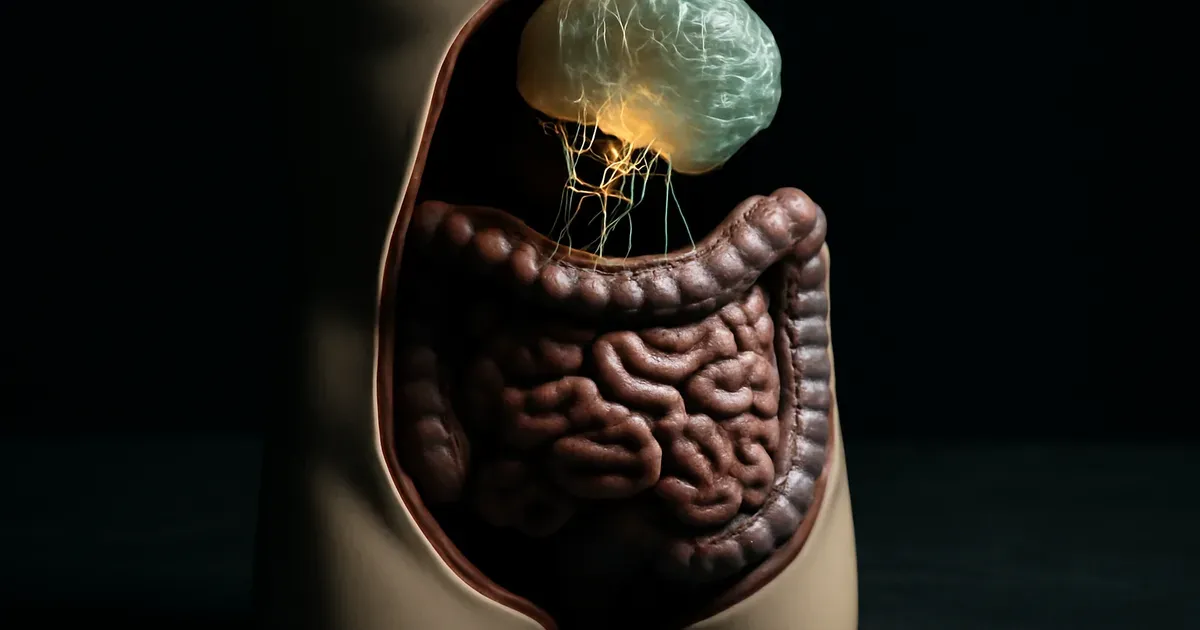
The gut-brain axis is one of the most exciting frontiers in modern science. This bidirectional communication network links your gastrointestinal tract to your central nervous system via the vagus nerve, the enteric nervous system, and a cascade of microbial metabolites. In plain terms: your gut talks to your brain, and your brain talks back — constantly.
Research supported by the Wellcome Trust and the MRC (Medical Research Council) has demonstrated that the trillions of microbes living in your gut influence neurotransmitter production, inflammation levels, immune regulation, and even mood. Approximately 90% of the body's serotonin is produced in the gut — not the brain. That statistic alone reframes how we should think about nutrition.
Fibre is the primary fuel for these gut microbes. Specifically, prebiotic fibres — the kind found in chicory root, oats, leeks, garlic, and Jerusalem artichokes — selectively feed beneficial bacteria such as Bifidobacterium and Lactobacillus. When these bacteria ferment prebiotic fibre, they produce short-chain fatty acids (SCFAs) like butyrate, propionate, and acetate. These SCFAs reinforce the gut lining, modulate inflammation, and signal the brain via the gut-brain axis.
The British Dietetic Association (BDA) recommends 30g of fibre per day for UK adults — yet the average intake in the UK sits closer to 18g. That gap has real consequences, not just for digestion, but for mental clarity, immunity, and long-term resilience.
The Role of Protein in Gut Health and Recovery
Protein is best known as the building block of muscle — and that reputation is well earned. After resistance training, endurance exercise, or even a physically demanding commute, muscle fibres sustain microscopic damage. Dietary protein provides the amino acids needed to repair and rebuild those fibres, making you stronger and more resilient over time.
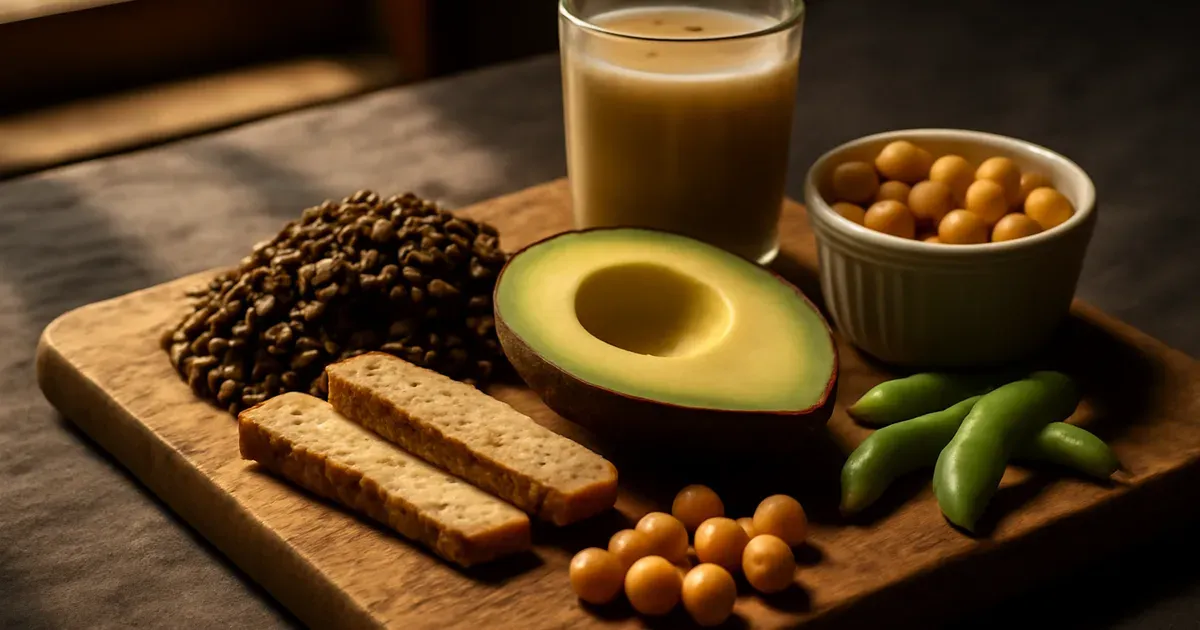
But protein's relationship with gut health in the UK conversation is often overlooked. High-quality protein sources — particularly plant-based proteins such as pea, hemp, and brown rice — bring their own fibre content and phytonutrients that support microbial diversity. Research from the University of Reading has shown that plant protein fermentation in the colon produces beneficial metabolites that differ from those generated by animal protein, suggesting that how you get your protein matters as much as how much.
Protein also supports the gut barrier itself. Certain amino acids — particularly glutamine and arginine — are essential for maintaining the integrity of intestinal epithelial cells, the single-cell-thick lining that separates your gut contents from your bloodstream. A compromised gut barrier (sometimes called "leaky gut") has been linked to systemic inflammation, fatigue, and disrupted gut-brain signalling.
For the health-conscious UK adult managing a busy life — work, family, exercise, and the rest — getting sufficient protein is non-negotiable. The NHS Eatwell Guide recommends protein as a core component of a balanced diet, though specific needs vary by activity level, age, and body composition.
Why Combining Protein and Fibre Is a Smart Strategy
Protein and fibre together create a nutritional synergy that neither achieves alone. Here is what the science — and practical experience — shows:
Sustained energy and stable blood sugar. Fibre slows the digestion of carbohydrates, moderating the release of glucose into the bloodstream. Protein further blunts glycaemic response. Together, they prevent the spike-and-crash cycle that leaves so many people reaching for biscuits at 3pm. UK Biobank data has highlighted associations between dietary fibre intake and reduced risk of type 2 diabetes — one of the most pressing public health challenges in the UK.
Better recovery through gut efficiency. When your digestive system is functioning well — supported by adequate fibre and a diverse microbiome — nutrients from your diet are absorbed more effectively. That means the protein you consume post-workout is more likely to reach the muscles that need it. The gut is not just a passive tube; it is an active participant in recovery.
Appetite regulation and the gut-brain loop. Fibre-fed gut bacteria produce SCFAs that stimulate the release of appetite-regulating hormones, including GLP-1 and peptide YY. These signal fullness to the brain via the gut-brain axis. Protein independently triggers satiety hormones. Combined, they create a powerful, sustained sense of fullness — reducing mindless snacking without requiring willpower alone.
Microbiome diversity and mental resilience. UK microbiome research, including findings from the British Gut Project led by King's College London, consistently shows that greater dietary diversity — particularly in plant-based fibre sources — correlates with greater microbial diversity. And microbial diversity is associated with lower rates of anxiety, depression, and cognitive decline. Protein supports the structural integrity of the gut environment in which this diversity thrives.
How to Build Protein and Fibre Into Your Daily Routine
Getting the protein-fibre combination right does not require a complicated overhaul of your diet. It requires intention and a few practical habits that work within a realistic UK lifestyle.
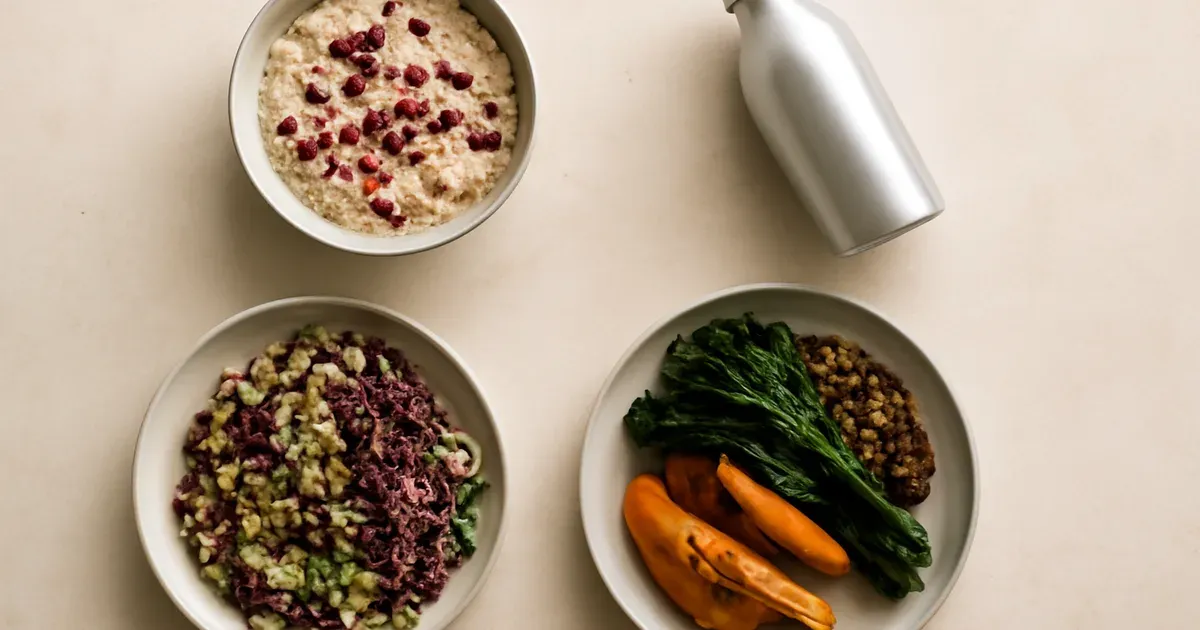
Start with a fibre-forward breakfast. Porridge made with oats (a prebiotic fibre source), topped with nuts or seeds (protein), and paired with a high-protein shake or Greek yoghurt is a simple, evidence-backed way to begin. The UK Eatwell Guide encourages wholegrains at every meal — oats are one of the most accessible and affordable options available.
Prioritise plant diversity across the day. The British Gut Project recommends aiming for 30 different plant foods per week to maximise microbiome diversity. This sounds ambitious but includes herbs, spices, nuts, seeds, legumes, fruits, and vegetables — not just salad leaves. Legumes such as lentils, chickpeas, and black beans are outstanding sources of both protein and fibre in a single ingredient.
Use convenient formats strategically. For busy mornings, post-workout windows, or afternoon energy dips, a plant-based protein shake that also contains prebiotic fibre — such as those featuring chicory root or agave fibre — offers a practical way to hit both targets simultaneously. Look for products delivering at least 18–20g of protein and 5–7g of fibre per serving. This format is particularly useful for those in the UK managing long commutes or demanding schedules where meal prep is not always feasible.
Do not neglect rest days. Recovery nutrition is not only for training days. On rest days, your gut microbiome continues its work — fermenting fibre, producing SCFAs, communicating with your brain. Maintaining consistent protein and fibre intake throughout the week supports steady microbial activity and more reliable mood, focus, and energy.
Evening meals matter more than most people realise. An evening meal rich in fibre — roasted vegetables, wholegrains, legumes — provides overnight fermentation fuel for your gut bacteria. Pairing this with a moderate protein source supports overnight muscle repair processes and sets up a healthier gut environment for the following morning.

What UK Microbiome Research Tells Us About the Future
The science of the gut-brain connection is moving quickly, and the UK is at the forefront. Imperial College London, UCL, and the University of Cambridge are all running active research programmes exploring how diet, microbiome composition, and brain health intersect. The MRC and BBSRC have both funded significant work in this space, and findings are beginning to translate into practical dietary recommendations.
One emerging area of focus is the concept of "psychobiotics" — specific bacterial strains and prebiotic fibres that measurably influence mood and cognitive function. While the field is young and clinical applications are still developing, the foundational message is already clear: feed your microbiome well, and your brain benefits. Neglect it, and both gut and mental health can suffer.
The NHS is beginning to integrate gut health into broader health pathways. NHS guidance on diet increasingly acknowledges the role of the microbiome in conditions ranging from irritable bowel syndrome (IBS) to mental health. For the estimated 10–20% of UK adults living with IBS, dietary interventions centred on fibre quality and protein adequacy are becoming a first-line recommendation.
Improve gut health naturally — through food, consistent habits, and an understanding of the gut-brain axis — remains the most evidence-supported strategy available. Supplements and interventions have their place, but the foundation is always diet.
Bottom Line: Two Nutrients, One Powerful System
Protein and fibre are not competing priorities — they are complementary pillars of the same system. For gut health in the UK context, where fibre intake is chronically below recommended levels and mental health pressures are significant, getting both nutrients right has consequences that extend far beyond the gym.
Your gut microbiome is shaped by every meal you eat. It feeds your brain, regulates your immune system, influences your mood, and determines how efficiently your body recovers from physical and mental stress. Protein provides the structural building blocks that keep this system intact. Fibre provides the fuel that keeps it thriving.
The smartest nutrition strategy is not the most complicated one. It is the one that consistently delivers both — through diverse, plant-rich meals, strategic use of convenient high-quality formats when life gets busy, and an understanding that gut health and performance are not separate goals. They are the same goal, approached from different angles.
For anyone looking to improve gut health naturally, support the gut-brain connection, and perform at their best — start with protein and fibre. The research, and your gut, will thank you.
Frequently Asked Questions
Q: How much fibre should adults in the UK be eating each day? A: The British Dietetic Association recommends 30g of fibre per day for UK adults. Current average intake in the UK is approximately 18g — well below the target. Increasing fibre through wholegrains, legumes, vegetables, fruits, nuts, and seeds is the most effective approach.
Q: Does the type of protein I eat affect my gut microbiome? A: Yes. Research, including studies from the University of Reading, suggests that plant-based protein sources generate different microbial metabolites in the colon compared to animal proteins. Plant proteins tend to support greater microbial diversity and produce more beneficial SCFAs. A mixed diet with an emphasis on plant proteins appears optimal for microbiome health.
Q: What are prebiotic fibres and why do they matter for the gut-brain connection? A: Prebiotic fibres are non-digestible carbohydrates that selectively feed beneficial gut bacteria. Sources include chicory root, oats, garlic, leeks, and Jerusalem artichokes. When gut bacteria ferment these fibres, they produce SCFAs that support the gut lining, modulate inflammation, and communicate with the brain via the gut-brain axis — influencing mood, cognition, and stress response.
Q: Can a protein shake support gut health in the UK diet? A: A plant-based protein shake that also contains prebiotic fibre — such as chicory root inulin or agave fibre — can contribute meaningfully to both protein and fibre intake. It is most useful as a convenient option when whole-food meals are not practical, rather than a complete replacement for dietary variety.
Q: Is the gut-brain connection supported by NHS or UK research bodies? A: Yes. The MRC, Wellcome Trust, BBSRC, and numerous UK universities including King's College London, Imperial College London, and UCL are actively researching the gut-brain axis. The NHS increasingly acknowledges the role of diet and gut health in both physical and mental health pathways, particularly for conditions such as IBS, anxiety, and depression.
You might also like
- How to Improve Gut Health Naturally in 5 Steps
- Gut Health UK Explained: Your Biggest Questions Answered
- 7 Gut Health Mistakes Harming Your Heart
96 Bacterial Strains. Two Shots a Day.
GOODIE is an award-winning fermented drink with 96 live bacterial strains — more than any yogurt or kombucha — never pasteurised, clinically tested, and 8 in 10 users felt less bloating within 14 days. Curious?