Gut Bacteria Linked to ALS and Dementia Trigger
Gut bacteria may trigger ALS and dementia via harmful sugars that spark brain-damaging immune responses, Case Western Reserve researchers find.

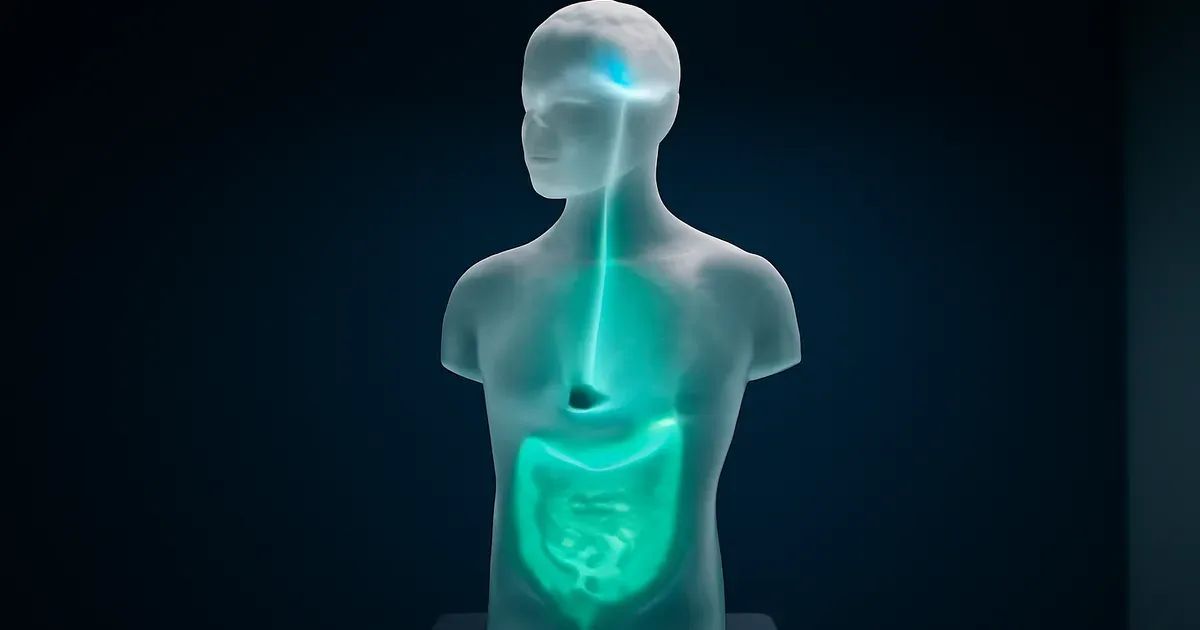
Researchers at Case Western Reserve University have identified gut bacteria as a potential trigger for ALS and frontotemporal dementia, according to a study reported by Science Daily on April 9, 2026. The finding centres on harmful sugars produced by gut microbes, which scientists say can spark immune responses that travel to the brain and cause damage. The discovery may help explain why some people with a genetic predisposition to these conditions go on to develop them while others do not.
Why This Matters
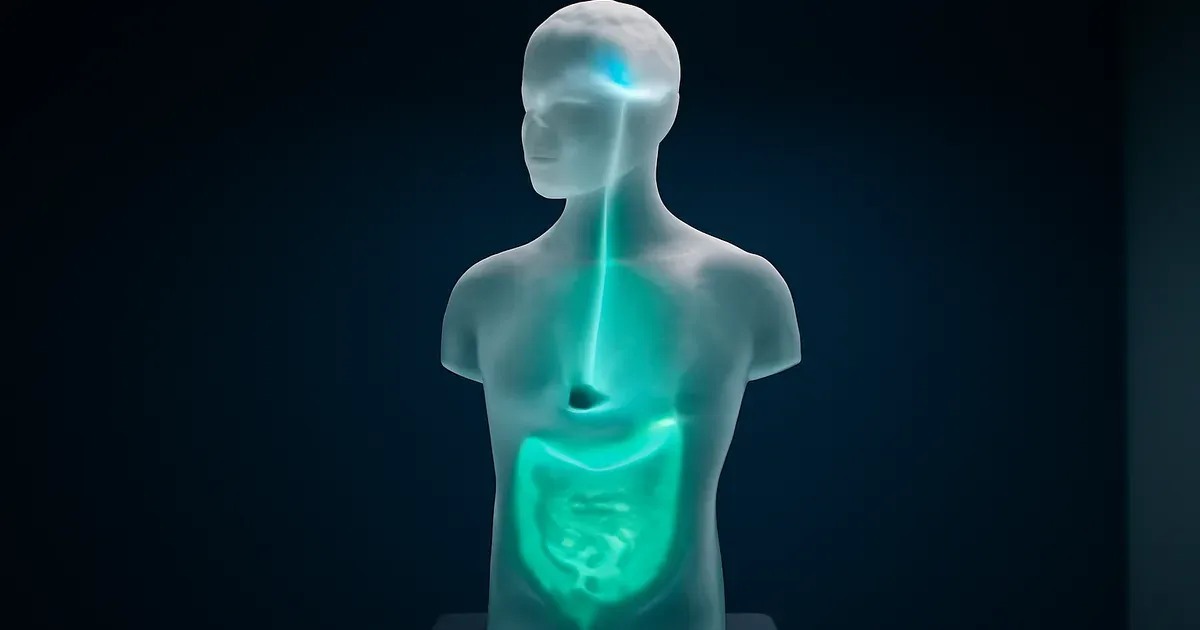
ALS and frontotemporal dementia are among the most devastating neurological disorders, with limited treatments and poorly understood causes. The gut-brain axis — the biological communication network linking the digestive system to the central nervous system — has attracted growing scientific attention in recent years. Research into the microbiome has already connected gut health to conditions including Parkinson's disease, depression, and multiple sclerosis. Per Science Daily, this new study adds two more serious conditions to the list of diseases where gut biology may play a decisive role, reinforcing the microbiome as a major frontier in brain health research.
Harmful Sugars: The Core Finding
The study found that specific harmful sugars produced by gut bacteria are capable of provoking immune system reactions that ultimately damage the brain. According to the researchers, this mechanism may act as a secondary trigger in people who already carry a genetic risk for ALS or frontotemporal dementia. This gut-driven immune response could be the missing link explaining why genetic risk alone does not determine who develops these diseases. The findings position the gut microbiome not merely as a bystander in neurological health, but as an active participant in disease onset, scientists report.
What This Means for Patients and Research
For people with a family history of ALS or frontotemporal dementia, this research raises the possibility that gut health interventions could one day reduce disease risk. The findings suggest that monitoring or modifying the gut microbiome may become a relevant strategy in neurodegenerative disease prevention. According to the study, further research is needed before clinical applications can be developed, but the identification of this gut-brain pathway opens a new direction for both diagnosis and therapeutic investigation.
The Case Western Reserve University findings mark a significant shift in how scientists understand the origins of ALS and frontotemporal dementia, according to Science Daily. By implicating gut bacteria and the broader microbiome in triggering brain-damaging immune responses, the research strengthens the case for treating gut health as central to neurological wellbeing — not separate from it.