Gut Bacteria Linked to Depression via Inflammation
Harvard scientists find gut bacterium Morganella morganii produces an inflammation-triggering molecule linked to depression via pollutant interaction.

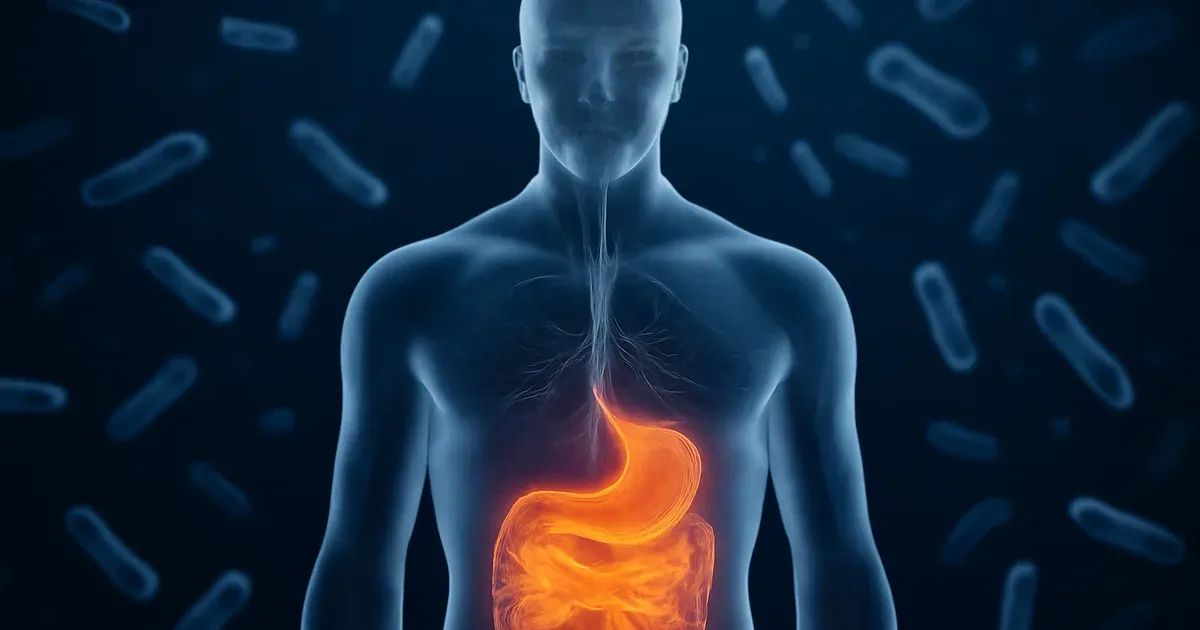
Harvard scientists have identified a potential microbial trigger for depression, finding that the gut bacterium Morganella morganii interacts with a common environmental pollutant to produce a molecule that drives inflammation — a biological process strongly associated with depressive illness. The research, published in late April 2026 and reported by Science Daily, adds a specific bacterial culprit to the growing field of gut-brain science.
Why This Matters
Scientists have long suspected that the gut microbiome — the vast community of microorganisms living in the digestive tract — plays a significant role in mental health, but pinpointing exactly which bacteria are responsible has proved elusive. The gut-brain axis, a bidirectional communication network linking the digestive system to the central nervous system, is now one of the most active areas of biomedical research. According to Science Daily, researchers are still working to identify which specific bacteria influence brain function, making this finding a meaningful step forward in understanding depression at a biological level.
A Hidden Chemical Reaction Inside the Gut
The study found that when Morganella morganii encounters a common pollutant in the gut environment, it produces an unusual phospholipid molecule that triggers an inflammatory response — and inflammation is a pathway consistently implicated in the development of depression. Per research published in the Journal of the American Chemical Society identifying unusual phospholipids from Morganella morganii linked to depression, this chemical interaction represents an unexpected route through which gut bacteria may quietly fuel mental health conditions. The researchers describe this as a previously overlooked "chemical twist" in the microbiome-brain relationship, according to Science Daily.
What This Means for Gut and Mental Health Research
For people interested in gut health, these findings reinforce the importance of the microbiome as a target for mental health intervention. The research suggests that environmental pollutants interacting with specific gut bacteria could be a modifiable risk factor in depression. According to the study's authors, understanding these microbial mechanisms may eventually open doors to new treatment strategies — whether through microbiome modulation, dietary changes, or targeted therapies aimed at reducing gut-derived inflammation.
This research underscores a broader shift in how scientists approach depression: not solely as a condition of brain chemistry, but as one potentially rooted in the gut. As the gut-brain axis continues to attract research investment, identifying specific bacteria like Morganella morganii and the molecules they produce may prove critical to developing next-generation mental health treatments. The findings from Harvard scientists represent a concrete advance in translating microbiome science into clinically relevant insight.