Gut Bacteria and Fat Conversion: What Research Shows
New research suggests gut bacteria may influence how the body converts fat into energy, potentially transforming fat storage through diet–gut microbiome signall

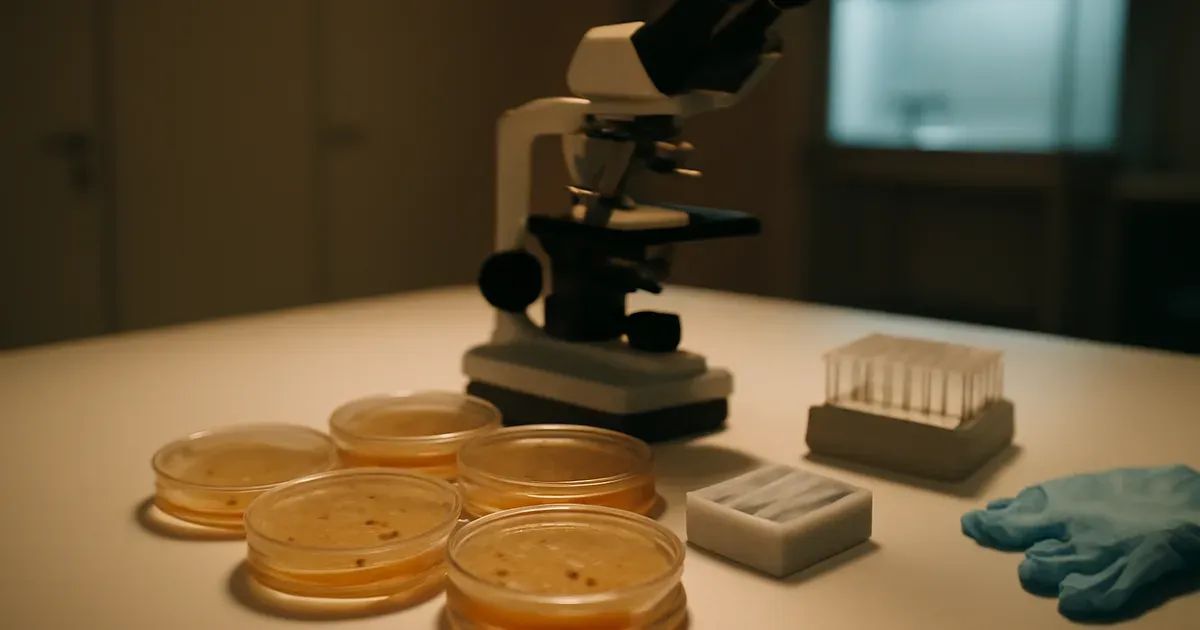
New research suggests that gut bacteria may play a direct role in how the body converts fat into energy, according to findings highlighted by Alltoc.com on April 10, 2026. Scientists are investigating how diet and the gut microbiome interact to influence fat storage and metabolism, with early evidence pointing to a potential mechanism by which energy-storing white fat may be transformed into more metabolically active tissue.
Why This Matters
The gut microbiome — the vast community of bacteria, fungi, and other microorganisms living in the digestive tract — has become one of the most intensively studied areas in modern health science. Research increasingly links microbiome composition to conditions ranging from obesity and type 2 diabetes to mood disorders and cardiovascular disease. Understanding how gut bacteria interact with dietary fat could open new pathways for treating metabolic conditions that affect hundreds of millions of people globally. Per Alltoc.com, this line of research sits at the intersection of nutrition science and gut-brain signalling.
Diet–Gut Signalling May Drive Fat Metabolism
The core finding centres on diet–gut signalling potentially converting white fat — the body's primary energy storage form — into more calorie-burning tissue. According to researchers cited in the source report, the interaction between what a person eats and the specific bacterial populations in their gut may determine how efficiently fat is metabolised. Scientists report that these signalling pathways could represent a novel target for metabolic health interventions, though the research remains at an early stage and broader clinical validation is still needed.
What This Means for Gut Health
For those following developments in gut health and microbiome science, these findings suggest that dietary choices may influence fat metabolism not just through calories alone, but through their effect on gut bacterial communities. According to the source, this emerging field could eventually inform dietary recommendations or microbiome-targeted therapies aimed at improving how the body manages energy. Researchers appear to indicate that the gut-metabolism connection deserves significantly more clinical attention.
The relationship between gut bacteria and fat conversion represents a rapidly evolving area of science. According to Alltoc.com, diet–gut interactions may hold genuine potential for reshaping how metabolic health is understood and managed — though experts caution that translating early findings into clinical practice will require substantial further research.