Gut Bacterium May Prevent Weight Regain After Dieting
New research in Nature Medicine finds a pasteurised gut bacterium, Akkermansia muciniphila, may help prevent weight regain after dieting, with implications for

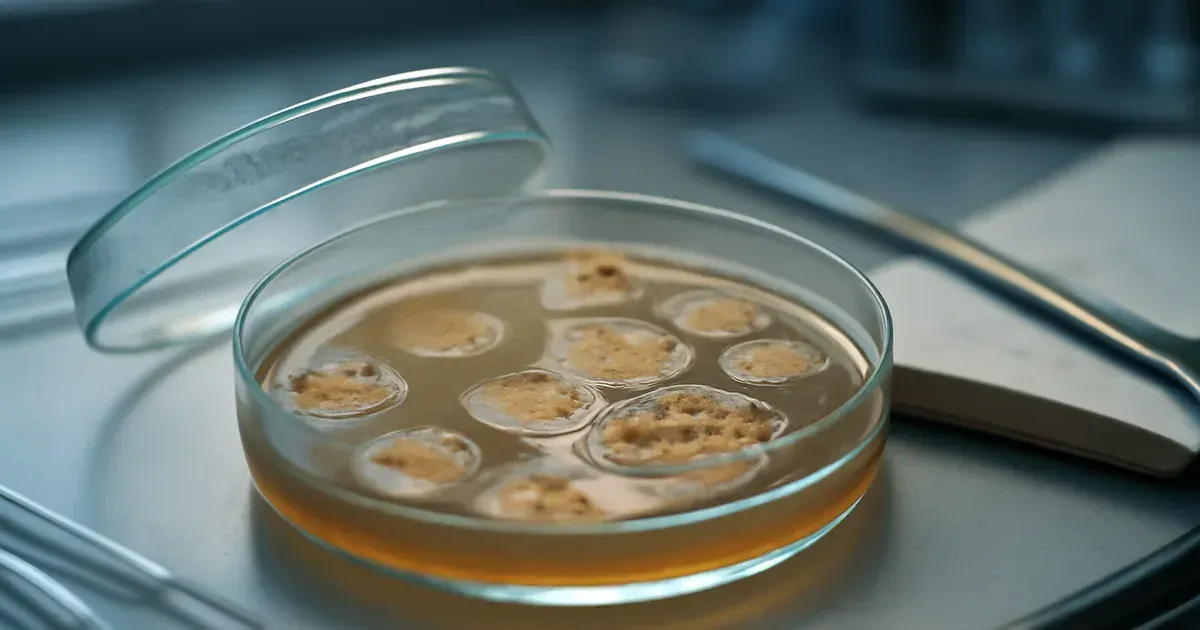
A specific gut microbe could hold the key to long-term weight management, according to new research published in the journal Nature Medicine. Scientists tested a pasteurised form of the gut bacterium Akkermansia muciniphila and found it may help prevent weight regain following a period of dieting. The findings add fresh momentum to UK microbiome research and growing scientific interest in how gut bacteria influence body weight and metabolism.
Why This Matters for Microbiome Science
Weight regain after dieting is one of the most persistent challenges in obesity management — and in the UK, where roughly 64% of adults are living with overweight or obesity according to NHS data, it is a significant public health concern. The gut microbiome has increasingly been recognised as a key player in metabolic health, with UK microbiome research from institutions such as King's College London and the British Gut Project highlighting how microbial diversity shapes everything from digestion to immune function. Scientists are now exploring whether targeted bacterial interventions could shift the dial on long-term weight outcomes.
Study Finds Pasteurised Akkermansia Shows Promise
The research, reported by Fox News on 11 June 2026, centred on Akkermansia muciniphila — a bacterium naturally present in the human gut lining. Crucially, the study used a pasteurised, non-live version of the microbe rather than a live probiotic, which researchers suggest may offer practical advantages for stability and safety. According to the study findings, participants who received the pasteurised bacterium showed promising results in preventing the weight rebound that typically follows calorie restriction. The precise mechanisms by which Akkermansia may exert these effects remain under investigation.
What This Means for the Gut-Brain Connection
The findings also carry relevance beyond weight management alone. The gut-brain connection — the bidirectional communication pathway linking gut microbes to brain function, appetite regulation, and mood — is an active area of study in the UK and globally. Researchers believe that bacteria such as Akkermansia may influence appetite-signalling hormones, potentially helping the body resist the neurological drive to overeat following weight loss. For UK adults looking to improve gut health naturally, this research underscores the broader significance of nurturing a diverse, balanced microbiome through diet and lifestyle.
Next Steps and Implications for UK Readers
While the results are described as promising, researchers have not yet confirmed when or whether Akkermansia-based supplements might become widely available through NHS pathways or over-the-counter channels in the UK. The British Dietetic Association and British Nutrition Foundation consistently advise that dietary strategies — including high-fibre foods aligned with the UK Eatwell Guide — remain the most evidence-based way to support gut health at present. Further clinical trials will be needed before firm recommendations can be made.
This study adds to a growing body of evidence suggesting that the secret to sustainable weight management may partly lie in the gut microbiome. As UK microbiome research continues to advance, understanding the role of specific bacteria like Akkermansia could open new avenues for tackling one of Britain's most pressing public health challenges — and may ultimately reshape how the NHS approaches long-term weight management strategies.
You might also like
- The Oral Microbiome: Your Biggest Questions Answered
- How to Improve Gut Health Naturally in 5 Steps
- Gut Health Supplement SlimTide Targets Microbiome
96 Bacterial Strains. Two Shots a Day.
GOODIE is an award-winning fermented drink with 96 live bacterial strains — more than any yogurt or kombucha — never pasteurised, clinically tested, and 8 in 10 users felt less bloating within 14 days. Curious?