The Oral Microbiome: Your Biggest Questions Answered
Discover how the oral microbiome connects to gut health, the gut-brain connection, and systemic disease — with evidence-based UK guidance.

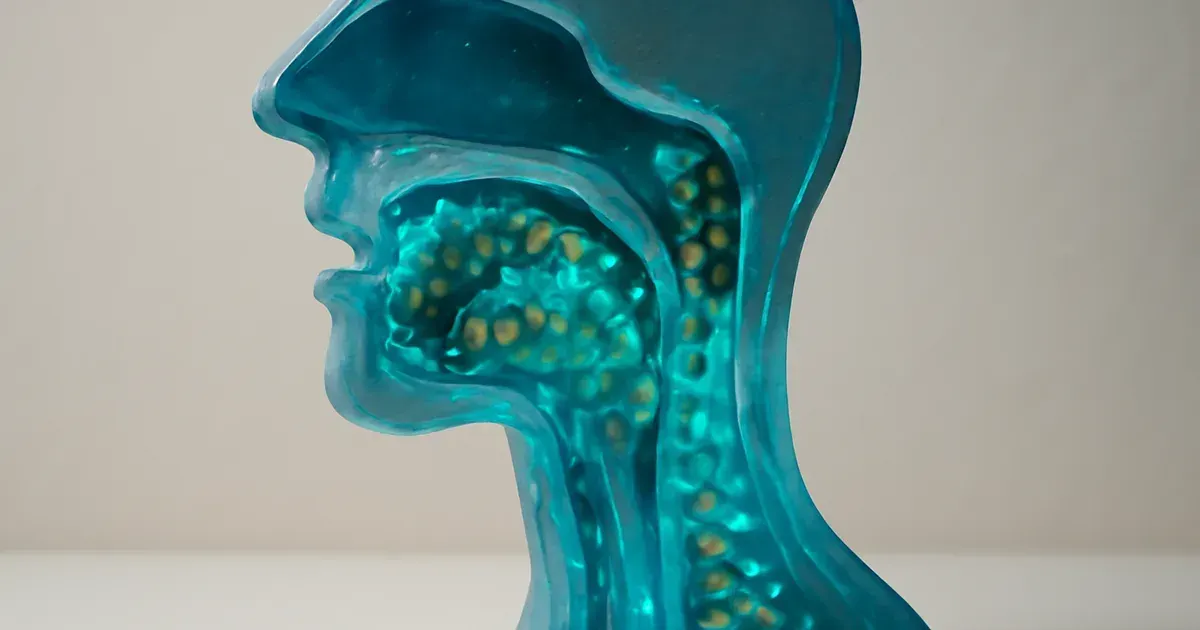
Most people know that brushing their teeth matters — but far fewer realise that the microscopic community living in their mouth can influence everything from heart health to digestion and even mood. The oral microbiome is rapidly becoming one of the most exciting frontiers in microbiome UK research, and for good reason. If you have questions about what it is, how it connects to your gut and brain, and what you can actually do about it, this guide has the answers.
Jump to Your Question
What is the oral microbiome and why does it matter?
How does the oral microbiome affect gut health?
What is the link between the oral microbiome and the gut-brain connection?
What are the signs of an unhealthy oral microbiome?
How does oral microbiome dysbiosis connect to systemic diseases?
What is an oral microbiome test and can I get one in the UK?
How can I improve my oral microbiome naturally?
Does diet affect the oral microbiome the same way it affects the gut microbiome?
What is the oral microbiome and why does it matter?
The oral microbiome is the collective community of bacteria, fungi, viruses, and other microorganisms that inhabit your mouth — and it is far more significant than most people appreciate. Estimates suggest there are over 700 species of bacteria alone that can colonise the human oral cavity, making it the second most diverse microbial ecosystem in the body after the gut.
A balanced oral microbiome helps with the initial breakdown of food, protects against harmful pathogens, and supports immune responses. When that balance is disrupted — a state researchers call dysbiosis — the consequences can ripple far beyond your teeth and gums.
UK microbiome research, including work at King's College London and the University of Reading, increasingly points to the mouth as a critical upstream checkpoint for whole-body health. Think of it as the first quality-control gate for everything entering your body.
How does the oral microbiome affect gut health?
The mouth is the direct gateway to the gut, and the microorganisms that live there are literally swallowed into the digestive system with every meal, drink, and breath. In a healthy oral environment, beneficial bacteria dominate and relatively few harmful species make it through. In a dysbiotic oral environment, harmful bacteria — including pathogens like Fusobacterium nucleatum and Porphyromonas gingivalis — can colonise the gut and disrupt its microbial balance.
Research published in journals including Nature and Gut has demonstrated that oral bacteria are detectable in the gut microbiomes of people with inflammatory bowel disease (IBD) and colorectal cancer far more frequently than in healthy controls. For those already navigating gut health UK concerns — such as IBS, bloating, or altered bowel habits — this upstream influence is clinically relevant.
The British Gut Project, which has collected microbiome data from tens of thousands of UK participants, has helped highlight just how interconnected these two microbial communities are. Improving gut health naturally, it turns out, may require looking as far up the digestive tract as your teeth.

What is the link between the oral microbiome and the gut-brain connection?
The gut-brain connection — the bidirectional communication network linking the gut and the brain via the vagus nerve, immune signals, and microbial metabolites — is now well established in science, but many people do not realise the oral microbiome plays a role in this pathway too. Because oral bacteria can migrate into the gut and alter the microbial landscape there, they indirectly influence the neurotransmitters and signalling molecules the gut produces.
For instance, certain oral pathogens have been found in the brains of people with Alzheimer's disease. A landmark 2019 study published in Science Advances identified P. gingivalis — a bacterium primarily associated with gum disease — in the brains of Alzheimer's patients. While causation has not been definitively proven, the association has prompted significant follow-up research, including studies at UCL and the University of Southampton.
The implications for mental health are also being explored. Disruption to the gut microbiome caused by oral dysbiosis could reduce the production of short-chain fatty acids (SCFAs) and alter serotonin signalling — both central to mood regulation via the gut-brain axis.
- Oral bacteria can enter the bloodstream through inflamed gum tissue
- From there, they may reach the gut, liver, heart, and brain
- The gut-brain connection means gut microbial changes can affect cognition and mood
- Early intervention in oral health may therefore support neurological as well as digestive outcomes
What are the signs of an unhealthy oral microbiome?
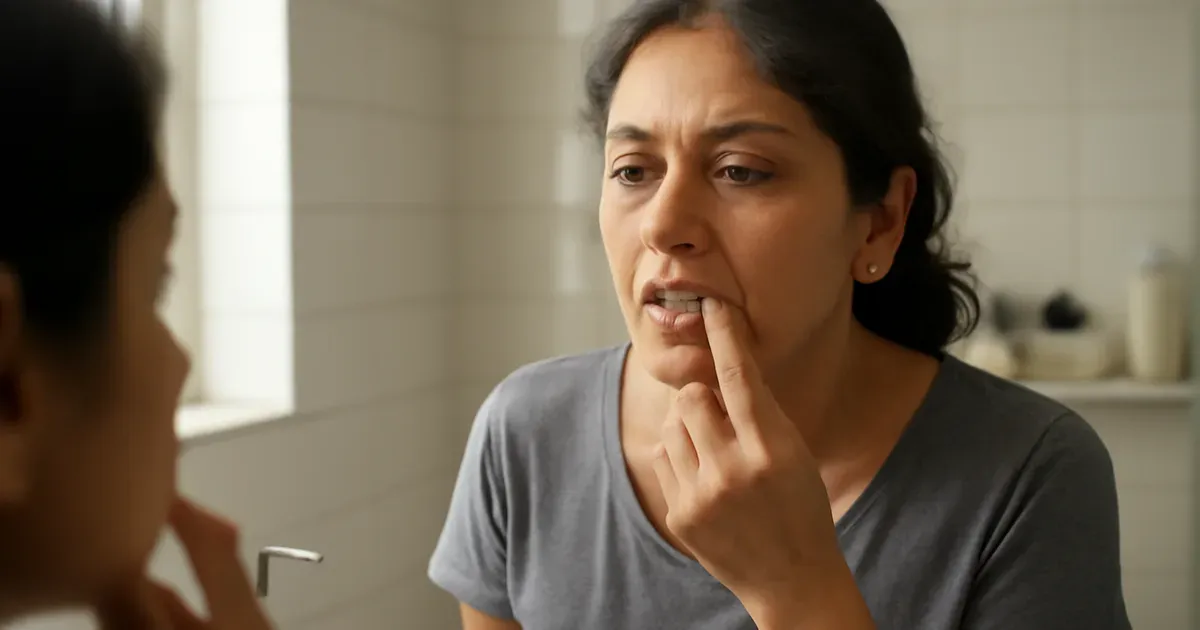
Several visible and sensory clues can indicate that your oral microbiome is out of balance, and many of them are things your NHS dentist will look for during a routine check-up. Persistent bad breath (halitosis) is one of the most common signs — it often reflects an overgrowth of sulphur-producing anaerobic bacteria rather than simply poor brushing technique.
Other warning signs include:
- Plaque and tartar buildup — a biofilm dominated by harmful bacterial species
- Gum inflammation or bleeding — an early indicator of gingivitis or periodontitis
- Tooth decay and enamel erosion — caused by acid-producing bacteria feeding on sugars
- Gum recession and tooth sensitivity — suggesting chronic microbial imbalance
- Oral lesions or recurrent mouth ulcers — may indicate immune disruption
- Changes in saliva consistency — saliva is a key defence mechanism for the oral microbiome
- Loose teeth — a sign of advanced periodontal disease
If you notice several of these signs, speaking to your NHS dentist is the right first step. Many of these indicators are reversible with targeted intervention.
How does oral microbiome dysbiosis connect to systemic diseases?
Dysbiosis in the oral microbiome is associated with a surprising range of systemic diseases, extending well beyond the mouth. The mechanism typically involves harmful bacteria or their inflammatory by-products entering the bloodstream — particularly through inflamed or bleeding gum tissue — and triggering immune responses in distant organs.
Conditions linked to oral microbiome dysbiosis include:
| Condition | Proposed Mechanism | UK Research Connection |
|---|---|---|
| Cardiovascular disease | Oral bacteria trigger arterial inflammation | Imperial College London, British Heart Foundation |
| Type 2 diabetes | Periodontal inflammation worsens insulin resistance | NHS England clinical guidance |
| Dementia / Alzheimer's | Oral pathogens detected in brain tissue | UCL, University of Southampton |
| Colorectal cancer | Oral bacteria (F. nucleatum) found in tumour tissue | University of Oxford, Cancer Research UK |
| Respiratory infections | Oral bacteria aspirated into the lungs | NHS infection control research |
| Adverse pregnancy outcomes | Systemic inflammation from gum disease | MRC-funded studies |
The British Dietetic Association notes that managing systemic inflammation through both diet and oral hygiene is an increasingly evidence-based approach. For UK adults already at risk for any of the above conditions, oral microbiome health deserves to be part of a broader prevention conversation.
What is an oral microbiome test and can I get one in the UK?
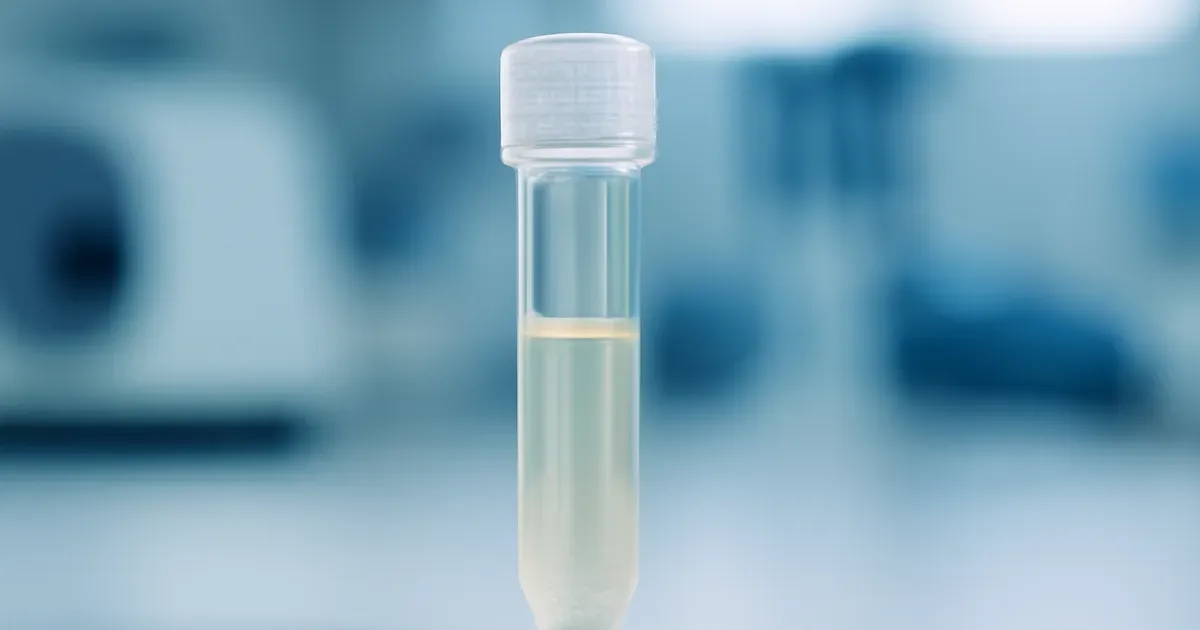
An oral microbiome test analyses the DNA of microorganisms present in your saliva or oral tissue to produce a detailed profile of which bacterial species are present, in what proportions, and whether any harmful species are overrepresented. The process typically involves collecting a saliva sample or a swab, which is then sent to a specialist laboratory for DNA sequencing.
In the UK, oral microbiome testing is not yet part of standard NHS pathways, but it is increasingly available through private dental practices and direct-to-consumer testing companies. Some UK universities, including King's College London and the University of Nottingham, have used oral microbiome profiling in research settings.
What a test can reveal:
- Overabundance of caries-causing bacteria (e.g., Streptococcus mutans)
- Presence of periodontal pathogens linked to gum disease
- Deficiency of protective species that produce antimicrobial compounds
- Markers associated with systemic disease risk
Results can be used by a dental professional to create a personalised oral health programme — including targeted probiotics, dietary adjustments, or specialist referrals. As microbiome UK research matures, it is likely these tests will become more accessible and clinically integrated.
How can I improve my oral microbiome naturally?
Improving your oral microbiome naturally requires a combination of consistent oral hygiene, dietary adjustment, and lifestyle choices — many of which overlap with advice for supporting the gut microbiome more broadly. The good news is that the oral microbiome responds relatively quickly to positive changes.
Practical steps recommended by dental and nutrition professionals:
- Brush twice daily with fluoride toothpaste — reduces harmful bacterial biofilm without completely stripping beneficial species
- Floss or use interdental brushes daily — removes bacteria from areas a toothbrush cannot reach
- Avoid alcohol-based mouthwashes — evidence suggests these disrupt microbial balance; opt for gentler alternatives
- Eat a diet high in fibre — consistent with UK Eatwell Guide recommendations; fibre feeds beneficial bacteria in both the mouth and the gut
- Reduce free sugars — sugar-fed acid-producing bacteria are the primary driver of oral dysbiosis; the NHS recommends limiting free sugars to under 30g per day for adults
- Include fermented foods — yogurt, kefir, and other fermented foods containing live cultures can support both oral and gut microbial diversity
- Stay well hydrated — saliva is the mouth's primary defence system; dehydration reduces its protective effects
- Attend regular NHS dental check-ups — professional cleaning removes calcified bacterial deposits and allows early intervention
These strategies align with broader guidance on how to improve gut health naturally — reinforcing that oral and gut health are not separate concerns but two aspects of the same microbial ecosystem.
Does diet affect the oral microbiome the same way it affects the gut microbiome?
Diet shapes both the oral and gut microbiomes, but the mechanisms differ in important ways. In the gut, dietary fibre is fermented by bacteria to produce beneficial short-chain fatty acids. In the mouth, the primary dietary driver of dysbiosis is free sugars, which are metabolised by harmful bacteria like Streptococcus mutans to produce acids that damage tooth enamel and outcompete beneficial species.
However, there is considerable overlap. A plant-rich, high-fibre, low-sugar diet — such as one aligned with the UK Eatwell Guide — benefits both microbial communities simultaneously. Conversely, the typical high-sugar, ultra-processed British diet that contributes to poor gut health UK outcomes is equally damaging to oral microbial balance.
Polyphenol-rich foods — berries, green tea, dark chocolate, and cruciferous vegetables — show promise for supporting both the oral and gut microbiomes, as polyphenols have antimicrobial effects against pathogens while sparing beneficial species. Research from the University of Reading has contributed to understanding polyphenol-microbiome interactions in the gut, and parallel oral microbiome research is emerging.
The Bottom Line
- The oral microbiome is the mouth's microbial ecosystem and the upstream gateway to your gut, bloodstream, and brain
- Oral dysbiosis is linked to serious systemic diseases including cardiovascular disease, type 2 diabetes, dementia, and colorectal cancer
- The gut-brain connection is influenced by oral health — harmful oral bacteria that colonise the gut can disrupt neurotransmitter production and systemic inflammation
- Diet is the most powerful lever for improving both oral and gut microbiome health — reduce free sugars, increase fibre and fermented foods, in line with the UK Eatwell Guide
- Regular NHS dental check-ups and good daily oral hygiene are foundational, and oral microbiome testing is an emerging option for those seeking deeper insight
Ready to take the next step for your oral and gut health? The resources below can help you go further.
You might also like
- Medications May Permanently Alter Gut Microbiome
- How to Eat an Anti-Inflammatory Diet for Gut Health
- How to Use Breathwork for Gut Health in 6 Steps
Frequently Asked Questions
Can a poor oral microbiome cause digestive problems?
Yes — oral bacteria that enter the gut can disrupt its microbial balance and contribute to digestive symptoms. Harmful species such as Fusobacterium nucleatum have been detected in elevated levels in the guts of people with inflammatory bowel disease and colorectal cancer. Addressing oral dysbiosis may therefore be a meaningful step for those managing gut health concerns in the UK.
Is the oral microbiome connected to mental health?
The oral microbiome connects to mental health indirectly via the gut-brain connection. When oral pathogens disturb the gut microbiome, they can alter the production of serotonin, GABA, and other neuroactive compounds that the gut communicates to the brain. While direct clinical evidence is still emerging, the mechanistic pathway is well-supported by current research at UK institutions including UCL.
Can probiotics improve the oral microbiome?
Certain probiotic strains — particularly Lactobacillus reuteri and Lactobacillus rhamnosus — show evidence of supporting a healthier oral microbial balance. Consuming fermented foods such as natural yogurt and kefir introduces beneficial bacterial species that can compete with harmful oral pathogens. Oral-specific probiotic lozenges or chewable tablets are also available and may be discussed with your dentist.
How quickly can the oral microbiome change?
The oral microbiome can shift relatively quickly — within days to weeks — in response to dietary or hygiene changes. Unlike the gut microbiome, which has a more stable core community, the oral microbiome is highly responsive to its immediate environment. This makes early intervention particularly effective: reducing sugar intake and improving brushing technique can produce measurable microbial changes within a fortnight.
Does mouthwash harm the oral microbiome?
Alcohol-based antibacterial mouthwashes may disrupt oral microbial balance by indiscriminately killing both harmful and beneficial bacteria. A 2019 study linked regular use of antibacterial mouthwash to reduced production of nitric oxide — a compound important for cardiovascular health — by disrupting the oral bacteria involved in its synthesis. NHS guidance generally recommends using mouthwash at a different time to brushing, and consulting your dentist before routine use of antibacterial formulas.
96 Bacterial Strains. Two Shots a Day.
GOODIE is an award-winning fermented drink with 96 live bacterial strains — more than any yogurt or kombucha — never pasteurised, clinically tested, and 8 in 10 users felt less bloating within 14 days. Curious?