Gut-Friendly Diet: Foods That Support Gut Health
Discover how a gut health diet can ease digestion, support your microbiome, and strengthen the gut-brain connection through practical food choices.

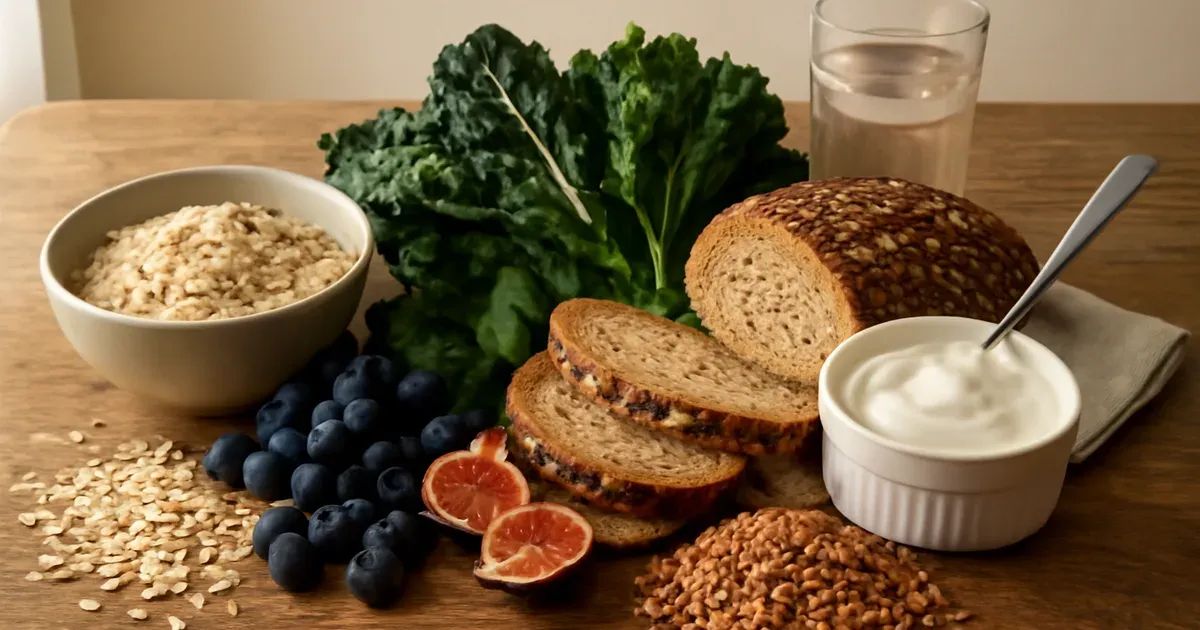
Your gut does far more than digest food. It houses trillions of microorganisms — your gut microbiome — that influence everything from immune function and mood to energy levels and long-term disease risk. When your digestive system is out of balance, symptoms like constipation, heartburn, bloating, and irritable bowel syndrome (IBS) can follow.
The good news? A well-planned gut health diet can ease these symptoms, feed beneficial gut bacteria, and strengthen the gut-brain connection that researchers are only beginning to understand. This guide walks through the key dietary changes that support both comfortable digestion and a thriving microbiome.
Why Fibre Is the Foundation of a Gut Health Diet
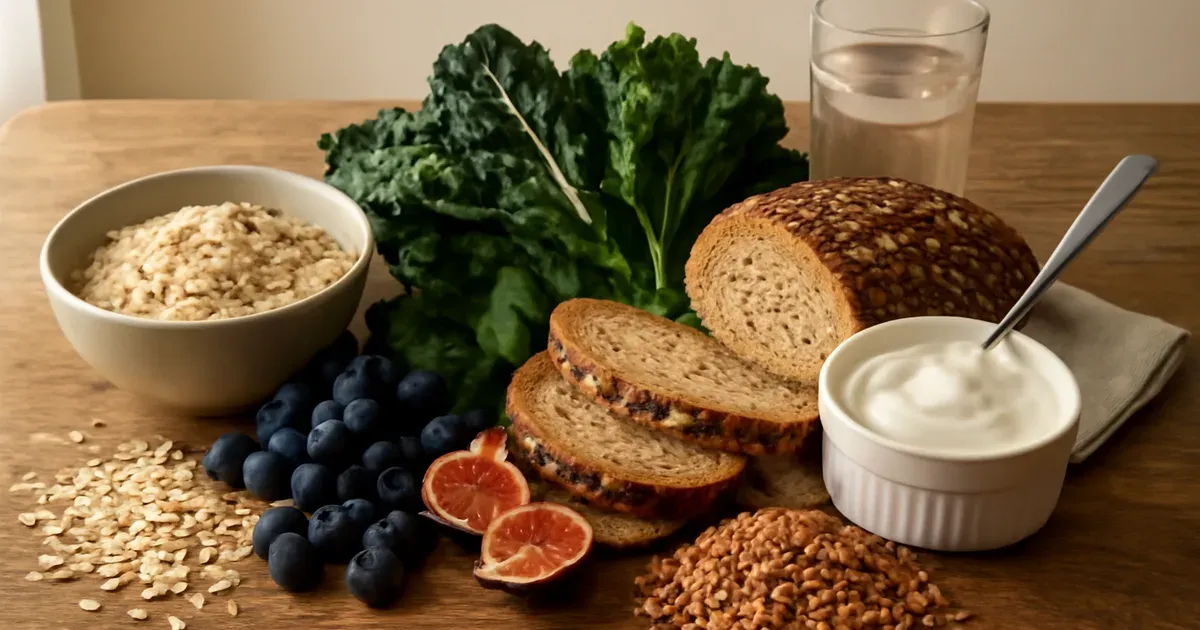
Most people in the UK fall well short of the recommended 30g of fibre per day — and the consequences show up directly in gut function. Fibre adds bulk to stool, speeds transit through the colon, and prevents constipation. But its role in microbiome health is equally important.
Certain fibres — known as prebiotics — are fermented by gut bacteria, producing short-chain fatty acids (SCFAs) like butyrate. SCFAs nourish the cells lining your colon, reduce gut inflammation, and may even signal the brain via the gut-brain axis to regulate appetite and mood.
Good fibre sources to prioritise include:
- Wholemeal bread and brown rice
- Fruits and vegetables (especially leafy greens, apples, and bananas)
- Beans, lentils, and legumes
- Oats — a particularly rich source of beta-glucan, a prebiotic fibre
If you find that cereals and grains trigger bloating or IBS symptoms, shift your fibre intake toward fruits and vegetables. The goal is variety — a diverse range of plant fibres feeds a more diverse microbiome, which is strongly associated with better overall health.
Hydration: The Overlooked Pillar of Digestive Health
Fibre cannot do its job without adequate fluid. Think of fibre as a sponge — it absorbs water to soften stool and keep waste moving smoothly through your digestive tract. Without enough fluid, fibre can actually worsen constipation rather than relieve it.
Aim to drink a glass of water with every meal as a simple baseline habit. Plain water, herbal teas, and milk are your best options. Caffeinated drinks — including coffee, standard tea, cola, and many fizzy drinks — can boost stomach acid and trigger heartburn in susceptible individuals.
Fizzy drinks carry a double risk: the caffeine increases acid production, while the carbonation itself causes bloating that places upward pressure on the lower oesophageal sphincter, worsening heartburn. If you rely heavily on coffee or tea, try limiting intake to one or two cups per day and replacing the rest with herbal alternatives.

Fat, Spice, and Common Gut Symptom Triggers
Fatty foods are harder for the digestive system to process. Chips, burgers, and deep-fried foods slow gastric emptying and increase the demand on bile production, often resulting in stomach discomfort and heartburn. Swapping fried foods for grilled or baked options, choosing lean meats and fish, and using skimmed or semi-skimmed milk can meaningfully reduce this burden.
Spicy foods are more nuanced. Many people tolerate chillies and strong spices without any issue, while others experience heartburn, stomach pain, or diarrhoea. It is not only intensely hot foods that cause problems — milder but pungent ingredients like garlic and onion are frequent culprits, particularly for people with IBS.
Acidic foods are another common trigger worth tracking. Tomatoes, citrus fruits, salad dressings, and carbonated drinks can irritate the oesophagus and stomach lining. Wheat and onions are known IBS triggers for some individuals, while lactose — the natural sugar in dairy — causes wind, bloating, and diarrhoea in those who lack sufficient lactase enzyme. Keeping a food diary is one of the most practical tools for identifying your personal trigger pattern.
The Gut-Brain Axis: How Your Diet Affects Your Mood
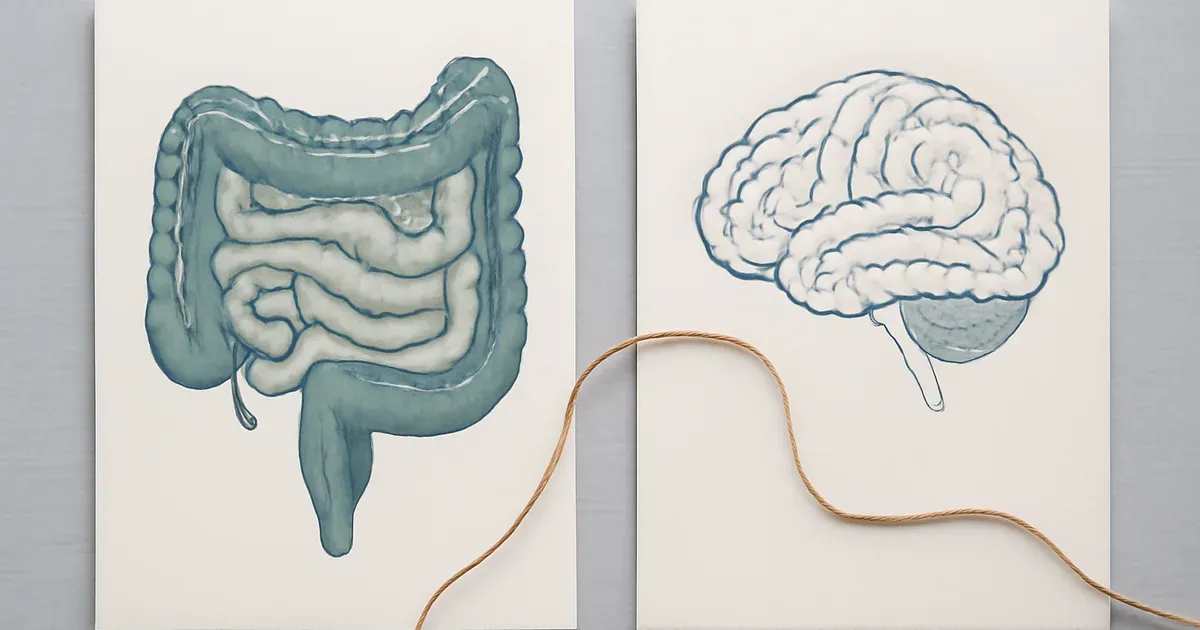
The gut and brain are in constant two-way communication via the vagus nerve, the enteric nervous system, and chemical messengers produced by gut bacteria. This network — the gut-brain axis — means that what you eat does not just affect digestion; it affects cognition, stress response, and emotional wellbeing.
Around 90% of the body's serotonin — the neurotransmitter most associated with mood stability — is produced in the gut, not the brain. Gut bacteria play a direct role in this production. A gut health diet that supports microbial diversity therefore has measurable implications for mental health, not just digestive comfort.
Chronic inflammation, often driven by a poor diet, is one mechanism linking gut dysbiosis (an imbalanced microbiome) to conditions including anxiety and depression. Diets high in processed foods, refined sugars, and saturated fat are associated with reduced microbial diversity and higher inflammatory markers. Diets rich in fibre, fermented foods, and polyphenols (found in berries, dark chocolate, olive oil, and green tea) trend in the opposite direction.
Probiotics and Fermented Foods: Feeding Your Microbiome
Probiotics are live microorganisms that, when consumed in adequate amounts, confer a health benefit. Often called "friendly bacteria," they are naturally present in the gut and available through both food and supplements. The evidence base is strongest for their use in IBS, antibiotic-associated diarrhoea, and certain inflammatory gut conditions.
For everyday gut microbiome support, fermented foods are a practical and enjoyable route. Live yoghurt is the most accessible source in the UK, but kefir (fermented milk), sauerkraut, kimchi, miso, and kombucha also deliver diverse strains of beneficial bacteria. Each fermented food carries a different microbial profile, so variety matters here too.
If you are considering probiotic supplements, look for products with clearly labelled strains and colony-forming unit (CFU) counts. Take them daily for at least four weeks before assessing whether they are working — short trials are not enough to see measurable changes in gut flora. Always consult a doctor before starting supplements if you have an existing health condition or a compromised immune system.
Building a Long-Term Gut-Friendly Eating Pattern
There is no single "gut health superfood" — the science consistently points to dietary patterns rather than individual ingredients. The Mediterranean diet, for example, is one of the most extensively studied eating patterns for microbiome diversity and gut-brain health, combining high fibre, healthy fats, fermented dairy, and abundant polyphenol-rich plant foods.
Practical steps for building a gut-supportive routine include:
- Eat 30 or more different plant foods per week — each variety feeds different bacterial strains
- Include a fermented food daily — live yoghurt, kefir, or a small serving of sauerkraut
- Stay consistently hydrated — at least 6–8 glasses of water or herbal tea daily
- Reduce ultra-processed foods — these are low in fibre and often contain emulsifiers that disrupt the gut lining
- Manage stress — via the gut-brain axis, chronic psychological stress directly alters gut motility and microbial composition
Sleep is also an underappreciated factor. Disrupted sleep patterns change the composition of gut bacteria within days. Prioritising 7–9 hours of consistent sleep supports both gut and brain health simultaneously.

The Bottom Line
A well-considered gut health diet addresses both the mechanics of digestion and the ecology of your microbiome. Eating enough fibre, staying hydrated, limiting fatty and acidic trigger foods, and incorporating fermented and probiotic-rich foods are the core practical actions — all supported by strong evidence.
Beyond comfort, these dietary choices shape the gut-brain axis in ways that affect mood, cognition, and long-term resilience. The gut is not just a digestive organ; it is a central hub of the body's communication network. Feeding it well is one of the highest-return investments you can make in your overall health.
Keep a food diary if you struggle to identify your personal triggers, introduce changes gradually to allow your gut microbiome to adapt, and seek medical advice if symptoms persist or worsen.
Frequently Asked Questions
What is the best diet for gut health?
A diet high in diverse plant fibres, fermented foods, and low in ultra-processed ingredients is most consistently linked to a healthy gut microbiome. The Mediterranean diet is among the best-researched patterns for digestive and gut-brain health.
How does diet affect the gut-brain axis?
Gut bacteria produce neurotransmitters and short-chain fatty acids that communicate directly with the brain via the vagus nerve and bloodstream. A fibre-rich, varied diet supports microbial diversity, which in turn supports more stable mood and cognitive function.
Can probiotics help with IBS?
There is reasonable evidence that certain probiotic strains help reduce IBS symptoms including bloating, irregular bowel habits, and abdominal discomfort. Results vary by strain and individual — take a specific product consistently for at least four weeks to assess its effect.
Which foods most commonly trigger digestive symptoms?
Common triggers include fatty and fried foods, caffeine, carbonated drinks, spicy foods, acidic foods (citrus, tomatoes), onions, wheat, and dairy in those with lactose intolerance. Keeping a food diary is the most reliable way to identify your own triggers.
How quickly can diet changes improve gut health?
Some changes — like reduced bloating after cutting fizzy drinks — can be felt within days. Meaningful shifts in microbiome composition generally take two to four weeks of consistent dietary change, though some studies show detectable differences in gut bacteria within 72 hours of a significant diet shift.