Gut-Friendly Diet: Foods That Support Gut Health
Discover how a gut health diet combining fibre, hydration, probiotics, and microbiome-friendly foods can ease IBS, constipation, and support the gut-brain axis.

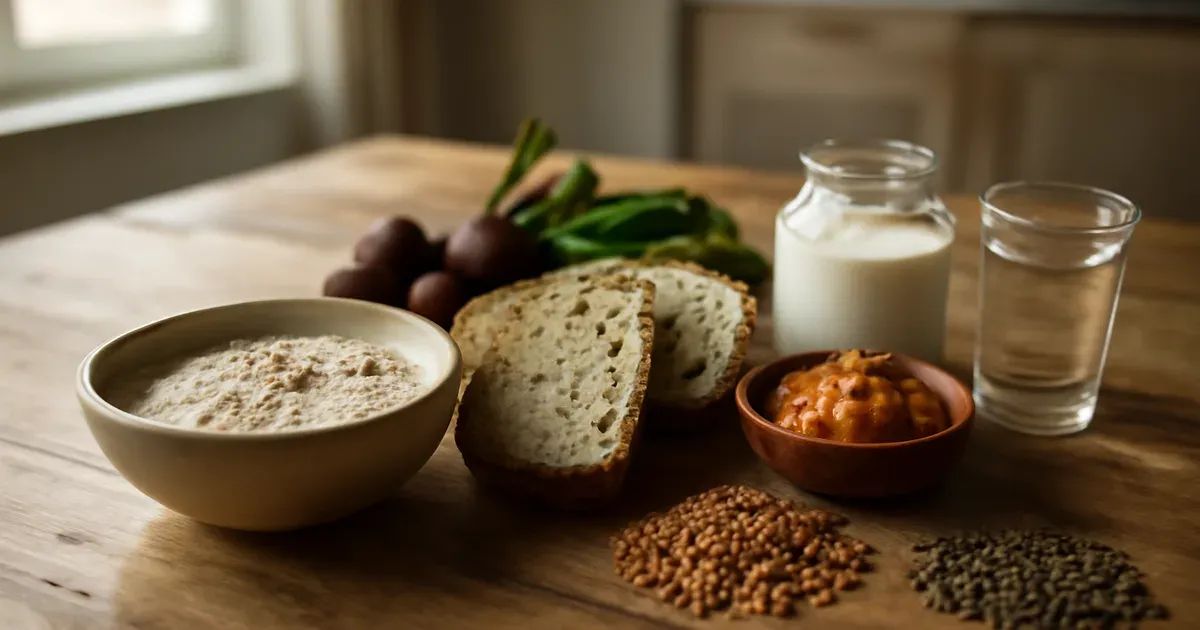
Your digestive system is doing far more than breaking down food. The gut is now recognised as a cornerstone of overall health — influencing immunity, mood, and even brain function through the gut-brain axis. Yet problems like constipation, heartburn, and irritable bowel syndrome (IBS) affect millions of people, and the foods you eat are one of the most powerful levers you can pull. A well-planned gut health diet can ease symptoms, feed the beneficial microbes in your microbiome, and keep your whole system running smoothly.
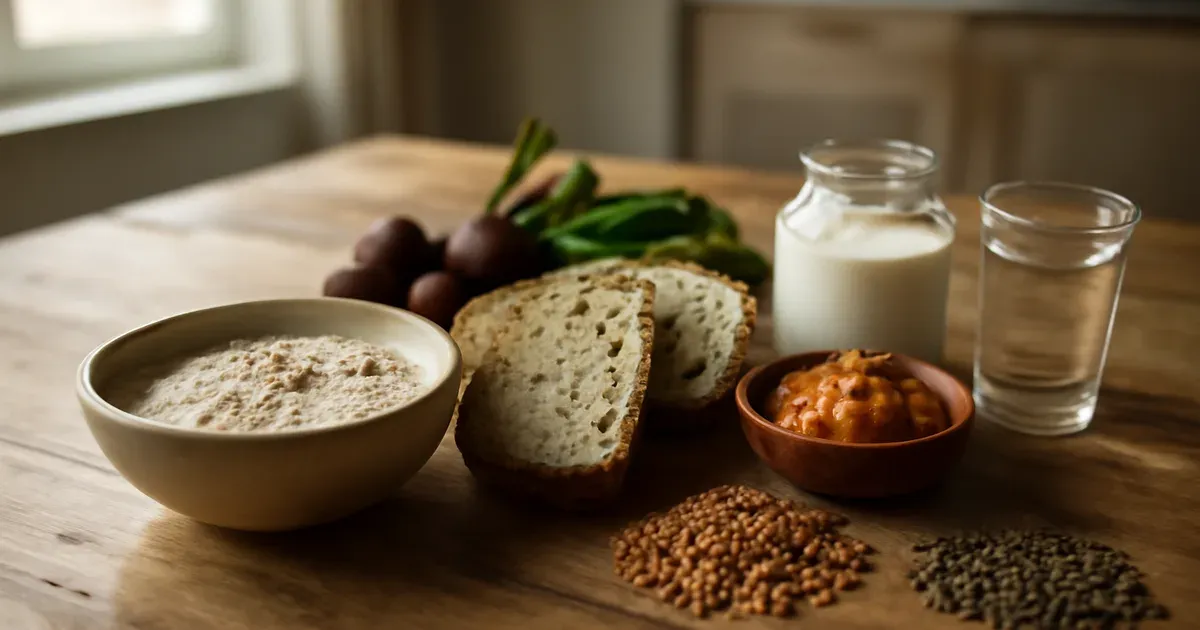
Why Your Gut Microbiome Is the Starting Point
The human gut hosts trillions of microorganisms — bacteria, fungi, and viruses — collectively known as the gut microbiome. Research over the past decade has shown this community of microbes plays a central role in digestion, nutrient absorption, immune regulation, and the production of neurotransmitters like serotonin. In fact, roughly 90% of the body's serotonin is manufactured in the gut, forming a direct chemical link between gut health and mental wellbeing — what scientists call the gut-brain axis.
An imbalanced microbiome, sometimes called dysbiosis, is increasingly linked to conditions ranging from IBS and inflammatory bowel disease to anxiety and depression. The good news is that dietary changes can shift the composition of your gut bacteria within days. Choosing the right foods is therefore not just about avoiding discomfort — it is about actively cultivating a healthier internal ecosystem.
Diversity is the watchword. Studies consistently show that people with a greater variety of plant foods in their diet have a more diverse microbiome, which is associated with better health outcomes. Aiming for 30 or more different plant-based foods per week is a target that leading gut health researchers now recommend.
Fill Up on Fibre to Prevent Constipation and Feed Good Bacteria
Fibre is the single most important dietary factor for a healthy gut health diet. Most adults in the UK fall short of the recommended 30g per day, yet adequate fibre intake is essential for regular bowel movements, preventing constipation, and — critically — feeding the beneficial bacteria in your microbiome. When gut bacteria ferment certain types of fibre, they produce short-chain fatty acids (SCFAs) such as butyrate, which nourish the cells lining your colon and help regulate inflammation.
Good fibre sources to prioritise include:
- Wholemeal bread and brown rice
- Oats (a source of beta-glucan, a prebiotic fibre)
- Beans, lentils, and pulses
- A wide variety of fruit and vegetables
- Seeds such as flaxseed and chia
Some people find that wheat-based cereals and certain grains trigger bloating or IBS symptoms. If that applies to you, shift your fibre intake towards fruit, vegetables, and legumes rather than cutting fibre altogether. Increasing fibre gradually — rather than all at once — also helps the gut adapt without producing excess gas.
Stay Hydrated: Why Water Matters for Digestion
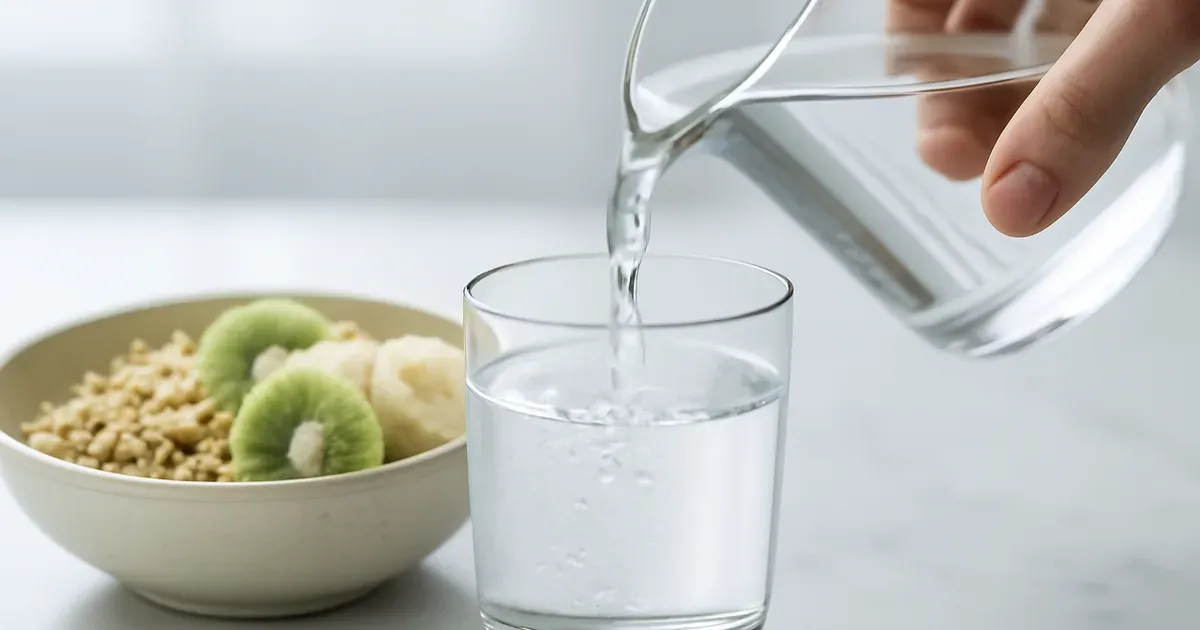
Fibre cannot do its job without adequate fluid. Think of fibre as a sponge: it absorbs water to add bulk and softness to stool, making it easier to pass. Without enough fluid, fibre can actually worsen constipation rather than relieve it. Aiming for around 6–8 glasses of water per day — and drinking a glass with every meal — is a practical starting point.
The type of drink matters too. Caffeinated drinks such as coffee, colas, and some teas boost stomach acid, which can trigger heartburn in susceptible people. Fizzy drinks introduce gas into the digestive tract, contributing to bloating and potentially worsening reflux symptoms. Swapping even one or two of these daily drinks for herbal teas, diluted fruit juice, or plain water can make a measurable difference.
From a microbiome perspective, staying well-hydrated supports the mucosal lining of the gut — a critical barrier that healthy gut bacteria help maintain. Dehydration can compromise this lining, reducing its ability to protect against pathogens and support beneficial microbial communities.
Cut Fat, Manage Spice, and Identify Your Personal Triggers
Fatty, fried foods place the greatest burden on your digestive system. Foods such as chips, burgers, and deep-fried snacks slow gastric emptying and are harder to process, increasing the likelihood of stomach pain and heartburn. Switching to lean meats, oily fish (which also provides omega-3s that support gut lining integrity), grilled rather than fried preparations, and skimmed or semi-skimmed milk can significantly reduce digestive strain.
Spicy foods are a more individual matter. Many people tolerate chillies, garlic, and onion without any issue. For others, these foods — even mild aromatics like onion — are well-known triggers for heartburn and IBS flare-ups. Garlic and onions are high in fructans, a type of fermentable carbohydrate (part of the FODMAP family) that can draw water into the intestine and cause cramping and bloating in people with IBS.
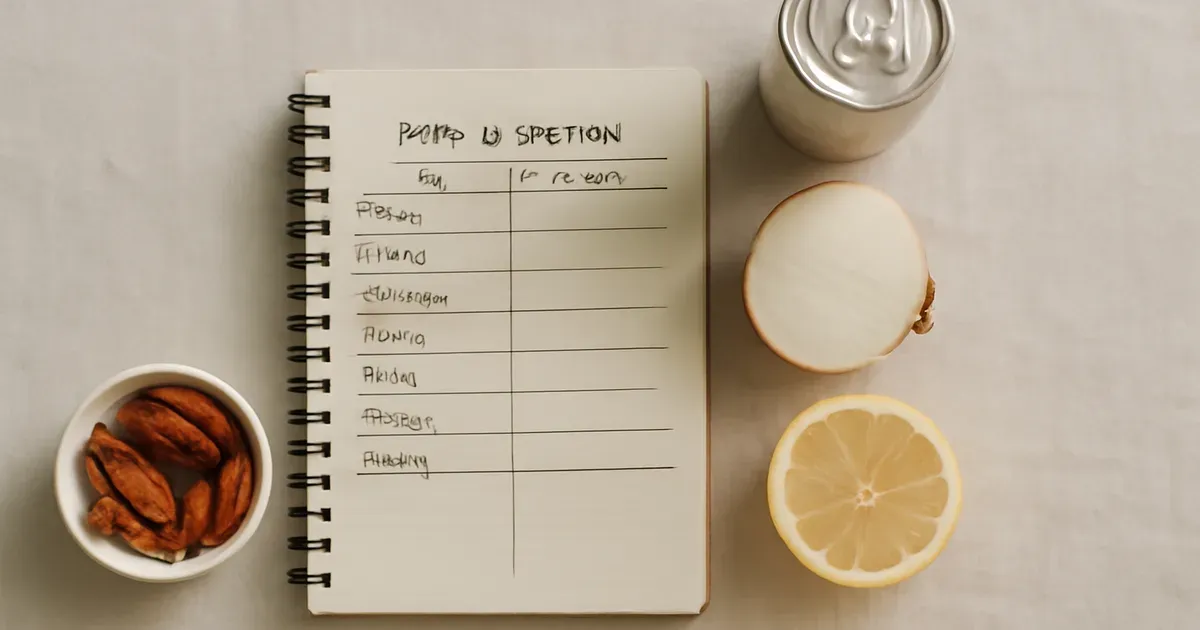
Keeping a food and symptom diary is the most reliable way to identify your personal triggers. Common culprits include acidic foods (tomatoes, citrus, fizzy drinks), wheat, onions, dairy products in those with lactose intolerance, and high-fat meals. Once identified, eliminating or reducing these foods — under guidance if needed — often brings significant symptom relief without compromising overall nutrition.
Probiotics, Fermented Foods, and the Gut-Brain Connection
Probiotics are live microorganisms that, when consumed in adequate amounts, confer a health benefit on the host. They are found naturally in fermented foods such as live yoghurt, kefir, sauerkraut, kimchi, miso, and kombucha. They are also available as concentrated supplements from health food shops. The evidence base for probiotics is growing: specific strains have demonstrated benefits for IBS symptom reduction, antibiotic-associated diarrhoea, and restoring microbial balance after illness.
The gut-brain axis adds another dimension to why probiotics matter. Emerging research suggests that certain probiotic strains — sometimes called psychobiotics — may influence mood and cognitive function by modulating the microbiome's production of neurotransmitters and reducing gut-derived inflammation that can affect the brain. While this field is still maturing, the signals are compelling enough that gut health and mental wellbeing are increasingly discussed together in clinical research.
If you want to try probiotics, consistency is key. Take them daily for at least four weeks to assess whether they are working for you. Live yoghurt is an accessible, food-based starting point. If you have an existing health condition or a compromised immune system, speak to your GP before starting any probiotic supplement.
Prebiotic Foods: The Fuel That Feeds Your Microbiome
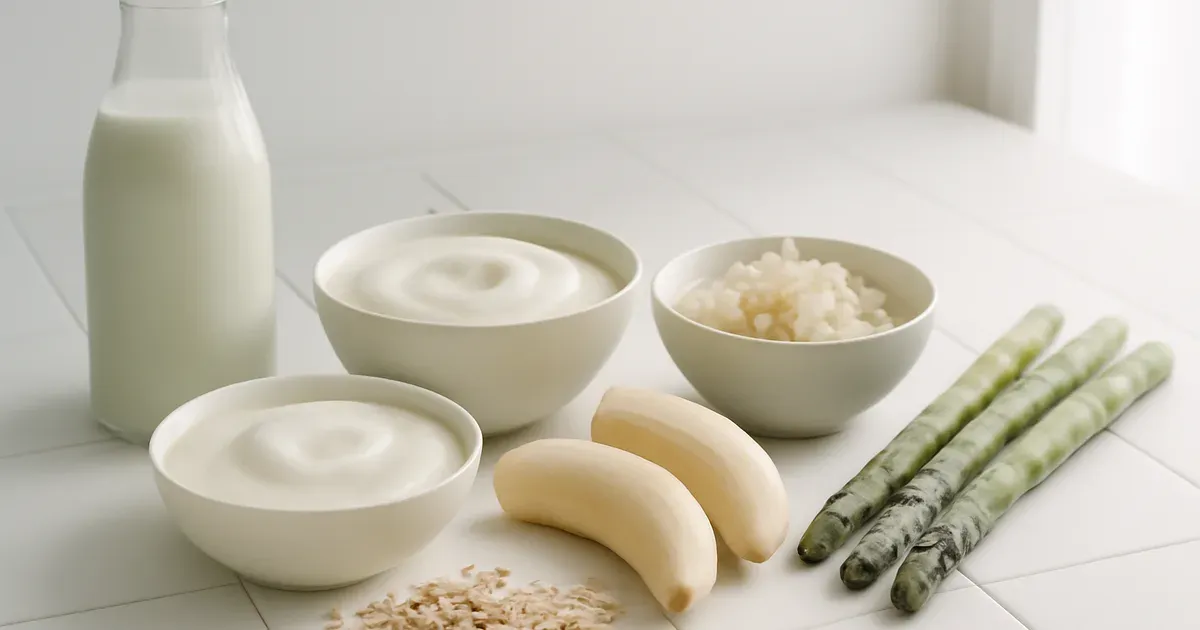
While probiotics introduce beneficial bacteria, prebiotics feed the ones already living in your gut. Prebiotics are non-digestible fibres and compounds that selectively stimulate the growth of beneficial bacteria. Key prebiotic foods include garlic, onions, leeks, asparagus, bananas (especially slightly underripe ones), oats, and Jerusalem artichokes.
The interplay between prebiotics and probiotics — sometimes described as a synbiotic relationship — is where much of the exciting current research sits. A gut health diet that combines both is likely to be more effective than focusing on either alone. Adding a serving of prebiotic-rich vegetables daily alongside a source of live cultures (yoghurt, kefir, or fermented vegetables) is a practical, evidence-aligned approach.
It is worth noting that people with IBS may need to be cautious with high-FODMAP prebiotic foods like garlic and onions, as noted above. Working with a registered dietitian to follow a structured low-FODMAP reintroduction protocol can help identify which prebiotic foods you personally tolerate.
Building a Gut Health Diet: Your Practical Daily Framework
Translating all of this into daily habits does not need to be complicated. The following framework covers the core principles of a gut-friendly eating pattern:
- Eat 30+ plant varieties per week — rotate your vegetables, fruits, grains, nuts, and seeds to maximise microbiome diversity.
- Hit 30g of fibre daily — use a mix of wholegrains, legumes, and produce; increase intake gradually.
- Drink water with every meal — aim for 6–8 glasses of fluid daily, prioritising non-caffeinated, non-fizzy options.
- Include a fermented food daily — live yoghurt, kefir, or a tablespoon of sauerkraut all count.
- Limit fried, fatty, and highly processed foods — these disrupt the microbiome and slow digestion.
- Identify and manage your personal triggers — keep a food diary and consider a supervised elimination protocol if symptoms persist.
- Be consistent with probiotics if you use them — four weeks minimum before evaluating their effect.
Remember that the gut microbiome is dynamic — it responds to what you eat within 24 to 48 hours. Small, consistent changes compound over time into a measurably healthier gut environment.
The Bottom Line
A gut health diet is not a single prescription — it is a set of principles tailored to your own body. Prioritising fibre diversity, staying hydrated, moderating fat and spice, avoiding your personal triggers, and including probiotic and prebiotic foods gives you a strong evidence-based foundation. Layer in the emerging science of the gut-brain axis and the microbiome, and it becomes clear that eating for your gut is one of the highest-leverage investments you can make in your overall health — physical and mental alike.
Frequently Asked Questions
What are the best foods to eat for a healthy gut health diet?
The most gut-supportive foods are those rich in fibre and live cultures. Prioritise wholemeal grains, oats, beans, lentils, a wide variety of fruits and vegetables, and fermented foods such as live yoghurt and kefir. Lean proteins and oily fish also support gut lining integrity without overloading digestion.
How does the gut microbiome affect mental health?
The gut and brain communicate constantly via the gut-brain axis — a bidirectional network involving the vagus nerve, immune signalling, and neurotransmitter production. The gut produces around 90% of the body's serotonin. An imbalanced microbiome has been linked to higher rates of anxiety and depression, while a diverse, well-nourished microbiome is associated with more stable mood and cognitive function.
Can probiotics help with IBS?
There is good evidence that certain probiotic strains can reduce IBS symptoms, including bloating, irregular bowel habits, and abdominal pain. Results vary by strain and individual, so consistency over at least four weeks is recommended. Live yoghurt is a safe starting point; speak to a GP or dietitian before using concentrated supplements if you have an underlying health condition.
How quickly can diet change the gut microbiome?
Research shows that dietary changes can alter the composition of the gut microbiome within 24 to 48 hours. However, meaningful, lasting changes in microbial diversity and abundance typically require weeks to months of consistent dietary habits. This is why long-term patterns matter far more than short-term cleanses or quick fixes.
Which drinks are worst for digestive health?
Caffeinated drinks and fizzy drinks are the most problematic for many people. Caffeine increases stomach acid production, raising heartburn risk. Carbonated drinks introduce gas into the digestive tract, contributing to bloating and reflux. Alcohol can disrupt the gut lining and alter microbiome balance. Herbal teas, water, and diluted juices are the most gut-friendly alternatives.