Gut Health & Menopause: Your Biggest Questions Answered
Discover how gut health and menopause are connected via the gut-hormone axis, estrobolome, and gut-brain axis — plus practical solutions.


If your digestion has felt "off" since your mid-to-late 40s — more bloating, unexpected food sensitivities, or symptoms you can't explain — you are not imagining things. The connection between gut health and menopause is real, researched, and more complex than most doctors discuss. This article answers the questions women are actually searching, translating cutting-edge microbiome science into plain language so you can take action.
Quick Navigation
What is the gut-hormone axis and why does it matter in menopause?
How do declining estrogen and progesterone change the gut microbiome?
Does menopause cause leaky gut?
What is the estrobolome and how does it affect hormone balance?
Why does histamine sensitivity get worse during perimenopause?
What is hydrogen sulfide overgrowth and is it linked to perimenopause?
How does gut health affect the gut-brain axis during menopause?
What can women do to support gut health during perimenopause and menopause?
What is the gut-hormone axis and why does it matter in menopause?
The gut-hormone axis is the bidirectional communication system between your gut microbiome and your endocrine (hormone) system. Each influences the other in a continuous feedback loop — meaning what happens in your gut affects your hormones, and what happens to your hormones reshapes your gut.
This relationship becomes especially significant during perimenopause and menopause. As estrogen and progesterone fluctuate and then decline, the microbial community in your gut is directly disrupted. Many women begin noticing new or worsening digestive complaints — bloating, indigestion, gas, and irregular bowel habits — precisely during this hormonal transition, and the gut-hormone axis explains why.
Emerging research confirms this is not coincidence. The gut microbiome plays an active role in hormonal homeostasis, processing and recycling estrogen metabolites, moderating inflammation, and regulating immune activity. When that system is disrupted, symptoms compound across multiple body systems simultaneously.
How do declining estrogen and progesterone change the gut microbiome?
As estrogen and progesterone decline during perimenopause, the gut microbiome undergoes significant restructuring — losing diversity and shifting toward a composition more similar to a male gut. Research shows that microbiome diversity in women plateaus around age 40 and then begins a measurable decline that tracks closely with hormone levels.
A 2022 review in PMC confirmed that the gut microbiome displays sexual dimorphism — distinct male and female patterns — throughout life, but that menopause effectively erases many of these differences. This is a fundamental change, not a minor fluctuation.
Specifically, the hormonal shift drives:
- Loss of keystone bacteria: Beneficial estrogen-dependent species like certain Lactobacillus and Bifidobacterium can decline by 30–50%
- Opportunistic overgrowth: With less competition, potentially problematic bacteria flourish
- Reduced metabolic function: Bacteria that process nutrients and produce beneficial short-chain fatty acids diminish
- Oral and urogenital microbiome changes: These connected microbial communities are also affected, contributing to gum disease, UTIs, and vaginal dryness
The result is a state of dysbiosis — a measurable imbalance in gut bacteria — that ripples outward into immunity, metabolism, and mood.
Does menopause cause leaky gut?
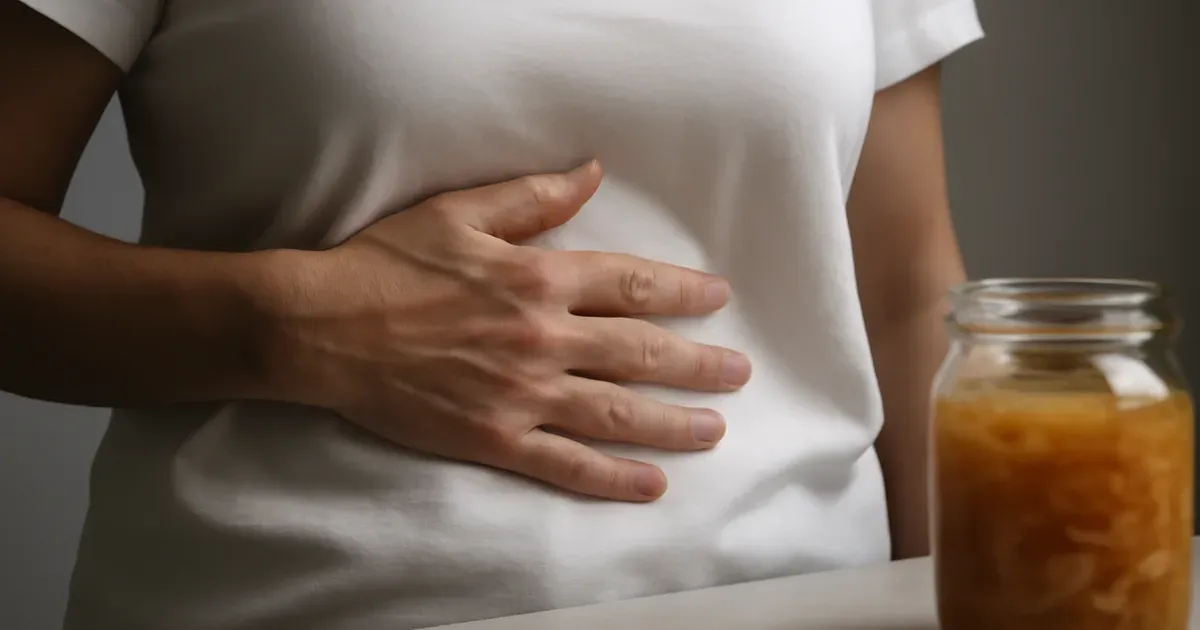
Yes — declining estrogen directly increases intestinal permeability, commonly called "leaky gut." Estrogen receptors are embedded in the intestinal lining and help regulate tight junction proteins, which are the molecular gatekeepers that keep the gut barrier intact. When estrogen falls, those tight junctions loosen.
A more permeable gut barrier allows bacterial fragments, undigested food particles, and toxins to pass into the bloodstream, triggering systemic inflammation. This inflammatory cascade compounds many classic perimenopausal symptoms — joint pain, fatigue, brain fog, and autoimmune flares — making them harder to distinguish from "normal" hormonal changes.
This is one of the most underappreciated mechanisms in women's health. Addressing gut barrier integrity — through diet, targeted supplementation, and in many cases hormone replacement therapy (HRT) — is a legitimate and evidence-informed strategy for reducing symptom burden during the menopausal transition.
| Factor | Effect on Gut Barrier |
|---|---|
| Adequate estrogen | Supports tight junction proteins, reduces permeability |
| Declining estrogen | Loosens tight junctions, increases permeability |
| Dysbiosis | Amplifies inflammation, further weakens barrier |
| HRT (estrogen) | May help restore gut barrier integrity |
What is the estrobolome and how does it affect hormone balance?
The estrobolome is the collection of gut bacteria responsible for metabolising and recycling estrogen in the body. It is a critical but little-discussed player in hormonal homeostasis — especially relevant during perimenopause when hormone levels are already unstable.
Estrogen metabolism happens in three phases. The liver first converts active estrogens into metabolites. The gut then conjugates those metabolites for excretion. The estrobolome, however, produces an enzyme called beta-glucuronidase, which can deconjugate estrogen — effectively reactivating it and returning it to circulation.
When the estrobolome is healthy and diverse, this process is tightly regulated. When dysbiosis disrupts it, beta-glucuronidase activity can spike or crash, leading to estrogen excess or deficiency independent of what the ovaries are producing. This "hidden" hormonal disruption can worsen perimenopausal symptoms and may contribute to estrogen-dominant conditions.
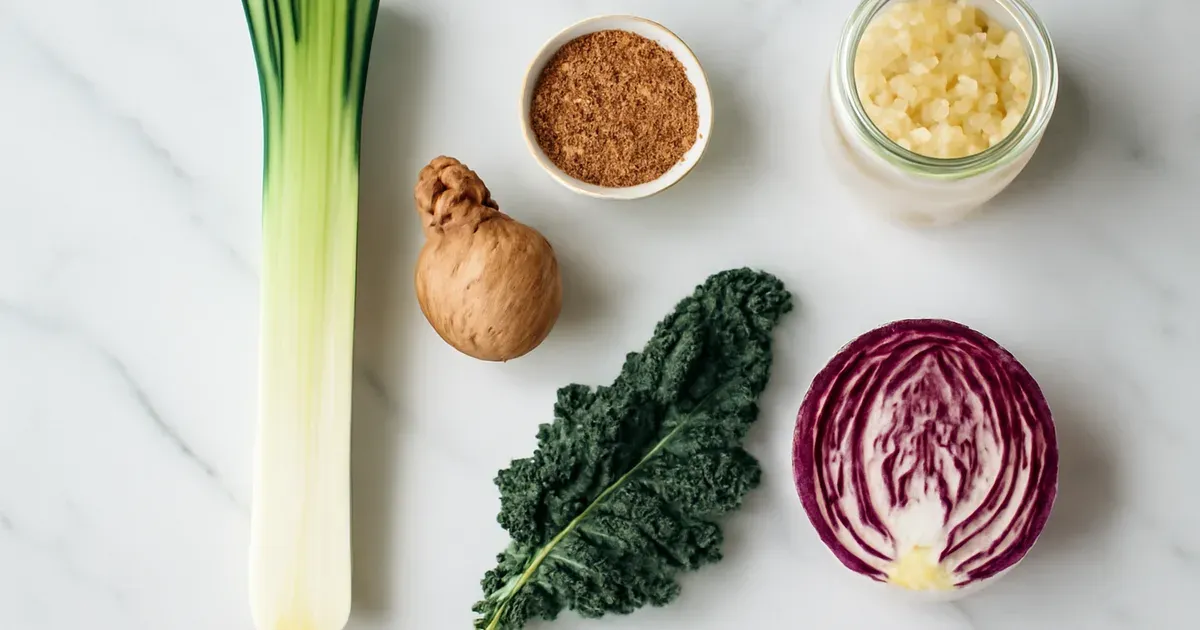
Supporting the estrobolome through a fibre-rich diet, fermented foods, and probiotic support is a direct way to influence hormonal balance from the gut up.
Why does histamine sensitivity get worse during perimenopause?
Histamine sensitivity worsens during perimenopause because fluctuating estrogen and declining progesterone destabilise mast cells — the immune cells that store and release histamine. When mast cells become dysregulated, they release histamine more readily and in greater amounts.
Because mast cells line the gut alongside the majority of the immune system, this dysregulation triggers both digestive and whole-body symptoms:
- Bloating, abdominal cramping, and diarrhoea
- Headaches and brain fog
- Skin reactions, hives, and flushing
- Worsening anxiety, insomnia, and heart palpitations (histamine is an excitatory neurotransmitter)
This is also why alcohol tolerance often drops in perimenopause — alcohol is high in histamines and inhibits the enzyme (DAO) that breaks histamine down. Women who were previously fine with a glass of wine may find it now triggers migraines, flushing, or sleep disruption.
Managing histamine load through a low-histamine diet, reducing gut dysbiosis, and supporting DAO enzyme activity can meaningfully reduce symptom burden for women in this stage of life.
What is hydrogen sulfide overgrowth and is it linked to perimenopause?
Hydrogen sulfide overgrowth is a form of gut dysbiosis in which certain bacteria produce excessive amounts of the gas hydrogen sulfide, damaging the intestinal lining and driving inflammation. It is increasingly recognised as a contributing factor to IBS-like symptoms that emerge in midlife women.
Perimenopause creates the conditions for this overgrowth by reducing the protective diversity of the microbiome and loosening the gut barrier. Symptoms include:
- Gas that smells like rotten eggs
- Worsening bloating, diarrhoea, or unpredictable bowel habits
- Increased sensitivity to sulphur-rich foods (garlic, onions, cruciferous vegetables)
- Elevated systemic inflammation contributing to fatigue, joint pain, and autoimmune flares
- Greater risk for insulin resistance and metabolic dysfunction
The overlap between hydrogen sulfide overgrowth symptoms and standard perimenopausal complaints is significant — which is why many cases go unidentified. A comprehensive stool test or organic acids test through a functional medicine provider can help identify this pattern.

How does gut health affect the gut-brain axis during menopause?
The gut-brain axis is the two-way communication network between the gastrointestinal tract and the central nervous system, and gut dysbiosis during menopause can meaningfully disrupt it. The gut produces approximately 90% of the body's serotonin, as well as significant amounts of GABA and dopamine precursors — all neurotransmitters central to mood stability and sleep.
When menopause-related microbiome changes reduce the populations of bacteria responsible for neurotransmitter production, the downstream effects include increased anxiety, low mood, brain fog, and disrupted sleep. These symptoms are frequently attributed solely to hormone fluctuations, but the gut-brain connection means the microbiome is a co-driver.
The gut-brain axis also mediates the stress response via the HPA (hypothalamic-pituitary-adrenal) axis. A disrupted microbiome amplifies cortisol reactivity, which in turn further suppresses sex hormone production — creating a feedback loop that deepens both gut and hormonal symptoms. Prioritising gut health is therefore a legitimate strategy for supporting mental and emotional wellbeing during the menopausal transition, not just digestive health.
What can women do to support gut health during perimenopause and menopause?
Supporting gut health during perimenopause requires a multi-pronged strategy that addresses both the microbiome directly and the hormonal environment that sustains it. There is no single supplement that resolves the full picture.
Evidence-informed strategies include:
- Increase dietary fibre: Aim for 30+ different plant foods per week to feed microbiome diversity. Fibre is the primary food source for beneficial gut bacteria.
- Add fermented foods: Yogurt, kefir, kimchi, sauerkraut, and miso directly introduce live beneficial bacteria and have been shown to increase microbiome diversity.
- Reduce ultra-processed foods and alcohol: Both drive dysbiosis, increase intestinal permeability, and elevate histamine load.
- Consider targeted probiotics: Lactobacillus and Bifidobacterium strains are the first to decline with hormonal changes and are among the most studied for supporting the estrobolome.
- Address gut barrier integrity: Nutrients like L-glutamine, zinc carnosine, and omega-3 fatty acids support tight junction repair.
- Explore HRT with a knowledgeable provider: Estrogen directly supports gut barrier integrity; for many women, HRT is a gut-healing strategy as much as a hormonal one.
- Test, don't guess: Comprehensive stool testing can identify specific dysbiosis patterns — including hydrogen sulfide overgrowth and estrobolome dysfunction — allowing targeted rather than generic treatment.
Bottom Line
- Gut health and menopause are inseparably linked through the gut-hormone axis — each system shapes the other.
- Declining estrogen reduces microbiome diversity, weakens the gut barrier, and disrupts the estrobolome, compounding hormonal symptoms.
- The gut-brain axis means gut dysbiosis during menopause contributes directly to anxiety, mood changes, and brain fog — not just digestive complaints.
- Histamine sensitivity and hydrogen sulfide overgrowth are two underrecognised but common consequences of menopause-related microbiome disruption.
- Practical steps — dietary fibre, fermented foods, targeted probiotics, and potentially HRT — can meaningfully restore the gut-hormone axis and reduce symptom burden.