Gut Microbiome Predicts IBS-D Treatment Response
A new study finds gut microbiome profiles predict IBS-D treatment response, with low FODMAP diet and rifaximin showing similar symptom relief.

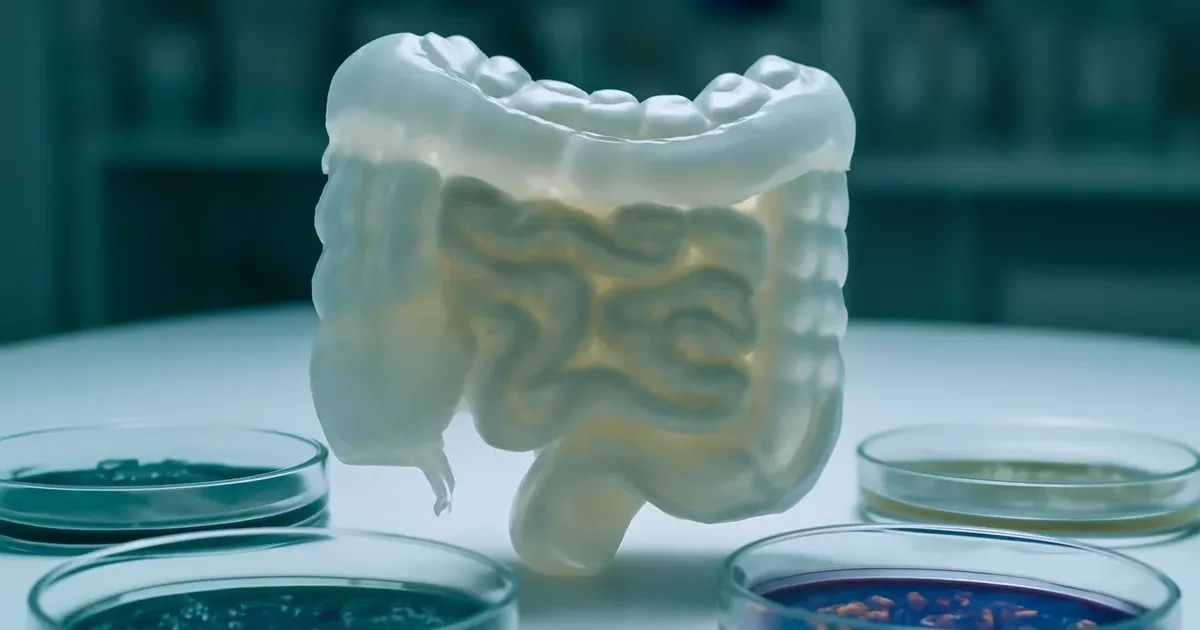
A new study published in Clinical Gastroenterology and Hepatology found that gut microbiome characteristics can predict how well patients with irritable bowel syndrome with diarrhea (IBS-D) respond to treatment, according to News-Medical.Net. The research, reported on April 22, 2026, revealed that both the low FODMAP diet and the antibiotic rifaximin provided similar and significant symptom relief for IBS-D patients.
Why This Matters
IBS-D affects millions of people worldwide, and finding effective, targeted treatments has long been a challenge for clinicians. The gut microbiome — the vast community of trillions of bacteria, fungi, and other microorganisms living in the digestive tract — is increasingly recognised as central to gut-brain health and gastrointestinal function. Research in recent years has underscored how disruptions to microbiome balance can drive symptoms in conditions like IBS. The ability to use microbiome data to guide treatment decisions represents a meaningful shift toward personalised gut health care, per News-Medical.Net.
Microbiome Profiles Reveal Comparable Treatment Outcomes
The study found that both the low FODMAP diet and rifaximin delivered similar, significant relief for IBS-D patients, according to researchers. Crucially, gut microbiome characteristics identified before treatment appeared to predict which patients were likely to respond to either intervention. This suggests that profiling a patient's gut microbiome could help clinicians select the most appropriate therapy. The findings add to a growing body of evidence linking the composition and activity of the gut microbiome to treatment outcomes in gastrointestinal disorders, the study indicated.
What This Means for IBS Patients and Clinicians
For patients living with IBS-D, these findings raise the prospect of microbiome-guided treatment selection — potentially reducing the trial-and-error approach that many currently experience. Clinicians may, in time, be able to use a patient's gut microbiome profile to choose between dietary intervention and antibiotic therapy with greater confidence. The research reinforces the broader clinical relevance of gut health monitoring and microbiome assessment in managing functional gastrointestinal conditions.
The study underscores a growing scientific consensus: the gut microbiome is not merely a passive bystander in digestive health but an active factor shaping how patients respond to treatment. As microbiome science advances, research of this kind moves personalised gut-brain medicine closer to everyday clinical practice, according to findings reported by News-Medical.Net.