Gut Virus Linked to Colon Cancer in New Study
A hidden virus inside a common gut bacterium may explain its link to colorectal cancer, new research finds.

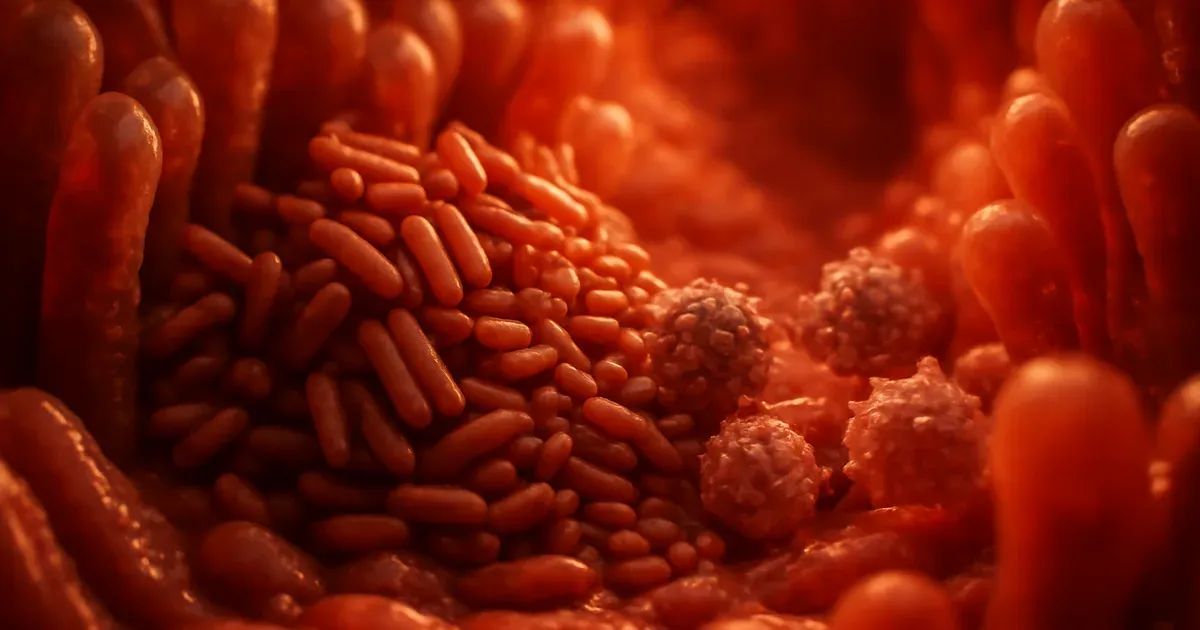
A newly discovered virus hiding inside a common gut bacterium may help explain why that microbe is linked to colorectal cancer, according to new research published in Communications Medicine. Scientists found that the virus — a type known as a prophage — infects Bacteroides fragilis, a bacterium present in both healthy people and colorectal cancer patients. The study suggests the interaction between this hidden virus and the gut microbiome could be a missing piece in understanding colorectal cancer risk.
Why This Matters for Gut Microbiome Research
Colorectal cancer is one of the most common cancers in Western countries and remains a leading cause of cancer-related deaths, per Science Daily. Researchers have long puzzled over a paradox: Bacteroides fragilis is found in most healthy individuals, yet it also appears consistently in colorectal cancer patients. This inconsistency has pointed scientists toward the need to look beyond simple species-level associations and examine variation within the bacterium itself — and, crucially, what else might be living inside it. A healthy, balanced gut microbiome is increasingly understood as central to overall disease risk.
Prophage Infections Distinguish Cancer-Linked Bacteria
A pangenome-wide association study identified distinct prophage infections in B. fragilis isolates taken from colorectal cancer patients compared to those from healthy controls, according to the research. Prophages are viruses that integrate themselves into bacterial DNA and can dramatically alter bacterial behaviour. The study found that these specific viral infections may be what tips an otherwise common gut bacterium toward cancer-promoting activity, per Science Daily. This finding reframes the conversation around gut dysbiosis — the microbial imbalance increasingly linked not just to digestive disease but to systemic health outcomes. A 2026 study in Communications Medicine provided the genomic evidence underpinning this conclusion.
What This Means for Patients and Microbiome Science
For people concerned about gut health and colorectal cancer risk, this research signals that the composition of the gut microbiome matters at a finer level than previously appreciated — it is not just which bacteria are present, but what viruses those bacteria carry. According to researchers, the findings could eventually inform new diagnostic approaches or targeted therapies that account for viral activity within the gut microbiome. Further research is needed before clinical applications emerge.
This study adds meaningful depth to the growing body of science connecting the gut microbiome to cancer. By identifying a hidden virus as a potential driver of B. fragilis-linked colorectal cancer, researchers have opened a new avenue of investigation — one that may ultimately reshape how doctors assess and manage gut health in relation to cancer risk.