How to Balance Protein and Fiber Daily
Learn how to balance protein and fiber daily in 5 steps to support gut health, stable energy, and a thriving microbiome — without sacrificing either nutrient.


You've tried tracking macros. You've downloaded the apps, counted the grams, and loaded your plate with chicken breast and protein shakes — only to feel bloated, sluggish, or just... off. Maybe your digestion has been sluggish. Maybe your energy crashes mid-afternoon no matter how much you eat. You're doing "everything right" with protein, yet something still feels out of balance.
The missing piece is almost certainly fiber — and more specifically, the way protein and fiber work together to support your gut, your blood sugar, and your long-term health. Getting the protein and fiber balance right isn't about choosing one over the other. It's about understanding how they amplify each other — and how that synergy starts deep in your gut microbiome.
This guide gives you a clear, step-by-step plan to hit both targets every day, feel fuller for longer, and finally give your gut what it needs to thrive.
Why the Protein vs. Fiber Struggle Happens in the First Place
Most nutrition advice pushes one nutrient at a time. Social media champions protein for muscle and weight loss. Official guidelines quietly mention fiber. The result? Most people end up over-indexing on protein while dramatically under-eating fiber — and their gut health pays the price.
- Protein dominates the conversation. High-protein diets are heavily marketed, making it easy to fill your plate with meat, eggs, and supplements while leaving little room for plant-based fiber sources.
- Fiber is invisible until it's missing. Unlike protein deficiency, low fiber intake doesn't announce itself immediately. It shows up gradually as constipation, blood sugar swings, rising LDL cholesterol, and a disrupted gut microbiome.
- High protein without fiber slows digestion further. Protein takes longer to digest by design — but without adequate fiber to move things through your intestinal tract, this can cause sluggishness, bloating, and an imbalanced gut environment.
- Most Americans fall short on fiber. The recommended intake is 25–38 grams per day, yet the average adult consumes roughly half that. Meanwhile, most people are meeting their protein goals — which means fiber is the nutrient that actually needs attention.
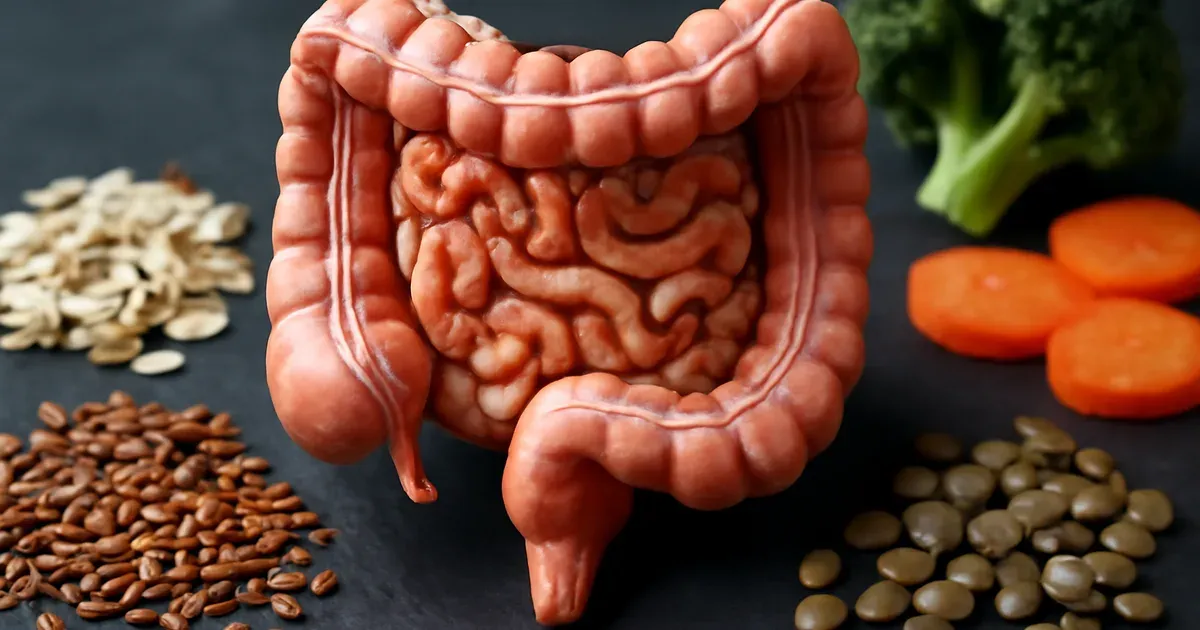
- The gut-brain connection suffers. Your gut microbiome — the trillions of bacteria that influence mood, immunity, and inflammation — depends on prebiotic fiber to thrive. Without it, even a perfectly protein-rich diet leaves your gut-brain axis underserved.
Step 1: Understand What Your Body Actually Needs From Both Nutrients
Before you can build a better plate, you need to know your targets. The latest Dietary Guidelines recommend 1 to 1.2 grams of protein per kilogram of body weight per day for most adults — that's roughly 81 to 109 grams daily for a 150-pound person. Fiber targets sit at 25 grams per day for women and 38 grams per day for men.
Protein does the heavy lifting for muscle repair, enzyme production, hormone synthesis, and immune function. It keeps you full because it takes longer to digest than carbohydrates or fat. But here's what often gets overlooked: that slower digestion is a feature only when fiber is present to keep things moving through your system.
Fiber, technically a carbohydrate, doesn't behave like one. Soluble fiber dissolves in water to form a gel that binds to LDL cholesterol and slows glucose absorption — stabilising blood sugar and feeding beneficial gut bacteria. Insoluble fiber adds bulk and keeps your digestive transit healthy. Some fiber types are prebiotic, meaning they directly nourish the microbial communities in your gut that communicate with your brain via the gut-brain axis.
Pro tip: Think of protein as your body's building material and fiber as the infrastructure that keeps the whole system running smoothly. You need both working simultaneously.
Step 2: Audit Your Current Plate for the Protein and Fiber Balance Gap
You can't fix what you haven't measured. Spend just three days logging everything you eat — not to obsess over calories, but to see where your protein and fiber balance actually stands. Most people are genuinely surprised by how wide the gap is.
Use a simple food tracking app or even a handwritten log. For each meal, note whether it contains a meaningful protein source (15+ grams) and a meaningful fiber source (5+ grams). If a meal has protein but no fiber, flag it. If it has fiber but no protein, flag that too.
Common patterns to look for:
- Breakfast is protein-heavy (eggs, yogurt) but fiber-light — no fruit, no whole grains, no seeds
- Lunch leans on salads with fiber but skips substantial protein
- Dinner gets the most balance, but the rest of the day has already created a deficit
- Snacks are almost exclusively protein-focused (bars, shakes) with negligible fiber content
Once you see the gaps, you can close them deliberately. The goal is not perfection at every meal but a consistent daily total that meets both thresholds. Think of your fiber target the same way you think of your protein target — non-negotiable, tracked, and planned.
Pro tip: Pay attention to how your gut feels during this audit period. Bloating after high-protein meals, afternoon sluggishness, or irregular bowel movements are all signs your gut microbiome is telling you something important.
Step 3: Build Every Meal Around a Protein Anchor and a Fiber Foundation
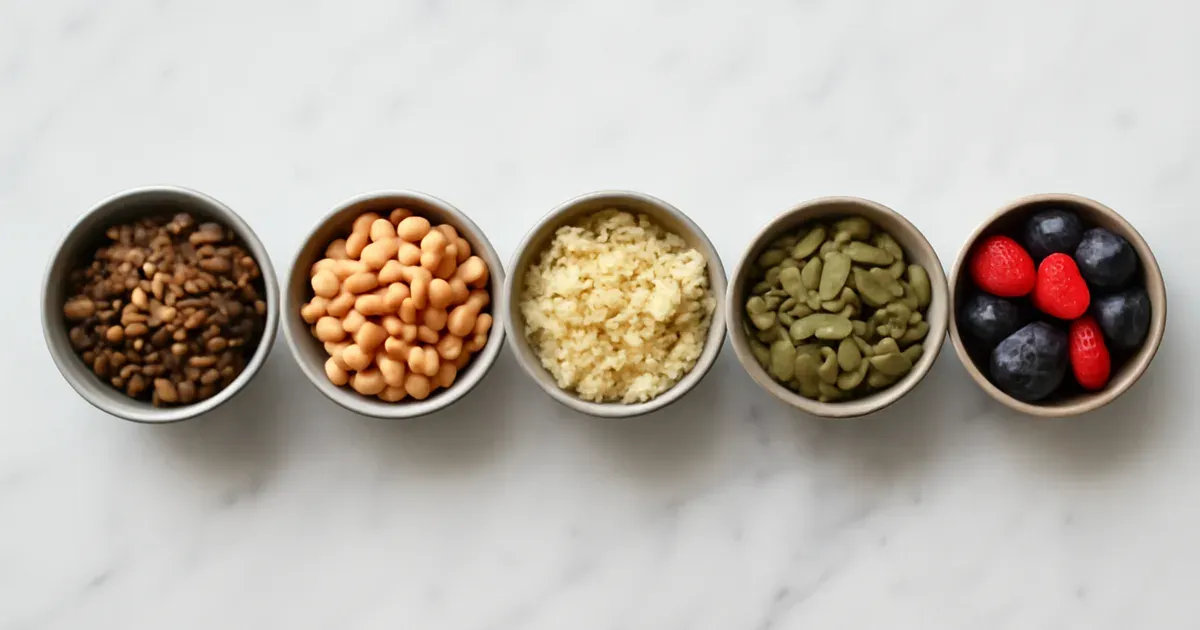
The most practical shift you can make is structural. Instead of assembling meals around whatever is convenient, use a two-pillar framework: a protein anchor and a fiber foundation. Registered dietitian Erin Palinski-Wade recommends thinking of protein as the anchor of your meal and then building around it with fiber-rich foods — and the research on gut health strongly supports this approach.
When protein and fiber are eaten together, they create a synergistic effect. Fiber slows digestion, which moderates the rate at which amino acids enter the bloodstream and helps maintain stable blood sugar. That stable environment is also exactly what your gut microbiome prefers — rapid blood sugar spikes and crashes are associated with reduced microbial diversity.
Here are dietitian-approved meal combinations that nail the protein and fiber balance:
- Grilled salmon with a lentil and mixed-greens salad topped with walnuts and strawberries
- A quinoa bowl with roasted chicken or tofu, roasted broccoli, and chickpeas
- Greek yogurt layered with mixed berries, ground flaxseed, and pumpkin seeds
- Whole grain cereal with full-fat milk and a sliced banana
- Apple slices with natural peanut butter — simple, fast, and surprisingly effective
The gut-brain bonus: Lentils, chickpeas, flaxseed, and berries are all rich in prebiotic fiber that feeds Bifidobacterium and Lactobacillus species — beneficial bacteria linked to reduced anxiety, better mood regulation, and lower systemic inflammation through the gut-brain axis.
Pro tip: Batch-cook legumes (lentils, black beans, chickpeas) at the start of the week. They deliver fiber and plant protein simultaneously, making the two-pillar framework almost effortless on busy days.

Step 4: Prioritise Strategically Based on Your Current Health Goals
There are moments when one nutrient genuinely deserves more focus — and knowing when to shift that emphasis is part of a smart, long-term nutrition strategy. The key is never abandoning the other nutrient entirely, just tilting your attention.
Prioritise protein when:
- You are actively losing weight, especially if using a GLP-1 medication, where muscle preservation becomes critical
- You are an athlete or training regularly and need adequate protein for post-workout recovery
- You are over 60 and working to reduce the risk of sarcopenia (age-related muscle loss)
- You are recovering from surgery or an injury, when tissue repair demands are elevated
Prioritise fiber when:
- Your digestion is sluggish or you struggle with chronic constipation
- Your LDL cholesterol or blood sugar levels need improvement
- You want to actively improve your gut microbiome diversity — the foundation of gut-brain health
- You are perimenopausal or postmenopausal, when shifts in gut bacteria can affect mood and metabolic health
The gut-brain perspective matters here. Research increasingly shows that the gut microbiome influences mental health, cognitive function, and stress resilience through the vagus nerve and chemical messengers like serotonin — 90% of which is produced in the gut. Feeding your microbiome with consistent, varied fiber is one of the most evidence-backed ways to support this gut-brain connection over time.
Step 5: Make the Protein and Fiber Balance Sustainable Long-Term
Sustainability beats perfection every time. The most effective nutrition plan is the one you can actually maintain — and that means making high-fiber, high-protein eating feel easy rather than effortful.
Start by identifying your three or four "anchor meals" — reliable combinations you can rotate without thinking. These might be a lentil soup with grilled chicken, a morning yogurt bowl, or a quick stir-fry with tofu and vegetables over brown rice. Having defaults removes the daily decision-making that leads to falling back on protein bars and skipping fiber entirely.
Small swaps compound quickly:
- Swap white rice for quinoa or barley (adds both fiber and protein)
- Add a tablespoon of chia seeds or ground flaxseed to smoothies or yogurt (3–5g fiber per serving)
- Choose whole grain bread instead of white (doubles fiber per slice)
- Add a handful of leafy greens to any protein-centred meal
Your gut microbiome rewards consistency. Studies show that diverse, fiber-rich eating patterns increase microbial diversity within two to four weeks — and that diversity is associated with improved immune function, reduced inflammation, and a more stable gut-brain axis. Every meal is an opportunity to deposit into that microbial bank account.

Timeline: What to Expect Week by Week
Week 1: Digestive changes begin. As fiber increases, you may notice more regularity — or briefly more gas as your gut bacteria adapt. This is normal and settles within 7–10 days. Protein targets help stabilise appetite.
Week 2: Blood sugar stability improves. The combination of protein and soluble fiber begins moderating post-meal glucose spikes. Energy levels between meals start to even out. Fewer afternoon crashes.
Week 3: Gut microbiome diversity begins shifting. Prebiotic fiber fuels beneficial bacterial species. You may notice improved mood, reduced bloating, and better digestive regularity as your microbiome adjusts.
Week 4 and beyond: Satiety becomes more predictable. Cravings for ultra-processed snacks typically decrease. Cholesterol markers and blood sugar control show measurable improvement for most people who maintain the protein and fiber balance consistently.
Mistakes That Slow Your Progress
- Ramping fiber up too fast. Going from 10 grams to 35 grams of fiber overnight causes bloating and discomfort. Increase by 5 grams per week and drink more water as you do.
- Treating protein supplements as a substitute for whole foods. Protein shakes and bars rarely contain meaningful fiber. They can widen the gap instead of closing it.
- Ignoring fiber at breakfast. Breakfast sets your gut microbiome's tone for the day. A high-protein, low-fiber breakfast misses an easy opportunity to make progress toward your daily fiber target.
- Forgetting hydration. Fiber requires water to function properly — especially insoluble fiber. Without adequate hydration, increased fiber intake can actually worsen constipation.
- Assuming plant proteins don't count. Legumes, edamame, tempeh, and quinoa are rich in both protein and fiber. Ignoring plant sources makes the protein and fiber balance far harder to achieve.
What Can Help You Get There Faster
Whole food protein sources with a fiber side. Salmon, chicken, eggs, Greek yogurt, and cottage cheese are excellent protein anchors. Pair them with fiber-dense sides — roasted vegetables, legumes, whole grains, or seeds — rather than refined starches.
Prebiotic and high-fiber staples to stock. Lentils, black beans, oats, barley, chia seeds, ground flaxseed, and a wide variety of vegetables and fruits cover both soluble and insoluble fiber and directly support gut microbiome health. Rotating variety matters — different fibers feed different bacterial species.
Tracking tools for accountability. A simple food log, a nutrition app, or even a weekly meal-prep habit can bridge the gap between intention and execution. Tracking doesn't need to be obsessive — even a three-day weekly check-in keeps your protein and fiber balance visible and actionable.
Your Protein and Fiber Balance: Step-by-Step Recap
✅ Step 1: Know your daily targets — 1–1.2g protein per kg body weight; 25–38g fiber per day ✅ Step 2: Audit your current meals to identify where the protein and fiber balance gap lives ✅ Step 3: Build every meal with a protein anchor and a fiber foundation — use the meal combos above ✅ Step 4: Shift your emphasis strategically based on your current health priority without dropping either nutrient ✅ Step 5: Lock in sustainable habits — anchor meals, simple swaps, and gut microbiome-friendly consistency
Frequently Asked Questions
Can I get enough protein and fiber from plant-based foods alone?
Yes — and plant foods are often the most efficient way to hit both targets simultaneously. Lentils deliver roughly 18 grams of protein and 15 grams of fiber per cooked cup. Chickpeas, black beans, edamame, and quinoa follow closely behind. A well-planned plant-forward diet can meet both protein and fiber goals while also providing exceptional prebiotic support for your gut microbiome.
How does the gut microbiome relate to protein and fiber intake?
Your gut microbiome depends on fiber — specifically prebiotic fiber — as its primary fuel source. Without adequate fiber, beneficial bacterial species decline and gut diversity drops. High protein intake without sufficient fiber can shift the gut environment in ways that reduce microbial diversity over time. Balancing both nutrients supports a thriving microbiome, which in turn supports the gut-brain axis, immune function, and metabolic health.
Why do I feel bloated when I increase fiber?
Bloating when increasing fiber is a normal, temporary adaptation. Your gut bacteria produce gas as they ferment fiber — especially when the intake increases rapidly. Increase fiber gradually (around 5 grams per week), drink plenty of water, and start with easier-to-digest fiber sources like cooked vegetables and oats before moving to raw vegetables and legumes in large quantities.
Does protein intake affect gut health negatively?
Protein itself is not harmful to gut health, but the source and context matter. High intake of red and processed meats without adequate fiber has been associated with less favorable gut microbiome profiles and an elevated risk of colon cancer. Pairing animal proteins with fiber-rich plant foods largely mitigates this risk and creates a more balanced gut environment.
When is the best time to eat protein and fiber together?
Every meal is an opportunity, but breakfast and lunch matter most for gut-brain health. Starting the day with a protein-and-fiber combination — like Greek yogurt with berries and seeds, or eggs with whole grain toast and avocado — sets stable blood sugar and begins feeding your gut microbiome early. Consistency across all meals matters more than any specific timing window.