How to Boost GLP-1 Naturally Through Diet
Learn how to boost GLP-1 naturally through diet, gut health, and lifestyle habits — no medication needed. A step-by-step evidence-based guide.

You've tried eating less. You've counted calories, cut carbs, and pushed through afternoon hunger that felt impossible to ignore. Yet the scale barely moves, and your appetite always wins in the end. What if the problem isn't willpower — it's a hormone your gut isn't producing enough of?
GLP-1, the appetite-regulating hormone made in your small intestine, plays a central role in how full you feel, how your blood sugar behaves, and how much you eat at the next meal. The surge of interest in GLP-1 medications like semaglutide and tirzepatide has overshadowed a quieter truth: you can meaningfully boost GLP-1 naturally through targeted food choices, eating habits, and gut microbiome support — no prescription required.
This guide gives you a practical, step-by-step framework to do exactly that.
Why GLP-1 Levels Drop in the First Place
Your gut is the engine behind GLP-1 production, and when that engine misfires, appetite regulation suffers. Several interconnected factors suppress natural GLP-1 secretion:
- Poor gut microbiome diversity. GLP-1 is released by specialised L-cells lining your intestine. These cells respond to signals from gut bacteria — particularly short-chain fatty acids produced when fibre is fermented. A low-diversity microbiome produces fewer of these signals.
- Ultra-processed food dominance. Diets high in refined carbohydrates and low in fibre, protein, and healthy fats fail to trigger adequate GLP-1 release after meals, leaving hunger hormones unchecked.
- Chronic stress and poor sleep. Elevated cortisol from ongoing stress impairs GLP-1 release. Poor sleep quality delays the peak GLP-1 response after eating, disrupting appetite regulation throughout the day.
- Circadian misalignment. GLP-1 follows a daily rhythm, peaking during daylight hours. Eating late at night or skipping breakfast shifts this rhythm and reduces hormonal efficiency.
- Sedentary behaviour. Moderate and high-intensity exercise directly increases GLP-1 levels. A consistently inactive lifestyle keeps those levels chronically suppressed.
Understanding these root causes shapes every step that follows.
Step 1: Build Every Meal Around Protein, Fibre, and Healthy Fat
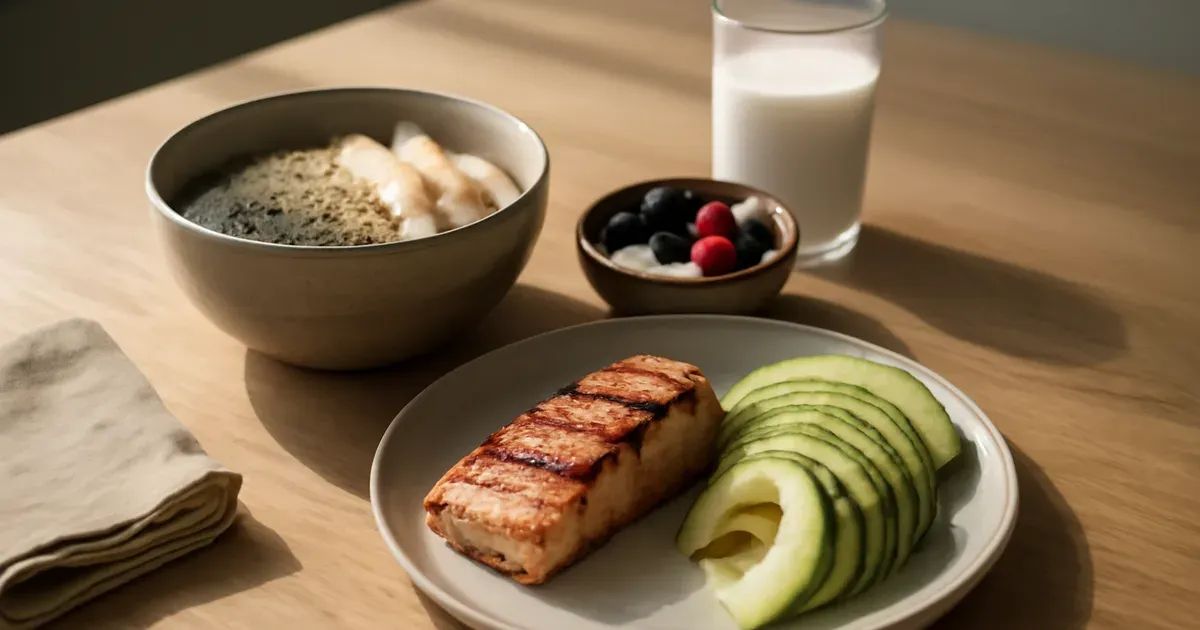
The most direct way to boost GLP-1 naturally is through what you put on your plate. These three nutrients are the primary nutritional triggers for GLP-1 release — and they work synergistically.
Protein stimulates GLP-1 secretion and extends satiety by slowing gastric emptying. Aim to include a quality protein source at every meal: eggs, Greek yogurt, fish, lean poultry, beans, lentils, or tofu all qualify.
Soluble fibre is fermented by gut bacteria into short-chain fatty acids, including butyrate, which directly stimulate L-cells to secrete GLP-1. This is the gut-brain connection at work: a healthier microbiome produces more butyrate, which in turn drives more GLP-1. Oats, barley, chia seeds, flaxseeds, legumes, apples, and pears are excellent sources.
Healthy fats — especially monounsaturated fats from olive oil and avocados, and omega-3s from fatty fish like salmon, sardines, and mackerel — slow stomach emptying and amplify GLP-1 release. They also feed beneficial gut bacteria, reinforcing the microbiome-GLP-1 loop.
Pro tip: Add one tablespoon of chia seeds or ground flaxseed to your breakfast. This simple habit delivers soluble fibre, omega-3s, and prebiotic support to your gut microbiome simultaneously.
Step 2: Fix Your Meal Sequence and Eating Rhythm
The order you eat food in a meal changes how much GLP-1 your body releases — a finding that requires no special ingredients, just a shift in sequence.
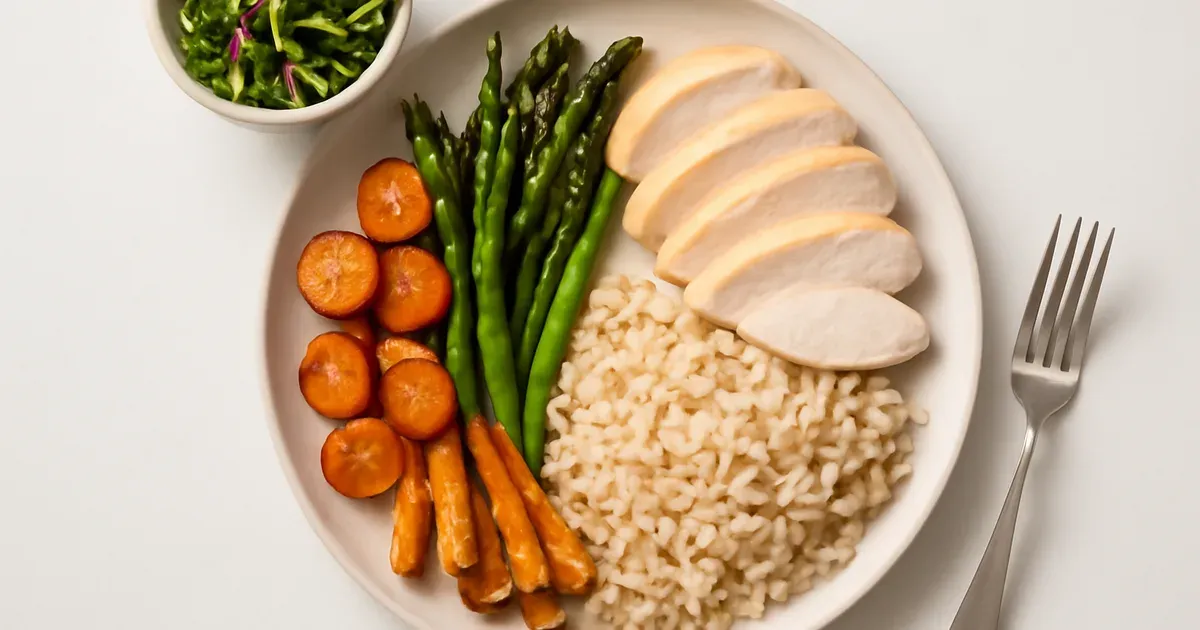
Research consistently shows that eating protein and vegetables before carbohydrates produces stronger GLP-1 secretion, higher insulin response, and lower post-meal blood sugar than eating carbohydrates first. Start with a salad, a portion of fish, or a handful of nuts before you reach for bread, rice, or pasta.
Eating rhythm matters just as much as sequence. GLP-1 follows a circadian rhythm with higher levels during daylight hours. Aligning your eating window with daylight — ideally within a consistent 12-hour window, such as 7 a.m. to 7 p.m. — supports this rhythm. Eat your first meal within one to two hours of waking, then every three to four hours. Front-loading calories earlier in the day, rather than eating your largest meal at night, keeps GLP-1 working at its natural peak.
Slow down at the table. Eating slowly produces a more pronounced GLP-1 response and higher satiety. Set a timer for 20 to 30 minutes per meal. Put your fork down between bites, chew thoroughly, and take smaller portions. These small behavioural shifts accumulate into real hormonal change.
Pro tip: Use the Plate Method as a visual guide — fill half your plate with non-starchy vegetables, a quarter with protein, and a quarter with whole-grain carbohydrates. This naturally enforces the optimal meal sequence.
Step 3: Strengthen Your Gut Microbiome with Fermented Foods and Prebiotics
Your gut microbiome is the hidden regulator of your GLP-1 levels, and this is where gut health and GLP-1 science converge most powerfully. A diverse, well-nourished microbiome produces more of the short-chain fatty acids that stimulate GLP-1 secretion — making microbiome care a core strategy, not a bonus.
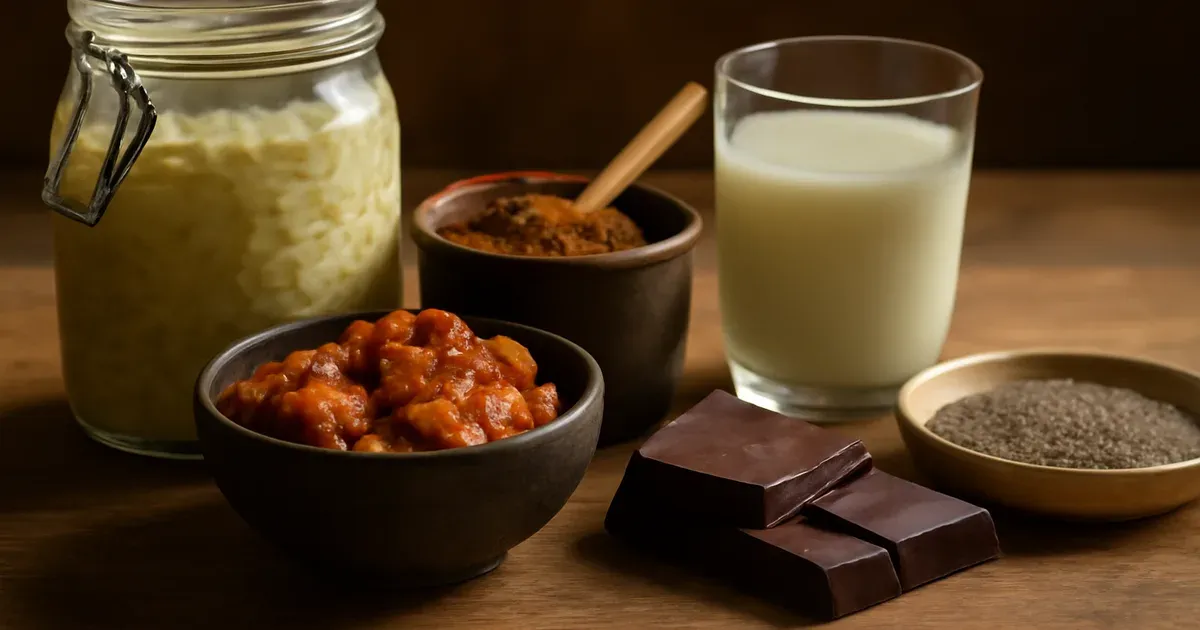
Fermented foods introduce beneficial bacteria directly into your gut. Daily servings of yogurt, kefir, sauerkraut, kimchi, miso, or tempeh support microbial diversity. Clinical evidence links higher microbiome diversity to improved GLP-1 secretion and better appetite regulation — the gut-brain axis runs both ways.
Prebiotic foods feed the bacteria already living in your gut, encouraging them to produce more butyrate and other GLP-1-stimulating compounds. Artichokes, asparagus, garlic, onions, leeks, oats, and legumes are all rich in prebiotic fibre. Combine these with fermented foods for a synbiotic effect — one that actively reshapes your microbiome toward better hormonal function.
Dark chocolate (at least 70% cacao) is an underrated microbiome ally. Its flavanols support GLP-1 activity and feed beneficial gut bacteria. A standard one-ounce (28g) serving daily provides meaningful benefit without excess calories.
Pro tip: Build a simple daily "gut stack": one serving of fermented food, one prebiotic-rich vegetable, and one portion of high-fibre whole grain. Consistency over weeks reshapes microbial communities in ways that measurably influence GLP-1.
Step 4: Address Stress, Sleep, and Exercise as GLP-1 Levers
Lifestyle factors outside the kitchen have a direct, measurable impact on your ability to boost GLP-1 naturally — and neglecting them limits everything you do with food.
Chronic stress raises cortisol, which impairs GLP-1 release and drives appetite toward high-calorie, low-nutrient foods — compounding the hormonal disruption. Stress-management practices including journaling, mindful eating, time in nature, and mind-body movement (yoga, tai chi, breathwork) actively reduce cortisol and restore healthier hormonal signalling. The gut-brain axis is bidirectional: a calmer nervous system supports a healthier microbiome, which in turn supports stronger GLP-1 output.
Poor sleep quality delays the peak GLP-1 response after meals and disrupts appetite regulation throughout the following day. Prioritise seven to nine hours of quality sleep. Keep a consistent sleep and wake time, limit screen exposure before bed, and maintain at least a two-hour gap between your last meal and sleep.
Exercise is one of the most reliable ways to elevate GLP-1 levels, with both moderate and high-intensity sessions producing measurable increases regardless of exercise type. Combining aerobic activity with resistance training appears especially beneficial. Thirty minutes of brisk walking, five days per week, is a sustainable starting point. Consistency matters far more than intensity.
Pro tip: Pair a ten-minute post-meal walk with your new meal sequence habit. Post-meal movement further blunts blood sugar spikes, supports GLP-1 activity, and reinforces a daily exercise routine.
What to Expect: A Realistic Timeline
Change happens in layers — some shifts are felt within days, while others build over weeks as your microbiome adapts.
Week 1–2: You may notice reduced post-meal hunger and more stable energy after swapping refined carbs for fibre-rich whole foods and shifting your meal sequence. These effects reflect immediate GLP-1 stimulation from nutritional changes.
Week 3–4: As fermented foods and prebiotic fibre begin reshaping your gut microbiome, many people report fewer cravings, improved digestion, and more consistent appetite regulation. Gut microbial shifts typically take three to four weeks to become measurable.
Week 5–8: Sustained dietary changes, better sleep, and regular exercise compound their effects. Blood sugar regulation improves, energy becomes more consistent throughout the day, and appetite signals feel more trustworthy. The gut-brain axis is recalibrating.
Beyond 8 weeks: Long-term microbiome diversity gains continue to strengthen natural GLP-1 signalling. The habits built in this phase form the foundation for lasting weight management and metabolic health — without medication.

Mistakes That Slow Your Progress
- Eating carbohydrates first at every meal. This is one of the most common patterns that suppresses GLP-1 secretion. Flip the sequence: protein and vegetables before starch, every time.
- Neglecting the microbiome. Focusing only on macronutrients while ignoring fermented foods and prebiotic fibre misses the gut-health engine behind GLP-1 production.
- Eating too quickly or while distracted. Rushed, screen-accompanied meals blunt the GLP-1 satiety response and lead to consistent overeating before fullness signals register.
- Expecting overnight results. Microbiome remodelling and hormonal recalibration take weeks. Abandoning new habits after a few days forfeits the compounding benefits that build after week three.
- Treating sleep and stress as secondary. Poor sleep and chronic cortisol elevation actively undermine every dietary improvement you make. These are non-negotiable pillars of natural GLP-1 support.
- Going all-in on everything at once. Trying to overhaul diet, exercise, sleep, and stress simultaneously increases the likelihood of burnout. Focus on one habit at a time and build from there.
What Can Help You Get There Faster
Tracking and accountability tools make behaviour change concrete. A simple food journal — even a notes app — used to record meal sequences, eating pace, and hunger levels after meals creates the feedback loop that accelerates habit formation.
Gut microbiome testing offers a data-driven starting point. At-home microbiome test kits can identify specific bacterial imbalances that may be limiting your GLP-1 response, allowing for more targeted prebiotic and probiotic food choices. As gut health research advances, these tools are becoming increasingly accessible and actionable.
Wearable continuous glucose monitors (CGMs) — now available without prescription in many regions — provide real-time feedback on how your meal sequences, food choices, and post-meal walks are affecting blood sugar. This visible data reinforces the habits most likely to boost GLP-1 activity over time.
Your Action Plan at a Glance
- ✅ Include protein, soluble fibre, and healthy fat at every meal
- ✅ Eat protein and vegetables before carbohydrates at each sitting
- ✅ Add one daily serving of fermented food and prebiotic-rich vegetables
- ✅ Eat within a consistent 12-hour daytime window
- ✅ Slow your eating pace — aim for 20 to 30 minutes per meal
- ✅ Exercise for at least 30 minutes most days; combine aerobic and resistance training
- ✅ Prioritise seven to nine hours of quality sleep consistently
- ✅ Manage chronic stress through daily grounding and mindfulness practices
- ✅ Take a 10-minute walk after meals to compound GLP-1 activity
- ✅ Focus on one habit change at a time and build gradually
Frequently Asked Questions
Can you really boost GLP-1 naturally without medication?
Yes — though the effect is lower in potency than pharmaceutical GLP-1 agonists. Natural GLP-1 is released in response to food, exercise, and gut microbiome activity. Targeted nutrition strategies, meal sequencing, fermented foods, and lifestyle changes can meaningfully increase GLP-1 secretion and improve appetite regulation, blood sugar control, and satiety — without the cost or side effects of medication.
Which foods have the strongest GLP-1 stimulating effect?
High-protein foods, soluble fibre sources, and healthy fats produce the most reliable GLP-1 stimulation. Fatty fish (salmon, sardines, mackerel), legumes, oats, chia seeds, eggs, and avocados consistently trigger strong GLP-1 responses. Fermented foods like kefir and kimchi support GLP-1 production indirectly by improving gut microbiome health and short-chain fatty acid output.
How long does it take for dietary changes to affect GLP-1 levels?
Immediate meal-level effects occur within hours, as GLP-1 is released in direct response to food. Deeper changes — particularly those driven by microbiome improvements — take three to eight weeks of consistent dietary change. Sleep quality improvements and regular exercise begin influencing GLP-1 levels within the first one to two weeks.
Does gut health really influence GLP-1 production?
Significantly. GLP-1 is secreted by L-cells in the intestinal lining, and these cells are directly stimulated by short-chain fatty acids produced when gut bacteria ferment soluble fibre. A diverse, healthy microbiome produces more of these compounds, driving higher GLP-1 output. This is the core gut-brain-hormone connection at the heart of natural GLP-1 support.
Should I try natural GLP-1 strategies even if I'm already on GLP-1 medication?
Absolutely. Diet and lifestyle changes remain essential even for people taking GLP-1 medications. The weight loss and metabolic benefits of these medications are not guaranteed without supportive behaviour change. Improving your gut microbiome, meal sequencing, sleep, and exercise quality enhances outcomes for people both on and off medication.