How to Follow an Anti-Inflammatory Diet in 7 Days
Follow this 7-day anti-inflammatory diet plan to reduce chronic inflammation, rebalance your gut microbiome, and start feeling better — step by step.


You've tried eating "healthy" before. You swapped white rice for brown, added a handful of walnuts to your oatmeal, and grilled chicken instead of frying it. And yet the joint pain, the brain fog, the sluggish digestion — none of it went away. Maybe it even got worse.
The frustrating truth is that many foods we call "healthy" can quietly fuel the fire of chronic inflammation. And if your gut microbiome is out of balance — which is far more common than most people realise — your body loses one of its most powerful tools for controlling inflammation in the first place.
This guide gives you a clear, step-by-step path through a 7-day anti-inflammatory diet meal plan. No calorie counting, no starvation. Just a practical framework that supports your gut, rebalances your immune response, and helps you start feeling like yourself again.
Why Chronic Inflammation Happens in the First Place
Inflammation is not the enemy — unresolved inflammation is. When you injure yourself, your immune system triggers inflammation to start healing. The problem begins when that inflammatory response never fully switches off, becoming chronic and silently damaging tissues over time.
Several factors drive this cycle:
- A skewed omega-6 to omega-3 ratio. The typical Western diet delivers an omega-6 to omega-3 ratio of roughly 20:1. Ideally, it should be closer to 3:1. This imbalance directly amplifies inflammatory signalling throughout the body, as research on omega-3 fatty acids in inflammation has confirmed.
- A disrupted gut microbiome. The trillions of bacteria in your gut regulate immune function, produce anti-inflammatory compounds, and help manage the gut-brain axis. When the microbiome is imbalanced — a state called dysbiosis — the intestinal lining becomes more permeable, allowing bacterial fragments to enter the bloodstream and trigger systemic inflammation.
- Nutritional deficiencies. Without adequate polyphenols, fibre, and essential fatty acids, your body simply lacks the raw materials to resolve inflammation completely.
- Chronic stress and poor sleep. Both raise cortisol and cytokine levels, keeping your immune system in a state of constant low-grade alert.
Diet is the lever you can pull on immediately — and it has a faster effect on your gut microbiome than almost any other lifestyle intervention.
Step 1: Clear Out the Pro-Inflammatory Foods
Before you can reduce inflammation, you need to stop adding fuel to the fire. The goal of this first step is not deprivation — it is removing the inputs that are actively working against your healing.
For this 7-day anti-inflammatory diet, remove the following from your kitchen and shopping list:
- Fried and ultra-processed foods
- Added sugars and sweeteners (including honey and maple syrup for this week)
- High-glycaemic foods: white rice, potatoes, sweet potatoes
- Most nuts and nut butters (especially walnuts, which are exceptionally high in omega-6s despite their healthy reputation)
- Eggs, chicken, and red meat
- All grains, including oats and whole-wheat products
- All dairy
- All cooking oils except flax oil — yes, this includes olive oil and coconut oil for strict adherence
- Chickpeas and most seeds except chia and flax
Pro tip: This list surprises people. Walnuts, chicken, and whole grains are widely promoted as anti-inflammatory. They are nutritious foods — but for someone with active chronic inflammation and a high omega-6 load, they slow healing. This week is about resetting your ratio, not eating this way forever.
For your gut microbiome specifically, cutting ultra-processed food is one of the fastest ways to begin restoring bacterial diversity. Emulsifiers, artificial sweeteners, and refined starches are all associated with dysbiosis.
Step 2: Build Every Meal Around These Core Foods
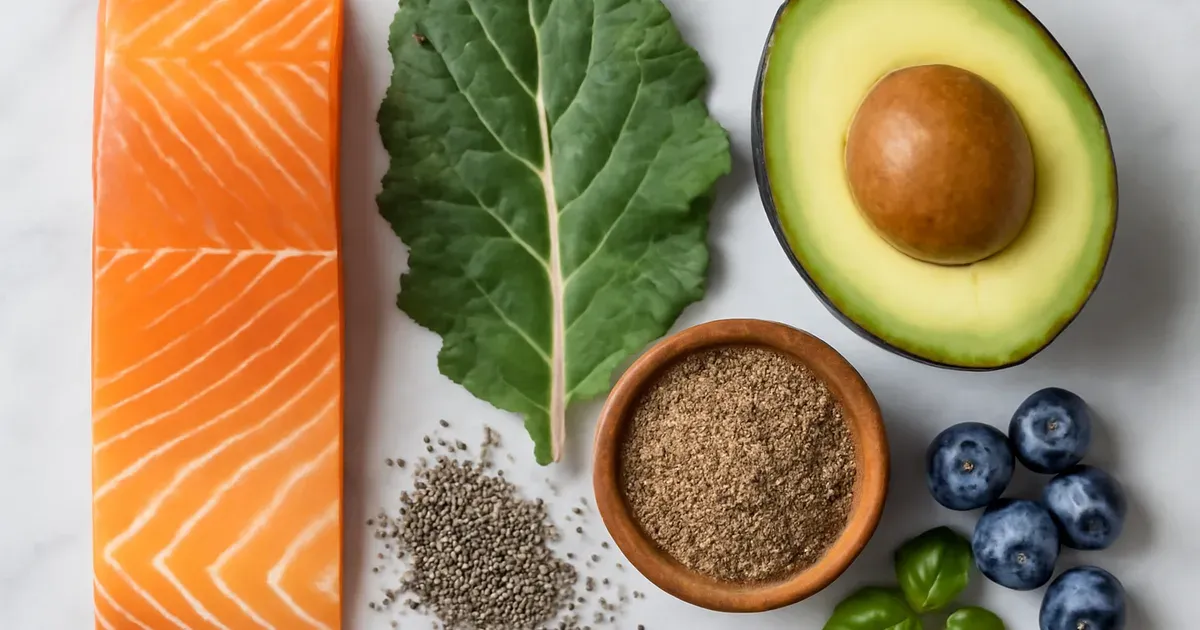
Once the pro-inflammatory foods are gone, your plate needs new anchors. The bulk of every meal this week should come from foods rich in omega-3 fatty acids and polyphenols — two nutrient classes that actively resolve inflammation rather than simply avoiding it.
Your core foods for the week:
- Omega-3 powerhouses: Ground flaxseed, chia seeds, flax oil, salmon, mackerel
- Cruciferous and leafy greens: Broccoli, kale, spinach, cauliflower, Brussels sprouts, cabbage, arugula, radishes
- Berries: Blueberries, blackberries, strawberries, raspberries
- Fresh herbs: Parsley, basil, cilantro
- Anti-inflammatory spices: Turmeric, cinnamon, cumin, black pepper, coriander
A systematic review and meta-analysis on fruit and vegetable consumption found that higher intake of these foods measurably reduces inflammatory biomarkers — exactly what this week is designed to accomplish.
From a gut health perspective, the fibre in cruciferous vegetables and berries acts as prebiotic fuel for beneficial bacteria like Bifidobacterium and Lactobacillus. These bacteria produce short-chain fatty acids (SCFAs), particularly butyrate, which strengthens the gut lining and directly suppresses inflammatory pathways. Every meal built around these foods is simultaneously a meal that nourishes your microbiome.
Pro tip: Add 2–3 tablespoons of chia or flax seeds to your morning smoothie. It takes ten seconds and meaningfully shifts your daily omega-3 intake without changing what you eat.
Step 3: Follow the 7-Day Meal Structure
Consistency over the full seven days is what creates a measurable shift — both in inflammatory markers and in gut microbiome composition. Here is how to structure your meals across the week using the recipes outlined in this plan.
Breakfast and snack options (rotate daily):
- Chia pudding — made with homemade nut milk, sweetened with banana chunks instead of maple syrup
- Kale or spinach berry smoothie — use 1 cup of greens, 3 tablespoons of chia seeds, omit almond butter
- Green smoothie — add 2–3 tablespoons of chia or flax seeds for omega-3s and staying power
Lunch and dinner options (rotate across the week):
- Tomato, avocado and arugula salad — use flax oil instead of olive oil, skip sesame seeds
- Salmon lettuce wraps — skip sunflower seed cream cheese; dress with lemon juice, flax oil, minced garlic and basil
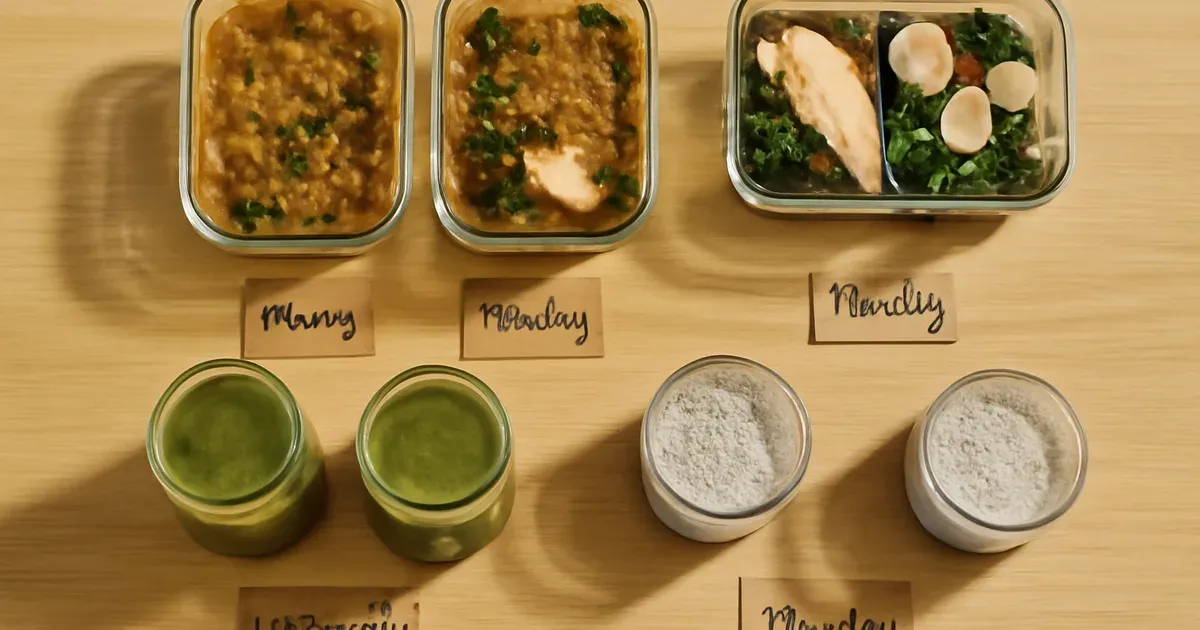
- Broccoli and red lentil soup — use water to cook, stir in flax oil after heat is off
- Lentil and spinach soup — light, filling, and excellent for gut microbiome diversity due to the prebiotic fibre in lentils
- Easy radish salad — simple and quick for lighter lunch days
- Anti-inflammatory salmon salad — use flax oil, swap sweet potatoes for white beans or roasted cauliflower
- Mashed white bean salad — swap olive oil for flax oil
Pro tip: Batch-cook the lentil soup on Day 1 and Day 4. It stores well and removes decision fatigue on busy days — the single biggest threat to sticking with any meal plan.
Note on nightshades: This meal plan is gluten-free and dairy-free but not nightshade-free. If you are sensitive to tomatoes, peppers, or eggplant, substitute freely with any of the core vegetables listed in Step 2.
Step 4: Support Your Gut-Brain Axis Daily
The gut and brain are in constant two-way communication via the vagus nerve, immune signalling, and microbial metabolites. Chronic inflammation disrupts this axis — causing not just physical symptoms but also anxiety, low mood, and cognitive fog. Healing your gut is inseparable from healing your inflammation.
Beyond food choices, these daily habits amplify the gut-brain benefits of your anti-inflammatory diet:
- Eat fermented foods if tolerated. Plain coconut yoghurt, dairy-free kefir, or fermented vegetables like kimchi and sauerkraut introduce live bacteria that can shift microbiome composition within days. If these are new to you, start with 1–2 tablespoons per day.
- Eat at consistent times. Your gut microbiome follows a circadian rhythm. Erratic meal timing disrupts bacterial diversity and increases intestinal permeability.
- Manage stress actively. Chronic stress raises cortisol, which directly damages the gut lining and kills beneficial bacteria. Even five minutes of slow diaphragmatic breathing before meals activates the vagus nerve and improves digestive function.
- Avoid snacking constantly. Give your gut 4–5 hours between meals where possible. This allows the migrating motor complex — a cleaning wave of gut motility — to sweep the intestinal tract and prevent bacterial overgrowth.
The gut-brain connection means that improvements in your microbiome often show up mentally before they show up physically. Many people report clearer thinking and more stable mood within the first week of an anti-inflammatory diet — this is the gut-brain axis responding.
Step 5: Stay Consistent Through the Full Seven Days
The biggest results come in the back half of the week. Days 1–3 are often the hardest as your body adjusts to fewer simple carbohydrates and your gut microbiome begins shifting. Push through.
Here is what to expect day by day:
- Days 1–2: Some people feel hungrier than usual or slightly low-energy. This is normal. Load up on lentils, beans, avocado, and salmon to stay satiated.
- Days 3–4: Blood sugar begins to stabilise. Cravings for sugar and processed food typically peak here, then start to ease.
- Days 5–6: Energy improves noticeably for most people. Bloating often reduces as gut bacteria adapt to higher prebiotic fibre intake.
- Day 7: Many people report reduced joint stiffness, clearer skin, and improved mental clarity. These are early signs that inflammatory load is decreasing.
For your microbiome, meaningful shifts in bacterial diversity can occur within 3–5 days of consistent dietary change. Seven days is enough time to observe a real, measurable difference — both in how you feel and, if you were to test, in the composition of your gut flora.

What to Expect: A Week-by-Week Outlook
Week 1 (this plan): Eliminate pro-inflammatory inputs, flood the body with omega-3s and polyphenols, and begin restoring gut microbiome diversity. Expect some adjustment discomfort in the first three days.
Week 2–3: If you continue the framework — even with moderate reintroduction of foods like olive oil or occasional whole grains — inflammation markers continue to decline. Gut permeability typically begins to normalise, reducing the systemic immune triggers that were keeping you stuck.
Week 4 and beyond: The omega-6 to omega-3 ratio approaches a more balanced state. The gut-brain axis functions more efficiently — less anxiety, better sleep, more resilient mood. This is not a temporary fix; it is a new baseline.
Mistakes That Slow Your Progress
- Keeping omega-6-heavy "health foods" in the rotation. Walnuts, hemp seeds, and most vegetable oils are genuinely nutritious — but if you are eating them alongside this plan, you are blunting its effect. Save them for after the week.
- Using olive oil "just a little." For a strict 7-day reset, flax oil is the only approved oil. Olive oil is healthy long-term but is relatively high in omega-6s compared to flax.
- Not eating enough. Under-eating signals stress to the body, raises cortisol, and worsens inflammation. Eat full portions of lentils, beans, avocado, and salmon.
- Ignoring gut symptoms. If you experience significant bloating from the increase in fibre, slow down. Introduce cruciferous vegetables and legumes gradually rather than all at once.
- Treating this as a one-week cure. Seven days is a powerful reset — not a complete resolution of chronic inflammation. Build on it.
What Can Help You Get There Faster
Tracking tools. A simple food diary — even a notes app on your phone — helps you spot accidental omega-6 sources and identify which meals make you feel best. Gut-health apps that log symptoms alongside meals are especially useful for connecting food choices to gut-brain outcomes.
Gut microbiome testing. At-home microbiome test kits can give you a baseline before starting and a comparison point after two to four weeks on an anti-inflammatory diet. Seeing the data — a measurable increase in beneficial bacteria like Bifidobacterium — is a powerful motivator.
Omega-3 supplements. If you do not eat fatty fish regularly, a high-quality algae-based omega-3 supplement (providing EPA and DHA) bridges the gap. Algae-based sources are equally potent to fish oil and appropriate for plant-based eaters.
Quick-Reference Summary
✅ Remove all fried, processed, high-glycaemic, and omega-6-heavy foods for 7 days ✅ Build every meal around cruciferous greens, berries, flax, chia, salmon, and lentils ✅ Use flax oil as your only fat source during the reset week ✅ Add 2–3 tbsp of chia or flax seeds to at least one meal daily ✅ Support your gut-brain axis with consistent meal timing and stress management ✅ Batch-cook soups and salads to reduce daily decision fatigue ✅ Expect the most noticeable improvements in Days 5–7 ✅ Plan for a sustainable long-term framework after the 7-day reset
Frequently Asked Questions
Is this anti-inflammatory diet safe for everyone?
This plan is designed for generally healthy adults seeking to reduce chronic inflammation through dietary change. It is gluten-free and dairy-free but not nightshade-free. If you have a diagnosed medical condition, are pregnant, or are on medication, consult your doctor or a registered dietitian before making significant dietary changes.
Why is olive oil excluded from the anti-inflammatory diet plan?
Olive oil is healthy in a long-term Mediterranean diet context, but for a strict 7-day omega-3 reset, the goal is to maximise the ratio of omega-3 to omega-6 fats. Flax oil has one of the highest ALA (omega-3) contents of any oil, making it the best choice for this specific week. Olive oil can be reintroduced after the reset.
How does this diet support gut health and the microbiome?
The high fibre content from lentils, cruciferous vegetables, berries, and chia seeds acts as prebiotic fuel for beneficial gut bacteria. These bacteria produce butyrate and other short-chain fatty acids that strengthen the gut lining and reduce systemic inflammation — directly supporting the gut-brain axis and immune regulation.
Can I follow this plan if I am vegetarian or vegan?
Yes, with minor adjustments. Replace salmon and mackerel with additional lentils, beans, chia seeds, and flax seeds. Consider an algae-based omega-3 supplement to ensure adequate EPA and DHA intake, as plant-based ALA converts to EPA/DHA at a relatively low rate.
How quickly will I notice a difference in inflammation symptoms?
Most people notice meaningful changes by Days 5–7, including reduced joint stiffness, less bloating, improved energy, and clearer thinking. Gut microbiome composition can begin shifting within 3–5 days of consistent dietary change. Deeper resolution of chronic inflammation typically requires 3–4 weeks of sustained effort beyond the initial reset.