How to Increase GLP-1 Naturally (Without Medication)
Learn how to increase GLP-1 naturally through gut microbiome nutrition, targeted foods, exercise, and sleep — no medication required.

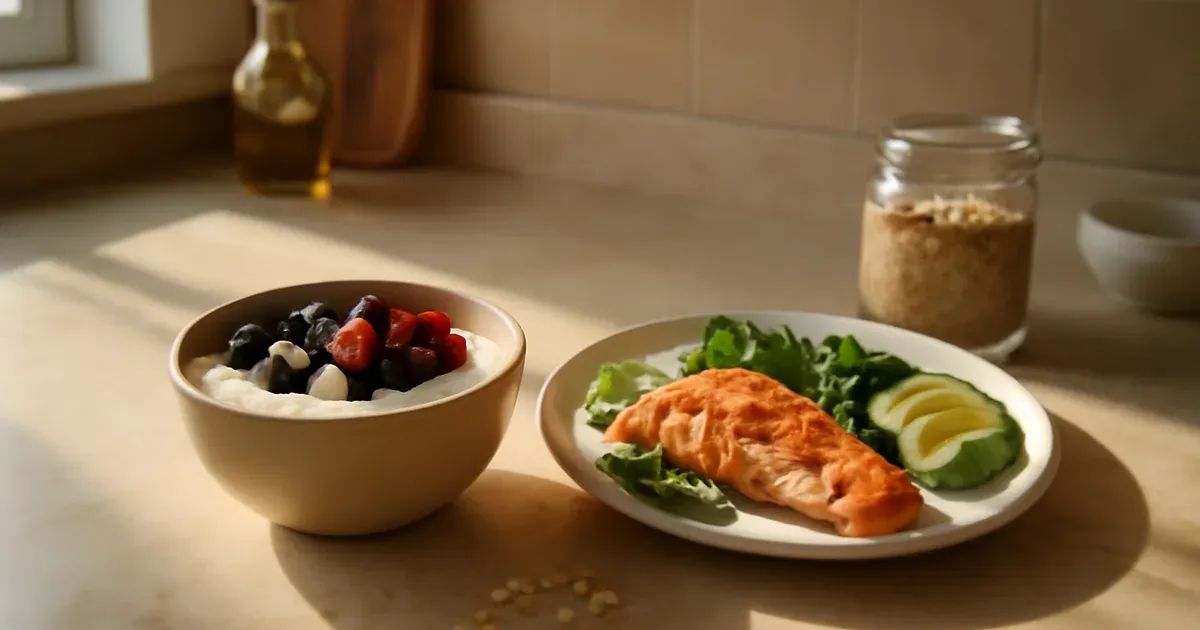
You have tried cutting calories, cleaning up your diet, and pushing yourself at the gym — but the scale barely moves and hunger wins every time. It feels like your body is working against you, and you wonder whether you are missing something at a deeper, hormonal level. You are not imagining it.
What most people do not realise is that a single gut-produced hormone — GLP-1 — sits at the crossroads of appetite, blood sugar, and metabolism. And the most exciting part? Your lifestyle directly shapes how much of it your body makes. This guide shows you exactly how to increase GLP-1 naturally, step by step, using food, movement, and gut-health strategies that compound over time.
Why Low GLP-1 Happens in the First Place
GLP-1 (glucagon-like peptide-1) is a hormone secreted by specialised L-cells that line your small intestine. When you eat, these L-cells sense incoming nutrients and release GLP-1 into the bloodstream, where it signals the pancreas to release insulin, tells the brain you are full, and slows stomach emptying. When GLP-1 output is low or blunted, appetite control suffers and blood sugar swings follow.
Several interconnected factors suppress natural GLP-1 production:
- Poor gut microbiome diversity — a depleted microbiome produces fewer short-chain fatty acids (SCFAs), the very molecules that stimulate L-cells to fire.
- Low dietary fibre and protein — L-cells need macronutrient signals to trigger GLP-1 release; ultra-processed diets provide weak signals.
- Sedentary behaviour — physical inactivity blunts the post-meal GLP-1 response and reduces insulin sensitivity.
- Impaired glucose tolerance — people with poorer blood sugar regulation tend to have a diminished GLP-1 response, creating a cycle that makes appetite control harder.
- Chronic gut inflammation — an inflamed gut lining reduces the density and responsiveness of enteroendocrine cells, including GLP-1-producing L-cells.
The gut-brain axis is central to this picture. Your gut and brain communicate constantly via hormones, the vagus nerve, and microbial metabolites. When the gut microbiome is out of balance, those messages become distorted — and GLP-1 is one of the first signals to suffer.
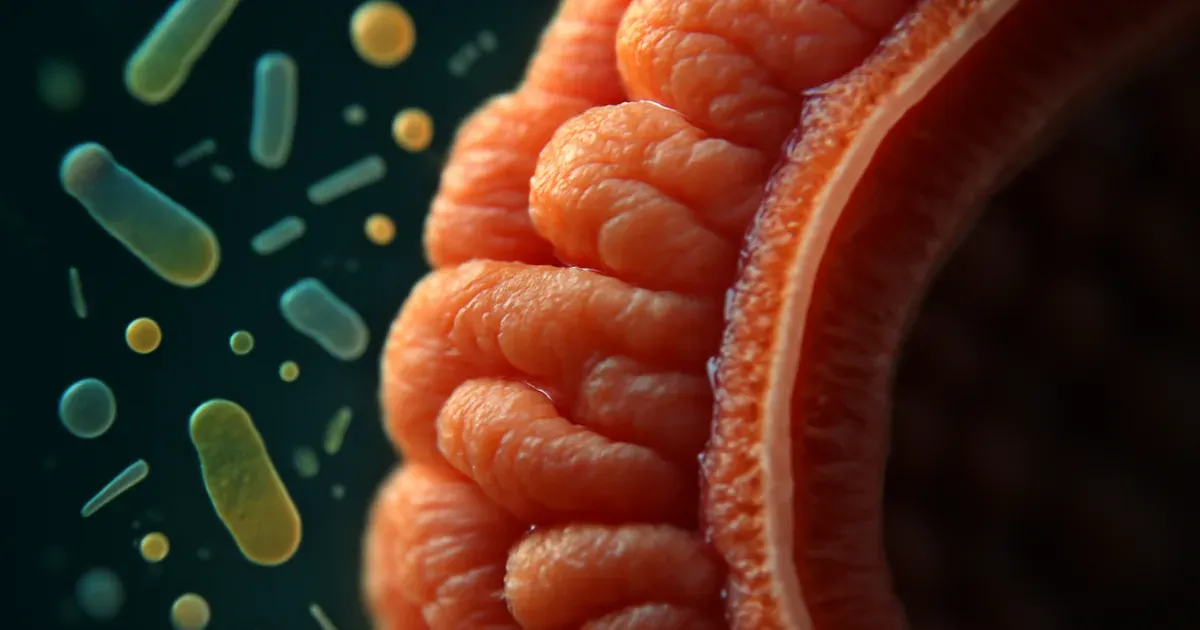
Step 1: Rebuild Your Gut Microbiome to Prime L-Cell Output
Your gut microbiome is the foundation of natural GLP-1 production, and it is the step most people skip entirely. The trillions of bacteria living in your large intestine ferment dietary fibre into SCFAs such as butyrate, propionate, and acetate. These SCFAs travel to L-cells in the intestinal wall and directly stimulate GLP-1 secretion.
A diverse, well-nourished microbiome amplifies every other strategy in this guide. Without it, even a high-protein, high-fibre diet delivers a fraction of its potential GLP-1 benefit.
How to do it:
- Eat at least 30 different plant foods per week — variety drives microbial diversity more reliably than any single superfood.
- Add one serving of fermented food daily: plain yogurt with live cultures, kefir, kimchi, sauerkraut, or miso. Research has shown that eating 1 cup of yogurt with live cultures daily increases fasting GLP-1 compared to calorie restriction alone.
- Limit ultra-processed foods, which feed pro-inflammatory bacteria and crowd out the SCFA-producing species your L-cells depend on.
- Stay consistently hydrated — water supports microbial activity and intestinal motility.
Pro tip: Think of your microbiome as a long-term investment. Expect four to eight weeks of consistent dietary change before measurable shifts in microbial composition occur.
Step 2: Build Every Meal Around Fibre and High-Quality Protein
Food composition is the most direct lever you have over moment-to-moment GLP-1 secretion. L-cells release GLP-1 within minutes of detecting nutrients in the intestine, so what you eat at each meal genuinely matters.
Soluble fibre from oats, legumes, lentils, flaxseed, and vegetables slows digestion and extends nutrient contact with L-cells, prolonging GLP-1 release. One report found that 20 grams per day of oligofructose — a prebiotic fibre found in chicory, garlic, and onions — significantly elevated post-meal GLP-1 levels.
Protein is equally powerful. Both animal and plant proteins stimulate GLP-1 release; the more important factor is completeness and quality. Aim for 25–30 grams of protein per meal from sources such as lean meats, fish, eggs, tofu, tempeh, or whey.
Healthy fats round out the picture. Monounsaturated fats from olive oil, avocados, and nuts, alongside omega-3 fatty acids from oily fish and walnuts, stimulate GLP-1 through fatty acid receptors on enteroendocrine cells.
Pro tip: Build your plate in this order — protein first, fibre-rich vegetables second, healthy fat third, then complex carbohydrates. This sequence maximises L-cell stimulation and blunts blood sugar spikes.

Step 3: Exercise Consistently — Both Cardio and Resistance Training
Regular physical activity is one of the most evidence-backed ways to increase GLP-1 naturally. A 2021 review published in PMC confirmed that exercise — whether a single session or a consistent routine — boosts GLP-1 levels in people with type 2 diabetes, supporting its role alongside other metabolic interventions. These findings extend to people without diabetes as well.
Registered dietitian Gianna Masi, RDN, puts it plainly: "Exercise is a key component in natural GLP-1 production. Regular physical activity, including both aerobic exercise and resistance training, increases GLP-1 and insulin sensitivity and post-meal GLP-1 response."
Exercise also improves glucose tolerance — your body's ability to clear blood sugar efficiently — which creates a positive feedback loop with GLP-1. Better glucose tolerance means GLP-1 works more effectively, which means better appetite control after meals.
How to structure your week:
- Aerobic exercise: 150 minutes per week of moderate-intensity cardio (brisk walking, cycling, swimming). Even a single session produces an acute GLP-1 boost.
- Resistance training: 2–3 sessions per week. Muscle tissue improves insulin sensitivity and enhances the post-meal GLP-1 response over time.
- Post-meal walks: A 10–15 minute walk after eating meaningfully blunts blood sugar spikes and supports GLP-1 activity at exactly the right moment.
Pro tip: Consistency matters more than intensity. A moderate daily walk beats an occasional hard workout for sustained GLP-1 and microbiome benefits — gut bacteria also respond positively to regular aerobic exercise.
Step 4: Support the Gut-Brain Axis Through Sleep and Stress Management
The gut-brain connection is a two-way hormonal highway, and disruptions at either end blunt GLP-1 signalling. Chronic stress elevates cortisol, which suppresses appetite-regulating hormones and promotes gut dysbiosis — a reduction in beneficial bacteria that directly lowers SCFA and GLP-1 output.
Poor sleep compounds the problem. Even one night of disrupted sleep alters gut microbiome composition, increases appetite-stimulating hormones like ghrelin, and reduces the brain's sensitivity to satiety signals including GLP-1. The gut-brain axis does not just influence how you feel; it governs whether your GLP-1 system functions properly.
Practical strategies:
- Prioritise 7–9 hours of sleep per night — treat it as non-negotiable metabolic medicine.
- Use a consistent sleep and wake time to anchor your circadian rhythm, which also regulates gut hormone secretion cycles.
- Incorporate daily stress-reduction practices: diaphragmatic breathing, a short mindfulness session, or a nature walk each activate the parasympathetic nervous system and reduce cortisol's suppressive effect on gut hormones.
- Limit late-night eating, which disrupts both sleep quality and the overnight microbial repair processes that support L-cell health.
Pro tip: Think of sleep as your gut's maintenance window. Microbiome diversity — and therefore GLP-1 priming — is partly restored each night during deep sleep phases.

What to Expect: A Phase-by-Phase Timeline
Natural GLP-1 optimisation is gradual — it works through accumulated lifestyle change rather than immediate pharmacological effect. Here is a realistic timeline:
Weeks 1–2 — Acute wins: You will notice improved post-meal fullness as higher protein and fibre meals begin stimulating L-cells more effectively. Post-meal blood sugar swings start to smooth out. Energy levels may improve as meals become more balanced.
Weeks 3–6 — Gut shift: Dietary fibre and fermented foods begin reshaping microbial composition. SCFA production increases. You may notice reduced bloating as beneficial bacteria establish dominance. Post-meal GLP-1 release becomes more consistent and prolonged.
Weeks 7–12 — Metabolic adaptation: Regular exercise has meaningfully improved glucose tolerance and insulin sensitivity. The combined effect of a healthier microbiome, better food choices, and consistent movement creates a compounding GLP-1 benefit. Appetite regulation feels less like willpower and more like biology working with you.
Beyond 3 months: Sustained lifestyle habits produce the durable metabolic changes that support long-term weight management — not a quick fix, but a fundamentally reset hormonal environment.
Mistakes That Slow Your Progress
- Neglecting gut diversity — eating the same five "healthy" foods every week starves the microbial species you need for robust SCFA and GLP-1 production.
- Skipping protein at breakfast — the first meal of the day sets your GLP-1 tone; a carbohydrate-only breakfast misses a major stimulation window.
- Treating exercise as optional — diet alone produces modest GLP-1 benefits; exercise is not an add-on, it is a core pillar.
- Ignoring sleep quality — optimising food and fitness while sleeping poorly is like filling a leaky bucket; gut-brain axis signalling repairs overnight.
- Expecting medication-level speed — natural GLP-1 optimisation produces real but gradual results. Impatience leads people to abandon strategies before the gut microbiome has had time to shift.
What Can Help You Get There Faster
Tracking and accountability tools such as a food-logging app help you consistently hit your protein (25–30 g per meal) and fibre (20+ g per day) targets — the two dietary inputs with the strongest evidence for L-cell stimulation.
Gut microbiome testing provides a baseline map of your microbial diversity and can identify specific deficiencies in SCFA-producing species. This allows you to personalise your prebiotic and probiotic strategy rather than guessing.
Working with a registered dietitian who understands the gut-brain axis gives you a structured meal plan, realistic timelines, and troubleshooting support — particularly valuable if you are managing prediabetes, insulin resistance, or metabolic syndrome alongside your GLP-1 goals.
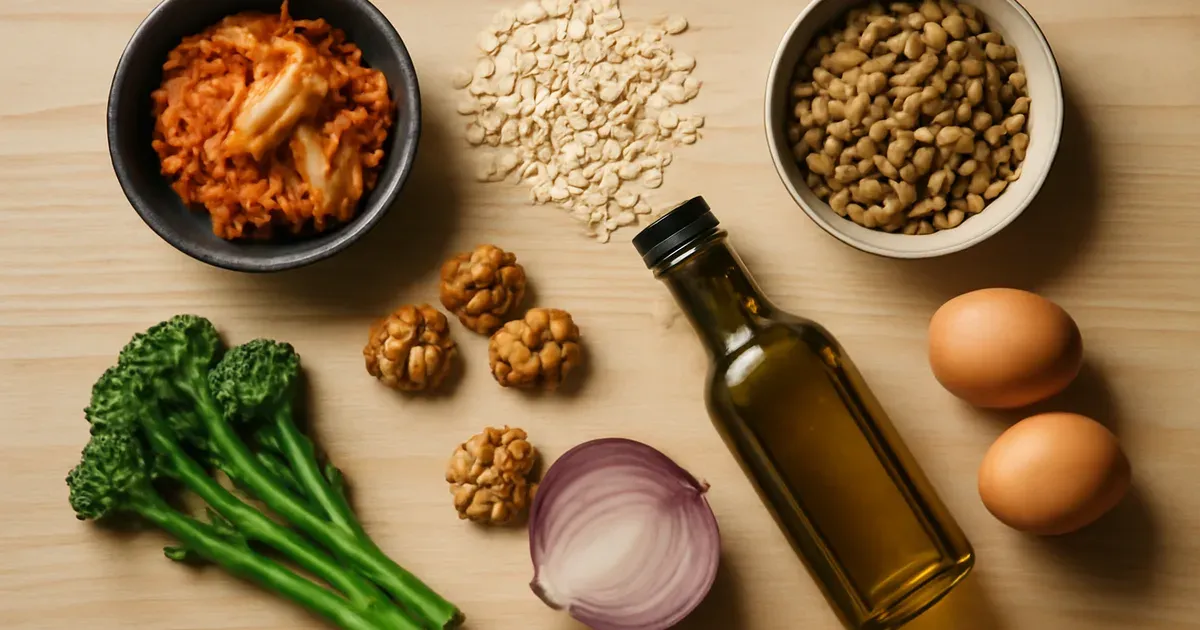
Your Step-by-Step Summary
- ✅ Step 1: Rebuild your gut microbiome — eat 30+ plant foods weekly, add one daily fermented food serving
- ✅ Step 2: Build meals around complete protein (25–30 g), soluble fibre, and healthy fats
- ✅ Step 3: Exercise consistently — 150 min cardio per week plus 2–3 resistance sessions
- ✅ Step 4: Protect the gut-brain axis — prioritise 7–9 hours of sleep and daily stress reduction
- ✅ Timeline: Expect meaningful change at 6–12 weeks; durable results by 3 months
- ✅ Avoid: Dietary monotony, skipping breakfast protein, poor sleep, and impatience
Natural GLP-1 optimisation is not a shortcut — it is a system. Every meal that nourishes your microbiome, every workout that improves your glucose tolerance, and every good night's sleep that restores your gut-brain axis compounds into a hormonal environment where weight management becomes progressively easier. Start with one step, build the habit, then add the next.
Frequently Asked Questions
How long does it take to increase GLP-1 naturally?
Most people notice improved post-meal fullness within one to two weeks of increasing protein and fibre intake. Meaningful shifts in gut microbiome composition — which amplify GLP-1 further — typically take four to eight weeks of consistent dietary change. Exercise-driven improvements in glucose tolerance and GLP-1 response are usually measurable within six to twelve weeks of regular training.
Can the gut microbiome really affect GLP-1 levels?
Yes. The gut microbiome produces short-chain fatty acids (SCFAs) through fibre fermentation, and SCFAs directly stimulate the L-cells in your intestinal lining that secrete GLP-1. A more diverse microbiome produces more SCFAs and supports a stronger, more sustained GLP-1 response after meals. Fermented foods, prebiotic fibres, and dietary variety are the key inputs.
Is natural GLP-1 as effective as GLP-1 medication?
No — natural strategies increase GLP-1 meaningfully but not to the same degree as GLP-1 receptor agonist medications such as Ozempic or Mounjaro. Medications produce a pharmacological amplification of GLP-1 signalling. Natural methods work through your body's own production capacity, which is lower but carries no medication side effects and supports broader metabolic health over time.
Which foods have the biggest impact on GLP-1?
The strongest dietary triggers for GLP-1 release are complete, high-quality proteins (lean meats, fish, eggs, tofu), soluble fibres (oats, legumes, chicory, flaxseed), and fermented foods (yogurt with live cultures, kefir, kimchi). Monounsaturated fats and omega-3 fatty acids also stimulate GLP-1 through fatty acid receptors on gut hormone-producing cells.
Does stress affect GLP-1 and the gut-brain axis?
Chronically elevated cortisol from ongoing stress disrupts the gut microbiome, reduces beneficial SCFA-producing bacteria, and impairs the gut-brain hormonal communication that GLP-1 depends on. Managing stress through sleep, movement, and relaxation practices is not peripheral to GLP-1 optimisation — it is central to it.