Poop Frequency Actively Shapes Your Gut Microbiome
A 2024 study finds bowel movement frequency creates clear, lasting differences in gut microbiome composition, with implications for overall health.

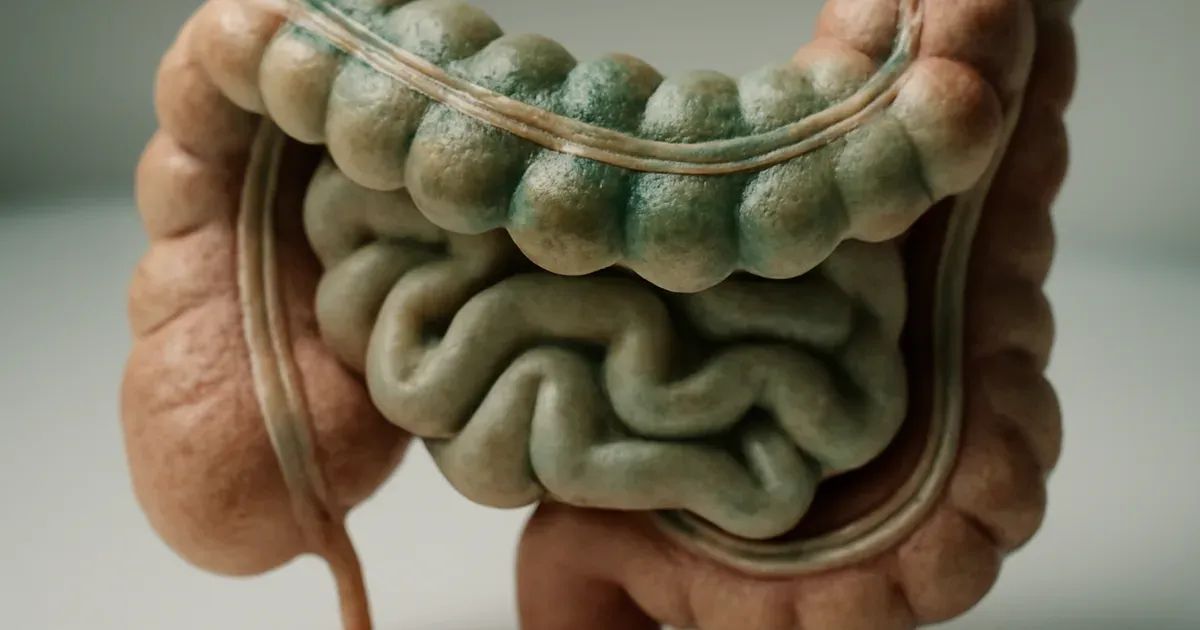
How often you use the bathroom may be doing more than relieving discomfort — it could be actively reshaping the microbial community living inside your gut. According to a 2024 study covered by ScienceAlert, bowel movement frequency is linked to "clear and lasting differences" in the gut microbiome, the vast ecosystem of bacteria, fungi, and other microorganisms that plays a central role in human health.
Why This Matters for Gut Health
The gut microbiome has become one of the most studied frontiers in modern medicine, with research increasingly linking its composition to immunity, metabolism, mental health, and chronic disease risk. Scientists have long understood that diet, genetics, and environment influence which microbes thrive in the gut. However, the idea that something as routine as bowel movement frequency could independently shape microbiome composition adds a significant new dimension to our understanding of gut health, according to ScienceAlert.
Study Finds Bowel Habits Leave a Distinct Microbial Signature
The 2024 study found that individuals with different bowel movement frequencies harboured measurably distinct gut microbiome profiles. According to researchers, these were not minor fluctuations but clear and lasting differences in microbial composition. The gut microbiome is highly dynamic, responding to transit time — the speed at which material moves through the digestive tract. Slower or faster transit, reflected in how often a person defecates, appears to selectively favour certain microbial populations over others, per the findings reported by ScienceAlert.
What This Means for Your Gut and Overall Health
For anyone paying attention to gut health, these findings suggest that bowel regularity may be a meaningful indicator — and possibly a driver — of microbiome diversity and balance. Researchers suggest that understanding the relationship between transit time and microbial composition could open new avenues for gut-focused interventions. The gut-brain axis, which connects intestinal health to neurological and psychological wellbeing, may also be indirectly influenced by these patterns, underscoring the broader relevance of bowel habits.
The research, as reported by ScienceAlert, reinforces that the gut microbiome is continuously shaped by everyday physiological processes. Bowel movement frequency, long considered a basic health metric, may carry far deeper biological significance than previously recognised — offering a simple, observable window into the complex inner world of the human gut.