How to Lose Weight Over 40 by Fixing Cortisol
Learn how to lose weight over 40 by fixing cortisol and gut health in 5 practical steps — without extreme dieting or exhausting workouts.


You are eating the same food you always have — maybe even less — and yet the scale keeps creeping up. You have tried cutting calories, pushing harder at the gym, and skipping dessert for weeks. Nothing seems to work the way it used to. If this sounds familiar, you are not doing anything wrong. Your body has simply changed in ways that make the old rules useless, and the real culprits are hiding deep inside your hormonal and digestive systems. This guide explains exactly what is happening and gives you a clear, practical roadmap to finally lose weight over 40 without starving yourself or training like an athlete.

Why Weight Gain Over 40 Happens in the First Place
Perimenopause reshapes your entire hormonal landscape. Starting in your 40s — sometimes earlier — your ovaries begin producing less oestrogen and progesterone. This hormonal shift is erratic rather than gradual, creating a cascade of symptoms: disrupted sleep, mood swings, increased cravings, and a slowing metabolism. The calories-in-calories-out formula simply stops applying when your internal chemistry is in flux.
Cortisol is the hidden amplifier of all these changes. Produced by the adrenal glands, cortisol is your primary stress hormone. It follows a daily rhythm: high in the morning for energy, declining through the day, lowest at night for sleep. When that rhythm is disrupted — through years of poor sleep, chronic stress, and blood sugar swings — cortisol dysregulation triggers increased insulin resistance, stubborn belly fat, thyroid suppression, and relentless cravings. This is not a willpower problem; it is a biochemical one.
Your gut is deeply tangled in this cycle too. The gut-brain axis — the two-way communication highway between your digestive microbiome and your brain — directly influences cortisol output and hormonal balance. An imbalanced gut microbiome elevates systemic inflammation, disrupts serotonin production (90% of which is made in the gut), and impairs the very hormonal signalling you need to lose weight. Fixing cortisol without addressing gut health is like patching one hole in a leaky boat.
Step 1: Test Before You Guess — Map Your Cortisol Pattern
The single biggest mistake women over 40 make is treating symptoms without knowing their actual cortisol levels. Cortisol fluctuates throughout the day, which means a single blood test at the doctor's office gives you an incomplete picture. The gold standard is the DUTCH (Dried Urine Test for Comprehensive Hormones) adrenal test, which captures cortisol at five points across a 24-hour cycle.
This matters because cortisol dysregulation does not always look the same. Some women produce too much cortisol in the evenings, keeping them wired at bedtime and exhausted in the morning. Others have a flat cortisol curve with insufficient morning output, leaving them fatigued all day. Without knowing your specific pattern, any supplementation or lifestyle intervention is essentially guesswork.
Once you have your results, you can correlate your cortisol curve to your symptoms — low morning energy, afternoon crashes, night-time wakefulness, mid-section weight gain — and build a targeted plan. Consider also asking your practitioner to test your gut microbiome. Research published in Gut (2022) shows that specific bacterial populations directly regulate the HPA (hypothalamic-pituitary-adrenal) axis, meaning a dysbiotic gut can keep cortisol perpetually elevated regardless of how well you manage stress.
Pro Tip: Bring your DUTCH results to a hormone-literate practitioner rather than interpreting them alone. Context is everything.

Step 2: Nourish Your Adrenal Glands and Your Gut Microbiome
Your adrenal glands need specific raw materials to produce and regulate cortisol properly. The three most critical nutrients are Vitamin B5 (pantothenic acid), Vitamin C, and magnesium. Most women over 40 are significantly deficient in at least one of these, particularly magnesium, which is rapidly depleted by both stress and poor sleep — creating a self-reinforcing deficit.
Simultaneously, your gut microbiome requires consistent feeding to maintain the bacterial diversity that regulates cortisol and inflammation. Prioritise prebiotic fibre from foods like garlic, onions, asparagus, and Jerusalem artichokes — these selectively feed beneficial Lactobacillus and Bifidobacterium strains shown to reduce cortisol reactivity. Add fermented foods such as kefir, sauerkraut, and kimchi to actively repopulate the gut with beneficial bacteria.
The gut-brain connection here is direct: Lactobacillus rhamnosus, a well-studied probiotic strain, has been shown in clinical studies to reduce corticosterone (the stress hormone equivalent in animals) and GABA receptor changes in the brain. A flourishing microbiome essentially acts as a natural cortisol buffer. Combine adrenal-targeted nutrients with a genuinely diverse, fibre-rich diet and you address both systems at once.
- Vitamin B5: Eggs, liver, sunflower seeds, avocado
- Vitamin C: Bell peppers, kiwi, citrus, broccoli
- Magnesium: Dark leafy greens, pumpkin seeds, dark chocolate
- Prebiotics: Garlic, onions, leeks, green bananas
- Probiotics: Plain kefir, live yoghurt, kimchi, kombucha
Step 3: Use Adaptogens and Targeted Gut Support
Adaptogens are a class of herbs scientifically validated to help the adrenal glands modulate their cortisol response. Rather than suppressing or stimulating cortisol in one direction, adaptogens help your adrenals become more responsive and balanced — producing more when you genuinely need it and less when you do not. This makes them uniquely suited to the erratic cortisol patterns common in perimenopause.
The most evidence-backed adaptogens for women over 40 include Ashwagandha (KSM-66 extract has robust clinical trials showing significant cortisol reduction), Rhodiola rosea (particularly useful for women with fatigue and low-morning-cortisol patterns), and Holy Basil (Tulsi), which also carries anti-inflammatory properties beneficial to the gut lining. Avoid self-prescribing: some adaptogens are stimulating, others are sedating, and choosing the wrong one for your cortisol pattern can make symptoms worse.
On the gut side, a targeted probiotic supplement containing strains like Lactobacillus helveticus and Bifidobacterium longum has been clinically shown to reduce perceived stress and cortisol in urine — directly linking microbiome intervention to adrenal outcomes. This gut-brain-adrenal connection is one of the most exciting frontiers in women's health, and the research consistently shows that you cannot fully optimise cortisol without optimising the microbial community in your gut.
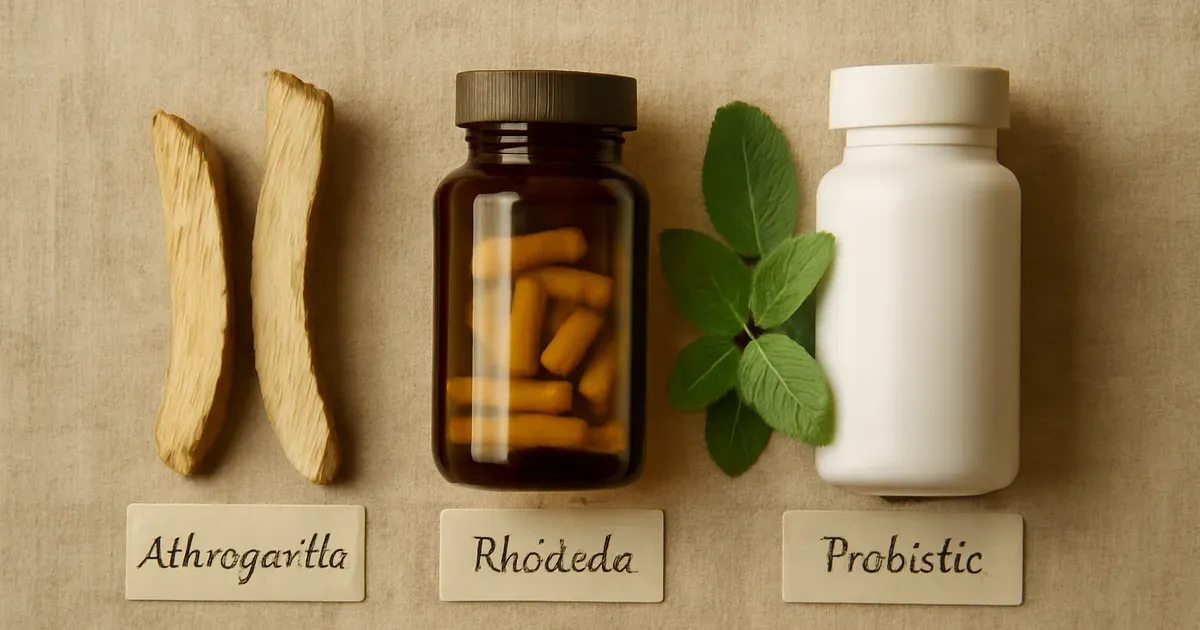
- Ashwagandha (KSM-66): 300–600mg daily, best for high-cortisol patterns
- Rhodiola rosea: 200–400mg in the morning, best for low-energy, flat-curve cortisol
- Holy Basil: 300–600mg daily, anti-inflammatory and calming
- Probiotic blend: Look for L. helveticus R0052 + B. longum R0175 combination
This section contains educational information only. Always consult a qualified practitioner before starting supplements.
Step 4: Stabilise Blood Sugar to Break the Cortisol Cycle
Blood sugar instability and cortisol dysregulation are trapped in a vicious cycle. When blood sugar drops sharply — after a high-carb meal, a skipped meal, or a sugary snack — your body triggers a cortisol spike to restore glucose levels. That cortisol spike, in turn, promotes more insulin resistance, making it harder to use glucose efficiently. Over time, this cycle deposits fat preferentially around the abdomen and makes sustainable weight loss almost impossible.
The dietary fix is straightforward but requires consistency. Lead every meal with protein and healthy fats, and treat carbohydrates as a side dish rather than the main event. Aim for 25–30 grams of protein at breakfast within an hour of waking — this anchors blood sugar for the entire morning and reduces mid-morning cortisol spikes. Prioritise slow-digesting, high-fibre carbohydrates such as lentils, sweet potato, and oats, which feed beneficial gut bacteria while preventing the glucose spikes that stress your adrenals.
Recent microbiome research published in Cell Metabolism (2023) found that individuals with higher gut bacterial diversity had significantly flatter post-meal glucose curves — meaning a thriving microbiome literally helps stabilise blood sugar independently of diet composition. Fixing your gut and fixing your blood sugar are, in practice, the same intervention. Reduce processed sugar, increase diverse plant fibres, eat regular meals, and watch both cortisol and cravings respond.
Step 5: Prioritise Sleep as a Non-Negotiable Hormone Reset
Sleep is not a lifestyle luxury — it is a biological requirement for hormonal repair. During deep sleep, the body clears cortisol, restores adrenal function, and regulates leptin and ghrelin (the appetite hormones that determine how hungry and how full you feel the next day). One single night of poor sleep elevates cortisol the following day by up to 37%, according to data from the Journal of Sleep Research.
For women in perimenopause, poor sleep is often caused by progesterone decline, night sweats triggered by oestrogen fluctuations, or cortisol that peaks too late in the evening. Address the root cause rather than just the symptom. If night sweats are waking you, hormone testing and potential progesterone support is the real fix. If you cannot switch off at bedtime, high evening cortisol is likely the culprit, and evening adaptogens or calming herbs like Valerian, Passionflower, or Lemon Balm may help.
The gut-brain axis plays a significant role in sleep quality too. Your gut microbiome produces the majority of your body's serotonin, which converts to melatonin — your primary sleep hormone. A dysbiotic gut directly impairs melatonin production, creating a gut → poor sleep → cortisol spike → weight gain cascade that many women never identify. Supporting the microbiome is therefore also supporting sleep, cortisol balance, and ultimately, weight loss.

What to Expect: A Realistic Timeline
Hormonal and microbiome changes are measurable but not overnight. Here is a realistic phase breakdown:
- Weeks 1–2: Improved energy in the mornings as adrenal support begins. Reduced afternoon crashes. Slight reduction in cravings as blood sugar stabilises.
- Weeks 3–4: Improved sleep onset and sleep quality. Gut symptoms such as bloating may initially increase as the microbiome shifts, then settle.
- Weeks 5–8: Cortisol rhythm begins to normalise. Metabolism becomes more responsive. First signs of sustainable weight loss — typically 1–2 lbs per week at this stage.
- Months 3–6: Microbiome diversity stabilises, inflammation reduces, insulin sensitivity improves. Weight loss becomes more consistent and hunger more manageable. Mood and energy noticeably improved.
Patience is not passive waiting — it is active, consistent implementation of each step above.
Mistakes That Slow Your Progress
- Relying on calorie restriction alone. Cutting calories without addressing cortisol elevates cortisol further and slows the metabolism — the opposite of what you need.
- Doing high-intensity exercise every day. HIIT and intense cardio spike cortisol. For women with high-cortisol patterns, strength training and walking are far more effective for fat loss.
- Ignoring gut health entirely. Treating cortisol in isolation without supporting the gut microbiome leaves the HPA axis perpetually over-stimulated.
- Self-prescribing adaptogens without testing. The wrong adaptogen for your cortisol pattern can worsen fatigue, anxiety, or insomnia.
- Treating sleep as optional. No supplement or dietary intervention can compensate for consistently poor sleep when it comes to hormonal balance.
- Skipping breakfast or intermittent fasting aggressively. In women with cortisol dysregulation, prolonged fasting triggers cortisol spikes that worsen belly fat and blood sugar instability.
What Can Help You Get There Faster
Functional testing tools are your starting point. The DUTCH adrenal urine test gives you a precise 24-hour cortisol map. A gut microbiome sequencing test (such as those offered by Viome or Genova Diagnostics) reveals specific bacterial imbalances that may be driving cortisol and inflammation. Together, these two tests give you a personalised blueprint rather than a generic plan.
Targeted supplementation makes a meaningful difference when matched to your results. Magnesium glycinate (for sleep and adrenal repair), a B-complex with high B5, and a clinically validated probiotic strain combination (particularly L. helveticus + B. longum) form the foundational trio most practitioners recommend for women navigating perimenopause and cortisol imbalance.
Professional support dramatically accelerates outcomes. A functional medicine practitioner or integrative hormone specialist can interpret your DUTCH and microbiome results together, prescribe evidence-based adaptogen protocols, and address sex hormone imbalances (oestrogen, progesterone) that interact with cortisol. Many patients in clinical practice report significant improvements in sleep, energy, and weight within 8–12 weeks under guided care.

Your Step-by-Step Summary
- ✅ Step 1: Get a DUTCH adrenal test and microbiome test to know your baseline
- ✅ Step 2: Nourish adrenals with B5, Vitamin C, magnesium and feed your gut with prebiotic fibre and fermented foods
- ✅ Step 3: Add evidence-based adaptogens and a gut-targeted probiotic matched to your cortisol pattern
- ✅ Step 4: Stabilise blood sugar by leading meals with protein and fat, reducing processed sugar, and increasing diverse plant fibre
- ✅ Step 5: Treat sleep as a non-negotiable — address the root cause of disrupted sleep whether that is cortisol, progesterone, or gut-derived melatonin impairment
- ✅ Ongoing: Avoid high-intensity daily training, aggressive fasting, and self-prescribing without testing
Frequently Asked Questions
How long does it take to fix cortisol levels naturally?
Most women notice initial improvements in energy and sleep within 2–4 weeks of adrenal support. Meaningful changes in weight and metabolic function typically appear within 8–12 weeks. Full cortisol rhythm restoration can take 3–6 months, particularly if dysregulation has been building for years. Consistency with diet, sleep, and targeted supplementation is the determining factor.
Can gut health problems really cause high cortisol?
Yes. The gut-brain axis creates a two-way communication loop between the gut microbiome and the hypothalamic-pituitary-adrenal (HPA) axis — the system that governs cortisol production. A dysbiotic gut increases systemic inflammation and impairs the regulatory signals that keep cortisol in check. Multiple peer-reviewed studies confirm that improving gut bacterial diversity measurably reduces cortisol output and stress reactivity.
Is intermittent fasting safe for women over 40 with cortisol issues?
Aggressive intermittent fasting (16+ hour fasts) can be counterproductive for women with existing cortisol dysregulation. Prolonged fasting is interpreted by the body as a physiological stressor, triggering cortisol spikes that worsen insulin resistance and belly fat storage. A moderate eating window of 12 hours, combined with a protein-rich breakfast, is generally better tolerated until cortisol patterns are stabilised.
What type of exercise is best when cortisol is high?
For women with elevated or dysregulated cortisol, lower-intensity movement is far more effective for fat loss than high-intensity training. Daily walking (30–45 minutes), yoga, Pilates, and two to three sessions of strength training per week support adrenal recovery without adding to the cortisol load. Intensive daily cardio can paradoxically increase belly fat in women with high cortisol.
Do I need a prescription to address cortisol imbalance?
Most foundational cortisol support — dietary changes, adaptogenic herbs, targeted nutrients, probiotic supplementation, and sleep hygiene — does not require a prescription. However, if sex hormone imbalances (low progesterone, oestrogen dominance) are contributing to your symptoms, prescription bioidentical hormone therapy may be appropriate and requires evaluation by a qualified practitioner. Testing always comes first.