How to Reduce Inflammation With Food in 8 Steps
Learn how to reduce inflammation with food in 6 practical steps — backed by gut health science and easy anti-inflammatory recipes.

You already know something feels off. Maybe it's persistent fatigue, a sluggish digestive system, or a nagging sense that your body is working against you. You've tried cutting back on junk food, maybe even downloaded a meal-planning app — but nothing seems to stick or make a real difference.
Here's what most people miss: chronic inflammation isn't just an immune problem. It's deeply connected to what's happening in your gut. Your gut microbiome — the trillions of bacteria living in your digestive tract — directly regulates your body's inflammatory response. Feed it badly, and inflammation quietly smoulders. Feed it well, and you can turn that fire down.
The good news? You don't need a radical diet overhaul. You need the right foods, in the right combinations, introduced step by step. That's exactly what this guide shows you.
Why Chronic Inflammation Happens in the First Place
Inflammation is not the enemy — unchecked inflammation is. Your immune system uses it as a short-term tool to fight infection and heal injuries. The problem starts when that response stays permanently switched on, quietly damaging blood vessels, tissues, and organs over time — increasing the risk of heart disease, type 2 diabetes, and other serious conditions.
Several modern lifestyle factors drive this chronic state:
- A diet high in processed meats, refined grains, and added sugars feeds harmful gut bacteria, disrupting your microbiome balance
- Poor gut diversity weakens the gut lining, allowing inflammatory compounds to leak into the bloodstream — a process sometimes called "leaky gut"
- Low fibre intake starves the beneficial bacteria that produce short-chain fatty acids, which are critical for calming inflammation
- Stress and poor sleep amplify the gut-brain axis signals that trigger further inflammatory responses
- Sedentary behaviour reduces circulation of anti-inflammatory compounds
The gut-brain axis plays a bigger role here than most people realise. The vagus nerve connects your gut directly to your brain, meaning gut inflammation can influence mood, focus, and stress levels — which in turn worsen inflammation. It's a cycle, and your food choices are one of the most accessible levers for breaking it.
Step 1: Load Your Plate With Antioxidant-Rich Vegetables
Vibrant, colourful vegetables are your first line of defence against inflammation — and one of the most powerful ways to begin reshaping your microbiome. The pigments that give vegetables their colour — carotenoids, flavonoids, and polyphenols — are antioxidants that actively protect and repair cells damaged by inflammatory processes.
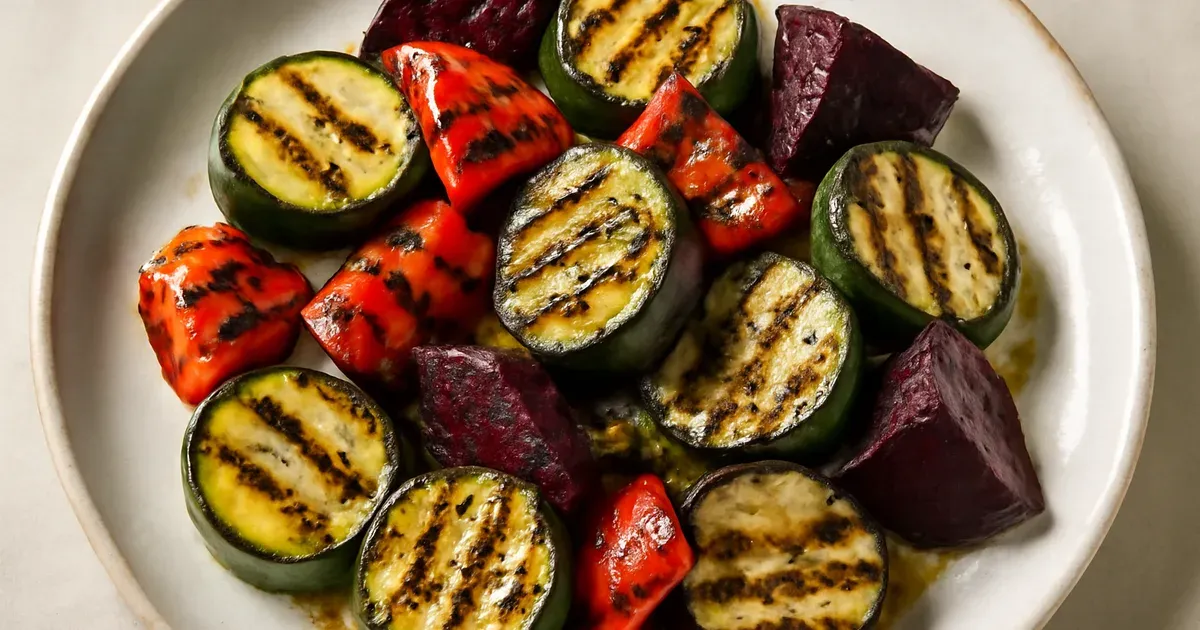
Think red peppers, aubergine, courgettes, beetroot, and leafy greens. A chargrilled vegetable salad is one of the easiest ways to pack multiple antioxidant sources into a single meal. Grilling or roasting concentrates flavour while preserving most of the polyphenol content.
Here's why this matters for your gut, too. Polyphenols from vegetables act as prebiotics — they selectively feed beneficial gut bacteria like Lactobacillus and Bifidobacterium, which in turn produce compounds that reduce inflammatory markers throughout the body. Aim for at least five different coloured vegetables across your day.
Pro tip: Don't eat the same vegetables every day. Rotating your choices increases microbiome diversity, which is one of the strongest predictors of a healthy, low-inflammation gut.
Step 2: Add Oily Fish Twice a Week
Omega-3 fatty acids are among the most studied anti-inflammatory nutrients in existence. Found abundantly in oily fish like mackerel, salmon, sardines, and trout, they work by producing molecules called resolvins and protectins that actively signal your immune system to stand down.
Mackerel is a particularly accessible and affordable option. Roasted mackerel fillets served with new potatoes and beetroot deliver omega-3s alongside fibre and nitrate-rich beetroot — which also supports healthy blood pressure. A spicy horseradish and orange dressing adds flavour without the need for salt or processed sauces.
The omega-3 and gut connection is worth noting. Research suggests that EPA and DHA (the active omega-3s in oily fish) help maintain the integrity of the gut lining — the single layer of cells that separates your gut contents from your bloodstream. A stronger gut lining means fewer inflammatory triggers escaping into circulation.
Target two portions of oily fish per week. If fresh fish feels expensive, canned mackerel, sardines, or salmon in spring water are nutritionally comparable and budget-friendly.
Step 3: Swap Refined Grains for Wholegrains
One of the simplest dietary swaps you can make is replacing refined grains with wholegrains — and the impact on both inflammation and gut health is significant. Refined grains (white bread, white rice, regular pasta) have had their fibre-rich outer layers stripped away, removing the fuel that beneficial gut bacteria depend on.
Wholegrains like bulgur wheat, oats, quinoa, and wholewheat flour digest more slowly, feeding a wider range of microbiome bacteria and preventing the sharp blood sugar spikes that trigger inflammatory responses. A herby chicken and bulgur wheat dish is a satisfying mid-week meal that delivers fibre, protein, and complex carbohydrates in one bowl.
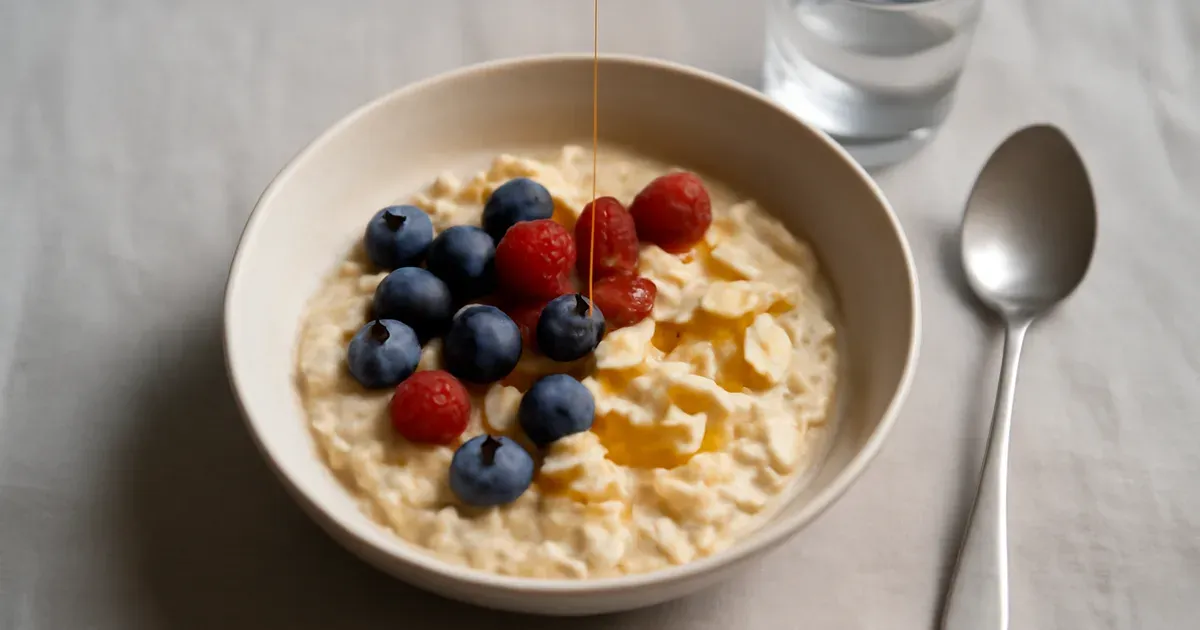
Oats deserve a special mention in the context of gut-brain health. Beta-glucan, the soluble fibre found in oats, has been shown in multiple studies to reduce levels of C-reactive protein — one of the primary blood markers of systemic inflammation. Starting your morning with a Bircher muesli combining oats, natural yogurt, almonds, and berries sets a low-inflammation foundation for the entire day.
Pro tip: Make your Bircher muesli the night before. Overnight soaking partially breaks down the oat structure, making the beta-glucan even more bioavailable for your gut bacteria.
Step 4: Introduce Fermented Foods Daily
Fermented foods are arguably the fastest way to directly shift your gut microbiome in a beneficial direction. Foods like natural yogurt, pickles, kefir, kimchi, and sauerkraut contain live cultures of bacteria that colonise your gut and compete with harmful, pro-inflammatory microbes.
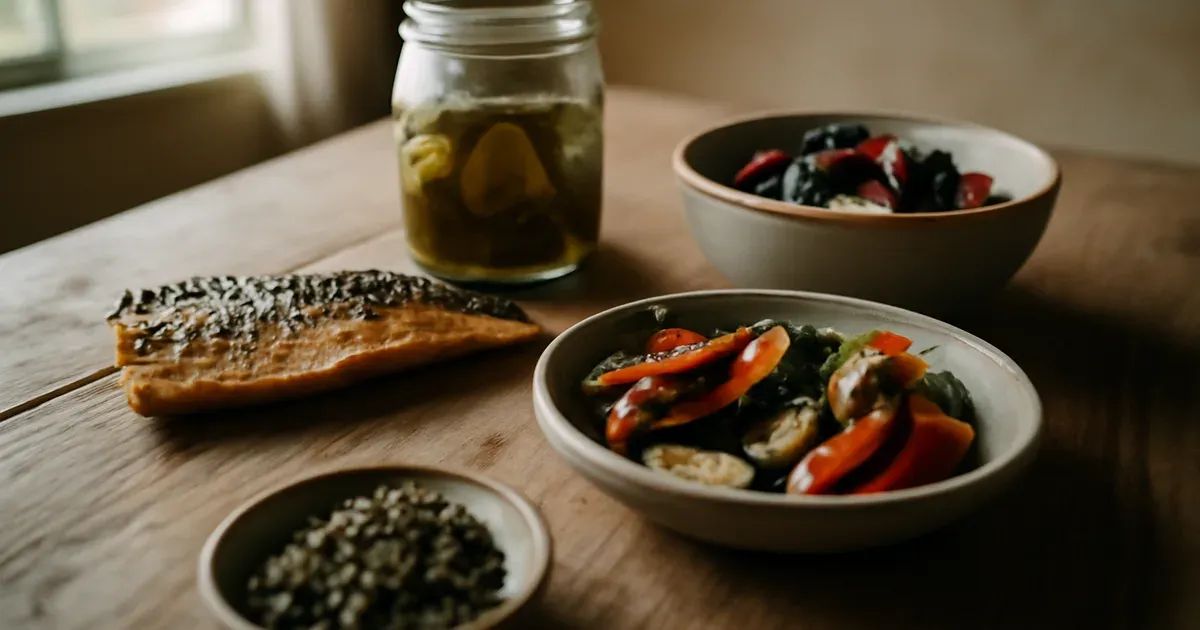
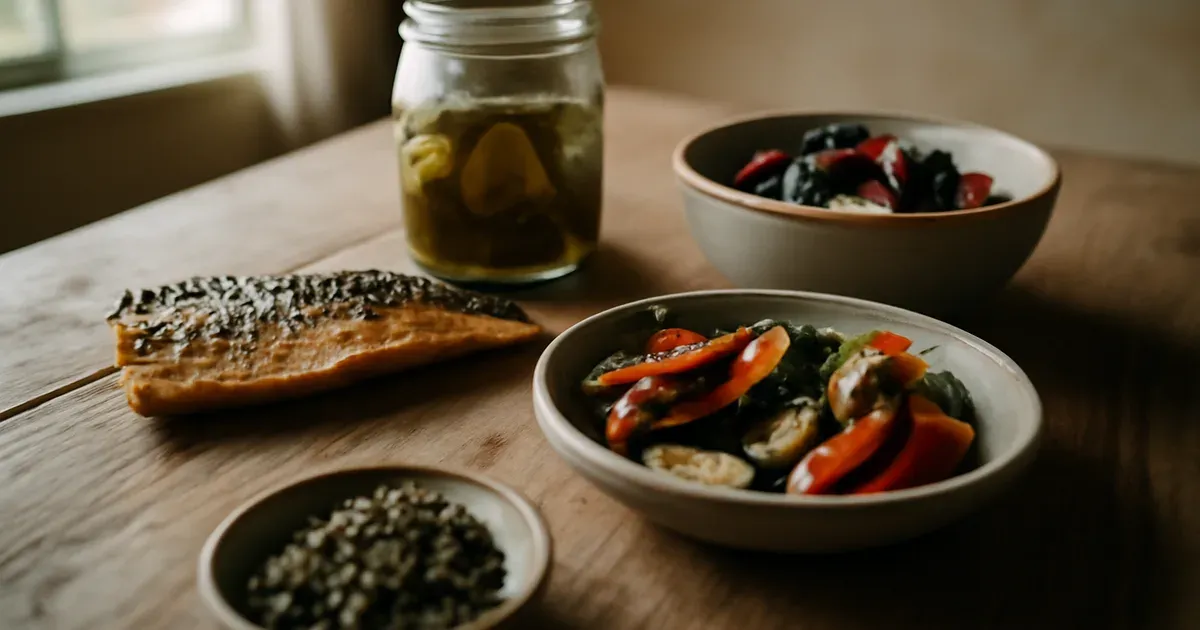
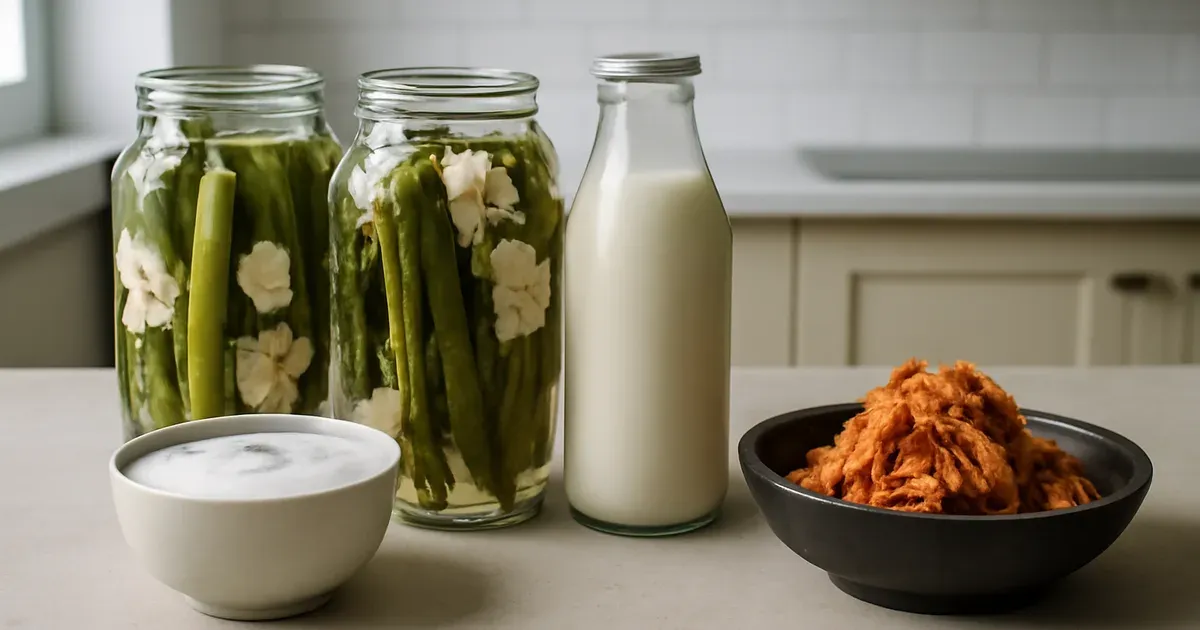
Nordic-style pickles are a brilliant entry point — tangy, crunchy, and versatile enough to serve as a snack or a side alongside fresh salmon. Making your own allows you to control the salt content and experiment with flavour combinations: try dill, caraway, mustard seed, or chilli.
A landmark 2021 Stanford study published in Cell found that participants who increased fermented food consumption over ten weeks showed measurably increased microbiome diversity and decreased inflammatory proteins — including interleukin-17a, a key driver of inflammatory disease. The effect was diet-specific and not seen in the high-fibre group alone.
For gut-brain axis benefits, the connection runs even deeper: fermented foods support the production of GABA precursors and serotonin pathways that originate in the gut. Around 90% of the body's serotonin is produced in the gut — another reason why what you eat directly influences how you feel.
Step 5: Make Legumes and Seeds a Regular Fixture
Lentils, beans, chickpeas, and seeds are among the most underrated anti-inflammatory foods on any shopping list. They're high in both soluble and insoluble fibre, rich in plant-based protein, and contain polyphenols that nourish a diverse microbiome.
Spanish-style lentils baked with eggs is a perfect example of how legumes can anchor a satisfying, low-cost meal. Green lentils are high in fibre and protein, while being naturally low in saturated fat and salt — two dietary factors directly linked to elevated inflammation and blood pressure. This one-pan dish works equally well as a quick weeknight dinner or a leisurely weekend brunch.
Seeds deserve equal attention. A handful of toasted sesame seeds added to a vegetable stir-fry with tofu and wholewheat noodles contributes additional fibre, magnesium, and lignans — plant compounds with demonstrated anti-inflammatory properties. The tofu itself provides isoflavones, another class of compounds associated with reduced inflammatory markers.
Pro tip: If legumes cause digestive discomfort at first, start with red lentils (which are lower in fermentable carbohydrates than whole beans) and build your intake gradually over two to three weeks as your microbiome adapts.

Step 6: Rethink Dessert and Snacks
The most persistent source of hidden dietary inflammation isn't dinner — it's what you reach for between meals and after them. Sugary cereals, refined biscuits, processed snack bars, and sweetened yogurts spike blood glucose, fuel harmful gut bacteria, and sustain the inflammatory cycle.
The fix doesn't require deprivation. An apple and blackberry oat crumble made with wholewheat flour and rolled oats delivers genuine sweetness with a fraction of the sugar of standard recipes — and a significantly higher fibre payload. Serve it with plain fromage frais or natural yogurt to add live cultures and gut-supporting protein.
For snacks, Nordic pickles, a small handful of nuts, or fruit with yogurt all maintain stable blood sugar while actively supporting your microbiome. The goal is to replace foods that feed inflammatory pathways with foods that interrupt them — without making eating feel like a chore.
Small, consistent swaps in snack choices compound meaningfully over weeks and months. Your microbiome responds to dietary change relatively quickly — studies show measurable shifts in bacterial populations within 48 to 72 hours of dietary change.
What to Expect: A Week-by-Week Timeline
Changing your diet doesn't produce overnight results — but it produces faster results than most people expect, particularly at the gut level.
Week 1–2: Digestive changes begin. You may notice improved regularity as fibre intake increases, and some initial bloating as your gut bacteria adjust to new fuel sources. This is normal and typically short-lived.
Week 3–4: Energy levels often stabilise. As blood sugar spikes reduce and microbiome diversity begins to grow, many people report reduced afternoon energy crashes and improved sleep quality — both of which further reduce inflammatory load.
Week 6–8: More meaningful changes in inflammatory markers may become detectable. Skin clarity, joint comfort, and mood stability are commonly reported at this stage — consistent with the gut-brain axis benefits of an improved microbiome.
Week 10–12: Research suggests this is the window in which microbiome diversity gains become more durable, provided dietary changes are maintained. The anti-inflammatory benefits become self-reinforcing at this point.
Mistakes That Slow Your Progress
- Focusing on one "superfood" rather than dietary diversity. No single food eliminates inflammation. Microbiome health and anti-inflammatory outcomes depend on the breadth of what you eat, not the intensity of one ingredient.
- Underestimating processed food. Even "healthy-looking" packaged foods can contain refined oils, added sugars, and preservatives that disrupt gut bacteria. Read ingredient lists, not just calorie counts.
- Dropping fermented foods after a week. Microbiome colonisation takes time. Sporadic inclusion of fermented foods produces limited benefit — consistency over weeks is what drives change.
- Neglecting fibre alongside probiotics. Introducing fermented foods without sufficient prebiotic fibre is like stocking a kitchen with no food. Beneficial bacteria need plant fibre to survive and thrive.
- Expecting linear progress. Gut microbiome shifts are non-linear. Some weeks feel better than others. Don't abandon the approach because of a bad few days.
What Can Help You Get There Faster
The right tools reduce friction and make the healthy choice the easy choice.
Meal prep equipment: A good-quality roasting tin, a glass jar set for fermenting or storing overnight oats, and a reliable non-stick wok or pan for stir-fries remove the practical barriers that cause people to default to processed food on busy evenings.
Tracking and awareness tools: A simple food diary — even a notes app on your phone — used for two to three weeks builds self-awareness about which meals correlate with better energy, digestion, and mood. This gut-brain feedback loop is powerful motivational data.
Reliable recipe resources: Having four to six trusted anti-inflammatory recipes you genuinely enjoy eliminates decision fatigue. Rotate them weekly, vary the vegetables and legumes within the template, and your microbiome diversity grows without requiring creative cooking every night.
Your Anti-Inflammatory Action Plan: Quick Recap
- ✅ Step 1: Fill half your plate with colourful, rotating vegetables for antioxidant and prebiotic benefit
- ✅ Step 2: Eat oily fish (mackerel, salmon, sardines) at least twice a week for omega-3s
- ✅ Step 3: Replace refined grains with wholegrains — bulgur wheat, oats, quinoa, wholewheat pasta
- ✅ Step 4: Add a fermented food daily — yogurt, pickles, kefir, or kimchi
- ✅ Step 5: Eat legumes and seeds at least three times a week for fibre and polyphenols
- ✅ Step 6: Swap sugary snacks and desserts for fibre-rich, low-sugar alternatives
Frequently Asked Questions
How quickly can food changes reduce inflammation?
Measurable shifts in gut bacteria can begin within 48–72 hours of dietary change, according to microbiome research. However, meaningful reductions in systemic inflammation markers typically take six to twelve weeks of consistent dietary changes. Don't judge results in the first fortnight — judge them at the two to three month mark.
Are anti-inflammatory diets the same as gut health diets?
They overlap significantly. Both prioritise fibre-rich whole foods, fermented foods, oily fish, and minimal processed food. The anti-inflammatory approach focuses on reducing immune overactivation, while the gut health focus targets microbiome diversity and gut lining integrity. In practice, eating for one almost always benefits the other — particularly through the gut-brain axis.
Can I reduce inflammation without giving up meat entirely?
Yes. The evidence does not require full vegetarianism. The key change is reducing processed meats (sausages, bacon, deli meats) and replacing some meat-based meals with legumes, tofu, or oily fish. Lean poultry like the herby chicken with bulgur wheat is a perfectly compatible anti-inflammatory meal.
What role does the gut-brain axis play in inflammation?
The gut-brain axis is a two-way communication network linking the gut microbiome to the central nervous system via the vagus nerve and immune signalling pathways. Chronic gut inflammation disrupts this axis, contributing to anxiety, low mood, and brain fog. Improving gut microbiome diversity through diet can reduce neuroinflammatory signals and support better mental as well as physical health.
Is fermented food safe to eat every day?
For most people, yes. Natural yogurt, kefir, and fermented vegetables are safe and beneficial as daily dietary components. If you have a compromised immune system or specific digestive conditions, speak with your GP or a registered dietitian before significantly increasing fermented food intake. Start with small amounts and build gradually to allow your microbiome to adjust comfortably.